2D1N · Group Tours · Two‑Day Tour‑ Mount Fuji - Kamakura‑ Complimentary Enoden Experience‑ Hotel Accommodation Included‑ Asama Park - Hikawa Clock Shop - Great Buddha of Kamakura‑ Guides speaking Chinese or English will be available throughout the trip
Guaranteed departureNo mandatory shoppingChoose your hotelTravelers aged 70+ require a companion



Group tour
Guaranteed departure · No shopping

Guide
Tour guide included

5 diamonds: Premium

Service language:English/Mandarin

Departure city: Tokyo


Group size
Max. 30 persons

Highlights

Check out all the famous attractions of Mount Fuji, go deep into Kamakura, and experience Enoden, with multi-lingual Chinese and English tour guides to choose from, who will accompany you throughout the entire process, and learn about Japanese customs

Includes one night's accommodation in a 5-star hotel. Avoid crowded tours, with daily departures. Our experienced local drivers and guides, with years of expertise, provide in-depth interpretations of the ancient capital's cultural heritage, ensuring a more comfortable and enjoyable trip.
Escape the tourist crowds and delve into the coastal area to experience a different side of Kamakura. A truly pure travel experience, no shopping stops. Online customer service concierge service/transportation guidance available. Strictly selected green-plated vehicles ensure safety and peace of mind during your trip.
2-day itinerary
Day 1 | Meeting Point‑ New Arakurayama Sengen Park - Hikawa Clock Shop - Lawson at Oshino Hakkai - Oishi Park at Kawaguchiko‑ Maple Corridor and Cherry‑Blossom Festival‑ Departure Point. Meet up go to the meeting point on your ownView meeting point MorningNotes 8:30 Tokyo MODE Academy. Latecomers will not be waited for. It is recommended to arrive at the meeting point 10 minutes before departure. All dayTransportation The total daily car usage time is 10 hours. Travel: approx. 300 km/5 hrs MorningAttraction  Arakurayama Sengen Park 4.3 4.8/5 (no tickets required) Popular Photo‑Taking Spot - Arakurayama Sengen Park‑ Ideal viewpoint for full views of Mount Fuji‑ Around 60 minutes for free‑time. It ranks among the 21 places photographers across the world should visit in their lifetime. This spot offers perfect panoramic views of Mount Fuji. Climb the 397 stone steps near the main shrine and capture pictures of Mount Fuji together with town‑scenery at its foot. Photographers and travelers worldwide come here for this breathtaking sight. Stunning views show up in every season‑ blooming cherry blossoms in spring, fresh green foliage in summer, fiery maple leaves in autumn and snow‑covered landscapes in winter. Besides admiring Mount Fuji, you can overlook charming city‑views of Fujiyoshida. Activity duration: approx. 59 mins MorningAttraction  No photos yet Hikawa Clock Shop 3.0 (Appearance) Hikawa Clock Shop‑ Uncover secret shooting spots for Japanese‑style street views with Mount Fuji at the far‑end‑ Around 20 minutes for free‑time. Get away from city‑side hustle and bustle in this ladder‑town near Mount Fuji. This quiet picturesque street stretches toward the mountain like a cloud ladder. Mount Fuji appears close yet distant at the road’s end. This viral Instagram‑famous landmark draws crowds of visitors. You can take Japanese‑style photos and appreciate the wonderful combination of Mount Fuji and local streets for impressive shots. No refunds will be offered if poor weather or force‑majeure conditions lead to unsatisfactory scenery and shooting results. Activity duration: approx. 20 mins AfternoonAttraction  Oshino hakkai 6.5  No. 3 of Best Things to Do in Kōshin'etsu region 4.3/5 (no tickets required) Taste sweet spring‑water at Oshino Hakkai known as Jiuzhaigou at the foot of Mount Fuji‑ Around 90 minutes for free‑time. Oshino Hakkai consists of eight clear springs filtered by underground layers from melted snow of Mount Fuji. Famous for fantastic natural surroundings, shimmering ponds blend harmoniously with grand Mount Fuji and attract numerous photographers traveling far‑and‑wide for ideal shots. Oshino Hakkai is designated as a national Natural Monument of Japan. Activity duration: approx. 1 hr 30 mins AfternoonLunch (at own expense) AfternoonNotes LAWSON‑ Popular Shooting Site at Kawaguchiko‑ Around 20 minutes for free‑time. Get fantastic Japanese‑style street‑view photos at this well‑known LAWSON store beside Kawaguchiko. Set‑up tripods across the street and switch to portrait mode. Take snapshots patiently when crowds thin out. Watch out for traffic when crossing the road even for wonderful photographs. No refunds will be offered if bad‑weather or force‑majeure issues result in poor scenery and unsatisfying shooting outcomes. Activity duration: approx. 20 mins AfternoonAttraction 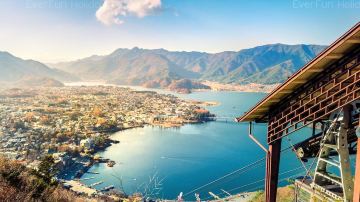 Kawaguchiko Tenjoyama Park 3.6 4.5/5 (no tickets required) Oishi Park at Kawaguchiko‑ Around 50 minutes for free‑time‑ Visits will be arranged only for Oishi Park without other seasonal‑limited attractions outside designated periods. Lavender blooms all across Oishi Park beside Kawaguchiko in summer and forms purple carpets against Mount Fuji for stunning views. Kochia turns bright red in autumn with fluffy appearances. This venue also hosts Kawaguchiko Herb Festival‑ Lavender blooms from June to July‑ Begonias and cosmos flower from July to September‑ Kochia is available in October. Kawaguchiko Maple Corridor‑ Season‑limited period from 01 Nov 2026 to 30 Nov 2026‑ Around 50 minutes for free‑time‑ Oishi Park will not be visited during this period. Snow‑capped Mount Fuji pairs with fiery red maple leaves to create breathtaking views you cannot miss. Enjoy this once‑a‑year spectacular sight. The lakeside of Fuji Kawaguchiko gets decorated with red maple foliage and delivers fantastic autumn scenery. Kawaguchiko Cherry‑Blossom Festival‑ Season‑limited period from 28 Mar 2026 to 12 Apr 2026‑ Around 50 minutes for free‑time‑ Oishi Park will not be visited during this period. The festival takes place on Kawaguchiko North Shore next to Kawaguchiko Round‑Lake Hall‑ This famous spot allows guests to capture photos with Mount Fuji‑ the lake and full‑blooming cherry blossoms together. Activity duration: approx. 1 hr 50 mins AfternoonTransportation Return AfternoonNotes Arrive at Marunouchi South Exit of JR Tokyo Station - Tokyo Mode Gakuen‑ Conclude the whole‑day journey pleasantly. Guests who book pick‑up and drop‑off packages can finish the trip by checking out at Tokyo Station - Shinjuku directly. Tokyo Station Hotel sits in Marunouchi commercial district of Chiyoda City Tokyo Japan‑ This complex railway station owns two layers of platforms. Operating lines include Tohoku Shinkansen‑ Yamagata Shinkansen‑ Akita Shinkansen‑ Joetsu Shinkansen‑ Nagano Shinkansen‑ Tokaido Main Line‑ Chuo Line Rapid‑ Sobu Line Rapid‑ Yokosuka Line‑ Keiyo Line‑ Yamanote Line‑ Keihin‑Tohoku Line‑ Narita Express‑ Tokaido Shinkansen‑ Tokyo Metro Marunouchi Line with station code M‑17. Serving as starting points for many Japanese railway routes, Tokyo Station ranks among Tokyo’s major large‑scale stations. Tokyo Station’s red‑brick building is designated Japan’s Important Cultural Property. It was renovated in 2012 and restores the original appearance from a hundred years ago. Shinjuku counts as one of Tokyo’s most prosperous commercial zones‑ Business areas spread outward centered around Shinjuku Station covering East Exit‑ West Exit and South Exit. It works as a shopping paradise filled with department stores‑ electronics shops‑ drug‑stores and fashion boutiques. Popular shopping options include Odakyu‑ Keio and Isetan department stores. Kabukicho‑ Japan’s famous entertainment district inside Shinjuku gathers numerous restaurants‑ bars and clubs and earns its reputation as Japan’s top nightlife hub. Shinjuku Station acts as a vital transport hub in Tokyo‑ Nearly four million passengers pass through it every day which makes it the world’s busiest railway station. Well‑known nearby attractions are Shinjuku Gyoen‑ Tokyo Metropolitan Government Building and Golden‑Gai. EveningDinner (at own expense) EveningHotel Hotel of your choice Includes 1 night's accommodation in a 5-star hotel |
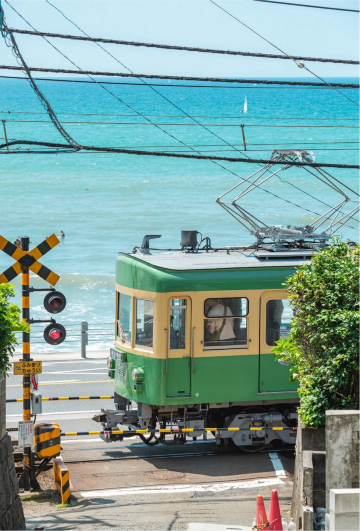
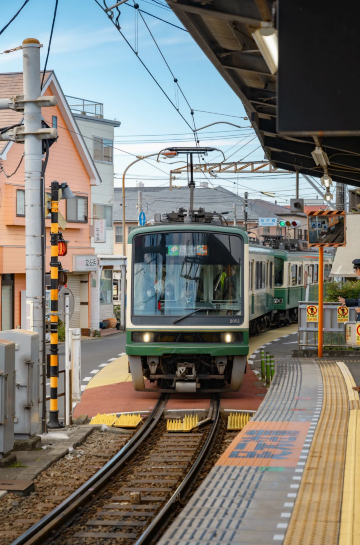
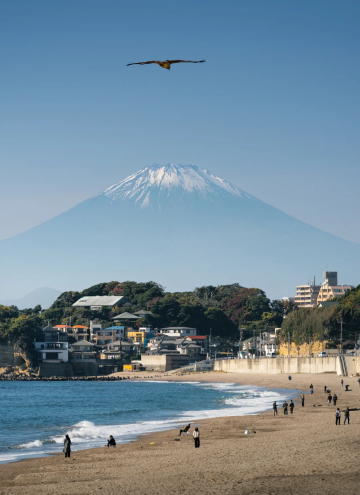
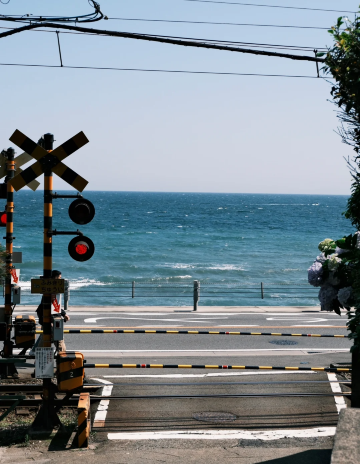
Day 2 | Meeting Point‑ Great Buddha of Kamakura‑ Enoden Experience‑ Kamakura High School‑ Enoshima‑ Tsurugaoka Hachimangu‑ Departure Point All dayTransportation The total daily car usage time is 10 hours Travel: approx. 300 km/5 hrs MorningAttraction Great Buddha of Kamakura‑ Around 30 minutes of stay‑time. Located inside Kotoku‑in a Jodo‑sect temple in ancient Kamakura, this bronze sitting statue of Amida Buddha serves as the symbol of Kamakura. The Buddha statue stands 11. 3 meters tall with a total height of 13. 35 meters including its base and weighs roughly 121 tons. Completed in 1252, the gentle facial features, low cranial protuberance and slightly forward‑leaning posture follow Chinese Song‑Dynasty sculpture styles popular during the Kamakura period. Regarded as a representative work from that era, it has been designated a Japanese National Treasure. Unlike Todai‑ji Buddha in Nara which went through repeated restorations afterwards, the Great Buddha of Kamakura largely retains its original shape and proves extremely precious. Minamoto no Yoritomo founded Japan's first samurai‑based government known as Kamakura Shogunate from 1192 to 1333. Over those 140 years, Kamakura functioned as Japan's core and achieved great progress in politics‑ economy and culture. After the Ashikaga Shogunate took power, Kamakura gradually declined. Especially after the Koga Battle in 1455, Kamakura turned into a small village relying only on farming and fishing. The town grew into a famous tourist destination in Japan with the revival of shrines and temples by the mid‑Edo period. Admission fees at your own expense‑ 300 JPY for general entry‑ an extra 50 JPY for visiting the Buddha's interior. Activity duration: approx. 2 hrs 30 mins MorningAttraction Enoden Experience at Hase Station‑ Around 15‑20 minutes' walk to Hase Station. Walk to Hase Station and board Enoden‑ Enoden fares are included within your travel package. Enoden is a tram running between Fujisawa - Kamakura. Its route passes plenty of well‑known local spots and offers amazing views across Shonan Coast. As a symbol of Kamakura, Enoden frequently appears in Japanese movies and anime works. Riding this tram lets you experience its charm in person beyond just sightseeing from afar. Travel Route‑ Hase Station - Kamakura‑Kōkō‑mae - Enoshima Station. Stay close with your tour guide while heading for the boarding point. You shall take full responsibility if you get separated from the group. This experience is provided complimentary‑ No refunds will be issued if guests cannot ride Enoden for force‑majeure reasons. Kamakura High School‑ 20‑minute stay. Located in Kamakura Kanagawa Prefecture, Kamakura High School serves as the prototype of Ryonan High School from Slam Dunk. The crossing close to the station is the iconic shooting spot where Hanamichi Sakuragi greets Akagi Haruko. The ringing tram bells bring back youthful memories from this classic anime. Travelers stop to take photos here years later to commemorate their younger days. Visitors come for precious memories‑ the sea‑ campus and streets shown in Slam Dunk hold special meaning for people born in the 1980s. Walking inside these familiar scenes lets guests reconnect with youthful feelings and bid peaceful farewell to their teenage years. Drive‑by View of Shonan Coast‑ Not included in scheduled activities‑ Guests can view the scenery only from the moving coach. Shonan Coast delivers relaxing vibes from trams passing old‑style streets of Kamakura, rolling waves on sandy beaches and sea‑breeze brought by speeding motorcycles. It also stands for Sakuragi’s deep affection for Haruko filled with sincere passion. Activity duration: approx. 20 mins AfternoonAttraction  Enoshima 5.7 No. 4 of Best Things to Do in Kanagawa Prefecture4.9/5 (no tickets required) Enoshima‑ Around 110 minutes of free‑time. According to historical records, sand rose from the seabed in April 552 during Emperor Kinmei's reign and formed this sandy‑island after 21 days. A touching folk‑tale about the island’s origin is recorded in Enryaku‑ji Temple on Mount Hiei. Long ago the area around present‑day Kamakura‑formerly known as Tsumura‑was a vast lake inhabited by a destructive five‑headed dragon. The monster brought landslides‑ widespread illness‑ floods and typhoons. Villages fell deserted and the region came to be called Koshigoe on the opposite side of Enoshima. One day in 552‑ dark clouds covered the sky and the whole land shook violently. A beautiful goddess appeared amid clouds before this island rose from the sea. The five‑headed dragon fell in love with her at first sight and promised to abandon bad deeds to marry her. Through constant good‑will efforts, the dragon won the goddess's heart. Afterwards the five‑headed dragon together with other deities improved the island and protected local residents. This dragon is regarded as the incarnation of Benzaiten. Tokugawa Ieyasu also paid homage here. Enoshima grew popular among people from Edo‑modern‑day Tokyo‑ as an ideal sightseeing spot in the Edo period. Thanks to Benzaiten''s reputation for musical talent, this island has long‑been a favored destination for Kabuki performers. Enoshima Shrine‑ Founded in 552 under Emperor Kinmei‑ regular annual worship ceremonies take place in early April. Color‑painted wooden eight‑armed Benzaiten sitting statue‑ a sword crafted by Fujiwara Masahiro of Hizen‑ the eight‑direction‑viewing turtle‑ ancient manuscript Enoshima‑engi and bronze torii‑gate inside the shrine are designated Important Cultural Properties of Japan. As a deity of fortune‑ Benzaiten draws numerous worshippers and tourists. Visitors believe washing coins with clear spring‑water at the adjacent money‑washing white‑dragon shrine will bring good fortune and wealth. Activity duration: approx. 1 hr 20 mins AfternoonLunch (at own expense) AfternoonAttraction  Tsurugaoka Hachimangu 4.8 4.8/5 (no tickets required) Tsurugaoka Hachimangu‑ Around 70 minutes of stay‑time. Formerly known as Kamakura Hachimangu, this shrine served as the core place of worship and guardian deity for samurai warriors after the foundation of Kamakura Shogunate in 1192. It maintains deep connections with the first shogun of Kamakura and enjoys high‑level fame across Kanto Region. Together with Iwashimizu Hachimangu in Kyoto - Usa Hachimangu in Oita Kyushu, it forms Japan's Top Three Hachimangu Shrines. The spacious shrine grounds contain multiple sites designated as national historic relics. Abundant plants and flowers grow here, making it a well‑known spot for cherry‑blossom viewing and maple‑leaf appreciation. It has also earned one‑star rating from Michelin Green Guide Japan. Komachi‑dori‑ This bustling old street stretches from Kamakura Station to Tsurugaoka Hachimangu. Shops line both sides of the road selling local specialties‑ Japanese hand‑crafted goods and regional snacks favored by locals and tourists. Plenty of popular eateries recommended by travel guides and online platforms are worth your visit. Activity duration: approx. 1 hr 10 mins AfternoonTransportation Return Tour ends End tour at designated locationCheck location where tour ends |

All times are in local time.
Diamond ratings are assigned by Trip.com. For specific rating standards, please refer to the hotels section on Trip.com.
During the booking process, if you can select a hotel on the booking page, you will check in to the hotel you selected on the corresponding date. For the remaining hotels that cannot be selected, please refer to the arrangements made by the travel agency.
Attraction images are for reference only.
Are you satisfied with the itinerary? Please feel free to inquire.
Is the itinerary very tight?
Is there any free time?
How is the hotel environment?
Contact Tour Operator
Details
Guaranteed departure: The following schedules are all guaranteed to proceed
Incl. taxes and fees