Things to do in Bucharest
Explore top experiences
Top 10 attractions in Bucharest


Palace of Parliament
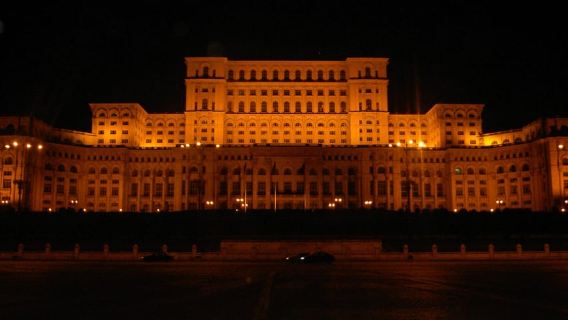
Palace of Parliamentis located on a hillside in the southwest of Bucharest. The architectural design and construction of The Council's Tower were completed entirely by Romanians, with most of the building materials and furniture produced domestically. Standing 12 stories tall, it is a testament to the superb architectural skills of the Romanian people, regarded as a crystallization of their diligence and wisdom, one of the largest buildings in the world, and considered one of the country's greatest buildings of the 20th century.Bucharest · 1.2 km from downtown

King Mihai I Park
King Mihai I Park is named for the flocks of seagulls that can be seen there. King Mihai I Park has a lakeside fitness trail that is approx. 7 km long. Every morning and evening, you can see locals coming here to exercise, making it very lively. The bars and restaurants along the lake are also very popular. Choosing to listen to music, dine, and enjoy the view here is a great way to relax.Bucharest · 5.1 km from downtown

Therme Bucuresti
Therme BucurestiThis is a leisure and relaxation-themed tourist attraction offering diverse hot spring experiences. Visitors can enjoy different water temperatures in multiple hot spring pools while soaking in the tranquil atmosphere. The facility features saunas and steam rooms, providing various relaxation options. The spa services combine modern techniques with traditional methods, offering massages, facials, and other treatments perfect for visitors seeking rejuvenation. For families, there's a dedicated children's area with safe play facilities. Whether you're looking for personal relaxation or quality family time, this destination offers the perfect getaway.Balotesti · 19.9 km from Bucharest

Cismigiu Gardens
The Cismigiu Gardens are historic gardens in Bucharest, the capital of Romania, located in the heart of the city. The garden covers an area of about 16 hectares and is laid out in the style of an English garden, with winding paths, carefully manicured flower beds, large lawns and many rare tree species. The artificial lake in the center of the garden is a highlight, which turns into an ice rink in winter. The garden also often hosts various cultural events and festivals, providing visitors with a rich cultural experience. The Cismigiu Gardens is not only a place for leisure and entertainment, but also a treasure trove of history and culture. It provides residents and tourists in Bucharest with a quiet place to escape the hustle and bustle of the city, while also showcasing Romania's horticultural art and cultural heritage. Whether strolling, sightseeing or participating in cultural activities, the Cismigiu Gardens provide visitors with an unforgettable experience.Bucharest · 1.5 km from downtown

Youth Park
Youth Park is located in the south of Bucharest, Romania, and is one of the city's important urban green spaces. It covers a vast area and was designed by architect Valentin Donose to provide leisure and entertainment space for residents in the south of Bucharest. The park features lakes, walking paths, playgrounds, and multi-functional sports facilities. A notable highlight is the Sala Polivalentă, one of the largest indoor multi-functional venues in Bucharest, which frequently hosts concerts, sports events, and cultural activities. The Children's Town in the southeast corner of the park is a popular destination for families, featuring amusement rides such as a carousel and a mini train. In 2013, the park underwent renovations, adding open-air bars, leisure areas, and a beautiful dancing fountain, further enhancing the visitor experience. Whether you are seeking natural tranquility or participating in various activities, Youth Park is an urban oasis in Bucharest that you should not miss.Bucharest · 2.1 km from downtown

Alexandru Ioan Cuza Park
Alexandru Ioan Cuza Park is a popular city park in Bucharest that attracts visitors with its vast green areas and rich leisure facilities. The park is large and has several lakes, which are suitable for boating and bird watching. The winding paths are perfect for walking, jogging and cycling, and the tree-lined paths provide a pleasant environment. The park has a children's playground, sports fields and a fitness area, which are suitable for family tourists and sports enthusiasts. In summer, the park often hosts open-air concerts and cultural events, providing visitors with a variety of entertainment options. The lakeside benches and picnic areas are ideal places to enjoy an afternoon. In terms of transportation, the park is located in the city center and is easily accessible by public transportation. Visitors can easily reach it by metro or bus. There are many cafes and restaurants nearby for convenient dining.Bucharest · 4.2 km from downtown

Parcul Drumul Taberei (Park Camp Road)
Parcul Drumul Taberei (Park Camp Road), located in Bucharest's western district, serves as a vital venue for community leisure and public activities. Centered around expansive green spaces, trails, and open spaces, the park offers a tranquil environment ideal for strolling, jogging, and family activities. Children's play facilities and rest areas are permanently located within the park, allowing families to enjoy the outdoors. Sports enthusiasts also enjoy a variety of activities, including informal ball games and fitness areas. The park's design integrates nature and the city, creating a harmonious urban park atmosphere with the surrounding scenery and pedestrian flow, becoming an integral part of community life. Beyond leisure activities, Parcul Drumul Taberei also serves a cultural and social purpose, hosting regular events and exhibitions for residents to promote neighborhood exchange and public participation. Visitors can experience the tranquility and natural beauty of an urban green space and appreciate the openness and inclusiveness of urban public spaces.Bucharest · 5.6 km from downtown

The Triumphal Arch
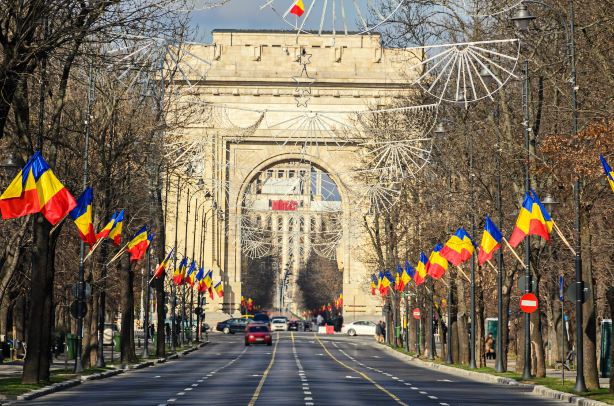
Bucharest, Romania's The Triumphal Arch is a monument symbolizing national unity and historical victory. This arch was built in 1922 to commemorate the country's unification after World War I, originally as a temporary wooden structure. Over time the temporary arch gradually succumbed to the elements, and between 1935–1936 it was redesigned and rebuilt by the renowned architect Petre Antonescu into the stone and concrete form that stands today. The Triumphal Arch is approx. 27m high, with a base plan of approx. 25 × 11.5m. The exterior walls are decorated with reliefs, bronze plaques, and royal symbols, including statues of King Ferdinand and Queen Marie, as well as themes of battle and unification. On December 1, Romania's national day, large military parades and celebrations are often held here. Today, The Triumphal Arch is not only a popular photo spot for visitors but also a symbol of the nation's historical memory and identity. It is open to visitors at certain times, and on special occasions its rooftop platform may be opened to the public to offer panoramic views of Bucharest.Bucharest · 4.9 km from downtown

Children's Town Bucharest
Children's Town Bucharest is a family-friendly amusement park designed specifically for children in Bucharest, Romania. The park offers a variety of attractions, including carousels, slides, and climbing frames, creating a safe and fun environment for children. In addition to the rides, the park also features green spaces and picnic areas where parents can relax and spend quality time with their children. The neat, tree-lined trails are perfect for strolling, providing a comfortable space for relaxation. The park also regularly hosts children's theater performances and craft workshops, encouraging creative activities and fostering their imagination and hands-on skills. Children's Town Bucharest is conveniently located in the city center, with numerous bus routes nearby. Visitors are advised to check opening hours and event schedules in advance to better plan their itinerary.Bucharest · 3 km from downtown

Grigore Antipa National Museum of Natural History
Grigore Antipa National Museum of Natural History is a museum that integrates science, education, and culture, dedicated to showcasing the diversity of the natural world and human exploration of nature. As a natural history museum, it not only houses a rich collection of biological specimens but also provides visitors with a window to gain an in-depth understanding of life on Earth. The museum is renowned for its extensive collection, covering various fields from paleontology to ecology. Exhibits include exquisite animal specimens, fossils, minerals, and ecosystem models, vividly showcasing Earth's biodiversity and evolutionary history. Notably, the museum features a special exhibition area dedicated to the history and impact of the theory of evolution. In addition to static exhibits, the museum offers interactive experiences and educational programs suitable for visitors of all ages. Through multimedia displays and hands-on activities, visitors can better understand natural phenomena and scientific principles, thereby sparking an interest in science and a spirit of exploration. It is not only a treasure trove of knowledge but also a venue that inspires curiosity and awareness of nature conservation. Whether you are a science enthusiast, a student, or a family visitor, it offers a wealth of knowledge and a unique experience, making it a must-visit destination for exploring the mysteries of nature.Bucharest · 3.3 km from downtown
Experiences you can't miss in Bucharest
Featured Day tours in Bucharest
View all Day tours
4.6/5
· 841 reviews· 252 bookedFree cancellation
From€30.62

Free cancellation
Book now for today
5% off
Limited-time sale
From€328.42€345.71

Free cancellation
Book now for tomorrow
5% off
Limited-time sale
From€31.08€32.72
Free cancellation
Book now for today
5% off
Limited-time sale
From€124.15€130.69
5.0/5
· 1 reviewFree cancellation
Book now for today
5% off
Limited-time sale
From€53.28€56.09


4.8/5
· 288 reviews· 60 bookedFree cancellation
Book now for today
35 consecutive positive reviews
5% off
Limited-time sale
From€15.62€16.45

5.0/5
· 4 reviews· 45 bookedFree cancellation
64 travelers saved
From€62.23
Featured Cultural experiences in Bucharest
View all Cultural experiences
Free cancellation
Book now for today
20% off
Limited-time sale
From€6.39€7.99

4.6/5
· 24 reviewsFree cancellation
Book now for tomorrow
5% off
Limited-time sale
From€7.69€8.1

5.0/5
· 20 reviewsFree cancellation
Book now for today
From€344.51
4.4/5
· 60 reviewsFree cancellation
Book now for today
5% off
Limited-time sale
From€30.40€32

5% off
Limited-time sale
From€36.10€38

5.0/5
· 1 reviewFree cancellation
Book now for today
5% off
Limited-time sale
From€42.75€45

5.0/5
· 7 reviewsFree cancellation
Book now for today
5% off
Limited-time sale
From€47.40€49.9
Free cancellation
Book now for today
5% off
Limited-time sale
From€44.40€46.74
Featured Food & drink in Bucharest
View all Food & drink


Free cancellation
Instant confirmation
From€89.00

5% off
Limited-time sale
From€44.24€46.57

4.9/5
· 157 reviewsFree cancellation
Book now for today
100 consecutive positive reviews
5% off
Limited-time sale
From€68.63€72.25

Free cancellation
Book now for tomorrow
5% off
Limited-time sale
From€47.95€50.48

4.9/5
· 188 reviewsFree cancellation
Book now for tomorrow
93 consecutive positive reviews
From€73.72

5.0/5
· 1 reviewFree cancellation
Book now for today
From€85.00
Featured Outdoor experiences in Bucharest
View all Outdoor experiences
5.0/5
· 4 reviewsFree cancellation
Book now for today
5% off
Limited-time sale
From€266.43€280.46
4.9/5
· 370 reviewsFree cancellation
Book now for today
98.1% of travelers recommend
From€152.91

From€398.32

4.6/5
· 8 reviewsFree cancellation
Book now for tomorrow
From€280.58

5.0/5
· 2 reviewsFree cancellation
Book now for today
5% off
Limited-time sale
From€48.31€50.86
Free cancellation
Book now for today
5% off
Limited-time sale
From€46.54€48.99
More things to do
Private Tours in Bucharest
View More Private Tours in Bucharest



Group Tours in Bucharest
View More Group Tours in Bucharest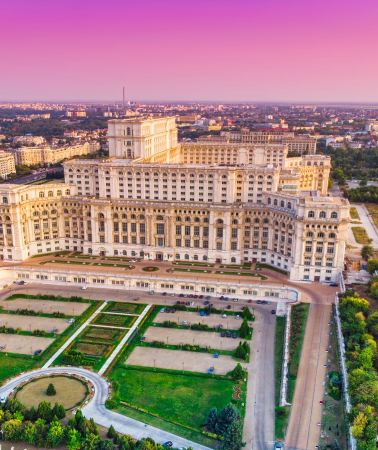
Free things to do in Bucharest
What travelers say about Bucharest

独行黑泽明September 26, 2026
5.0
Standing on the exterior, the first impression is one of overwhelming grandeur. As the world's second-largest administrative building, its massive scale stretches across the city, seemingly endless, imposing and imposing.
Stepping inside, one is greeted by a breathtaking array of local marble, colossal crystal chandeliers, towering columns, and long, empty corridors. The halls are opulently lavish, their spaces far beyond imagination, each decoration a testament to the staggering human and material resources invested. Yet, beneath this opulence evokes a complex sense of history: this colossus was built during the Ceausescu era, draining the nation's coffers, at the cost of countless ordinary people, while its builder never truly used it, completing it only after the fall of his regime—a stark reminder of the era's absurdity.
Palace of Parliament

TimentoDiverOctober 24, 2023
5.0
King Mihai I Park, also known as Herăstrău Park, is a serene oasis in the heart of Bucharest, offering a delightful escape from the urban bustle. Its expansive green lawns, picturesque lake, and charming walking trails provide a perfect setting for relaxation and outdoor activities. The park's meticulously maintained gardens and the majestic Village Museum are simply enchanting. Whether you're strolling along the waterfront or having a picnic, Herăstrău is a beautiful, rejuvenating gem in the city.
King Mihai I Park

_TI***8cDecember 2, 2024
5.0
Great way to relax for a day with a group of friends or as a couple. We spent an entire day relaxing by the pool as well as having fun on the slides.The park is divided into a few areas, a water park with slides accessible by both adults and kids. A main heated pool (quite shallow so you can't really swim) with a bar; an outside area with warmer water with some jacuzzi and sitting area as well as saunas and sun beds surrounding the main pool in an upper area. We went in the winter but apparently there are more outside areas during the summer! Overall it was a great time, unfortunately we were not able to get the massage even though we started queuing for it at 9:10 (it opens at 9). I would definitely recommend getting to the upper part to queue for it early to avoid disappointment. The water park area can get quite busy especially from the morning to noon, we managed to try all the slides but had to go on the popular ones later at night when there are less kids.There is also a restaurant and cafe in the park with a good selection of Asian cuisine, fast food and local cuisine with good dietary options. Some of the food were a bit dry but the vegan curry and the BBQ ribs were delicious. Unfortunately they do not offer alternative milk option with the coffee.I would say the ideal itinerary is to do relaxation, saunas and the main pool between morning and late afternoon and then do the water slides at night time when there is essentially no queue.
Therme Bucuresti

Martínez07November 19, 2025
5.0
Nice place for relaxing walk Good access from metro M2 station Constantin Brancoveanu Free public toiletsSkatepark and football club Reserve atleast 60 minuts for a walk throughProbably much more in the summerPlenty of footpaths so easy access to any place
Youth Park

Bucur LucianJune 2, 2022
5.0
cel mai tare loc în care sa te plimbi și sa te relaxezi!
Alexandru Ioan Cuza Park

WB2021December 4, 2021
4.0
Nothing much in the area but interesting to see this monument in a roundabout.
The Triumphal Arch

