



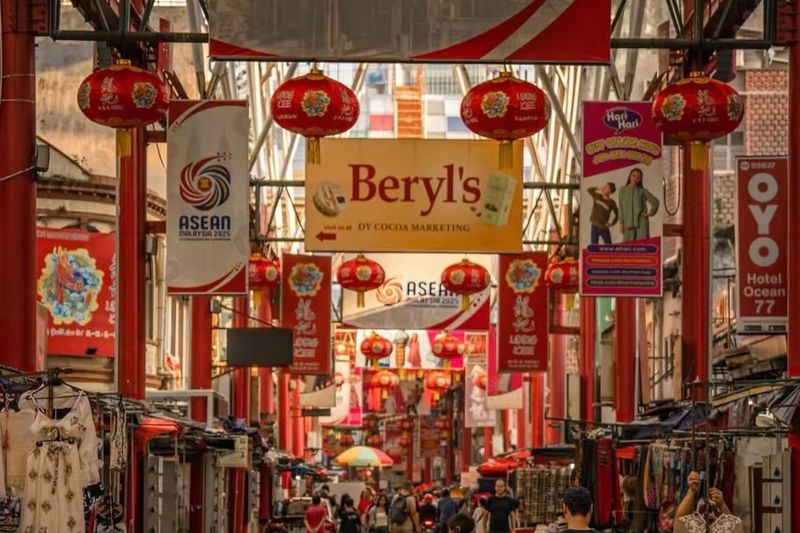
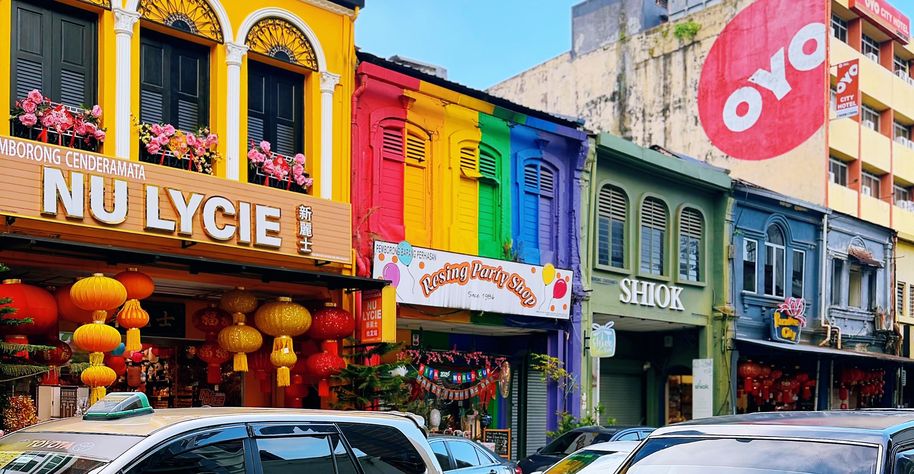
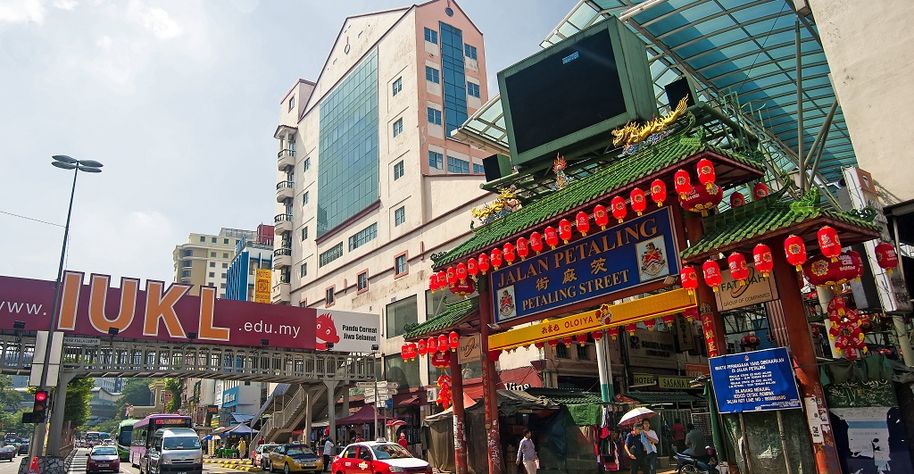
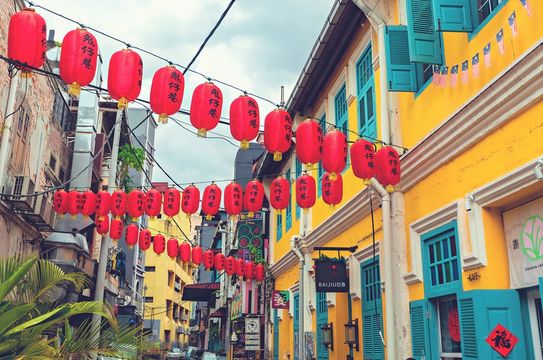
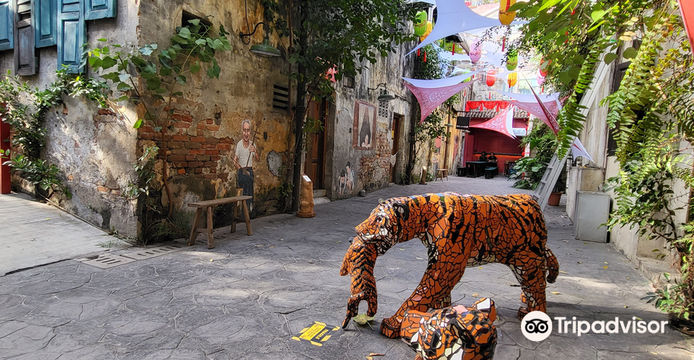
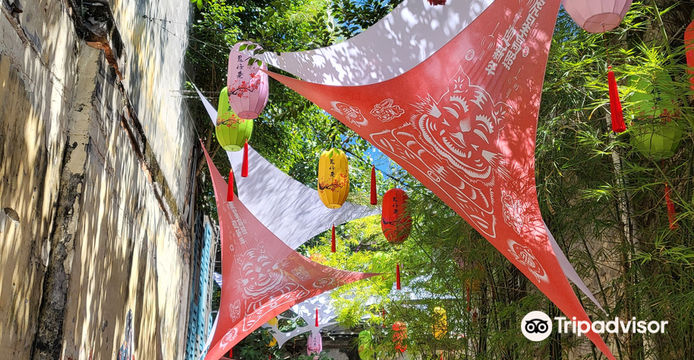

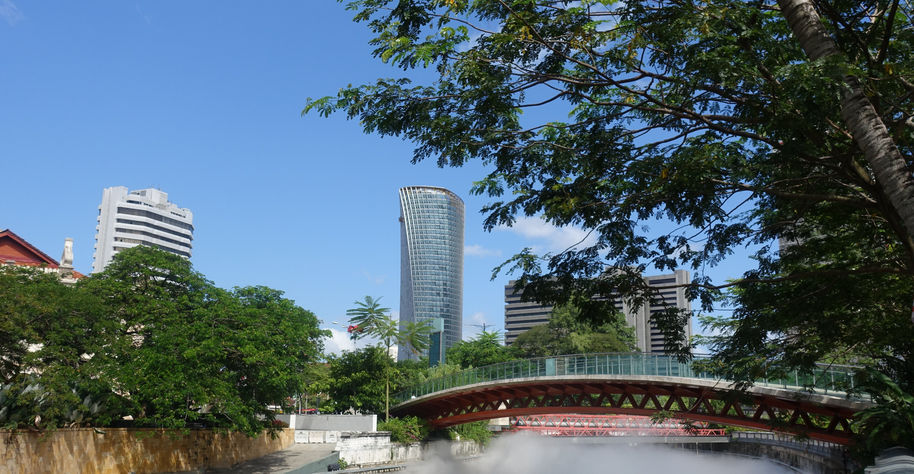

▲ In the early days, Kapitan Yap Ah Loy of Kuala Lumpur established a tapioca processing factory on Petaling Street, at the current location of Hong Leong Bank, to grind tapioca (cassava) flour for export. The business failed and closed two years later, leading the local Chinese community to commonly refer to this street as "Chee Chong Kai" (Tapioca Factory Street). In 1888, the construction of Central Market (now known as Central Art Market) spurred commercial activity in the area, attracting many businesses to relocate nearby. At that time, a********shelter stood in front of the present-day Chan She Shu Yuen Clan Association, accommodating newly arrived laborers from China. Before being recruited by mine owners to work in the mining areas, these laborers often moved around Chee Chong Kai, contributing to the street's bustling atmosphere.

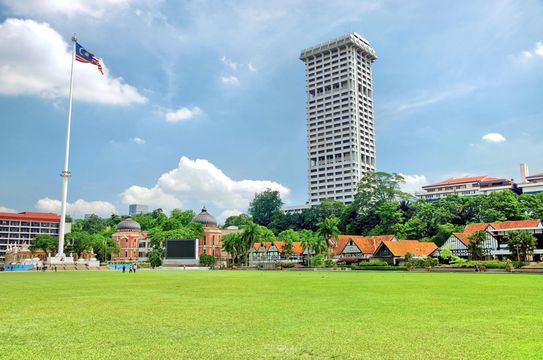
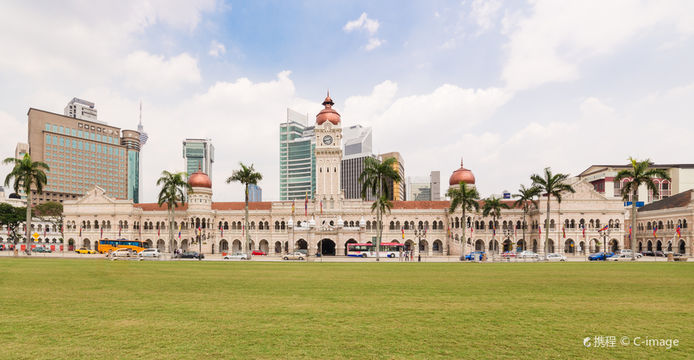
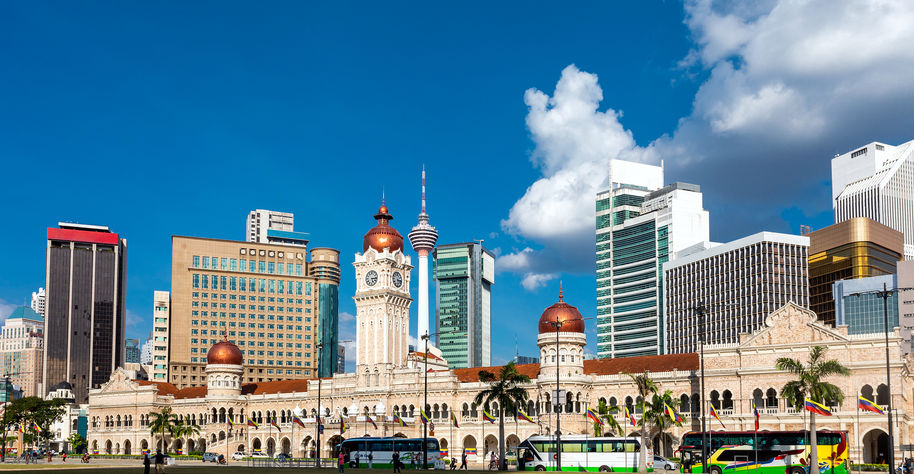
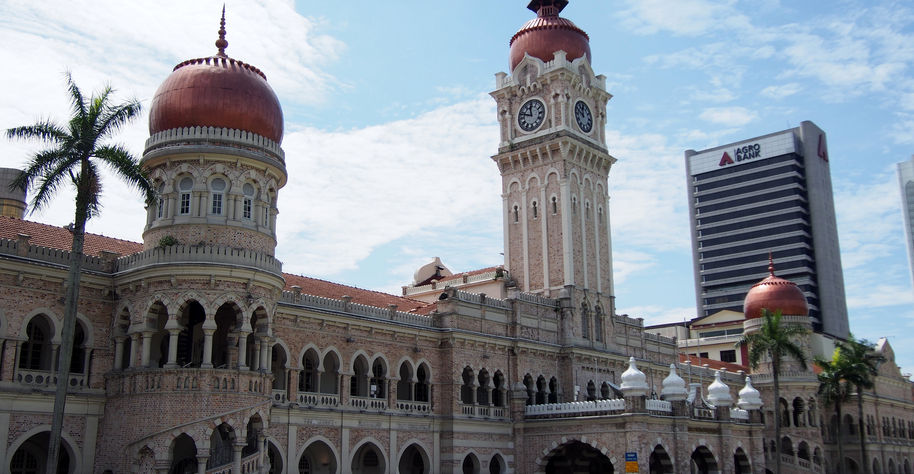
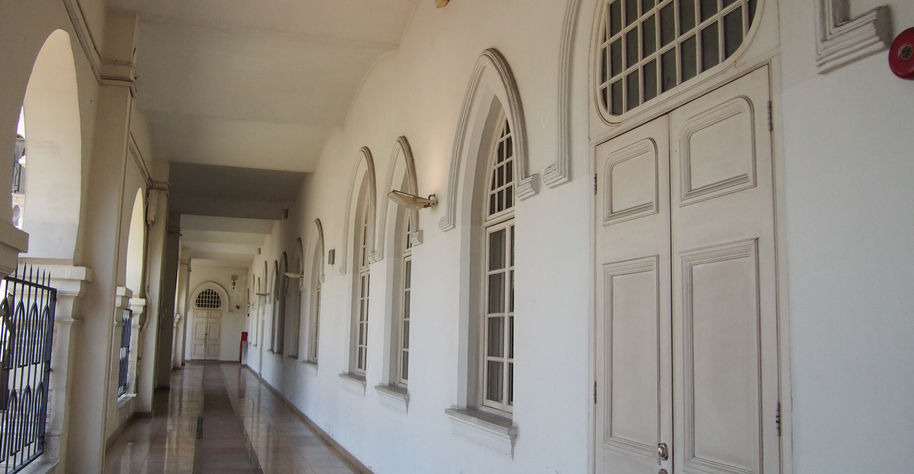
▲ Built in 1897, the Sultan Abdul Samad Building is the most important landmark in Kuala Lumpur's Old Town and served as the administrative center during the British colonial period. The entire building combines Moorish, British, and Indo-Saracenic architectural styles, giving Kuala Lumpur an exotic charm.

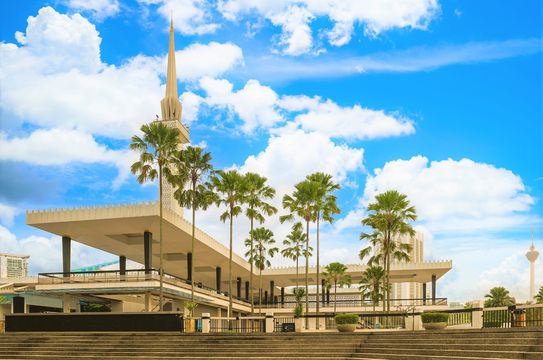
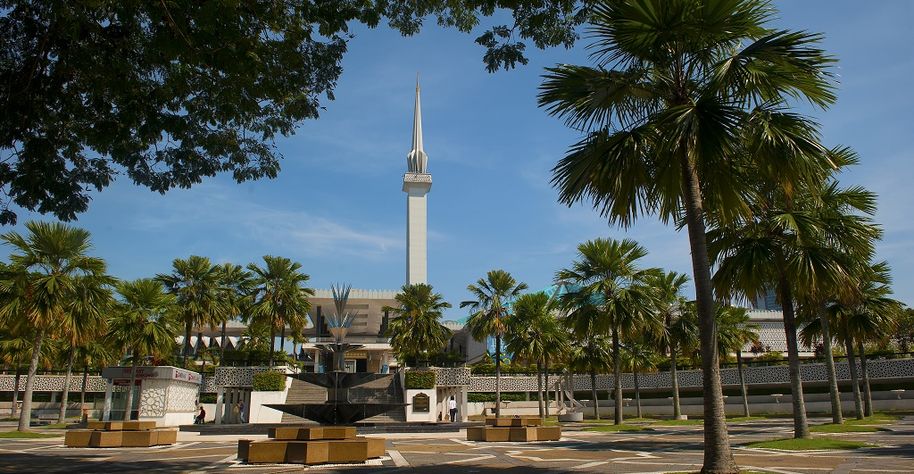
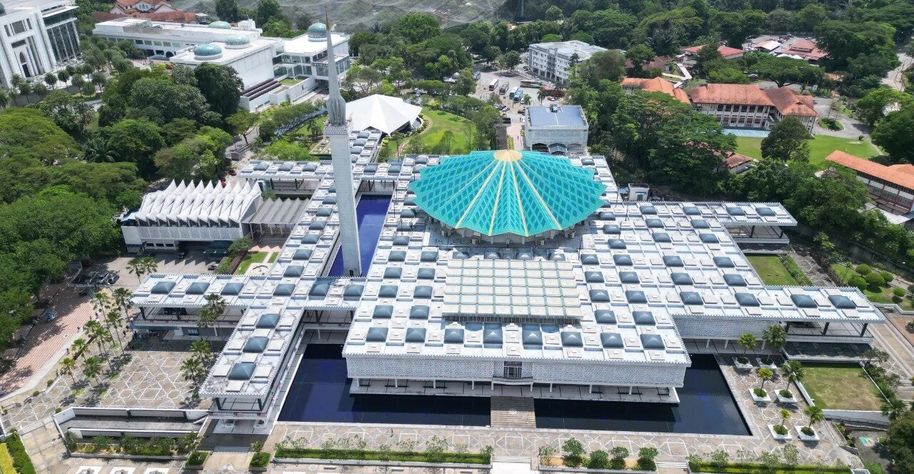
▲ The National Mosque of Malaysia, located in the federal capital Kuala Lumpur, is the country's national mosque. It can accommodate up to 15,000 worshippers. The mosque was built on the site of a former Christian church. Construction began in 1957 and was completed in 1965. Originally intended to be named after Malaysia's first Prime Minister Tunku Abdul Rahman, he declined the honor and instead proposed naming it "National" to commemorate Malaysia's peaceful independence.


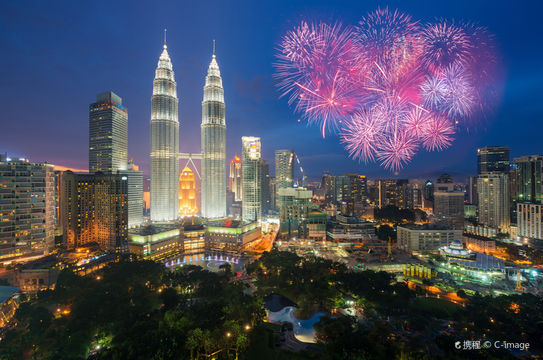
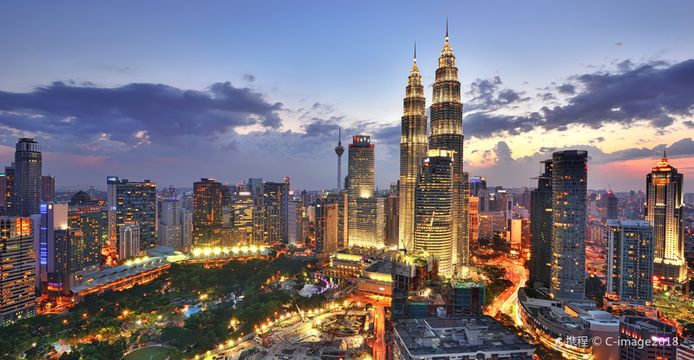
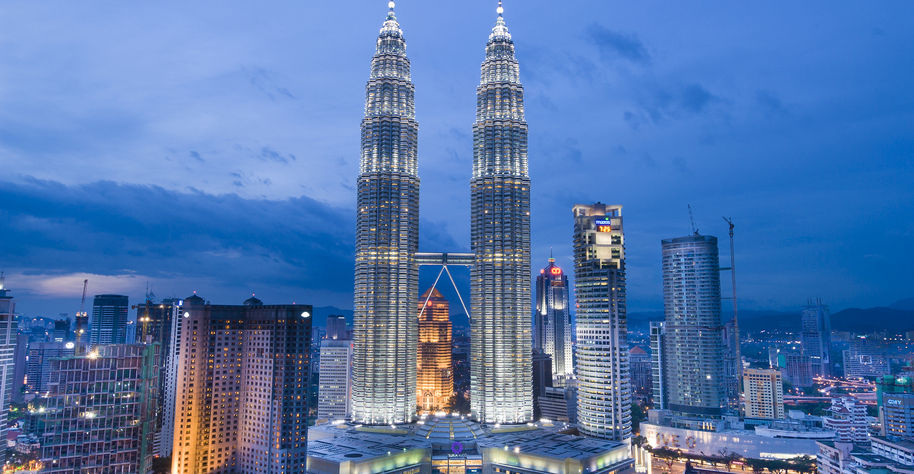
▲ When visiting Kuala Lumpur, Malaysia, there's one attraction you can't miss - the iconic Petronas Twin Towers. Standing at 451.9 meters tall with 88 floors, these twin towers remain the world's tallest twin towers and a landmark of Kuala Lumpur.

▲ Kuala Lumpur Railway Station, built in 1910, is another historic building deeply influenced by Moorish architecture. Designed by renowned architect Arthur Benison Hubback, its majestic arched columns, domes, and ancient-inspired minarets with glazed tiles create a Byzantine fairy-tale atmosphere. The station underwent major renovations in 1986 to provide passengers with comfortable air conditioning and modern facilities.