Gansu

Things to do in Gansu

Search attractions or local attractions & tours
Search

Explore top experiences

Top 10 attractions in Gansu

View all Attractions
Mingsha Mountain And Crescent Spring
2026 Asia 100 - Best Things to Do

Mingsha Mountain And Crescent Spring

8.8
4.7/5
40.6k reviews

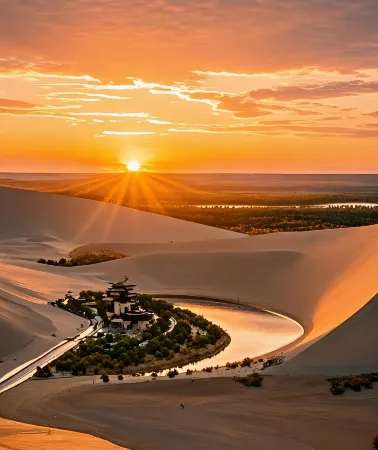
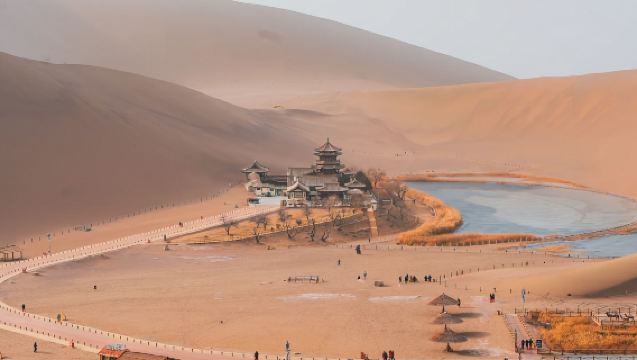
Mingsha mountain and crescent spring is located south of Dunhuang city, where sand dunes and springs coexist. It has long been renowned as a "desert wonder" and is one of Dunhuang's iconic attractions. Here you can climb Mingsha mountain to overlookCrescent moon springYou can also enjoy the desert sunset at the mountain top and experience the vast desolation of the northwest desert. Although traditionally as incompatible as fire and water,Crescent moon springYet it stands serenely amidst these sand dunes.Crescent moon springLocated at the foot of Mingsha Mountain and surrounded by sand dunes, due to the terrain, when the wind blows, the sand doesn't move downhill but flows upward instead.Crescent moon springNever buried by sand, it is hailed as the "eye of the desert". The Mingsha Mountain is formed by accumulated flowing sand, presenting a spectacular view of undulating dunes from afar. It's recommended to visit the attraction in the afternoon to avoid the midday desert heat and to climb to the summit at sunset for a distant view of the sand sea and the area below the mountain.Crescent moon springEnjoy the beautiful sunset. The attraction currently offers various entertainment options such as camel riding, sandboarding, grass skiing, desert motorcycles, archery, and helicopter tours. Among these, camel riding and sandboarding are particularly popular with visitors and are worth experiencing. After entering the attraction, visitors can climb the Mingsha Mountain directly. After enjoying the scenery, they can choose to slide down the sandy slope. When descending from the summit, you'll hear a "dong-dong-dong" sound resembling drums and gongs, creating a thrilling yet exciting experience. This is how Mingsha Mountain got its name.

China · Dunhuang
Zhangye Colorful Danxia Scenic Spot
No. 7 of Best Things to Do in Northwestern District of China

Zhangye Colorful Danxia Scenic Spot

8.7
4.7/5
36.3k reviews

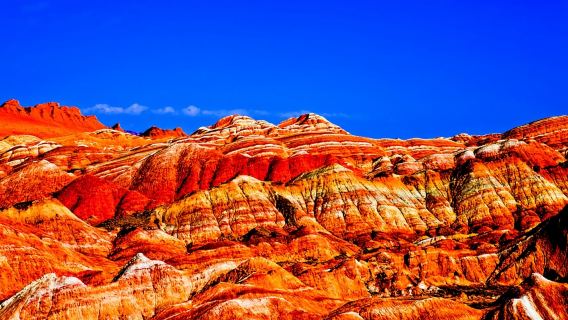
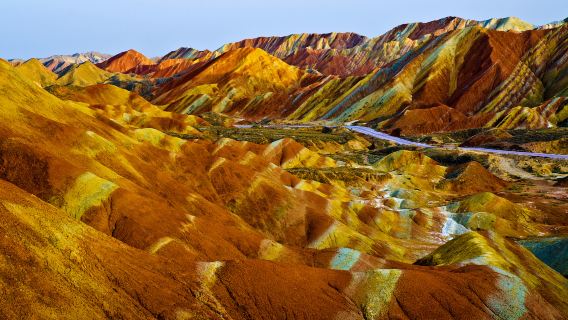
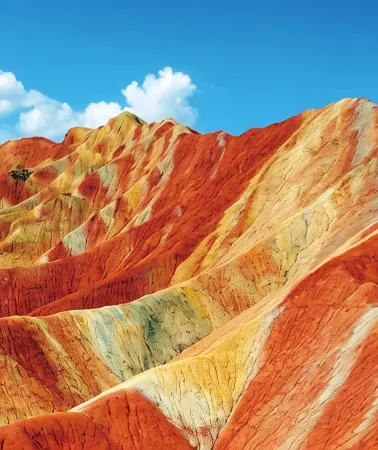
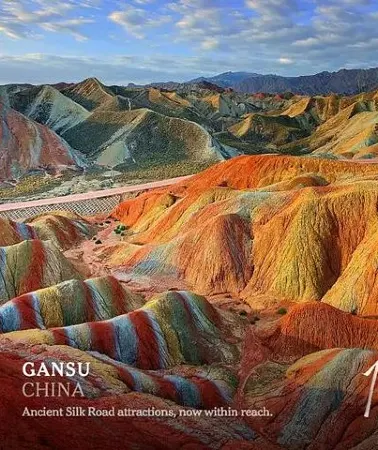
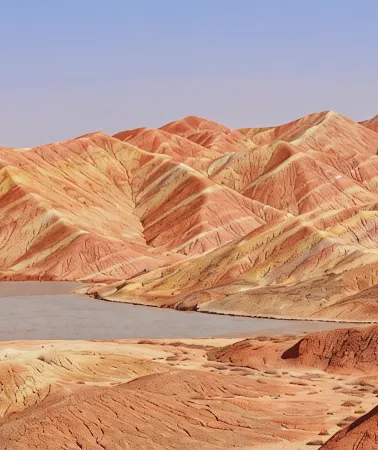
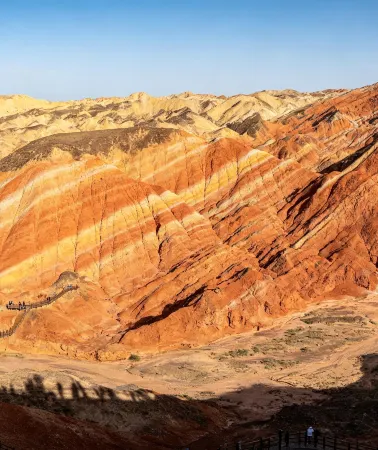
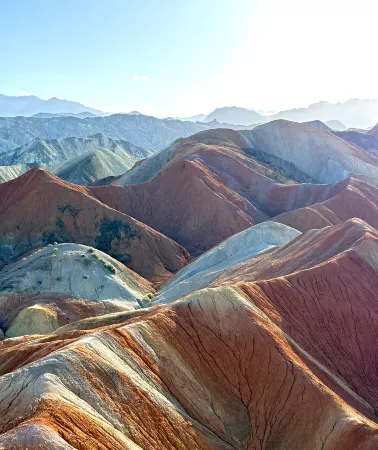
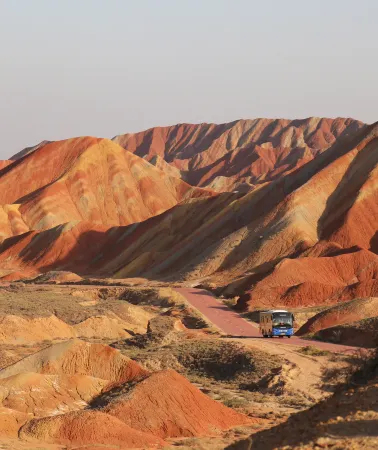
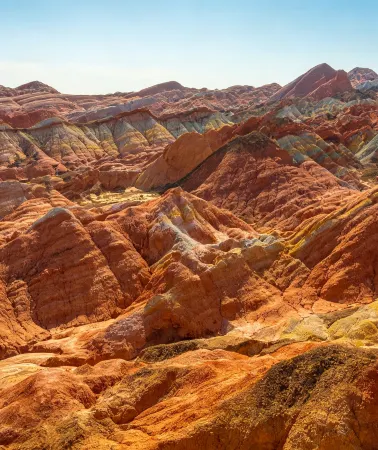
Zhangye Colorful Danxia Scenic Spot is located in Linze and Sunan counties at the northern foot of Qilian Mountain. The attraction is 40 km east of Zhangye city and 20 km north of Linze county. Covering a total area of 50 sq km with 4 sq km accessible to visitors, it's currently recognized as a UNESCO Global Geopark and a national 5A-level tourist attraction. The attraction features seven viewing spots, including Colorful Cloud Sea, Colorful Fairyland, Colorful Splendor, Colorful Rainbow Glow, Crouching Tiger Gorge, Colorful Ao River, and Wanxiang Earth Forest Valley, along with over 30 scenic views such as Dragon Playing with Fire (colorful hills), Monkey Gazing at the Sea, Turtle Asking the Sky, Golden Toad Seeking the Way, Giant Scallop, Colorful Screen, Sleeping Beauty, and Crouching Tiger. It is a highly integrated area of colorful hills and Danxia landforms. The colorful hills amaze visitors with their vibrant hues, intricate layered patterns, majestic scale, and breathtaking vistas. The Danxia landform area of Wanxiang Earth Forest Valley features towering peaks resembling a forest, with a harmonious yet dramatic arrangement of sparse and dense formations. These extraordinary shapes, carved by nature's artistry, combine grandeur, peril, wonder, elegance, and serenity in one spectacular landscape. After being promoted to a national 5A-level attraction and global geopark, Zhangye Colorful Danxia Scenic Spot aims to become an international travel destination. By deeply exploring and optimizing regional cultural resources, the scenic spot will leverage its unique tourism assets and cultural heritage to transform into a western China-based international resort with scientific research appeal. Centered around colorful hills and Danxia landforms, it highlights the aesthetic and scientific value of geological resources while prioritizing their protection and development. The composite attraction primarily offers geological sightseeing and recreation, complemented by cultural experiences, folk customs, and leisure vacations.

China · Zhangye
Lanzhou Danxia Geological Park
No. 1 of Family-friendly Attractions in Gansu

Lanzhou Danxia Geological Park

8.1
4.5/5
3.7k reviews

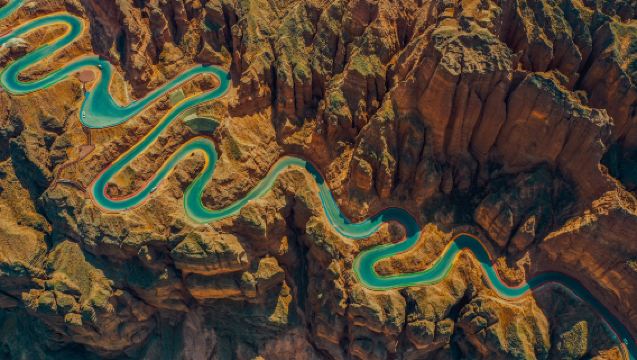
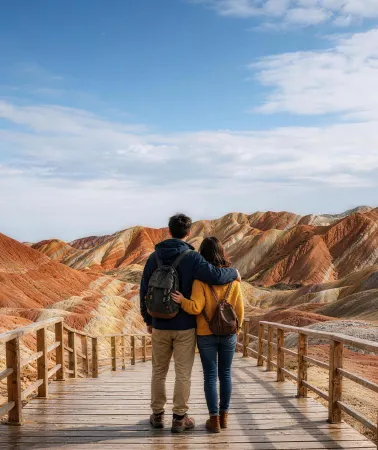
Lanzhou Danxia Geological Park is a key cultural tourism project in Gansu Province and a comprehensive cultural tourism initiative prioritized by the Lanzhou Municipal Committee and Government. Located by the Yellow River, the park is just 13 km from downtown Lanzhou and 30 km from Lanzhou Zhongchuan International Airport, making it one of the closest Danxia landform clusters to a major urban center in China. With a total planned area of 400 sq km and a core visiting area of 25 sq km in its first phase, it ranks among the largest discovered landscapes of its kind in the country. The park primarily features red mountain bay formations, along with spectacular Danxia cliffs, isolated peaks, secluded valleys, narrow gorges, and balancing rocks. Its colorful mountains set against winding waterways create a masterpiece of Danxia landform scenery. The attraction features seven viewing platforms showcasing the Danxia landforms: Silk Road Glow, Silk Road Eagle, Flying Apsaras Exploration, Nine-Colored Danxia, Danxia Reflecting Sky, Emerald Peaks Rippling Sky, and Danxia Summit Scenic View. It also includes the Ancient Silk Road Gateway, Shajing Tribe Cultural Square, Desert Bells Scenic Boulevard, and a 2,550m Danxia boardwalk viewing area. As a key cultural tourism project in the province, Lanzhou Danxia Geological Park adheres to the principles of "ecological protection, green development, preserving original features, and moderate development." Leveraging Lanzhou's unique resource advantages and focusing on the domestic tourism market, it aims to cultivate new growth drivers for Lanzhou's cultural tourism industry and establish a new highland for cultural tourism in the city.

China · Yongdeng
Jiayuguan Guancheng
No. 4 of Best Things to Do in Gansu

Jiayuguan Guancheng

8.1
4.5/5
17.9k reviews

Jiayuguan Guancheng is located in the western section of the Ming Great Wall and was first built during the Ming Dynasty. Upon entering, you will first see the Heishan stone carving group, a collection of stone carvings replicated by modern stonemasons that showcases the history and culture of Jiayuguan. The stone carving group consists of seven parks available for visiting: the Celebrity Inscription Park, the Ancient Poetry Park, the Chronicle Park, the Story Park, the Guerrilla General Stone Carving Park, the Wei and Jin Brick Mural Stone Carving Park, and the Heishan Stone Carving Park. Continuing forward, you will see the Jiayuguan Great Wall Museum, a museum dedicated to the history and culture of the Great Wall, displaying the history, culture, artifacts, and scenery of the Great Wall and Jiayuguan. Proceeding further ahead brings you to the western core area. Before entering Jiayuguan Guancheng, you can first visit the Jiayuguan Cultural Relics Scenic Area - Jiuyanquan Lake on your left. "Jiuyan Spring"Beside it, the water and grass are abundant and the scenery is pleasant, making it a good place in ancient times for stationing troops, raising horses, and guarding the frontier against threats. The currentJiuyan SpringThe water ripples in emerald waves, so clear you can see the bottom."Jiuyan Spring” lies in its tranquility, unruffled by waves. The pass city is divided into an inner city and an outer city, with three main large gate towers. On the walls, there are also structures such as arrow towers, watchtowers, corner towers, pavilions, and sluice gate towers. Inside the pass city, there are the Youji General's Mansion, Jiayuguan Guancheng Scenic Area - Well Pavilion, and Jiayuguan Guancheng Scenic Area - Wenchang Pavilion. Outside the east gate, there are the Jiayuguan Guancheng Scenic Area - Guandi Temple, memorial archway, and opera tower, each with its own history and characteristics, worth visiting one by one. Climbing onto the wall and gazing into the distance, the Qilian Mountains stretch continuously afar, and the vast Gobi grassland lies beneath your feet, evoking a sudden sense of historical solemnity.

China · Jiayuguan
Mogao Grottoes
2026 Asia 100 - Best Things to Do

Mogao Grottoes

8
4.4/5
11.1k reviews

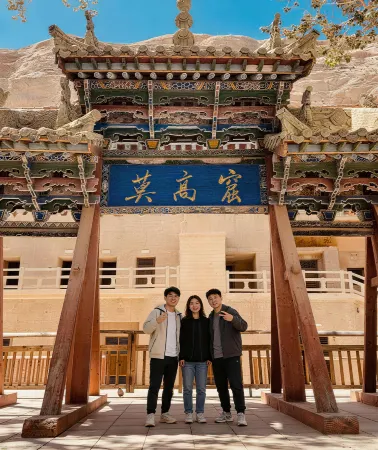
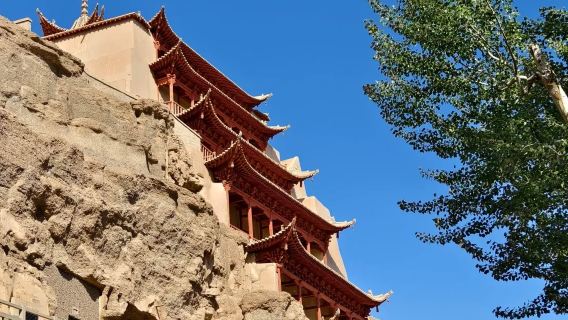
The Mogao Grottoes, also known as the Grottoes of a Thousand Buddhas, are located southeast of Dunhuang city. Construction of the Grottoes began during the Eastern Jin and Sixteen Kingdoms period and continued for over a thousand years until the end of the Yuan Dynasty. Boasting a vast collection of murals, grottoes, and artifacts, it is a world-renowned Buddhist art site. Here, visitors can admire the magnificent and richly detailed grottoes and murals, and learn about the thousand-year history of Buddhism in Dunhuang through buided commentary tours and films. It is a must-see for visitors visiting Dunhuang. The current Mogao Grottoes attraction consists of two parts: the Mogao Grottoes Digital Exhibition Center and the Mogao Grottoes themselves. A combo ticket is available for both; tickets are not sold separately. Since September 11, 2014, the attraction has implemented a reservation system. visitors must book admission ticket in advance by phone or online and visit according to their reserved time slot. The daily limit is 6,000 visitors. After making a reservation and collecting their tickets, visitors must first go to the Mogao Grottoes Digital Exhibition Center (they cannot go directly to the grottoes, otherwise they will not be allowed entry) to watch two 20-minute films about the Mogao Grottoes. One film, "A Thousand Years of Mogao," introduces the history and culture of the Mogao Grottoes, helping visitors gain a deeper understanding. The other film, "Dreamy Buddhist Palace," is a dome-screen movie showcasing many grottoes that are currently not open to the public, and it is very impressive. After watching the film, take the attraction 's shuttle bus to the grottoes. buided commentary are available, and buided commentary enter the attraction in groups to explore the grottoes, typically visiting 8-10 grottoes at a time, with each visit lasting about an hour. The Mogao Grottoes are renowned for their murals and sculptures, which are truly magnificent. Inside the grottoes, you'll find paintings of Buddhas, flying apsaras, musicians, and fairies everywhere, ranging from towering nine-story seated statues to tiny bodhisattvas just a few centimeters tall. There are quantity statues in various forms, and you can learn more about them with the buided commentary. After the tour, take the attraction shuttle bus back to the digital exhibition center near the train station to conclude your visit.

China · Dunhuang
Zha Ga Na
No. 1 of Night Attractions in Gansu

Zha Ga Na

7.7
4.3/5
4.3k reviews

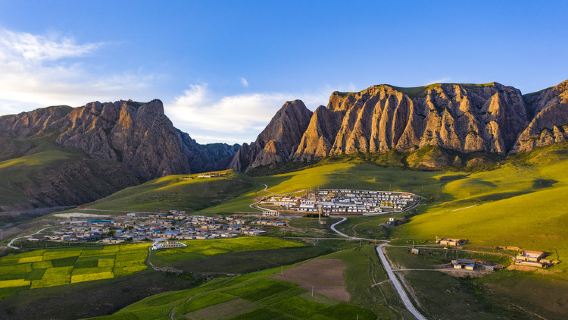
Zha Ga Na, also known as Zha Ga La, is located in Yiwa Town, Diebu County, Gannan Tibetan Autonomous Prefecture. In Tibetan, the name means "stone box." Surrounding limestone cliffs enclose the area like natural city walls, and Tibetan-style wooden houses are arranged in tiers along the slopes, forming a unique stone-city Tibetan village view. In the 1920s, the Austrian-American botanist and explorer Joseph Rock visited and stayed here many times, marveling that it resembled "the birthplace of Adam and Eve." Zha Ga Na consists of four natural villages arranged sequentially from bottom to top—Dongwa Village, Yeri Village, Dari Village, and Daiba Village—connected by a winding road. At the entrance of Dongwa Village at the foot of the mountain stands a massive rock known as the Great Stone Gate, and the small hillside beside it is a vantage point for capturing low-angle panoramic shots of the village built along the mountain. At the higher elevation of the village sits Lasang Temple, a Gelug Tibetan Buddhist monastery originally built during the Shunzhi era of the Qing Dynasty, with its assembly hall and Guanyin Hall nestled among the rocky peaks. Following the road upward to Yeri Village, Tibetan villagers can often be seen working in the open highland barley fields nearby, and the village also has a "Rock's Cabin" homestay where visitors can stay. Continuing upward past Dari Village, there is a viewing platform with an expansive field of view that overlooks the entire village and the full face of the cliff behind it—the ancient wooden roofs and earthen-wall buildings are clearly layered within the surrounding precipices, making it an ideal spot for panoramic photography. In the early morning, clouds and mist often swirl among the cliffs, while at night the sky is filled with brilliant stars—two of the most recognizable natural scenes here. A walk of about one hour up the mountain behind Dongwa Village leads to a hilltop temple, and the Tibetan-style houses passed along the way retain traditional mortise-and-tenon wooden structures. There is another hiking route of about two days behind the mountain leading to stone forests and alpine lakes, with pristine scenery along the way, suitable for outdoor enthusiasts; it requires one night of camping, and you can rent a horse in the village and hire a groom to guide the way.

China · Diebu
Gansu Provincial Museum
No. 2 of Family-friendly Attractions in Gansu

Gansu Provincial Museum

7.6
4.6/5
4k reviews

Gansu Provincial Museum is a large comprehensive museum centered on the civilization of the Silk Road. Located at a strategic point along the Silk Road and a convergence zone of Han and Tibetan cultures, its collections embody the diverse characteristics of the Central Plains, Western Regions, and the Tibetan Plateau. The three treasured artifacts—the Galloping Bronze Horse, the mural brick of a courier, and the painted pottery vase with a human-head-shaped mouth—serve as iconic representations of the museum. The museum has three floors, featuring permanent exhibitions on themes such as the civilization of the Silk Road, Buddhist art of Gansu, painted pottery of Gansu, paleontological fossils, and revolutionary Gansu. The Silk Road civilization exhibition on the second floor is the museum's centerpiece: the bronze galloping horse unearthed in 1969 from the Leitai Han tomb in Wuwei is displayed here. The horse has three hooves in the air and one stepping on a flying bird, standing steadily on a single hoof. Its image is now the symbol of Chinese tourism. In the same hall, the mural brick depicting a courier from the Wei-Jin tombs in Jiayuguan shows a messenger galloping on horseback, notably without a mouth, symbolizing the need for couriers to "keep their mouths shut." This pattern was later adopted as the emblem of China Post. The exhibition also features a procession of chariots and horses excavated from the same tomb as the bronze horse, along with Han and Tang dynasty silk textiles, gold and silver artifacts, making the prosperity of Silk Road trade vividly tangible. The Buddhist art exhibition hall on the third floor features replicas of caves from the Mogao Grottoes and Maijishan Grottoes, alongside statues, ritual objects, white pagodas, and prayer wheels from both Han and Tibetan Buddhism. Stepping into the hall feels like entering a temple, and this harmonious blend of Han and Tibetan styles is rarely seen elsewhere. On the same floor, the painted pottery exhibition showcases ceramics from cultures such as Dadiwan, Yangshao, and Majiayao, with intricate and fluid patterns like spiral and sawtooth designs. Among them, the painted pottery bottle with a human-head-shaped spout unearthed at Dadiwan in Qin'an, which integrates facial sculpture with the pottery vessel, is a highly popular exhibit. If you're interested in natural history, the paleontological fossils exhibition hall features the impressive skeleton of the Yellow River ancient elephant unearthed in Heshui, and the dinosaur fossils and reconstructed models are also popular with children. The revolutionary Gansu exhibition hall showcases historical artifacts and materials from periods such as the Nanliang base area and the Shaan-Gan-Ning border region, narrating the modern history of this land. The museum houses a large quantity of exhibits, and even a quick tour would take half a day. It's recommended to start with the Silk Road exhibition on the second floor, then proceed to the third floor for Buddhist art and painted pottery, following a logical route. In the exhibition halls, you can scan to listen to the audio guide, and at certain times, volunteers also provide guided explanations.

China · Lanzhou
Zhangye Giant Buddha Temple
No. 10 of Best Things to Do in Gansu

Zhangye Giant Buddha Temple

7.4
4.7/5
5.3k reviews

The Zhangye Giant Buddha Temple is located in the urban area of Zhangye. It was first built during the Yong'an era of the Western Xia Dynasty and has a history of over 900 years. The temple is renowned for housing one of China's largest indoor clay reclining Buddha statues, along with other distinctive ancient structures such as the earthen pagoda and the Shanxi Guild Hall, which are open for visits. Exhibitions inside the temple help travelers understand Buddhist art and the history of the Zhangye Giant Buddha Temple. As one of Zhangye's iconic attractions, it is a must-see for visitors to the city. The current site of the temple is not large, with a depth of approx. 200 m and a width of approx. 100 m. Visitors can enter from the western square and explore on foot. The main buildings open for visits, from west to east, include the Giant Buddha Hall, the Hall of Ten Thousand Saints (now the Buddhist Art Exhibition Hall), the Scripture Hall (now the Buddhist Texts Exhibition Hall), the earthen pagoda, and the Shanxi Guild Hall. A complete tour takes approx. 1–2 hrs. The Giant Buddha Hall is the temple's most significant structure and the highlight for travelers. It features one of China's largest indoor clay reclining Buddha statues, depicting the Nirvana of Sakyamuni. The statue measures 34.5 m in length and 7.5 m in shoulder width—so massive that a single finger can accommodate a lying person, and one ear can seat 10 people side by side. The hall also houses statues of the Ten Great Disciples and the Eighteen Arhats, along with exquisite murals depicting Journey to the West and the Classic of Mountains and Seas. The Hall of Ten Thousand Saints and the Scripture Hall, located in the central area, now serve as exhibition spaces for Buddhist art and texts, displaying sculptures, grotto statues, scriptures, and other artifacts. Notable among these is a collection of over 6,000 Buddhist scriptures personally bestowed by Emperor Yingzong of the Ming Dynasty, many written in pure gold, which are the temple's prized treasures. The earthen pagoda, standing over 30 m tall, is east of the Giant Buddha Hall. Its two-tiered base features four small pagodas on each level, adorned with exquisite carvings and housing solemn Buddha statues. The Shanxi Guild Hall, situated northeast of the temple complex, was originally a merchant guild hall during the Qing Dynasty. This typical northwestern residential courtyard features ancient architecture with intricately carved beams and painted pillars, exuding rustic elegance.

China · Zhangye
Mati Grottoes Tourism Area
No. 20 of Best Things to Do in Gansu-Qinghai Area

Mati Grottoes Tourism Area

7.3
4.6/5
2.7k reviews

The Mati Grottoes Tourism Area is located at the foot of the Qilian Mountains in Sunan Yugur Autonomous County, Zhangye. This grotto temple complex was first built during the Northern Liang period of the Sixteen Kingdoms and continued to be carved for over a thousand years. It was renamed Puguang Temple during the Yongle era of the Ming Dynasty and was historically renowned alongside the Mogao Caves in Dunhuang and the Yulin Caves in Guazhou as a major center of Buddhist art along the Hexi Corridor. The grotto complex consists of Shengguo Temple, Puguang Temple, the Thousand Buddha Caves, Jinta Temple, and the Upper, Middle, and Lower Guanyin Caves, with over 70 surviving cave niches. Early on, Han Buddhism flourished here, while Tibetan Buddhism gradually rose after the Yuan Dynasty. The coexistence of Han-style halls and Tibetan Buddhist temples on the same mountain is a distinctive feature that sets this grotto complex apart from most others. Legend has it that a heavenly horse left its hoofprint here, giving the mountain and temple their names. The deep hoofprint can still be seen on a bluestone slab in the Mati Hall today. The "Thirty-three heavens" grotto is the iconic view here: over 20 caves across seven tiers are carved into the steep red sandstone cliff in a pagoda-like formation, with halls and pavilions suspended layer by layer. All passageways are hewn into the rock—some so narrow and steep that only one person can pass at a time, requiring visitors to climb on hands and knees along zigzagging stone steps and wooden ladders. From the upper caves, one can overlook the river valley and grasslands at the foot of the Qilian Mountains. The grand Tibetan Buddha Hall, also called the Standing Buddha Hall, extends over 30 m deep, with niches densely lining its encircling corridor, most housing statues from the Yuan Dynasty. The Thousand Buddha Cave, an earlier-excavated section of the complex, preserves intact stone sculptures of one Buddha flanked by two disciples, while nearby cliffs feature extensive relief carvings of stone pagoda forests. The attraction stretches several km deep, with the main route connecting several areas including the "Thirty-three heavens" grottoes, King Gesar's hall and the Thousand Buddha caves, which are some distance apart. Taking the shuttle bus within the attraction will save energy, and walking through the main grotto areas generally takes approx. three hrs. King Gesar's hall features statues depicting the heroic tales of the Tibetan epic figure King Gesar, which can be viewed along the way. It's worth noting that many of the early statues and murals in the grottoes have suffered damage over time, and some of what we see today are later restorations. Rather than fixating on the original millennium-old artworks, it's better to focus on the experience of climbing the cliffside grottoes themselves, along with the Qilian snow-capped mountains, pastoral grasslands and rich Yugur ethnic culture.

China · Sunan

Traveler favorites curated for you

Experiences you can't miss in Gansu

Featured Day tours in Gansu

View all Day tours
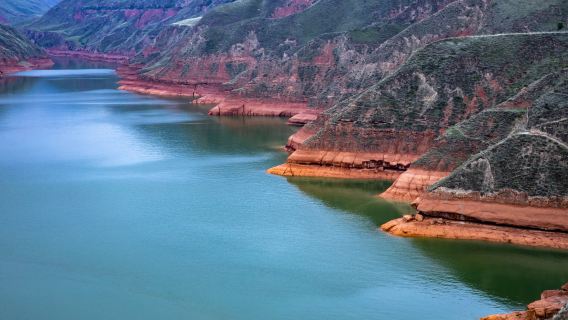
One-day tour from Lanzhou to Bingling Cave-Temple Complex, Liujiaxia, and the Yellow River-Tao River confluence
󱌍
Duration: 8 hrs
English
Free cancellation
Instant confirmation
Book now for tomorrow
From€41.81
Door-to-door pick-up and drop-off service | Dunhuang day trip | Sunset viewing at Yangguan Pass + Yumenguan Pass + Yadan Geological Park
󱌍
4.7/5
· 31 reviews· 191 booked
Duration: 8 hrs
English
Free cancellation
Book now for tomorrow
93.5% of travelers recommend
From€21.53
*Winter Special* Zhangye Colorful Danxia Scenic Spot & Pingshan Lake Grand Canyon One-Day Tour
󱌍
4.8/5
· 13 reviews· 101 booked
Duration: 8 hrs
English
Free cancellation
Instant confirmation
Book now for tomorrow
From€61.94
One-Day Group Tour from Lanzhou: Ink Danxia, Liujiaxia, and Bingling Cave-Temple
󱌍
3.9/5
· 9 reviews· 82 booked
Duration: 5.5 hrs
English
Free cancellation
Instant confirmation
Book now for tomorrow
From€65.50
Jiayuguan Guancheng + The Great Wall pier + Hanging Great Wall day tour. Majestic pass reflects snow, beacon pier on sheer cliffs
󱌍
5.0/5
· 1 review
Duration: 5.3 hrs
English
Free cancellation
Instant confirmation
Book now for tomorrow
From€44.91
[Winter Special] Zhangye Colorful Danxia & Mati Temple One-Day Tour | Explore Geology and Encounter Buddhist Caves
󱌍
4.4/5
· 10 reviews· 84 booked
Duration: 7 hrs
English
Free cancellation
Instant confirmation
Book now for tomorrow
From€56.98
Lanzhou ink danxia half-day tour 'small group of up to 8 people for genuine fun, door-to-door pickup, optional time slot'
󱌍
4.9/5
· 62 reviews· 360 booked
Duration: 4.8 hrs
English
Free cancellation
Book now for today
96.8% of travelers recommend
From€15.67

Featured Culture & history in Gansu

View all Culture & history
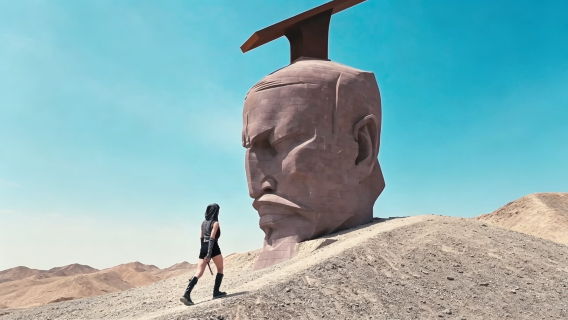
Dunhuang 1-day tour●The Western Thousands Buddha Grottoes + Yangguan + Yumen Pass + Silk Road ancient city●Private charter private tour
󱌍
From€27.12
Dunhuang 1-day tour●Tombs of Western Jin Dynasty + Suoyang City + Yulin Grottoes + The Giant Baby●Private charter private tour
󱌍
From€27.12
Dunhuang Western Thousand Buddha Caves, Yumen Pass, Yardang National Geopark One-Day Tour
󱌍
Duration: 7 hrs
English
Instant confirmation
Book now for tomorrow
From€105.98
Dunhuang photo experience in Gansu (costume rental + gilded exotic style + desert atmosphere photography + distant camel bells)
󱌍
From€21.26
Dunhuang costume rental experience in Gansu (Mingsha mountain and crescent spring + desert costume change experience + dream of Dunhuang)
󱌍
From€21.26
[Depart from Lanzhou] Liujiaxia and Bingling Temple Day Tour: Private Transfer Service
󱌍
Duration: 5 hrs
English
Instant confirmation
Book now for tomorrow
From€151.39
Jiayuguan Guan City and The Overhanging Great Wall Scenic Spot Private Day Tour: Flexible Departure Time!
󱌍
From€211.95

Featured Outdoor & sports in Gansu

View all Outdoor & sports
Dunhuang UNESCO Day Tour | Silk‑Road Museum Culture or Desert Sunset Adventure
󱌍
From€141.06
Dunhuang Private Day Tour: Mingsha Mountain & Crescent Moon Spring (Including Encore Dunhuang Performance)
󱌍
Duration: 3.5 hrs
English
Free cancellation
Instant confirmation
Book now for tomorrow
From€79.90
Dunhuang highlights one-day private chartered tour
󱌍
Duration: 7 hrs
English
Free cancellation
Instant confirmation
Book now for tomorrow
9% off
Limited-time sale
From€52.25€58.05
[Departing from Lanzhou] Gannan Labrang Monastery + Sangke Grassland + Sangke Wetland Park One-Day Tour
󱌍
Duration: 11.5 hrs
English
Free cancellation
Instant confirmation
Book now for tomorrow
From€60.39
Dunhuang private tour: Cultural heritage city, Yangguan and Dunhuang Yardang National Geopark
󱌍
Duration: 7 hrs
English
Free cancellation
Instant confirmation
Book now for tomorrow
9% off
Limited-time sale
From€71.26€79.17
Private chartered tour to Yellow River Stone Forest + Yinmagou Canyon Chartered tour(departing from Lanzhou)
󱌍
Duration: 6 hrs
English
Free cancellation
Instant confirmation
Book now for tomorrow
9% off
Limited-time sale
From€38.52€42.79

More things to do

Private Tours in Gansu

View More Private Tours in Gansu
Group Tours in Gansu

View More Group Tours in Gansu
Free things to do in Gansu

What travelers say about Gansu

user-avatar
野蛮驴友November 16, 2026
5.0
The best tourist attractions in Northwest China, although lacking the massive concerts, still offer a great experience for visitors to enjoy themselves with the music! Camel riding, sandboarding, and dune buggy rides are all fantastic experiences!

Mingsha Mountain And Crescent Spring

user-avatar
_GG***92November 15, 2026
5.0
The layers, colours and formations of Zhangye Danxia are the result of millions of years of natural geological processes, creating a landscape that almost doesn’t look real.Visiting in late autumn has its perks too. The temperatures may be freezing, but the quieter season means fewer crowds and a more peaceful experience taking it all in.

Zhangye Colorful Danxia Scenic Spot

user-avatar
green_glassNovember 14, 2026
5.0
The shuttle bus to Shuimo Danxia is so convenient! The half-day tour is perfectly timed, allowing enough time to explore the scenic area without missing a visit to the Gansu Provincial Museum in the afternoon. The price is reasonable, and I've recommended it to my friends.

Lanzhou Danxia Geological Park

user-avatar
球场上的3号November 14, 2026
5.0
As one of the most famous tourist attractions in Northwest China, Jiayuguan is of great significance for understanding history. Having withstood the changes of the times, it remains well-preserved and is truly worth a visit!

Jiayuguan Guancheng

user-avatar
AngelCLNovember 15, 2026
5.0
Understanding the art forms of those that came before has truly been an enriching experience. Despite being one of the first groups to enter, the crowds were building and difficult to fully immerse in the experience. So note that the 8-caves tickets allows one to visit 8 random caves based on the guides selection. Our selection included caves that varied in size, styles and state of preservation.

Mogao Grottoes

user-avatar
游客11111111November 16, 2026
5.0
Pingshan Lake Grand Canyon is another must-visit destination in Zhangye besides the Rainbow Mountains. Its main focus is the "canyon adventure" experience, allowing you to walk to the bottom of the canyon yourself, rather than just standing on a viewing platform and gazing into the distance.

Pingshan Lake Grand Canyon

user-avatar
lup***ngNovember 15, 2026
4.0
The room view is really great. It's on a high elevation with a large window and a mountain view opposite. The only downside is that after one person finishes showering, you have to wait for almost half an hour before the next person can shower.

Zha Ga Na

user-avatar
玖恩judyOctober 31, 2026
5.0
The Gansu Provincial Museum is an absolute must-see during your trip to Lanzhou! The museum's collection is breathtakingly rich, especially the painted pottery exhibition hall. The patterns from thousands of years ago still possess a remarkable beauty, a testament to the wisdom of the ancients. Of course, the most unmissable exhibit is the museum's crown jewel, the "Flying Horse of Gansu" (bronze galloping horse). Seeing it in person is a truly awe-inspiring experience that pictures can't capture. The row of adorable terracotta figurines is also incredibly photogenic. The entire visit is both educational and entertaining, and with free reservations, it's excellent value. I highly recommend setting aside half a day for a leisurely exploration, and definitely hire a guide or rent an audio guide – it will elevate your experience significantly!

Gansu Provincial Museum

user-avatar
M22***50November 11, 2026
5.0
On our second day in Zhangye, we visited the Giant Buddha Temple. We hired a guide who explained the temple's history, architecture, and collections, which we found very worthwhile. The temple itself isn't large, but it's clean, tidy, and well-managed. 👍

Zhangye Giant Buddha Temple

user-avatar
_We***90November 8, 2026
5.0
Thank goodness the weather was perfect; it snowed the day before we went. The mountain scenery, the snowscape, and the grottoes blended together beautifully. The scale of the grottoes exceeded our expectations. We didn't have time to climb the Thousand Buddha Temple later. I'll definitely come back next time! ✅ The climb itself was a process of spiritual practice, and the beautiful scenery along the way cleansed my soul. A place I must visit in this lifetime.

Mati Grottoes Tourism Area

Trip Moments in Gansu

Frequently asked questions

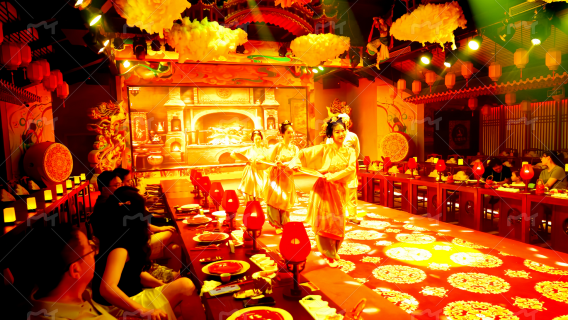
You can give Gansu Dunhuang Shan Bureau Han-Tang palace feast (distinctive northwest meal + immersive ancient-style performance + optional costume and makeup experience) and Dunhuang singing sand mountain desert evening banquet (wild luxury desert dinner + dune sunset + wilderness ceremony + bonfire party) a try. Before you go, please check their opening hours and menus online. Reservations are recommended, especially during peak hours.

When choosing a tour, start with how much time you have and the kind of experience you're looking for. Trending options right now include One-day tour from Lanzhou to Bingling Cave-Temple Complex, Liujiaxia, and the Yellow River-Tao River confluence, Door-to-door pick-up and drop-off service | Dunhuang day trip | Sunset viewing at Yangguan Pass + Yumenguan Pass + Yadan Geological Park, and *Winter Special* Zhangye Colorful Danxia Scenic Spot & Pingshan Lake Grand Canyon One-Day Tour. Check the real-time availability and itinerary before you book.

As of November 17, 2026, the reference price for day tours and activities in Gansu is around EUR 15.67 – EUR 65.5. Rates vary by duration, group size, transportation, tickets, meals, and any special admission requirements. Before you book, please confirm the billing currency and whether the price is quoted per person or per group.

Get help anytime, anywhere within 30 secondsContact customer support

Change and cancellation policies vary by attractions and tours. Please check the product details page for more information.

Ticket prices may vary between weekdays and weekends, as well as during peak and off-peak seasons. When booking with Trip.com, you can also use Trip Coins to get extra savings. For more tips on booking discounted tickets, please visit Trip.com for the latest information.