OverviewReviewsWin PrizesTrip MomentsDetailsNearbyRecommended
Share to
Show all
Guanyin Hall
观音堂
4.4
4.7/5
111 reviews
Temporarily closed Opening hours of Guanyin Hall
Recommended sightseeing time: 1–2 hours
Address:
Changzhi, Shanxi, China
Map
Phone:Customer support: +86-355-3880990
Guanyin Hall attraction highlights
Some information may have been translated by Google Translate
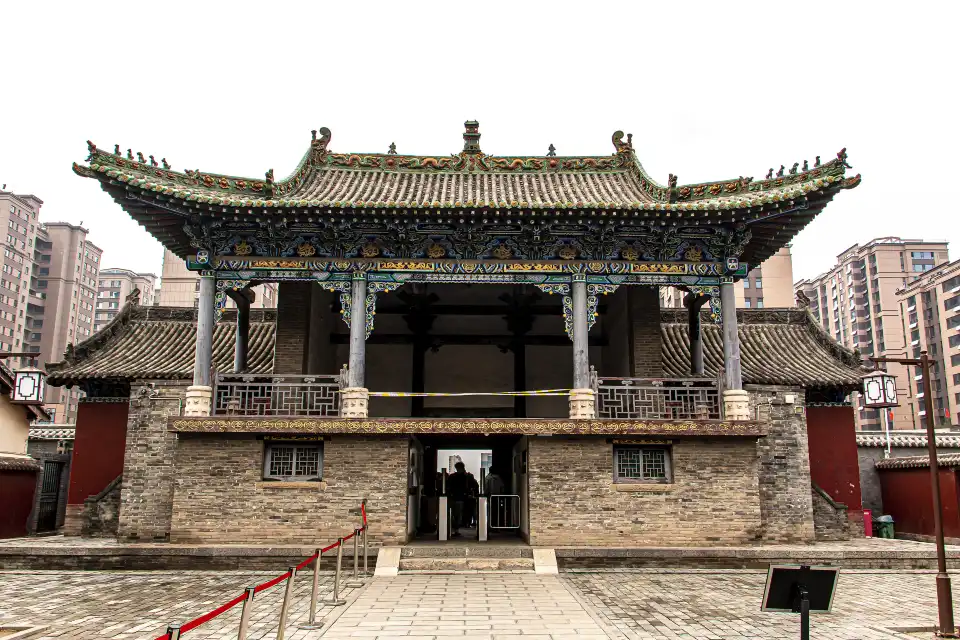
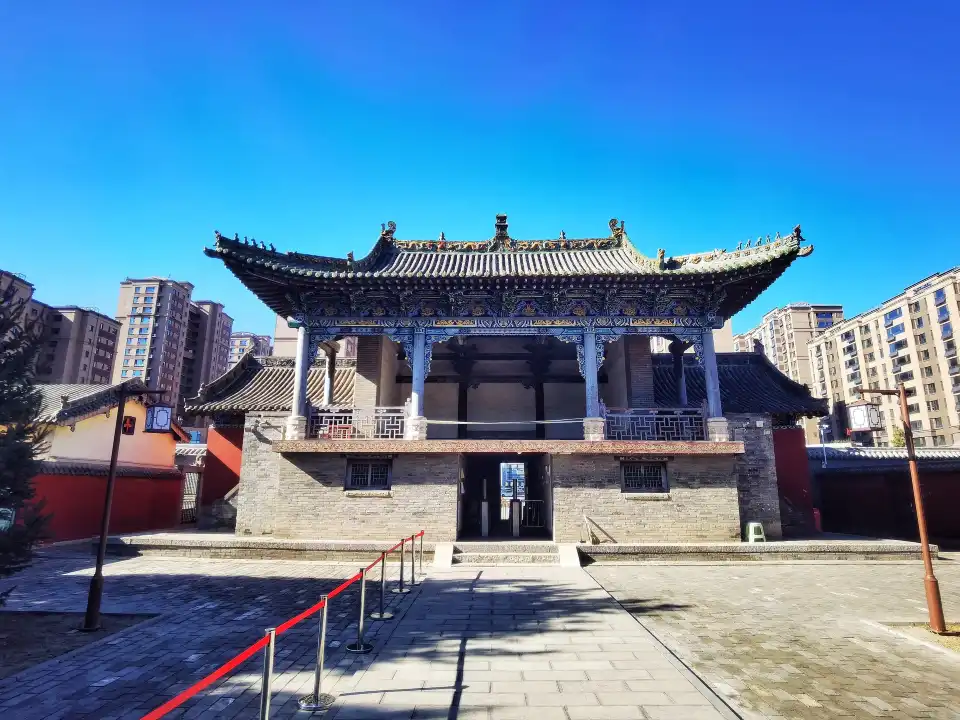
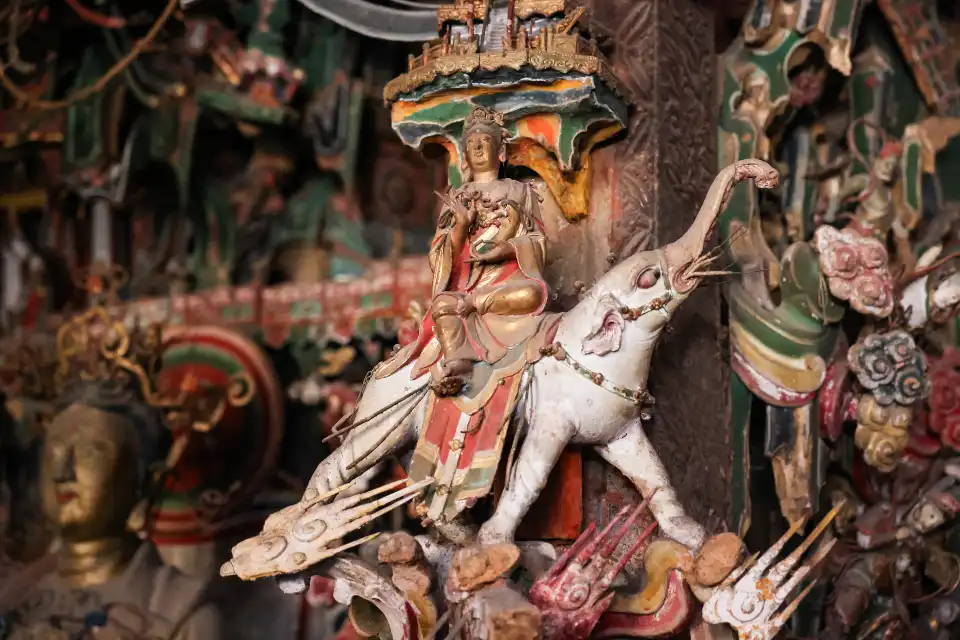
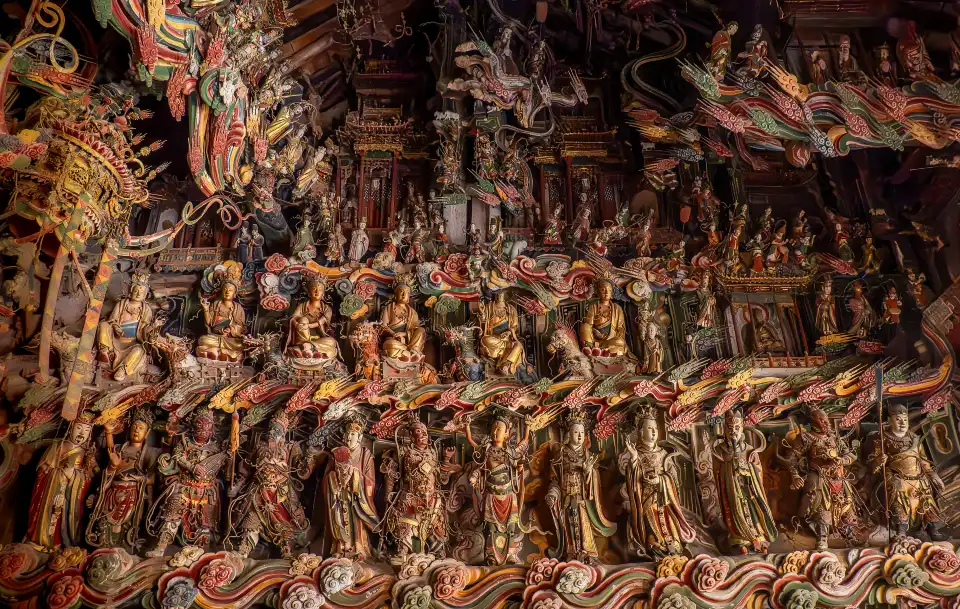
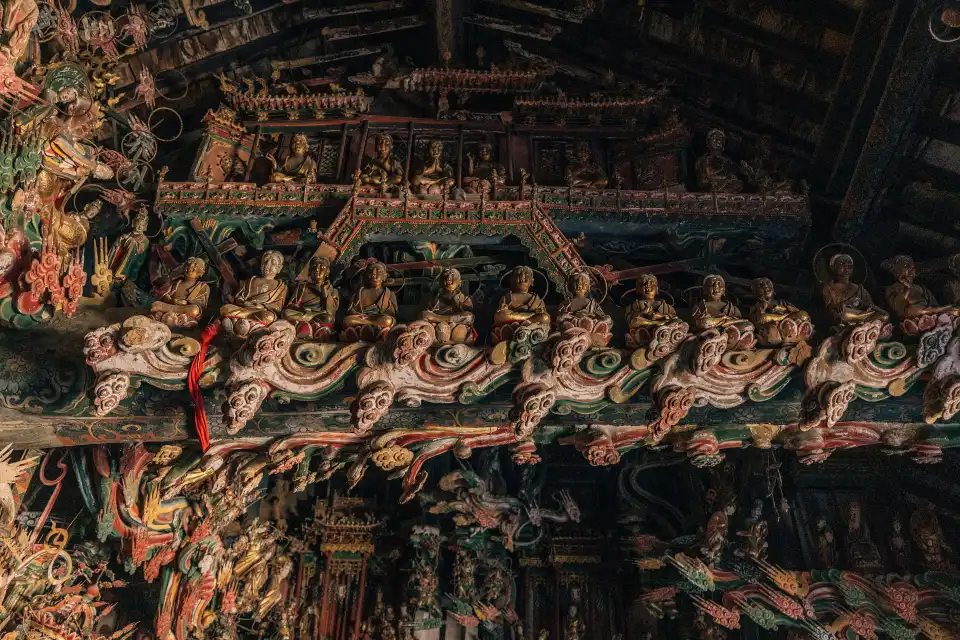
Guanyin Hall was founded in the tenth year of Wanli in the Ming Dynasty (1582 AD) and has a history of more than 430 years. It is a well-preserved temple in Changzhi City. In the main hall of the courtyard, the colorful sculptures and hanging sculptures with exquisite design, exquisite techniques and exquisite shapes have extremely high artistic value and historical value of cultural relics. The Guanyin Hall faces east to west, and there are two courtyards. On the central axis, there are Shanmen, Xiangting Pavilion and Guanyin Hall in sequence. The Bell and Drum Towers are located on both sides of the mountain gate, and the left and right side halls face each other. There is an ancient cypress tree in the courtyard, which has a history of thousands of years. What you see when you enter the door is not a temple, but a small mound. After crossing the arch bridge to the west and entering the middle door, there is an open space. Tianwang Hall is the front hall of Guanyin Hall. There are bell and drum towers on both sides, climb up the steps, climb the tower and overlook, and the four fields can be seen. Out of the Hall of Heavenly Kings is the side hall, and the rear hall is the Hall of Guanyin, also known as the Hall of Da Shi. The Guanyin Hall is three wide and two deep, with a single eaves hanging from the top of the mountain. Above the lintel, there is a plaque inscribed with three large gilt characters of "Guanyintang", which was inscribed by Gao Qin, the servant of the Ministry of War in the eleventh year of Wanli in the Ming Dynasty (1583 AD). The three walls and roof beams in the hall, as well as the tops of doors and windows, are all painted and painted clay sculptures and hanging sculptures. In the small three halls, there are about 500 statues, painted and hanging sculptures, and the three religions of Confucianism, Buddhism and Taoism are integrated.
Guanyin Hall Reviews: Insider Insights and Visitor Experiences
Write a review
Guanyin Hall Photos: Trip Moments
 Changzhi Guanyin Temple|See the “crown of suspended sculptures in China” for 10 yuan📍 Location Liangjiazhuang Village, Luzhou District (about 5 km northwest of downtown). The most reliable way is to take a taxi and navigate to “Changzhi Guanyin Temple.” By bus, take routes 1, 15, or 49 to Zhuoma West Street intersection, then walk a few hundred meters. 🎫 Tickets and hours Tickets cost 10 yuan. Students pay half price. Seniors and children enter free. Generally open 9:00 AM–6:00 PM (last entry at 5:30 PM). It’s recommended to call 0355-3880990 before your visit to confirm if the temple is closed for maintenance. 🏛 Highlights (mainly the Guanyin Hall) Originally built in the 10th year of the Wanli era (1582) of the Ming dynasty. The hall houses over 500 Ming dynasty painted and suspended sculptures. Confucianism, Buddhism, and Taoism coexist here—Shakyamuni, Laozi, and Confucius sit together on the beam. The three great Guanyin attendants, 18 Arhats, Eight Immortals, and 72 sages all fit within 60 square meters. Some sculptures are as small as 2 cm. Looking up at the ceiling is truly breathtaking 🤯 📸 Practical tips - Flash photography is prohibited inside the hall. Turn off your phone’s flash to take photos. Hiring a guide (about 20–30 yuan on site) is worth 10 times more than wandering on your own 🎙️ - Around 3:00 PM on sunny afternoons, sunlight slants through the windows, making the gold paint shine brightest. It’s quite dark inside on cloudy days - Wear soft-soled shoes. Don’t fully trust ride-hailing drop-off points on village paths; leave 5 minutes for walking - You can visit Changzhi City Museum or the old town nearby. Half a day is just right, no need for a separate trip A hidden gem with no crowds and incredible value. Don’t miss this stop if you love ancient architecture 💛Harris Michael 14

 I thought Xiaoxitian was stunning enough until I visited Guanyin Hall in Changzhi!😊 After visiting Xiaoxitian in Xixian County, I already felt it was beautiful and impressive, but recently I went to Guanyin Hall in downtown Changzhi, which was also very impressive and even fewer people know about it! 🥰 Highlights: Ming dynasty suspended sculpture art displayed to the fullest Masterpieces preserved in a small space 500 clay sculptures 🙏🏼🙏🏼 each uniquely different Every time you look up, there’s a new fascinating story 🚗 Location and transportation: Located in Liangjiazhuang Village, Luzhou District, Changzhi City Bus 56 🚌 to Zhuoma West Street stop, walk straight there 🎫 Ticket info: 10💰 ✨ Tips: Guanyin Hall scenic area is currently closed for maintenance. Please wait for the official reopening announcement before visiting!CYRUS LEONARD

 Changzhi Guanyin Hall|A Substitute for Xiaoxitian! A Millennium-Old Ming Dynasty Suspended Sculpture Art Hall at a GlanceMy friends all thought I went to Xiaoxitian?! Actually... I just couldn’t get tickets for Xiaoxitian 🤣 Then I discovered this hidden gem temple—Changzhi Guanyin Hall! I can’t help but marvel again: Shanxi’s vast land and rich resources are truly timeless! 💯 ✨【The Pinnacle of Suspended Sculpture Art】 Changzhi Guanyin Hall is known as "the last hall of ancient Chinese suspended sculpture art." This 16th-century Ming Dynasty temple definitely lives up to that title! The moment the Ming Dynasty wooden door slowly closed behind me, the light dimmed, and over 500 colorful Buddha statues appeared faintly in the weak light... Oh my! It really is a glimpse of a thousand years!! 🏛️【Quick Historical Overview】 Built in the 9th year of the Wanli reign of the Ming Dynasty (1581) 📍Location: Liangjiazhuang Village, northwest suburb of Changzhi City 💰Ticket: 10 RMB (so affordable!) ⏰Open: 9:00 AM - 5:00 PM (closed on Mondays) 🔍【Three Must-See Highlights】 1️⃣ "Buddha Kingdom in the Air" Suspended Sculpture Technique Ming craftsmen used red clay + wheat husks + hemp paper to create a floating Buddha world in the air! The flowing ribbons of the deities look like they might fly out any second~ 2️⃣ Live Show of the Three Teachings Combined Among the 500+ statues, you can find: ✔️ Buddhist Guanyin and Arhats ✔️ Taoist Twelve Perfect Enlightenments ✔️ Confucian Twenty-Four Heavenly Deities The Ming Dynasty’s idea of "Three Teachings in One" comes alive here! 3️⃣ A Paradise for Detail Lovers The necklace on Guanyin’s chest is as detailed as individual hair strands!! The expressions of the Eighteen Arhats are vivid like real people!! The gold lacquer on the Buddha niches still shines after 400 years!! 📸【Photo Tips】 🔸 Be sure to come in the morning! The slanting sunlight makes the gold leaf glow beautifully 🔸 Flash photography is prohibited inside (to protect the cultural relics~) 🔸 If focusing is difficult, try manual mode 💡【Visiting Suggestions】 ▫️ Reserve 2 hours for a thorough visit ▫️ Each statue has a different expression! Super interesting ▫️ Take extra photos when you find a good angle with sunlight There are far fewer people here than at Xiaoxitian!! No need to worry about crowds~ For just 10 RMB, you get to see such an amazing historic site. Shanxi really is a hidden treasure trove of cultural relics!! 👍Luna~Hayes1

 Changzhi's Hidden Gem: Stunned by the Hanging Sculptures at Guanyin HallWhile wandering through Changzhi, I stumbled upon a hidden, soul-soothing ancient temple! Tucked away in a village, Guanyin Hall is truly understated yet breathtaking. The modest hall is packed with Ming Dynasty hanging sculptures—layers of figures suspended between the beams and walls, arranged in a stunning, lifelike display. Hundreds of statues, each with unique expressions, are incredibly delicate and detailed. Despite the passage of centuries, they still retain a rustic, captivating charm. This is a rare example of ancient architecture that harmonizes Confucianism, Buddhism, and Taoism, with figures from all three traditions gathered together in a serene, solemn atmosphere. The temple is rarely crowded and free from commercial noise. It’s so quiet that standing there brings a profound sense of inner peace. Photography is prohibited inside the main hall, so you have to experience all the awe and beauty for yourself. The breathtaking sight you see with your own eyes simply cannot be captured in a photo. I was so happy with my stay at the Meilun Hotel in Changzhi this time. The environment was peaceful and comfortable, and it was incredibly convenient—located right across from Guanyin Hall. After a leisurely stroll through the temple, I could easily head back to the hotel to rest, fully immersing myself in the local life and ancient charm of this small city. It was such a delightful experience! If you're traveling to Changzhi, you must visit this hidden national treasure!3Brown_~Ava

 Three-Day Travel Guide for ChangzhiChangzhi, historically known as "Shangdang," is located on the southern foothills of the Taihang Mountains and is one of the important birthplaces of Chinese civilization. Here, you can find the magnificent landscapes of the "most exquisite section of the 800-li Taihang Mountains," as well as ancient temples, primitive villages, and revolutionary memories. This three-day guide will take you from the awe-inspiring Taihang Gorge to the tranquility of ancient architectural relics, from intangible cultural heritage crafts to authentic mountain flavors, immersing you in the "inner and outer mountains and rivers" of Changzhi! Day 1: Taihang Grand Canyon · Traverse the Most Beautiful Scar on Earth Theme: Hiking at Baquan Gorge + Exploring Hongdou Gorge + Camping under the Stars in the Canyon Morning: Baquan Gorge · Taihang Mountains Activities: Route A Hiking (Recommended): Take a boat into the valley → hike the zigzag plank road → ascend via the Sky City elevator → descend by cable car (about 4 hours, suitable for physically fit visitors); Route B Easy Tour: Take sightseeing bus + cable car + elevator, suitable for families or elderly. Tips: Entrance fee 100 RMB, sightseeing bus + boat + elevator + cable car combo ticket 180 RMB; enter the valley at 8 AM to avoid crowds, wear non-slip shoes (some plank roads are slippery). Noon: Canyon Farmhouse Cuisine · Taste the "Taihang Mountain Delicacies" Recommendation: "Taihang Renjia" farmhouse restaurant outside Baquan Gorge scenic area, must-try: Lucheng Shuai Bing: wafer-thin pancake rolled with donkey meat, served with garlic vinegar sauce; Shangdang Cured Donkey Meat: Changzhi intangible cultural heritage, firm texture, salty and slightly sweet; Wild Mushroom Soup: made with pine mushrooms and chicken mushrooms picked in the canyon, incredibly fresh. Afternoon: Hongdou Gorge · A Must-Visit "Valley of Love" for Couples Highlights: Named for the abundant yew trees, the gorge features spots like Qixianyu and Sandie Pool, said to be the love site of the Seven Fairies and Dong Yong. Walk along the stream, watch waterfalls cascade, and marvel at the strange rock formations—perfect for couples' photos. Activities: Lock "Love Locks": lock your love under the "Three Lives Stone"; Play in the Water and Stream: in summer, you can step in the water and catch small fish to cool off. Tips: Entrance fee 80 RMB, 15 km from Baquan Gorge, recommend charter or self-driving. Night: Canyon Camping · Watch the Milky Way Fall over Taihang Activities: Recommended campsite: "Starry Sky Camp" inside Baquan Gorge scenic area (tents and sleeping bags provided, 200 RMB/night); Stargazing Guide: after 10 PM when light pollution is minimal, use a star map app to find the Milky Way and Big Dipper; Bonfire Party: some campsites offer bonfires and folk music performances (advance booking required). Day 2: Ancient Architecture and Folk Customs · Feel the Historical Warmth of Changzhi Theme: Discover the Beauty of Faxiang Temple’s Polychrome Sculptures + Be Amazed by Guanyin Hall’s Hanging Sculptures + Visit the Lu’an Prefecture City God Temple Market Morning: Faxiang Temple · The "Eastern Smile" of Tang and Song Polychrome Sculptures Activities: Focus on the "Twelve Perfect Enlightenments": Bodhisattvas with flowing robes and downcast eyes, as if listening to worshippers’ prayers; Find the "Tang Dynasty Stone Lantern": unique stone lanterns inside the temple, known as "Everlasting Lamps." Tips: Entrance fee 30 RMB, 1-hour drive from Changzhi city center, opens at 9 AM with fewer visitors. Noon: Changzi Fried Pancakes · Savor the Carbohydrate Joy of Southeast Shanxi Recommendation: "Old Changzi Restaurant" near Faxiang Temple, must-try: Changzi Fried Pancakes: pancake strips stir-fried with bean sprouts and shredded meat, drizzled with garlic vinegar sauce, tangy and appetizing; Jutou Meat Jelly: boiled pig head meat chilled into jelly, served with garlic paste. Afternoon: Guanyin Hall · The "Buddhist Kingdom" of Hanging Sculptures Highlights: Built in the Ming Dynasty, the hall houses over 500 colorful and hanging sculptures on beams and walls, representing Confucianism, Buddhism, and Taoism coexisting. It is known as the "Museum of Chinese Hanging Sculpture Art." The 3-meter-high Guanyin statue with flowing ribbons seems ready to break through the wall. Activities: Count the Hanging Sculptures: find the smallest statue inside (only thumb-sized); Take Stunning Light and Shadow Photos: afternoon sunlight filters through the windows, casting mottled shadows on the sculptures. Tips: Entrance fee 20 RMB, 40-minute drive from Faxiang Temple, the hall is dimly lit, bring a flashlight. Evening: Lu’an Prefecture City God Temple · Explore the 600-Year-Old Market Highlights: Built in the Yuan Dynasty, it is the largest existing City God Temple in Shanxi. The square in front hosts a "Ancient Market" every Saturday selling handicrafts and local snacks, offering a glimpse into Changzhi’s local life. Activities: See the "Three Wonders": Ming Dynasty wood-carved City God statue, Qing Dynasty glazed archway, Yuan Dynasty opera stage; Buy Intangible Cultural Heritage Crafts: Lihou Tiger (fabric tiger), Shangdang Duijin (silk applique paintings). Tips: Free admission, market hours 9 AM–5 PM (Saturdays), fewer people in the evening, good for photos. Day 3: Red Memories + Taihang Ancient Village · Travel Between History and Everyday Life Theme: Relive the War of Resistance at the Eighth Route Army Taihang Memorial + Explore the Cliff Village of Yuejiazai + Enjoy the Pingshun Sichuan Peppercorn Feast Morning: Eighth Route Army Taihang Memorial · Remember the Flames of War Activities: Dress in Military Uniforms for Photos: uniforms available for rent inside the museum (20 RMB/hour); View "War Diaries": displays of soldiers’ letters and straw sandals, deeply moving. Tips: Free admission, reservation required; 30-minute drive from Changzhi city center. Noon: Wuxiang Jujube Cake · Eat the "Red Army Rations" Dessert Recommendation: "Wuxiang Snack Shop" near the memorial, must-try: Wuxiang Jujube Cake: steamed with red dates and millet flour, sweet and sticky but not greasy; Minjian Soup: small strips made from buckwheat flour, served with pickled cabbage and tofu broth. Afternoon: Yuejiazai · The "Stone Village" on Taihang Mountain Highlights: Located on a cliff edge in Pingshun County, all houses are built with stone slabs, known as the "Sky Village of Taihang." The village preserves ancient trees, stone mills, and old wells, offering an authentic farming life experience. Activities: Walk the "Cliff Road": drive or hike 1 km along the cliff road with sheer cliffs on both sides; Stay in Stone Slab Guesthouses: "Yuejia Inn" (200-400 RMB/night), open the window to see the sea of clouds. Tips: 1.5-hour drive from the memorial, mountain roads are rugged, recommended for experienced drivers. Evening: Pingshun Sichuan Peppercorn Feast · Taste the Numbing and Spicy Freshness of Taihang Delicacies Recommendation: "Sichuan Pepper Farmhouse" at the entrance of Yuejiazai village, must-try: Sichuan Pepper Chicken: free-range chicken stir-fried with Pingshun’s big red robe Sichuan peppercorns, numbing and fragrant; Sichuan Pepper Leaf Pancakes: fresh pepper leaves mixed with flour and pan-fried to golden. Transportation and Accommodation Guide 1. Transportation Long-distance: Flight: Taiyuan Wusu Airport → Changzhi Airport (1 hour, limited flights); Train: Changzhi Station / Changzhi East Station (high-speed rail), East Station is closer to the city center, taxi about 15 RMB. City Transportation: Attractions are scattered, chartering a car (about 1000 RMB/3 days) or self-driving is recommended; sightseeing buses available inside Taihang Grand Canyon. 2. Accommodation City Cost-Performance: Changzhi "Lu’an Yilong Bay Hotel" (400-600 RMB/night), within walking distance to Bayi Square; Taihang Mountain Specialty: Baquan Gorge "Starry Sky Camp" (tent 200 RMB/night), Yuejiazai "Stone Slab Guesthouse" (200-400 RMB/night). Which moment in Changzhi impressed you the most? The canyon sunrise, the divine light of hanging sculptures, or the smoke from ancient villages? Share your story in the comments and let’s cheer for Changzhi together!Lucas Ward Lucas+342

 Changzhi Guanyin Hall Hanging SculpturesChangzhi Guanyin Hall (The Crown of Hanging Sculptures in China) 📍Location: Liangjiazhuang Village, Daxinzhuang Town, Luzhou District, Changzhi City | 5th Batch of National Key Cultural Relics Protection Units 💰Admission: ¥10 | ⏰09:00–17:30, last entry at 16:30 | Recommended duration: 1–1.5 hours Founded in the 10th year of the Wanli reign of the Ming Dynasty (1582), it features two small courtyards, and the main hall is an original Ming Dynasty structure. The hall is not large, but it houses over 500 Ming Dynasty hanging colored sculptures, known as the "Crown of Hanging Sculptures in China." It features Confucianism, Buddhism, and Taoism together, making it a must-see national treasure in southeastern Shanxi. It is very close to downtown Changzhi, making it convenient to visit while passing through. ✨Highlights Ming Dynasty Hanging Sculptures Throughout the Hall The three walls, beams, and roof are covered with hanging sculptures. The statues vary greatly in size, ranging from 2 meters to as small as 2 centimeters. Pavilions, auspicious clouds, celestial beings, arhats, and deities are layered in mid-air. The gold-painted details remain intact, creating a powerful visual impact. This small hall of just over 10 square meters hides the pinnacle of Ming Dynasty hanging sculpture art. With a low admission price, it is a must-visit for ancient architecture enthusiasts.AXJ. Nat 3926

 See it once, and it may be gone forever! It might close permanently one day!Hidden deep in the Taihang Mountains, this lesser-known Ming dynasty temple is just a small three-courtyard complex, yet it blends Confucianism, Buddhism, and Taoism into every wooden detail. Six hundred years ago, the craftsmen already understood that faith is never a simple black-or-white choice. Step slowly onto the stone steps of Guanyin Hall, where the rows of green tiles glow softly under the setting sun. This ancient temple tucked away in Changzhi’s old street is like a timeworn thread-bound book, worn yellow by the years, holding countless untold stories. In ancient times, artisans turned Taihang kiln fire into clay pigments. Every statue and every scale pattern carries the warmth of everyday life. The wind chimes at the eaves ring gently in the breeze, as if still whispering the quiet prayers of pilgrims from the Wanli era. For centuries, what people have sought is simply peace and smooth sailing. The suspended sculptures throughout the hall are truly breathtaking, with glazed tile roofs and colorful painted robes. More than 500 statues are arranged in layers, stretching from the base of the walls all the way up to the beams. The folds of their robes still hold the bright colors of long ago. Standing inside the hall and looking up, the fluttering robes of the statues fill the sky, as if the clear Ming dynasty breeze is blowing right out of the murals. Shanxi has countless ancient buildings, but this one has a unique calmness. It lacks the grandeur of the Yungang Grottoes and the bustling incense offerings of Mount Wutai. Only when you push open the mountain gate can you truly hear the Ming dynasty wind blowing through six centuries. Looking back as you leave, the mountain gate fades into the dusk like a delicate ink landscape. We visit ancient buildings not to show off photos, but to read the ultimate craftsmanship of ancient artisans in the staggered brackets and upturned eaves; to see the resilience of Chinese civilization in the weathered steles and faded clay sculptures. Guanyin Hall holds more than just Buddha statues—it carries the deep heritage etched into the very bones of our nation. ✨[Visitor guide] 📍Address: Guanyin Hall, Liangjiazhuang, Changzhi 📸Photography: Flash photography is prohibited inside to protect the colors of the ancient sculptures 🎫Admission: 10 yuanStellarGlimmer

 Changzhi Guanyin Hall: A Treasure Trove of Ming Dynasty Hanging Sculpture Art【Introduction】: Stepping into Changzhi Guanyin Hall feels like traveling back 440 years to the Ming Dynasty. This ancient temple, established in the 10th year of the Wanli reign (1582), is hidden in the suburban village of Liangjiazhuang, yet it impresses every visitor with its reputation as the "Crown of Hanging Sculptures in the Country." 1. A Hall Full of Deities, a Three-Dimensional Wonderland Inside the 40-square-meter Guanyin Hall, there are over 500 painted and hanging sculptures densely arranged. From the 2-meter-tall main statue to attendants only 2 centimeters high, they cover the three walls, roof beams, and tops of doors and windows, forming a magnificent "3D three-dimensional painting." The most astonishing feature is the central seating of the founders of Confucianism, Buddhism, and Taoism—Sakyamuni, Laozi, and Confucius—surrounded by the Eighteen Arhats, Twenty-Four Heavenly Kings, and Twelve Perfect Enlightenment Bodhisattvas, showcasing the unique cultural pattern of "Three Teachings in One" from the Ming Dynasty. 2. Artistic Treasure, Exquisite Details These hanging sculptures use the ancient technique of applying gold leaf over powder, and the mineral pigments remain vibrant after more than 400 years. Upon close inspection, you will notice the robes are as thin as cicada wings, and the facial expressions vary: Guanyin Bodhisattva appears as a charming and natural young bride returning home, contrasting sharply with the solemn Manjushri and Samantabhadra; the sleeping Arhat, bare-chested and deeply asleep, is praised as "the most beautiful Arhat of the Ming Dynasty." The yellow-green glazed ridge decorations on the roof, the gilded plaques from the Ming era, and the thousand-year-old ancient cypress in the courtyard all tell stories of time. ⛺【Visitor Information】: Address: East of Liangjiazhuang Village, Daxinzhuang Town, Luzhou District, Changzhi City; Transportation: About 3 minutes by car from the hotel, 15 minutes on foot; Tickets: 10 RMB (half price for students, free for those over 70); Opening Hours: 9:00 AM - 5:00 PM. 🛬【Itinerary Suggestion】: Stay at our hotel and explore the ancient architectural treasure Guanyin Hall is only 3-5 kilometers from the city center and takes 1-2 hours to visit. By staying at our hotel (Home Inn Business Hotel, Zhangze Lake Wetland Park Branch, Luzhou District, Changzhi), you can easily travel to and from Guanyin Hall and use us as a base to explore more national treasure-level ancient buildings in Changzhi—such as Cuiyun Mountain Faxing Temple Scenic Area with Song Dynasty sculptures, Chongqing Temple’s Eighteen Arhats, and Lu’an Prefecture Government Office (Shangdang Gate), all within convenient driving distance. 🧡【Tips】: Best time to visit: 3-5 PM in the afternoon, when the sunlight slants and the gold powder on the hanging sculptures glows, creating the most stunning visual effect; Note: Flash photography is prohibited. It is recommended to hire a guide (30 RMB) for an in-depth understanding.如家商旅酒店(長治潞州區漳澤湖濕地公園店)

 I rarely use the word "shocking" to describe a place, until I came to…Not Xiaoxitian… but Changzhi Guanyintang‼️ A seriously underrated niche attraction in Shanxi Known as the "Crown of Suspended Sculptures in China" and a "Ming Dynasty Suspended Sculpture Treasure" It is also one of the filming locations for "Black Myth: Wukong"🎬 . Look up👀 A sky full of gods and Buddhas, the Pure Land, heavenly palaces, carved beams and painted rafters Over 500 colorful sculptures grow from the walls to the beams Look closely‼️ 18 Arhats, 24 Heavenly Deities, 12 Perfect Enlightenment Bodhisattvas, Confucius and his 72 disciples Each with different expressions, every single one so vivid and lifelike Once again amazed by the ultimate aesthetic engraved in our ancestors' bones‼️ . 🏯|Changzhi Guanyintang 📍|Guanjia South Alley, Luzhou District, Changzhi City, Shanxi Province ⏰|7:00 AM - 7:00 PM 🎫|10 RMB/person, no reservation needed 🚗|Located in downtown Changzhi, easy to get there by taxi or car .GREYSON SANTOS26

 I thought Xiaoxitian was already stunning until I came here…Dear friends~ I originally thought Xiaoxitian was impressive enough, until I stepped into Changzhi Guanyin Hall! This Ming Dynasty colored sculpture treasure hidden in the countryside truly shows what "carved beams and painted walls, gods and Buddhas filling the sky" means. Guanyin Hall 🛣️ Transportation Guide 🚌 Bus: Take Route 3 from Changzhi city center to "Liangjiazhuang" stop, then walk about 15 minutes along the village road, enjoying the simple rural scenery along the way. 🚕🚗 Taxi or Self-drive: Navigate to "Changzhi Guanyin Hall," about 20 minutes from the city center. There is free parking at the entrance, perfect for family outings. 🚄 High-speed Rail: Take the high-speed train from Taiyuan to Changzhi, then transfer to a bus or taxi, heading south along the route of Jinzhong ancient buildings. 🖼️ Must-visit Attractions Guide ✅ Guanyin Hall Hanging Sculptures: Open the hall door and nearly 500 colored sculptures greet you! Confucius in a scholar’s hat, Shakyamuni in a kasaya, Laozi in a Taoist robe all share one beam. Amid the faded gold powder, you can almost hear the chiseling sounds of Ming Dynasty craftsmen. ✅ Ancient Cypress and Cypress in the Heavenly King Hall: The thousand-year-old trees shade the sky, their bark cracked like dragon scales. Touching them, you can feel the roughness of time, and the pine waves in the wind seem to whisper Buddhist chants. ✅ Opera Stage and Stele Corridor: Standing under the Ming Dynasty opera stage, imagine the past bustling with gongs and drums. Now only the carved marks on the stone steles remain. When you gently touch them, you seem to travel back a hundred years. 🍜 Food Recommendations ✅ Shangdang Smoked Donkey Meat: Firm and smoky meat, sandwiched in a baked flatbread, salty, fragrant, and crispy—this is the soul of the locals’ breakfast. ✅ Changzhi Fried Pancakes: Wheat pancakes cut into strips and stir-fried with strong wok aroma, paired with aged vinegar to cut the greasiness. A must-try for carb lovers. ✅ Lamb Offal Soup: Milky white broth sprinkled with cilantro, tender lamb offal without any gamey taste, a bowl to warm your body and soul in autumn. 🏠 Accommodation Suggestions ✅ Nearby Homestays: Stay in Jin-style courtyards at a hundred-yuan price range, with blue brick and tile houses equipped with floor heating, listening to wind chimes and sleeping under the stars at night. ✅ City Center Hotels: Convenient transportation, within walking distance to snack streets, a practical choice for short stays. ✅ Countryside Inns: Farmhouses near Liangjiazhuang, experience heated kang beds and traditional scooping rice, chatting with villagers about local customs. ❤️🔥 Tips ✅ Photography is prohibited inside the hall; you can rent a flashlight to carefully admire the details of the hanging sculptures. ✅ Large temperature differences between morning and evening in autumn and winter, bring windproof jackets and comfortable walking shoes. ✅ It is recommended to add a 20 yuan guided tour service, otherwise you might miss the symbolic meanings of the three religions blended in the colored sculptures. 🌈 When leaving Guanyin Hall, the sunset gilds the ancient cypress trees. The real shock is not the grand scale, but how Ming Dynasty craftsmen sealed their faith in clay, creating an eternal universe within a small space. If you are tired of crowds, come here to sit quietly for a while, and let the dust on the hanging sculptures tell you what "life is worth living" means.ZoeDavis&&5

 The Ancient Guanyin Temple is located in Luohandong Village, Dongda Street, Chang'an District, Xi'an City, Shaanxi Province, and is a thousand-year-old temple with a long history.Historical Origin The Ancient Guanyin Temple was first built in the second year of Zhenguan reign of the Tang Dynasty (628 AD). According to legend, this place was originally formed from the body of the Jinghe Dragon King after he was beheaded. To resolve the resentment, Emperor Taizong of Tang, following Xu Maogong's suggestion, built the Guanyin Hall, which later evolved into the Ancient Guanyin Chan Temple. The temple enshrines the Thousand-hand and Thousand-eye Guanyin, and the legend of Qin Qiong and Yuchi Jingde transforming into door gods also originated here. Architectural Features The temple is grand in scale, covering an area of over 300 mu. It has all the essential structures such as the mountain gate, bell tower, and main hall, preserving the classic layout of Tang Dynasty architecture. The overall style is ancient and elegant, imbued with a rich historical and cultural atmosphere. Core Landscape • Thousand-Year Ginkgo Tree: Inside the temple, there is a ginkgo tree said to have been personally planted by Emperor Taizong Li Shimin of the Tang Dynasty. Over 1400 years old, it has been listed in the national catalog of protected ancient and famous trees. Every year from late October to mid-to-late November, the leaves turn from green to yellow, and falling leaves resemble rain, creating a spectacular scene of "a single tree forming a forest, with springs and trees coexisting." Hotel Recommendation Xi'an Aihansen Meishu Hotel It boasts a wealth of smart facilities, mainly including the following categories: • Smart Room Control System: Rooms are equipped with smart Xiaodu speakers, allowing guests to control all lights, air conditioning, curtains, and other devices via voice commands like "Xiaodu." They can also control the TV's power, easily achieving personalized adjustments to the room environment. • Smart Toilet: The hotel's toilets are smart toilets, featuring heating and other functions. Some toilets also have automatic sensor lights for convenient use at night. • Smart Door Lock: Smart door locks are used, allowing entry to the room by simply swiping a card. When the card is inserted, all lights automatically turn on, accompanied by a voice welcome message.Riley~Ward-Stella

 Earlier than Xiaoxitian! You Must See the Details of the Suspended Sculptures at Changzhi Guanyin HallThis Guanyin Hall, older than Xiaoxitian and hidden in the suburbs, is truly a place worth admiring. Over 500 colorful Ming Dynasty sculptures are crowded into a small hall of less than 400 square meters. Each statue has a name, identity, and expression, deserving you to spend half a day slowly appreciating them. Practical Information at a Glance • Address: Liangjiazhuang Village, Luzhou District, Changzhi City (about 5 km west of the urban area) • Grade: Fifth Batch of National Key Cultural Relics Protection Units • Transportation: Drive and navigate to "Changzhi Guanyin Hall," free parking at the entrance. By bus, take Tour Bus 1 or 56 from Bayi Square to "Zhuoma West Street Entrance" stop. • Contact Number: 0355-2207052 (for inquiries about opening hours and guided tours) 🏛️ Background: The Origin of Guanyin Hall Guanyin Hall was built in the 10th year of the Wanli reign of the Ming Dynasty (1582), with a history of over 440 years. Unlike official temples often built by imperial decree, this one was purely built by the local people—villagers sold land, neighbors donated funds, and it was gradually constructed. The stone stele in the courtyard clearly records: villagers of Liangjiazhuang sold one and a half mu of land, and neighbor Chang Chaorun raised funds to buy twelve mu of land. Even the names of the masons and carpenters are engraved. The devotion of folk belief is literally carved in stone. 🔎 Highlights Inside the Hall: A Walking "Ming Dynasty Divine and Buddha Atlas" It is recommended to spend at least 1.5 hours here, calmly observing. It’s best to hire a guide (30 yuan), who can clearly explain the identity and stories of each statue; otherwise, it’s easy to get overwhelmed. Detail 1: The Expression Pack of the Eighteen Arhats At the lowest level on both sides of the Buddha platform inside the hall are the Eighteen Arhats, each with a different expression. The Dragon-Subduing Arhat has fierce eyes, the Tiger-Subduing Arhat poses majestically, the Long-Browed Arhat strokes his beard thoughtfully, and the Sleeping Arhat lies sideways resting... Some Arhats even secretly wink, so vivid they don’t look like Ming Dynasty sculptures but more like people you know. Detail 2: The Twenty-Four Heavenly Deities and Taoist Immortals Above the Arhats are the Twenty-Four Heavenly Deities, including the well-known Four Heavenly Kings, all guardians of the Buddhist realm. On the east and west walls are sculptures of the Eight Immortals of Taoism, Buddhist flying deities, and various folk gods, cleverly arranged among rising flying clouds and colorful patterns. Detail 3: The Three Religious Founders Together At the highest point in the center of the ceiling, Shakyamuni Buddha sits in the middle, with Laozi and Confucius seated on either side. Placing the founders of Confucianism, Buddhism, and Taoism together vividly reflects the Ming Dynasty’s social trend of "Three Teachings Integration." Detail 4: Ming Dynasty Wood-Carved Sutra Cabinet and Glazed Roof Ridge The hall also preserves a well-maintained Ming Dynasty wood-carved sutra cabinet with exquisite craftsmanship. The yellow and green glazed roof ridges feature coiled dragons and lotus patterns, also relics from the Ming era, elegant and graceful. 💡 Visiting Tips • Lighting: The hall is dimly lit, and details are hard to see on cloudy days. It is recommended to bring a cool light flashlight and slowly shine it along the walls to clearly see the faces and clothing folds of each small statue. • Best Time: Around 3:30 to 4:00 PM when the sunlight is best; the gold leaf slightly reflects the light, making the entire hall softly glow. • Visitor Limit: On holidays when crowds are large, entry is limited to no more than 20 people at a time, with only a few minutes per person to visit. Try to avoid holidays; on weekdays, fewer people allow for a more enjoyable experience.Evelyn.Perry@73

Additional information
Surrounding area map of Guanyin Hall
Attractions near Guanyin Hall
Show more

Hotels near Guanyin Hall
Show more
Restaurants near Guanyin Hall
Show more
Trip.com picks
Popular cities in China
Popular Destinations
Things to do in ZhuhaiThings to do in ChengduThings to do in SuzhouThings to do in YangshuoThings to do in TaipeiThings to do in ShenzhenThings to do in HangzhouThings to do in GuangzhouThings to do in YulongThings to do in MacauThings to do in ChongqingThings to do in HarbinThings to do in ChinaThings to do in ShanghaiThings to do in Zhangjiajie
Things to do in ShanghaiThings to do in BeijingThings to do in Hong KongThings to do in OsakaThings to do in ZhangjiajieThings to do in SingaporeThings to do in ChongqingThings to do in TokyoThings to do in GuangzhouThings to do in Xi'anThings to do in ChinaThings to do in JapanThings to do in ThailandThings to do in VietnamThings to do in South KoreaMore recommendations
Nearby Attractions
Chongqing Temple | Lu'an Prefecture City God Temple | Shangdang Gate | Cuiyun Mountain Faxing Temple Scenic Area | Happy Taihang Valley | Changzhi National Urban Wetland Park | Changzhi City Museum (New Building) | Yuhuang Temple in Bucun | Xiahuo Huguo Lingkuangwang Temple | Jiutian Shengmu Temple | Laodingshan National Forest Park | Ziyun Mountain Tourist Area, Changzi County | Yincheng Ancient Town | Lu'an Government House | Bayi Square | Changping Hot Spring Water Park | Jade Emperor Temple
Popular Types of Attractions in Changzhi
Sightseeing tours | Night view | Boat tour | Historical attractions | Nature and wildlife | Natural scenery | Climbing & viewpoints | Beaches and shores | Outdoor activities | Parks | Amusement parks | Film and television bases | Ice and snow parks | Exhibitions & events | Performances | Exhibitions | Concerts | Water sports | Cultural institutions | Museums | Themed exhibition halls | Science & technology museums | Leisure activities | Farms and pastures | Camping and campsites | Skybound experiences | Paragliding | Flight experiences
Popular Restaurants in Changzhi
故川水牛毛肚火锅(居然之家店) | 海底捞火锅(潞鼎广场店) | 德克士(金威店) | 必胜客(英雄店) | 潞州宴·长治人的会客厅(长兴北路店) | XI HUO SHI DA WAN | 东坡居上·家常食府(天空之城店) | 益东润尔莱海鲜自助餐厅 | 白石的深夜食堂(长治万达店) | 鸿记潞城甩饼店 | 圣鲸美食汇(长治商厦店) | 芭丽雅酒店(客运中心店) | 壶山温泉度假酒店-餐厅 | 潞州宴·小馆店 | 复源全羊肉汤馆(营口小区店) | 明孩长子炒饼(云步街店) | HUANG MEN JI MI FAN HOU BAO DIAN | 茜溪里音乐餐厅 | 李妈妈抿圪斗 | 晓勇烧烤 | 一麦蛋糕房(翠屏北路店) | 聚丰源农家小院 | 留住时光(后堡店) | 融汇通君亭酒店·融記餐厅 | 彭哥甩饼王(城隍庙广场店) | 晋缘王婆大虾(城隍庙店) | 泡芙新语(学府路店) | Lvrouxiang (keyunzhongxin) | 通记港式地摊打边炉(紫坊正则店) | 德克士(八一广场店)
Recommended attractions at popular destinations
Popular Attractions in Bangkok | Popular Attractions in City of Manila | Popular Attractions in Tokyo | Popular Attractions in Taipei | Popular Attractions in Hong Kong | Popular Attractions in Seoul | Popular Attractions in Kuala Lumpur | Popular Attractions in Los Angeles | Popular Attractions in Shanghai | Popular Attractions in New York | Popular Attractions in Shenzhen | Popular Attractions in Osaka | Popular Attractions in Singapore | Popular Attractions in London | Popular Attractions in Guangzhou | Popular Attractions in San Francisco | Popular Attractions in Beijing | Popular Attractions in Macau | Popular Attractions in Bali | Popular Attractions in Jakarta | Popular Attractions in Paris | Popular Attractions in Ho Chi Minh City | Popular Attractions in Istanbul | Popular Attractions in Phuket | Popular Attractions in Chicago | Popular Attractions in Seattle | Popular Attractions in Toronto | Popular Attractions in Orlando | Popular Attractions in Cebu | Popular Attractions in Chiang Mai
Popular Ranked Lists
Top 50 Global Traveller-Picked Restaurants in Fenghuang County | Popular Global Traveller-Picked Attractions in Chaozhou | Top 20 Global Traveller-Picked Hotels in Guilin | Top 20 Global Traveller-Picked Hotels in Harbin | Top 20 Global Traveller-Picked Hotels in Xiamen | Popular Global Traveller-Picked Attractions in Rongcheng | Top 10 Global Traveller-Picked Attractions in Shantou | Top 50 Global Traveller-Picked Attractions in Nanjing | Top 50 Global Traveller-Picked Restaurants in Xiamen | Popular Luxury Hotels Near Rome | Top 10 Global Traveller-Picked Attractions in Zhongshan | Top 50 Global Traveller-Picked Restaurants in Sanya | Popular Global Traveller-Picked Attractions in Daxin | Top 50 Global Traveller-Picked Restaurants in Wuxi | Top 10 Global Traveller-Picked Attractions in Anji | Top 50 Global Traveller-Picked Restaurants in Haikou | Top 50 Global Traveller-Picked Attractions in Suzhou | Top 50 Global Traveller-Picked Restaurants in Yantai | Top 20 Global Traveller-Picked Attractions in Changchun | Top 50 Global Traveller-Picked Restaurants in Shenyang | Top 20 Global Traveller-Picked Attractions in Huizhou | Popular Luxury Hotels Near Amsterdam | Top 20 Global Traveller-Picked Restaurants in Shangrao | Top 10 Global Traveller-Picked Attractions in Jinghong | Popular Luxury Hotels in Princeville | Popular Luxury Hotels Near Zurich | Top 10 Global Traveller-Picked Attractions in Lingshui | Top 50 Global Traveller-Picked Restaurants in Kunming | Popular Global Traveller-Picked Attractions in Hunchun | Top 50 Global Traveller-Picked Restaurants in Fuzhou
Popular Trip Moments
Rivals Colorado! Huangyadong in Changzhi: A 3-billion-year-old red rock canyon that will leave you speechless | South Taihang, recommended by National Geographic! Been there, no regrets. | Where to take the kids in November? These 5 places are perfect | If you're feeling a bit down, you've got to take a trip to the Taihang Mountains! | A thousand-year-old national treasure hidden in a village square! This ancient temple in the Zhuozhang River Valley is so full of character | Travel Guide | Chongqing Temple in Changzi County, Changzhi City. A must-visit thousand-year-old temple in Changzi County! Address: South of Changzi County, Changzhi City, Shanxi Province | I was completely awestruck by the beauty of the overhanging cliffs! | Taihang Secret Realm: Baquan Gorge | Enter an emerald canyon, the pinnacle of northern landscapes | Where to travel on a budget in November? Don't miss these hidden gems_1 | In-depth tour of Chong'an Ancient Village, Jincheng, Shanxi: Unlocking the secrets of ancient architecture and folk customs deep in the Taihang Mountains | Shanxi Baquan Gorge | A top-tier canyon in the Taihang Mountains—you'll regret it if you don't visit | Baquan Gorge | Less crowded than Jiuzhaigou, more stunning than Enshi! 4 heart-pounding experiences at Baquan Gorge | Changzhi Binhu International Hotel | Overlooking the National Wetland Park, the sunset is breathtaking | Shanxi Archaeology Museum – West Courtyard Residential Architecture | Emerald waters flowing between towering cliffs | Southern Taihang | Free admission for the autumn holiday has been officially extended until the end of the month! | Want to save money? Check out this November budget list for a more comfortable trip. | More refreshing than Jiuzhaigou, more to see than Enshi! 4 major experiences at Baquan Gorge | Huangyadong (黄崖洞), a natural wonder often compared to the 'Grand Canyon of Northern China' 🇨🇳 | The North has grand canyons too! Baquan Gorge in Taihang Mountain, a high-gorge lake hidden in Shanxi | November budget travel! 8 cities you shouldn't miss | Oh my, Licheng's "Little Forbidden City," and across the way, "Little Hankou" | Travel recommendations for travelers over 50, these places are perfect | Just hundreds of meters from Wanda and with a free airport shuttle, staying at Changzhi Jinwei Hotel is truly stress-free | Head to the mountains and rivers to refresh your soul | Winter in Taihang | A Tested, Energy-Saving Route for 15,000 Steps a Day at Baquan Gorge, Shanxi | Yuhuangguan Temple in Juzhai | Villagers repainted the murals, and with them, the temple's National Heritage status | Must-see for budget travelers in November! 8 hidden gem cities on a low budget_1 | Who gets it, guys! You don't have to wait for a long holiday—Zhengzhou has the ultimate canyon destination for a day trip
More Things To Do in Changzhi
Changzhi Taihang Mountain Grand Canyon 1-day tour with private charter and bilingual service | Guanyin Hall + Chongqing Temple + The Five-Phoenix Pavilions 1-day tour in Changzhi, Shanxi with Chinese and English service | Huguan: Individual travel photo shoot aerial portrait couple proposal appointment shoot marriage certificate follow-up birthday photography/translation | One-day private chartered car tour to Shuri Kannondo Temple, Iron Buddha Temple and Jade Emperor Temple in Changzhi, Shanxi [Easy travel] | Mainland China 5G eSIM | Day Pass/Total Data Package | ChatGPT Available | 24-Hour Billing | 1-365 Days | QR Code | Mainland China 5G eSIM | Supports Google Maps / ChatGPT | Daily/Total Data Plans | 24-Hour Billing | 1–365 Days | QR Code | China Mainland 5G eSIM | Three Networks Supported, ChatGPT & Google Maps Supported | 500MB/Day - 100GB Total | 1-60 Days | 24-Hour Billing | QR Code | Global (77 Countries) 5G/4G eSIM | Supports Google Maps/ChatGPT | Total Data Plan | 24-Hour Billing | 1–30 Days | QR code | Mainland China/Hong Kong/Macau 5G eSIM | 5 Carriers | Day Pass/Total Data Package | 24-Hour Billing | QR Code | Mainland China 5G eSIM | 3 Carriers · All AI & TikTok | 1–365 Days | QR Code | Mainland China · Hong Kong · Macau 5G eSIM | 6 Carriers · All AI & TikTok | 1–365 Days | QR Code | Asia 10 Destinations 5G/4G eSIM | Multi-Network • ChatGPT | 1–30 Days | QR Code | 5G/4G eSIM in 8 Asian countries | Multi-network support, supports ChatGPT & Google Maps | 500MB/day - 50GB total | 1-30 days | 24-hour billing | QR code | Mainland China/Hong Kong/Macau/Taiwan 5G/4G eSIM | Supports Google Maps / ChatGPT | Daily/Total Data Plans | 24-Hour Billing | 1–30 Days | QR Code | Asia-Pacific eSIM | 5G/4G | High-speed data | Daily data/data plan | 24-hour service | 1-30 days | QR code | [Private Group Tour] Yuntai Mountain One-Day Tour | Hongshixia + Xiaozhaigou + Macaque Valley / Includes Scenic Area Shuttle Bus | Orange World 4G/LTE eSIM | Calls + SMS | 31 Days Total 50MB–20GB | Calendar-Day Billing | QR code | Mainland China/Hong Kong/Macau 5G/4G eSIM | Daily/Total Data Package | 24-Hour Billing | 1-30 Days | QR Code | [Private customized tour] Private car day trip to Taihang Grand Canyon from Anyang, Henan | [Mainland China] China Unicom 5G SIM Card | Daily Necessities | Pick-up at Shanghai/Beijing/Dalian Airports | 7/10 Days | Supports Local Calls & SMS + App Registration + Internet Access | Mainland China 5G eSIM | Supports ChatGPT & TikTok | Daily/Total Data Plans | 24-Hour Billing | 1–365 Days | QR Code | Wanxian Mountain Hand-Carved Guoliang Tunnel Zhengzhou Private Round Day Trip | China Unicom Nihao 5G SIM Card – Local China Number for Calls, Data, SMS & App Registration | Beijing / Shanghai / Guangzhou / Chengdu Airport Pickup | Chinese mainland/Hong Kong/Macau 5G/4G eSIM | Supports ChatGPT & Google Maps | 500MB/day - Total 100GB | 1–60 days | 24 hr billing | QR code | 1-day tour to Jincheng Museum, House of The Huangcheng Chancellor and Qinglian Temple with Chinese and English-speaking service | Asia (12 Countries) | 4G/5G eSIM | Data Package | 365 Days Ultra-long Validity | 24-hour Billing | Real-name Registration Required for Hong Kong & Taiwan | QR Code | Global 77 Countries 4G/5G eSIM | Day Pass/Total Data Package | 24-Hour Billing | QR Code | Hebi Wanxian Mountain Scenic Spot + Guabi Road Day Tour with Chinese and English Services | Chinese Mainland / Hong Kong / Macau 5G eSIM | Daily Plan / Total Data Plan | 1-180 Days | Calendar Day Billing | QR Code | Mainland China 5G eSIM | ChatGPT Available | 500MB/Day – 50GB Total | Voice Calls with Selected Plans | 1–365 Days | Calendar-Day Billing | QR Code
Some content is uploaded by users, and specific information is subject to actual conditions
Other visitors' reviews of Guanyin Hall
Show More ReviewsChangzhi Guanyin Hall is located in Liangjiazhuang Village, Daxinzhuang Subdistrict, Luzhou District, Changzhi City, Shanxi Province (approximately 5 kilometers northwest of the city center). Originally built between 1581 and 1583 (the 9th and 11th years of the Wanli reign of the Ming Dynasty), it was listed as a fifth batch of National Key Cultural Relics Protection Units in 2001. The two-courtyard structure faces west and is renowned for its over 500 Ming Dynasty suspended/painted sculptures, earning it the reputation of "the crown jewel of suspended sculptures in China." It is an artistic treasure embodying the unity of Buddhism, Taoism, and Confucianism. Must-see highlights: 1. Guanyin Hall (Main Hall): Three bays wide, single-eave gable roof; yellow and green glazed tile ridge (original Ming Dynasty artifact); the 40㎡ interior space is filled with suspended sculptures, featuring three great Bodhisattvas (Guanyin, Manjushri, and Samantabhadra) in the center, Confucian and Taoist statues on the north and south walls, and three saints—Sakyamuni, Lao Tzu, and Confucius—seated side by side on the central beam, with astonishing details; 2. Ming Wanli period plaque: Gilded "Guanyin Hall," inscribed by Gao Qin, Vice Minister of War; 3. Thousand-year-old ancient cypress: Ancient trees in the courtyard, adding a sense of vicissitude.