Wenshu Monastery
文殊院 Based on 1,100 review
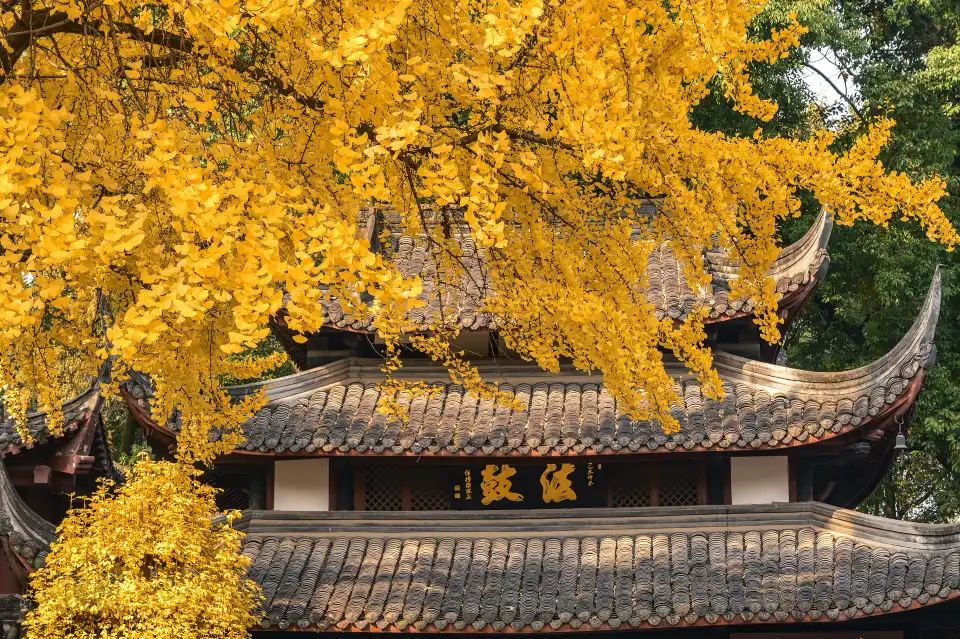
 No. 1 of Fall Viewing Attractions in Chengdu
Closed for the day Opening hours of Wenshu Monastery
Wenshu Monastery attraction highlights
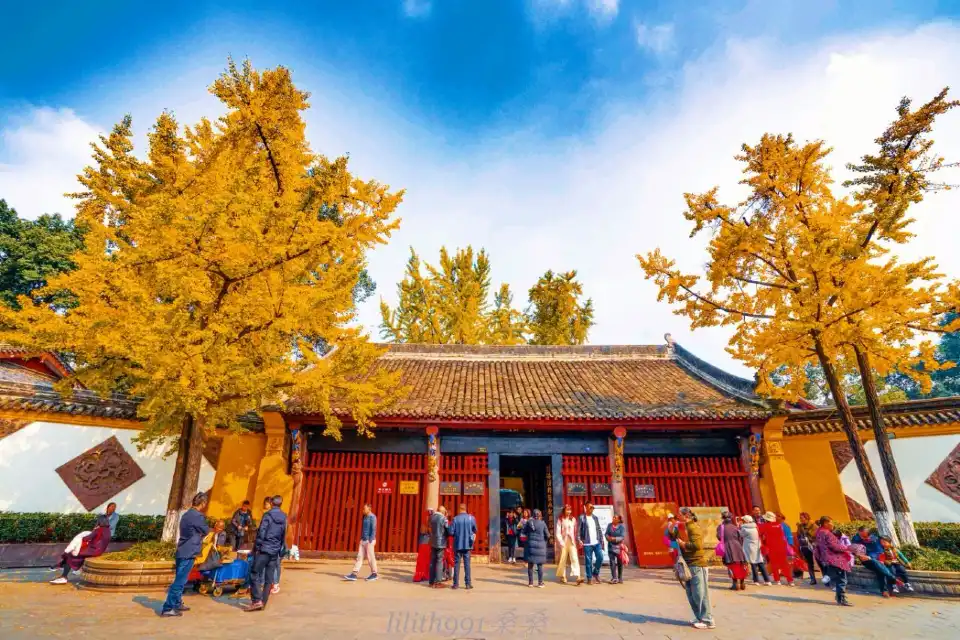
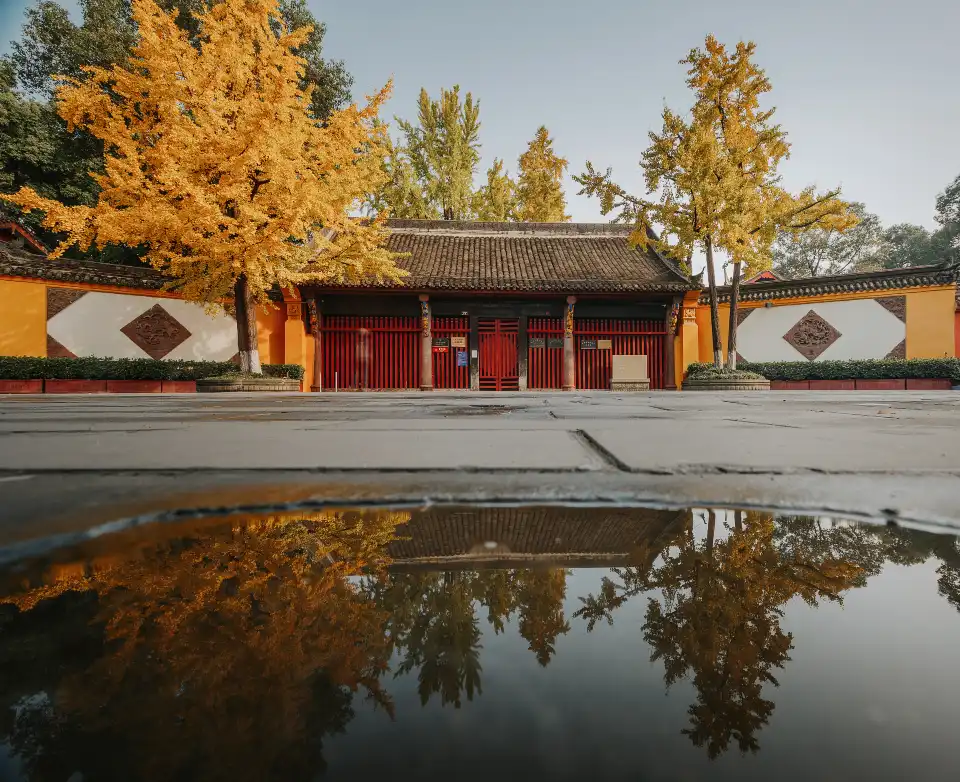
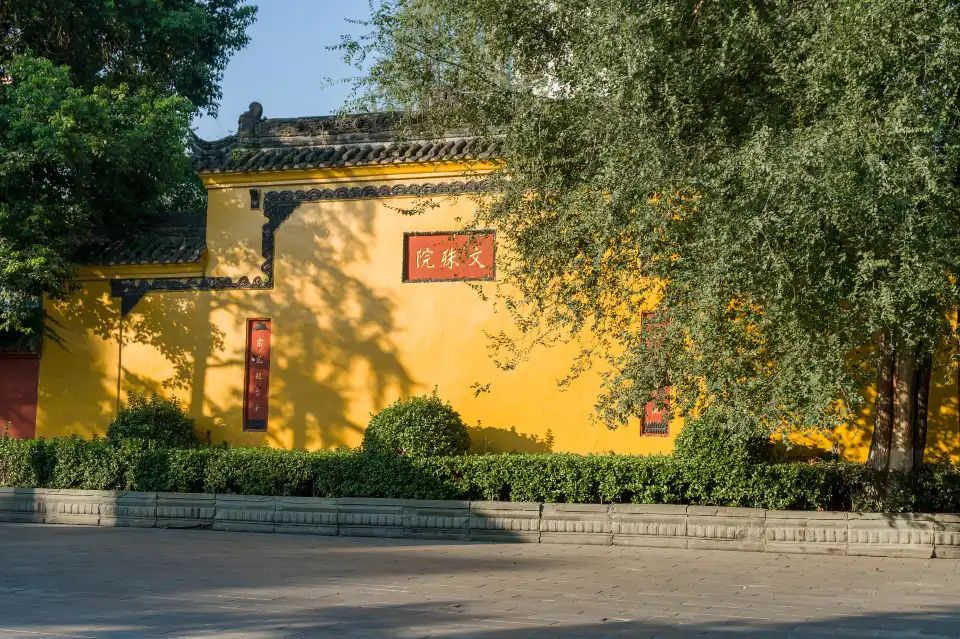
Wenshu monastery is located in Qingyang district. Originally built during the Sui dynasty and rebuilt during the Kangxi reign, it was renamed Wenshu monastery. The monastery houses over 300 Buddhist statues of various sizes, crafted from diverse materials including iron, gauze-covered clay, wood, stone, and clay. Among them is a precious jade Buddha statue from Myanmar.
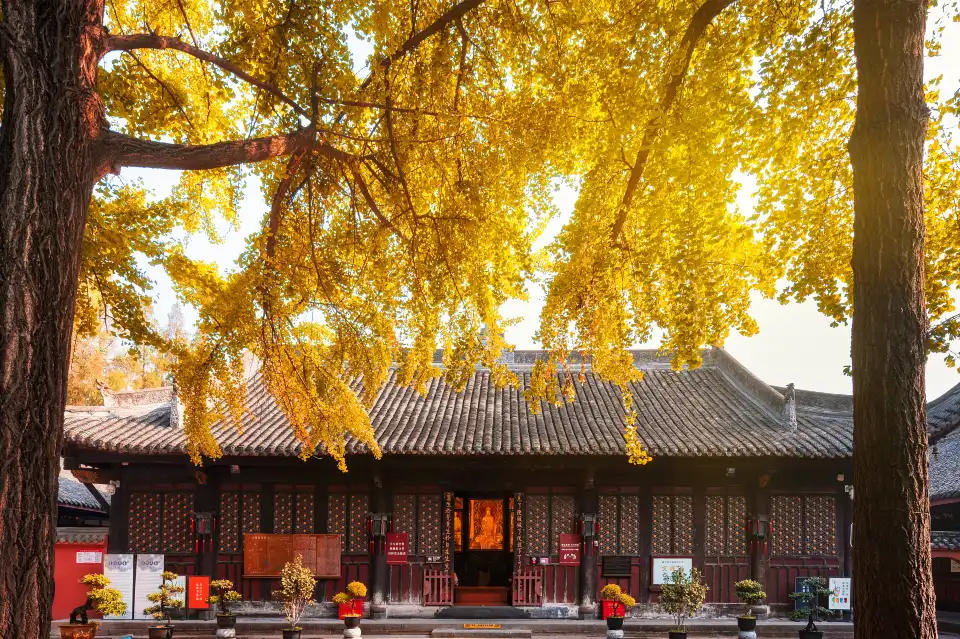
The temple complex features five grand halls - the Hall of the Three Great Scholars, the Mahavira Hall, the Dharma Hall, and the Scripture Depository - connected in sequence, seamlessly integrated with the bell tower, dining hall, and corridor houses on the east and west sides. Combined with other structures, they form an enclosed quadrangle courtyard. The compound also houses a teahouse and a distinctive vegetarian restaurant called "Xiangzhai Hall," making it a beloved leisure spot for local residents.
In addition, the monastery houses numerous precious paintings and calligraphic works from the Ming and Qing dynasties. The most renowned include the "Konglin" plaque bestowed upon Wenshu Monastery by Emperor Kangxi in 1702, as well as Kangxi's transcription of the Song Dynasty calligrapher Mi Fu's "Sea Moon" scroll. Other Buddhist artifacts include the parietal bone of Tang Dynasty monk Xuanzang, Indian palm-leaf manuscripts, and gilded sutra cases from Tang Dynasty Japan. However, as these are precious cultural relics, they are rarely seen by outsiders.
The street in front of Wenshu Monastery, now developed as Wenshu Fang known as the "urban zen forest," features uniformly designed antique-style buildings where many snack stalls continue to operate.
Other visitors' reviews of Wenshu Monastery
Show More Reviewsnice..............?.................................................................