Enshi Tusi City
恩施土司城 Based on 32 reviews
 No. 17 of Best Things to Do in Hubei
Opening hours of Enshi Tusi City
Enshi Tusi City attraction highlights
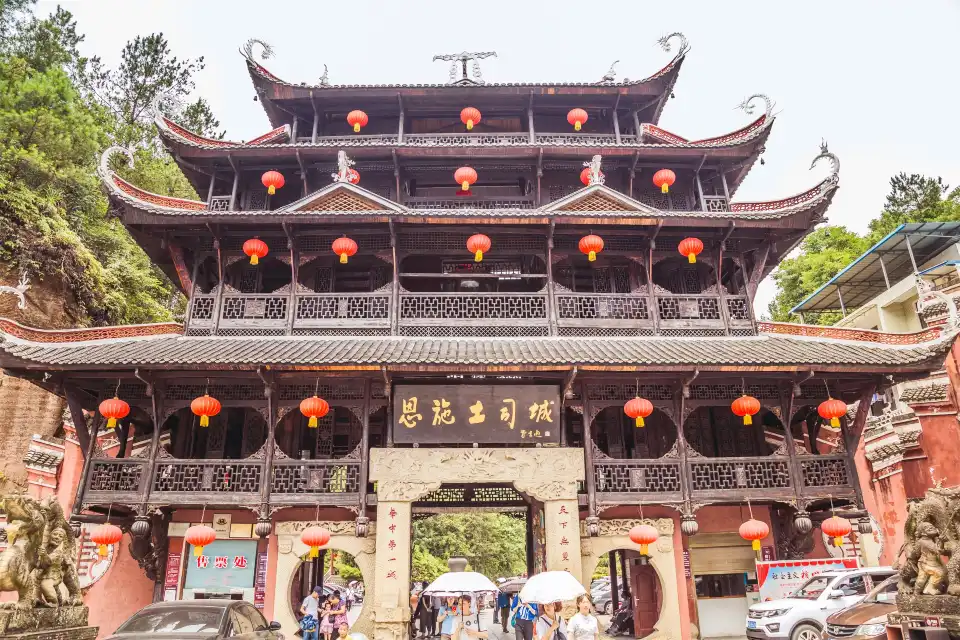
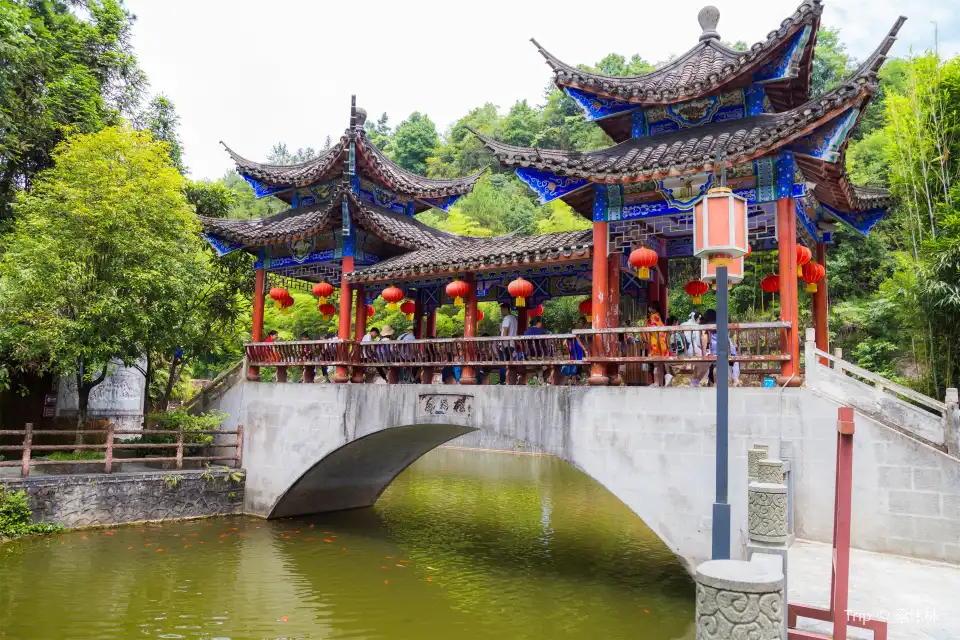
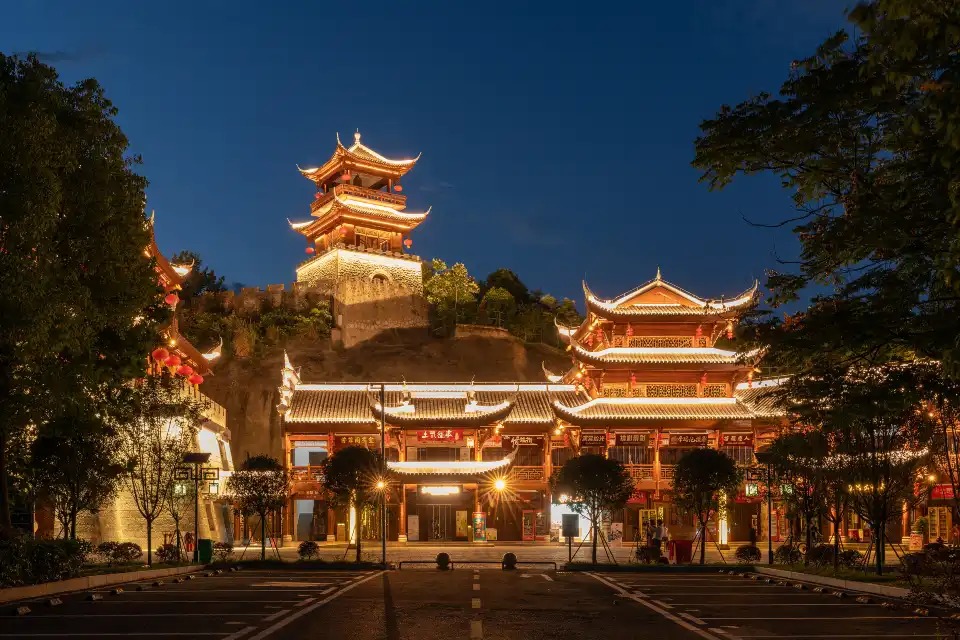
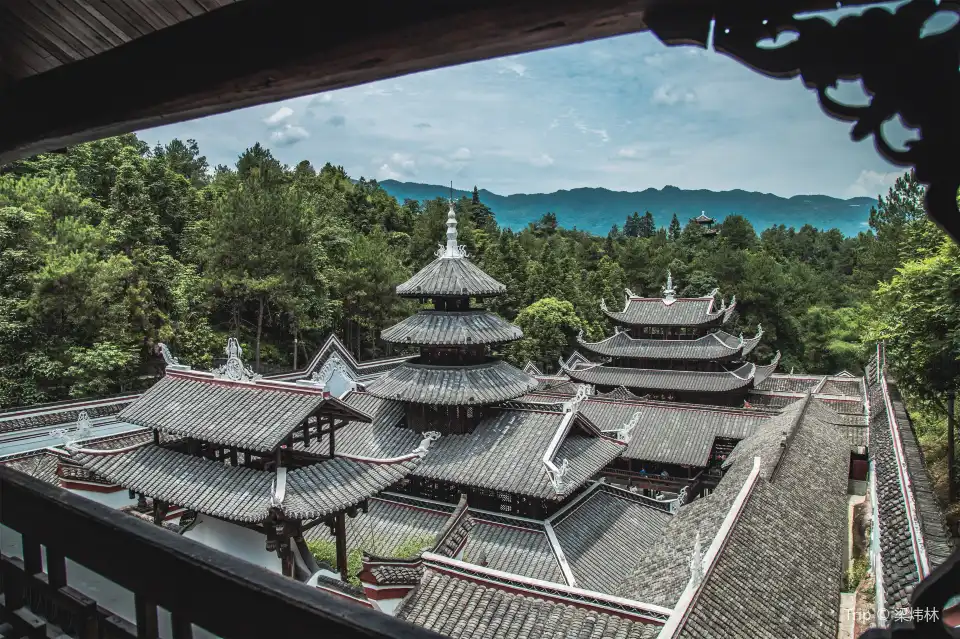
Enshi Tusi City, about 2 kilometers from downtown Enshi, is a landmark project of Tusi culture in the Tujia region and the largest and most typical antique-style architectural complex among Tujia stilted houses in China. Enshi Tusi City includes several scenic spots, including the gate tower, Dong Fengyu Bridge, Linjun Shrine, training ground, Tujia residences, Tusi royal palace—Jiujin Hall, city walls, bell tower, drum tower, Hundred Flowers Garden, and ethnic art garden. These scenic spots reflect the Tujia people's historical origins and showcase their ancient and profound folk customs.
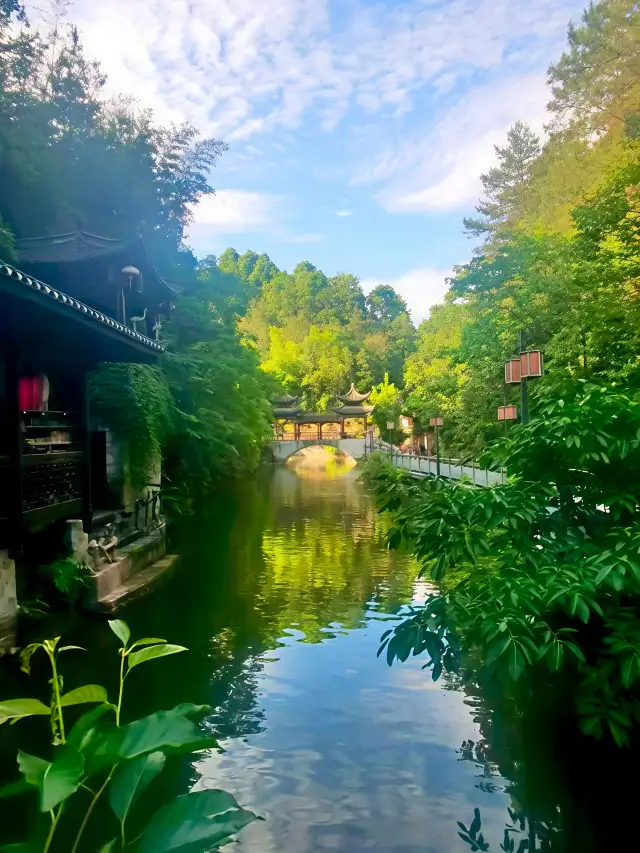
Entering Enshi Tusi City, one is greeted by a towering Tusi City Gate Tower. The Tusi City Gate Tower, also known as the Tusi Chaomen or Viewing Tower, is a commemorative building that displays the Tusi's dignity and virtues. It places great emphasis on solemn and luxurious exteriors, while the architectural content embodies the Tujia people's humanistic concepts of spatial thought and technical ingenuity. The Wind and Rain Bridge within the scenic area is an ancient-style bridge, with two pavilions standing atop the corridor, flying eaves, and upturned corners. On both sides of the corridor are specially equipped with railings and long seats, providing shelter and shade for merchants and travelers carrying loads on their shoulders and backs, hence the name Wind and Rain Bridge.
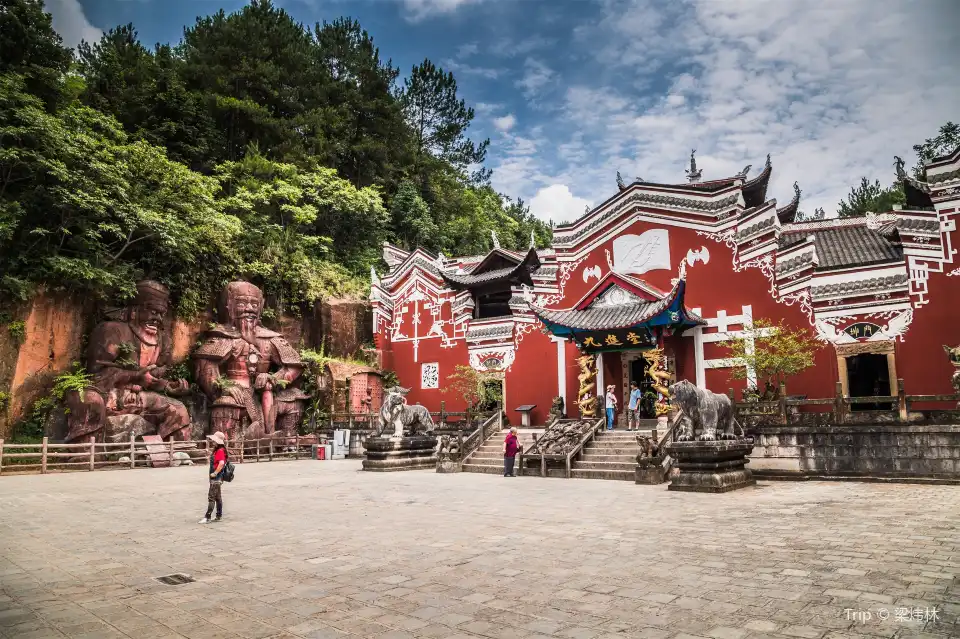
On the mountain opposite the cruise pier within the scenic area stands the ancestor "Linjun" Temple, highly revered by the Tujia people. The temple faces east with its back to the west, and a huge long scroll mural is painted along the mountain wall next to the temple, recording Linjun's lifelong heroic deeds. The Nine-Courtyard Hall is the core part of the entire Enshi Tusi City, composed of 333 pillars, 333 stone pillar bases, 330 doors, thousands of carved wooden windows, over a thousand purlins, and tens of thousands of rafters. It is currently a rare wooden structure in China with a pure mortise and tenon joining. Looking around, pavilions, towers, and corners filled the air, making it look magnificent and magnificent. This is also a genuine Tusi imperial city.
Within the scenic area, visitors can also climb the Tusi City Wall built along the mountain, see the Enshi Tusi City - Beacon Tower, and express their nostalgia. The Tujia residences—stilted houses—are also worth visiting. Most stilted houses are built by the mountains and water, with fruit trees and bamboo groves planted in front and behind the houses.
Enshi Tusi City Reviews: Insider Insights and Visitor Experiences
Enshi Tusi City Photos: Trip Moments
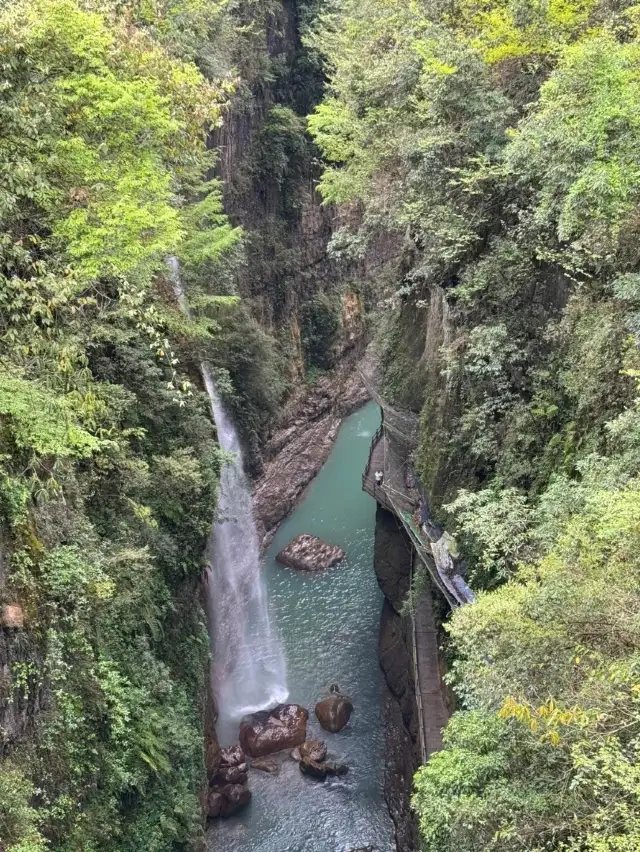
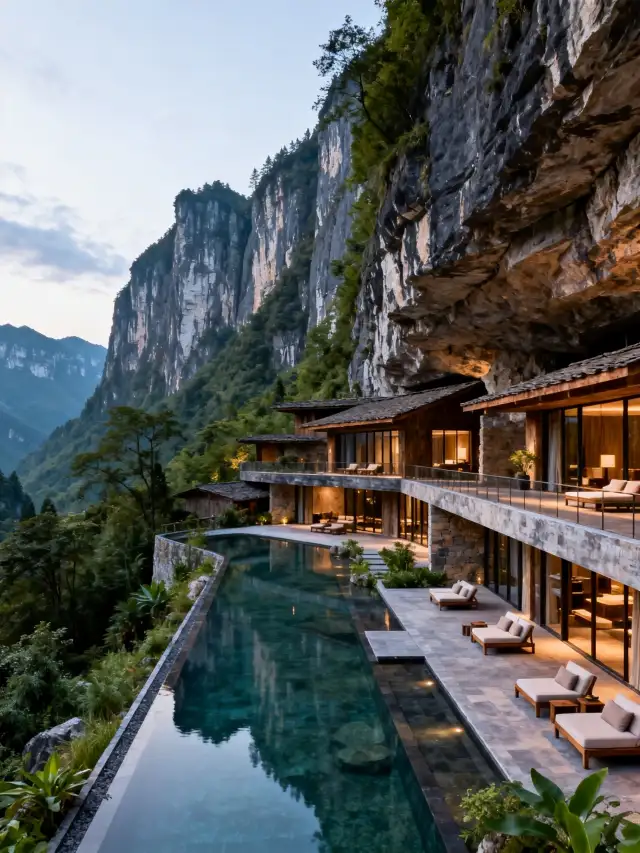 Stay in the Enshi Secret Realm, enjoy parent-child oxygen therapy and unlock the wonders of the canyonEnshi, Hubei is truly a treasure trove for family oxygen therapy and kid-friendly outings! Enshi Grand Canyon hides an absolutely stunning fairyland on earth, featuring cliffs, waterfalls, sea of clouds, and karst wonders. Take your kids for easy hikes, enjoy the beautiful scenery, learn science, and immerse yourselves in the natural masterpiece crafted by nature. Avoid the crowds and unlock a healing mountain retreat! 📍Location: Enshi Grand Canyon, Hubei 🚄 Transportation Guide: High-speed train direct to Enshi Station, then transfer to the scenic area shuttle bus, 30 RMB per person, 1.5 hours to reach the scenic area directly, making travel with kids convenient and worry-free. 📅 Age-friendly family travel routes ✅ Easy route for younger kids Day 1: Light hike at Yunlong Rift, mostly downhill and flat paths, easy and stress-free Day 2: Take the cable car up and down Qixingzhai, visit key spots without long-distance hiking ✅ Challenge route for older kids Day 1: Full hike at Yunlong Rift, unlocking the wonders of waterfalls and the rift Day 2: Deep hike at Qixingzhai, visit cliff plank roads, “One Incense Stick” and other panoramic spots 📸 Must-play & photo highlights for families 1. Yunlong Rift A 3.6 km route mainly downhill and flat, very easy for kids. Along the way, there are many huge waterfalls with water pouring down powerfully, mist refreshing and healing. On sunny afternoons between 2-3 pm, you can see beautiful rainbows under the sunlight. Play and do geological science education with your kids, learning about the formation secrets of karst landforms. 2. Qixingzhai The core scenic area of Enshi Grand Canyon. It’s recommended to take the cable car up the mountain to avoid tiring hikes with kids. Here you’ll find cliff-hanging plank roads with deep canyons below and endless mountains ahead, offering breathtaking views; the iconic “One Incense Stick” spot is a hundred times more spectacular in person than in photos, standing firm after billions of years of weathering. Let your kids experience nature’s craftsmanship and be fully amazed. 3. Cliff Plank Road An excellent spot for capturing family atmosphere photos, perfect for silhouette shots. Kids afraid of heights can walk close to the inner side, enjoying the grandeur of the canyon without too much thrill. Standing here, you can overlook the entire canyon scenery, and every shot is a masterpiece. 4. Rainbow Waterfall A popular photo spot inside Yunlong Rift, where double rainbows often appear on sunny afternoons. Wearing light-colored clothes makes photos even better. The cool mist is refreshing, making it a super comfortable place to visit with kids in spring and summer. Kids love it here. 🍜 Must-try authentic family foods in Enshi Zhangguan Hezha: A specialty of Enshi, you can eat your fill for about 35 RMB per person, with free side dish refills. The mixed rice is very fragrant and can be made mild for kids to eat safely; also try the soft and flavorful cured pork knuckle hotpot and crispy baked potatoes, affordable and delicious, unlocking authentic Enshi flavors with your kids. Travel tips: Some canyon paths can be slippery after rain, so wear non-slip sports shoes with kids; large temperature differences between day and night in the mountains, bring warm light jackets; ensure full sun protection, bring enough drinking water and snacks to replenish and rest your kids anytime. Accommodation 🏨Homestay at Enshi Grand Canyon A boutique homestay inside the Enshi Grand Canyon scenic area, facing the canyon mountain view, fully equipped family rooms, very convenient for visiting the scenic spots 🏨Resort Hotel, Enshi Located next to Tusi City in downtown Enshi, near the high-speed rail station, with a children’s play area and convenient transportation to and from the scenic area 🏨Bishui Resort Hotel, Enshi Grand Canyon Next to the Grand Canyon Visitor Center, built by the creek, spacious family-friendly rooms, perfect for resting after hiking with kids 🏨Hotel, Tangya Tusi City, Xianfeng, Enshi Close to major scenic spots in Enshi, a Tujia-style hotel with family activities, offering an immersive experience of Tujia cultureMitchell~Harper5

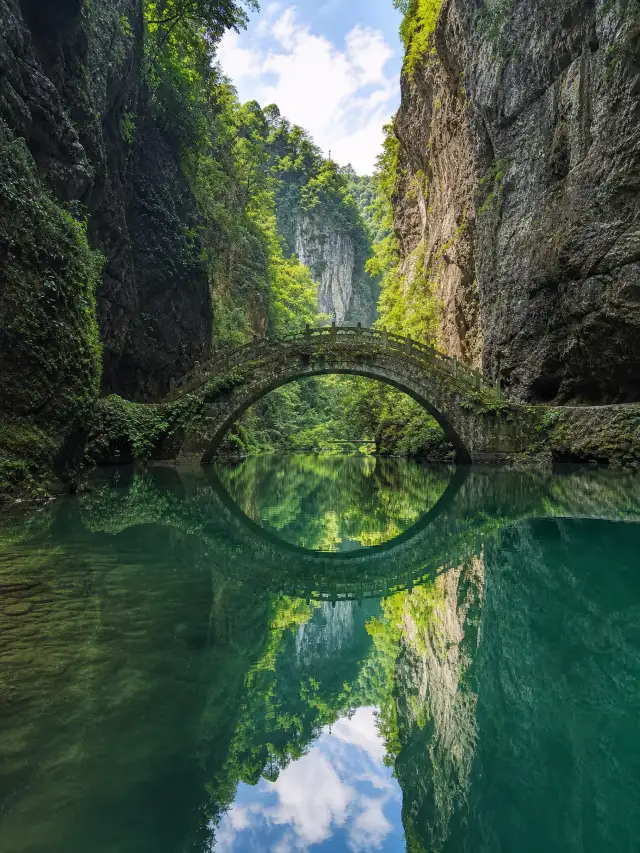 Before going to Enshi, I thought there was only Pingshan Canyon. After spending three days there, I discovered there is also Tusi City and Daughter CityEnshi is a place I was drawn to by a photo—the suspended boat in Pingshan Canyon. But after visiting, I realized Enshi is worth staying for more than just the canyon. There are things to explore right in Enshi city. Tusi City symbolizes the ancient power of the Tujia people, and Daughter City turns Tujia culture into a lively district for dining, entertainment, and shopping. Walking the glass bridge and cliffside walkway in Dixin Valley will leave your legs weak. In three days, I visited the canyon, the fissure, Tusi City, and Daughter City, and the pace was just right. —Tusi City: the royal city of the Tujia people Tusi City is located in Enshi city and is the largest ancient Tujia architectural complex in the country. The Nine-Entry Hall is the core building, with nine ascending terraces, each serving a different purpose—meetings, residence, rituals, defense—with clear functional zones. From the highest point, you can see the entire layout of the complex. The city walls follow the mountain ridge, somewhat resembling the Great Wall in the south. Walking around takes about 1.5 hours, with no climbing involved, so it’s not physically demanding. —Daughter City: the Tujia culture “theme park” Daughter City is the liveliest place in Enshi and the most successful at “monetizing” Tujia culture. Here you can experience Tujia stilt houses, the Baishou dance, bowl-breaking wine, and Hezha. After 6 PM is the highlight time in Daughter City. Tujia folk performances start in the square, with performers in traditional costumes dancing the Baishou dance, attracting more and more spectators. Bowl-breaking wine is the most ceremonial event here—after drinking a bowl of wine, you break the bowl, symbolizing “peace and safety.” The streets are filled with stalls selling Hezha, Tujia cured meat, and Enshi small potatoes, so a walk around can easily cover dinner. —Dixin Valley: glass bridge and cliffside walkway Dixin Valley is about a 1.5-hour drive from Enshi city and centers on “walking the valley floor.” The glass bridge spans the canyon entrance, with a sheer drop below. The cliffside walkway is built along the cliff wall, offering views of the water in the canyon from above. Dixin Tian’ai is the narrowest part of the canyon, where you can only see a sliver of sky when looking up. The full walk takes about 4 hours, with many steps and narrow paths, suitable for moderately fit young people; older visitors may find it challenging. —A few details worth knowing in advance Tusi City tickets cost 45 yuan, and 2 hours is enough. Daughter City is free; it’s best to visit after 6 PM when performances and the night market start together. Dixin Valley tickets, including the glass bridge and sightseeing elevator, cost about 200 yuan. The full walk takes 4 hours, so wear non-slip sports shoes. Enshi city buses go to Tusi City and Daughter City. For Dixin Valley, it’s recommended to carpool or take the direct shuttle. In summer, the canyon temperature is cooler than the city, but most of the Dixin Valley walkway has no shade, so be sure to protect yourself from the sun.elizabethskylight4

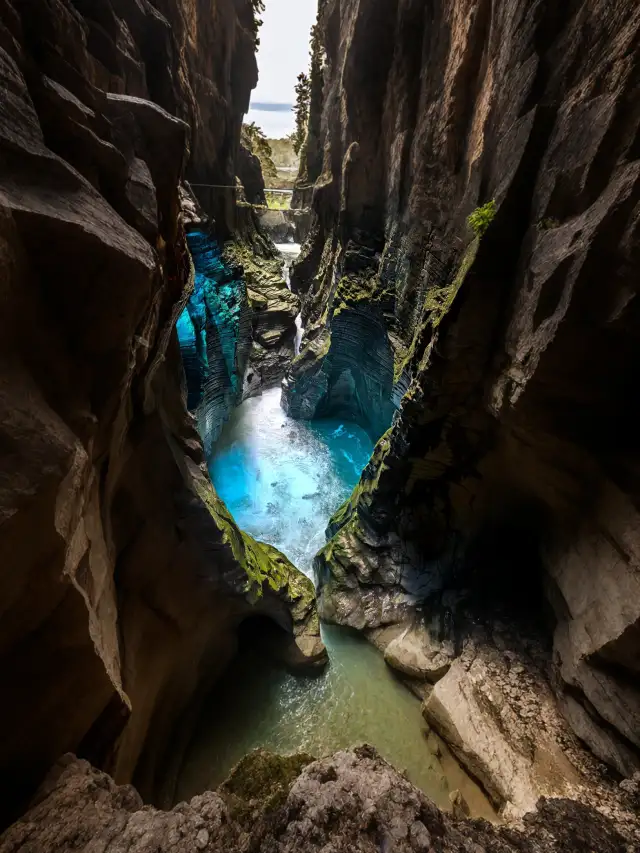
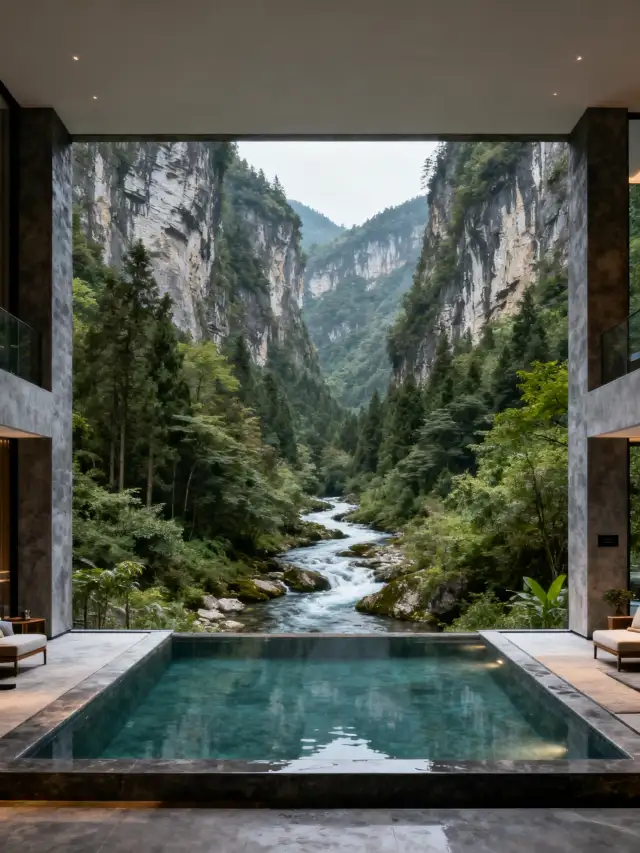 Staying in a guesthouse deep in the Enshi Gorge, it’s so secluded from the world.The driver suddenly stopped on the Hufeng mountain road and said, "Look at this angle." I leaned out and saw the entire gorge filled with rolling clouds, even more stunning than Pingshan. This article won’t cover the usual tourist spots but will focus on those "off-the-beaten-path" places in Enshi. If you’ve already been or plan to revisit Enshi, keep reading. 🗺️ Niche itinerary plan (suitable for 4 days) First stop: Luyuanping (Enshi’s most hidden village) A 40-minute drive from the Grand Canyon, the last stretch involves descending 1,520 steps (there’s also an elevator, 80 RMB one way). This village is at the bottom of the gorge, surrounded by sheer cliffs on all sides. In the past, access was only by foot, and it still feels very primitive. There’s a waterfall and an underground river in the village. The water is so cold that when I put my hand in, I pulled it back after three seconds. You can hike here all day or just sit by the stream and daydream. Free admission, elevator round trip costs 160 RMB. There are two farmhouse restaurants in the village, where you can eat your fill for about 30 RMB per person. Second stop: Qingjiang Ancient Riverbed (filming location for "The Assassin") A 1.5-hour drive from Enshi city towards Lichuan. This is not an official scenic spot—no entrance fee, no gates. You walk along the dry ancient riverbed, alternating between huge rocks, caves, and grasslands. The whole hike is about 8 kilometers and takes 3-4 hours. The most breathtaking part is the "Three Dragon Gate"—three natural stone bridges connecting three caves. Walking inside, light streams in from the cave openings, giving a feeling of reaching the end of the world. ⚠️ No cell signal, must go with companions, wear non-slip shoes, and bring enough water. Third stop: Dashuijing Ancient Architecture Complex Towards Lichuan, about a 2-hour drive from Enshi. This is a Qing Dynasty Tujia Li family estate, ridiculously large—174 rooms just in the buildings. The blend of Chinese and Western styles is rare in western Hubei. Tickets cost 60 RMB, very few tourists, no waiting for photos. The architectural details are exquisite, with wood, stone, and brick carvings worth close inspection. Culture lovers will find this more valuable than the Grand Canyon. Fourth stop: Duobi Gorge (if Pingshan is too crowded) On the same water system as Pingshan Gorge but undeveloped, the water is just as crystal clear. The road conditions are much worse, requiring some creek trekking. Suitable for those with good stamina and proper gear. Not recommended to go alone. I originally brought a book to read by the stream but ended up staring at the water the whole time without turning a page. 📊 Niche vs Popular Comparison (to help you decide) · Luyuanping vs Grand Canyon: 90% fewer people, similar physical demands, but Luyuanping offers more of a "discovery" feeling · Qingjiang Ancient Riverbed vs Yunlong Rift: Ancient riverbed is wilder and more stunning but lacks boardwalks and protective facilities · Dashuijing vs Tusi City: Dashuijing has higher architectural value but is farther away · Duobi Gorge vs Pingshan: Duobi Gorge is free but riskier, Pingshan is safer but crowded 🚗 How to get around Public transport to niche spots is basically nonexistent; self-driving or chartered cars are a must. Chartering a car in Enshi city costs about 400-500 RMB per day (including fuel). It’s recommended to ask your hotel front desk to contact a local driver, which is more reliable than online. For self-driving: mountain roads are winding and steep, beginners should be cautious, especially on the Luyuanping stretch where passing is tight. 💡 Essentials for the niche route · Offline maps (no signal at the ancient riverbed) · Creek trekking shoes + hiking poles · Headlamp or flashlight (useful in caves) · At least 2L of drinking water · Waterproof bag (for crossing streams) Accommodation 🏨 Enshi Chuanjian Guesthouse (Grand Canyon Yunlong Rift branch) Located 150 meters above the Grand Canyon cable car entrance, the pool faces the gorge. You can start hiking five minutes after stepping out, saving an hour of round-trip travel from the city. 🏨 Enshi Qingxin Youshe Boutique Guesthouse (Grand Canyon return center branch) Cozy courtyard with a viewing terrace, the owner offers free shuttle to the scenic spots. Breakfast features authentic Enshi bean skin and baba cakes. Best value if staying two nights or more. 🏨 Enshi Grand Canyon Huanyue Mountain Holiday Hotel The viewing platform offers unbeatable mountain views. The owner is car-friendly (free parking and car wash tools). Most convenient for self-driving travelers. 🏨 Enshi Maili Guesthouse (Grand Canyon branch) A wild luxury style built into the cliff, with 180-degree floor-to-ceiling glass facing the gorge peaks. The housekeeper guides you on secret routes unknown to tourists, offering a unique experience.MerjaKuparinen4

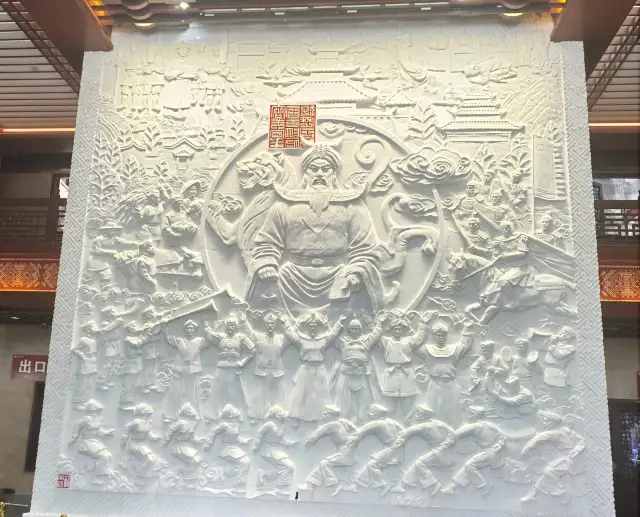 A Visit to Enshi Tusi City: Exploring the Magnificent World of the "Local Emperor"Tusi were local chiefs appointed by ancient China's central government in ethnic minority regions, wielding absolute military and political power—essentially acting as "local emperors." In the Enshi Tujia region, the Tusi system lasted for centuries through the Yuan, Ming, and Qing dynasties. These chiefs not only governed the land but also served as the custodians of Tujia culture and social order, with their palatial residences acting as centers of power and cultural distillations. Located within the city, Enshi Tusi City is the largest architectural landmark of Tujia culture in China. Walking through it feels like stepping back into the Tusi era. Along the way, you often see women dressed in Tujia ethnic attire—embroidered headscarves and cross-collared shirts paired with pleated skirts. Their vibrant colors add a touch of life to the ancient structures. The entrance gate is grand and imposing, featuring beams and pillars carved with Tujia totems. The Linjun Temple, dedicated to their founding ancestor, tells the story of the ethnic group's origins. At the heart of the complex is the "Nine-Entrance Hall," the Tusi King’s mansion. The courtyards progress layer by layer, blending imperial majesty with elements like stilted houses (diaojiaolou) and intricate reliefs. Inside, the restored Tusi council scene provides a vivid glimpse into how state affairs were managed centuries ago. The copper bell in the Bell Tower chimes across the city, while the Wind and Rain Bridge, adorned with paintings of daily life, offers a perfect spot to rest and admire the view. Among all the sights, the Gold and Silver Treasury and the Changxi Treasury are the most unforgettable. Hidden deep within the Nine-Entrance Hall, the Gold and Silver Treasury displays restored gold, silver, and jade artifacts under dim lighting. Recessed storage slots in the walls spark the imagination, hinting at the heavy security that once guarded these riches—a silent witness to the tribe's rise and fall. In contrast, the Changxi Treasury restores the family's storage rooms, filled with pottery jars, bolts of cloth, farm tools, and even cured meats and grains. It feels more grounded and intimate than the gold treasury, showcasing the warmer, daily side of the Tusi family beyond their power. Together, these two rooms—one opulent, one humble—sketch the dual nature of the Tusi world. As I left, the setting sun cast a golden glow over the city, and the silhouettes of the stilted houses stood out sharply in the twilight. This city is more than just architecture; it is a living fossil of Tujia culture. The Gold and Silver Treasury and the Changxi Treasury are the true highlights, reminding us of the importance of balance between power and everyday life.快意人生

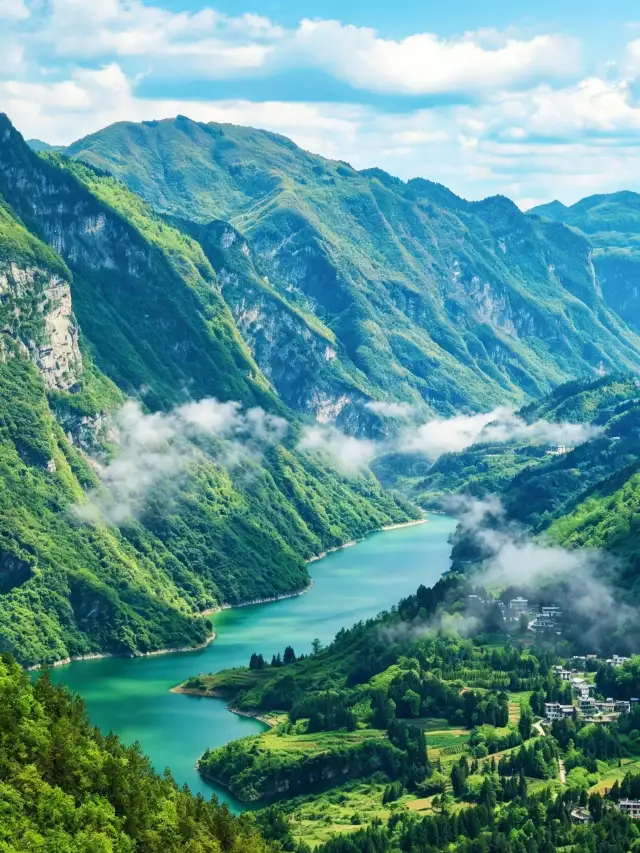 First time visiting Enshi? Follow this guide! 5 days and 4 nights without pitfalls, fully enjoy the mountains, rivers, and ancient cityDon’t blindly follow popular spots on your first trip to Enshi! Many worry about whether the attractions are crowded, if it’s suitable for elders and kids, or if you’ll get caught in shopping tours—I’m sharing my 5-day, 4-night self-guided trip. The route has no backtracking and covers mountains, rivers, canyons, stone forests, and night views. It’s perfect for elders, kids, and couples alike. Day 1 Arrive in Enshi · Daughter City (stay in downtown) Tujia Daughter City (No. 41 Ma’anshan Road, Enshi City, free all day, busiest from 3 PM to 10 PM): 7 PM hand-waving dance/crying bride show, bowl-breaking wine 5 yuan per bowl, red lanterns and stilted buildings create great photo moments during the blue hour. No rush on the first day. Stay one night in Qiliping/Airport Road downtown to save 1 hour of travel the next day. Day 2 Qingjiang Grand Canyon · Honghua Peak Forest (self-drive/carpool 1.5h) Daqingjiang Honghua Peak Forest (Shadi Township, Enshi City, ticket about 75 yuan, via ferrata from 158 yuan): cliffside plank walk with views of the emerald Qingjiang River. Beginners can choose the intermediate river-view route (2–3 hours) with safety ropes and instructor; afternoon water sports center offers jet skiing and paddleboarding. Don’t wear sandals for via ferrata. Wear sneakers, sunscreen, and a light jacket. Take the shuttle bus from Hongmiao Station to Shadi for the cheapest route, but carpooling at 150 yuan per person round trip is more convenient. Day 3 Pingshan Canyon → Xuan’en night view (stay in Xuan’en) Pingshan Canyon (Pingshan Village, Rongmei Town, Hefeng County, ticket + boat 210 yuan, 7:30 AM–4 PM, book 5–7 days in advance): enter before 8:30 AM on sunny days to shoot the floating boat below Adou Village without filters. Drive 1.5 hours in the afternoon to Xuan’en. Enjoy Gongshui River Wenlan Bridge and Modalou night views, 7 PM music fountain, and grilled live fish by the river. Day 4 Earth Heart Valley (G318, Gaoping Town, Jianshi, ticket 60 + shuttle 30, 7:30 AM–4 PM) Cliff plank walk + glass bridge + heart-shaped pond + Earth Heart cruise boat (combo ticket 180 yuan). Mostly flat paths, not tiring. Elders and kids can take the “magic carpet + elevator” option. If you don’t want to hike, buy the combo ticket with sightseeing elevator and boat to save your legs. Day 5 Sobuya Stone Forest → Return trip (Taiyang River Township, ticket + transport 108 yuan, 8 AM–6 PM) 460 million-year-old Ordovician stone forest, Lotus Village, Rhino Valley, Qinglong Terrace light and shadow show. Shady and cooler than the grand canyon, easy on the last day. ⚠️ Practical tips (learned the hard way) Booking priority: Pingshan 5–7 days in advance (tickets released at midnight), Earth Heart Valley 3 days ahead, Grand Canyon also requires booking if switching routes; Daughter City/Tusi City/Qingjiang line don’t require booking. Clothing: In August, downtown is 30°C but canyons are around 22°C in the morning and evening. Wear short sleeves + light shell + non-slip shoes. No skirts or sandals for via ferrata. Avoid traps: “Low-price car service to the grand canyon” at train stations or attraction entrances are often shopping tours. Pingshan floating boat only runs on consecutive sunny days; on rainy days, switch to Earth Heart Valley or Tenglong Cave (18°C inside). Family-friendly: Pingshan and Grand Canyon have many steps. For kids under 6, prioritize Daughter City + Earth Heart Valley + Xuan’en; same for elders. Food: Try Hezha, cured meat, small potatoes, Zhangguan Hezha (Daughter City), and Xuan’en grilled live fish. Avoid buying selenium-rich tea at attraction exits’ specialty shops. The real joy of Enshi isn’t how many peak forests you check off, but the moment the Pingshan boat floats, the second the Qingjiang breeze hits your helmet, and the evening soaking your feet in cool river water watching the fountain in Xuan’en. Follow this route and you’ll have a smooth trip~Cook Aria 731

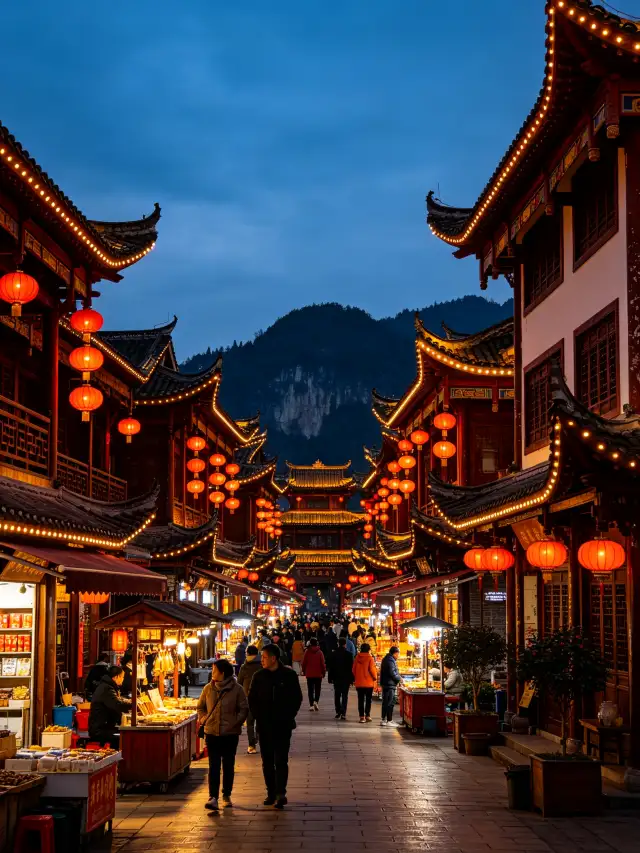 Enshi 4-day, 3-night ultimate guideMany people find it difficult when visiting Enshi for the first time: attractions are scattered, the canyons are physically demanding, and it's hard to tell which ones are worth visiting, making it easy to get exhausted from rushing around. This itinerary balances spectacular landscapes with local Tujia culture, offering a comfortable pace that beginners can follow directly. Day 1 Arrive in Enshi city | First experience of Tujia culture (overnight in Enshi city) Itinerary: Arrive in Enshi → Enshi Tusi City → Explore Tujia Daughter City in the evening, visit the night market at night ✅ Travel tips - Visit the Jiujin Hall of the stilt houses at Tusi City. The Tujia architecture is very photogenic, and you can rent Tujia costumes for photos. 2 hours is enough for the visit. - Admission to Daughter City is free. The evening folk performances and "bowl-smashing wine" create a great atmosphere. No need to buy overpriced souvenirs. ⚠️ Pitfall warnings - There are many places to rent clothes in Daughter City. Ask about the full set price in advance to avoid extra charges later. - Do not buy overpriced local specialties inside the scenic area. 🍜 Food recommendation: Laocheng Guanzi (Siwei Street branch). Try the Tujia hezha and cured pork trotter hot pot. It's popular with locals, and side dishes can be refilled for free. Day 2 Enshi Grand Canyon full day (overnight in Enshi city) Itinerary: Enshi Grand Canyon | Yunlong Ground Fissure → Qixingzhai (Cliff Plank Road, Yizhuxiang) ✅ Travel tips - The Grand Canyon is physically demanding, so prioritize taking the ground cable car to save energy. - See the waterfalls and canyons at Yunlong Ground Fissure. At Qixingzhai, focus on the two highlights: the Cliff Corridor and Yizhuxiang. - Try to enter the park early to avoid the afternoon sun. ⚠️ Pitfall warnings - Be sure to wear non-slip sneakers and bring drinking water and small snacks. - In case of rain, Yunlong Ground Fissure may be temporarily closed. Check scenic area notices before you go. 🍜 Food recommendation: Eat back in the city. We recommend Hanga Po Tujia Hezha. The potato rice and stir-fried cured meat with sour chili paste are authentic and affordable. Day 3 Suobuya Stone Forest, travel through a 460-million-year-old seabed world (overnight in Enshi city) Itinerary: Suobuya Stone Forest, explore Lianhua Village and Mozigou, and check out the unique karst stone landscapes ✅ Travel tips - The Stone Forest consists of several areas. Be sure to buy the sightseeing bus ticket, as the distances between areas are long. - The overall hiking intensity is low, making it a "painless hike." It's great for photos, and the stone formations are very unique. ⚠️ Pitfall warnings - The scenic area is large, so plan your route well and don't miss the last bus. - UV rays are strong in the mountains, so take sun protection measures. 🍜 Food recommendation: Tujia-style home cooking. Try the sour chili paste and Tujia cured meat. Day 4 Free choice + return trip Choose one: ① If you want to explore caves: Go to Tenglong Cave, the largest cave in Asia. It has a constant temperature inside, and you can watch the laser show—a great way to escape the heat. ② If you prefer river views: Choose the Daqing River cruise. You can see Butterfly Cliff from the boat. The whole trip is seated and not tiring, suitable for seniors and children. ✅ Travel tips - We recommend reserving 3 hours for Tenglong Cave. The temperature inside is low, so bring a light jacket. - The Daqing River cruise takes a long time for the round trip, so pay attention to the departure times. ⚠️ Pitfall warnings - There are many people selling photos inside the cave; purchase only as needed. - Do not buy overpriced local specialties like ginseng or gastrodia elata on the roadside. 🍜 Food recommendation: Corn cakes and oil tea soup. Have a simple meal before heading back. 🏨 How to choose accommodation 1. Prioritize staying in Enshi city (near Wuyangba/Daughter City): This is the top choice! It's convenient for dining and shopping, and it's easy to arrange carpooling/chartered cars to various attractions. You won't need to change hotels frequently, saving you the hassle of moving luggage. 2. Homestays near the Grand Canyon: Suitable for those who only want to visit the Grand Canyon and don't want to travel back and forth to the city, but there are fewer dining options nearby. Be sure to book in advance during holidays and summer, as room rates increase significantly. 💡 Travel tips 1. Enshi attractions are scattered across surrounding counties, and public transportation can be a hassle. We recommend chartering a car or joining a small group tour to save time and worry. 2. Mountain weather is changeable. Even in summer, bring a light jacket and a sun hat. 3. Admission tickets: Tickets for the Grand Canyon, Suobuya, and Tenglong Cave are sold separately. It's more cost-effective to buy them online in advance. 4. Physical exertion reminder: The Grand Canyon is the most physically demanding. Seniors and children should reasonably skip some sections. 📌 Summary Enshi has magnificent canyons, a 100-million-year-old stone forest, and rich Tujia culture. This route covers the highlights without rushing. If you have average stamina, you can appropriately reduce the number of attractions and enjoy a slower pace to experience the landscape. We hope everyone can encounter the most beautiful scenery in Enshi.Amelia Gray.96

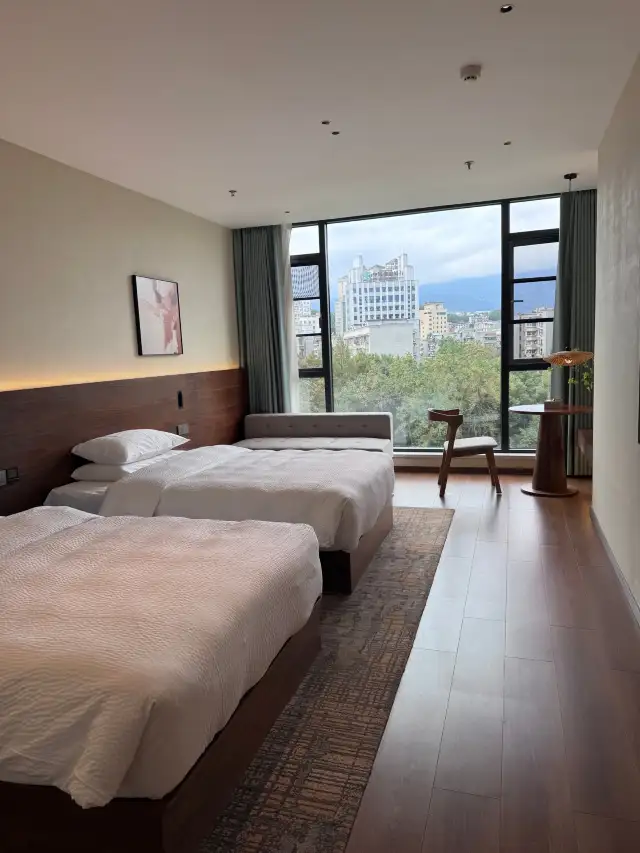 This hotel in Enshi is an absolute must-stay[GreenHeart] Traveling to Enshi with friends? Choosing the right accommodation can really boost your trip's happiness. I stayed in the Linyin Jiangyue Twin Room this time, and the experience exceeded my expectations. It's perfect for best friends or groups traveling together. [OrangeHeart] The room is a spacious 35–42 sqm with two comfortable 1.35m twin beds. It features a wabi-sabi, wood-inspired forest style with quiet, soft, low-saturation tones. The panoramic floor-to-ceiling windows face the Qingjiang River directly. Sitting by the window, you can immerse yourself in the river view—every photo you take will look like an atmospheric shot. The room is fully equipped: King Koil mattresses paired with skin-friendly bedding make it very relaxing to rest after sightseeing. The room features smart controls for voice-activated lighting and curtains, a mini-fridge for drinks and fruit, and a bathroom with separate wet and dry areas, 24-hour hot water, branded fixtures, and a full set of toiletries. It's clean and refreshing. There's also an HD TV, high-speed WiFi, a separate wardrobe, and a desk, catering to your needs for sightseeing, resting, and light work. [BlackHeart] The hotel's public areas are lush with greenery, quiet, and elegant, with many great photo spots. It includes a buffet breakfast restaurant serving Tujia rice noodles, pastries, and more. There's a self-service laundry room with drying functions, making it worry-free to wash clothes during long trips. A free gym is available for a quick workout. With a 24-hour front desk, smart delivery robots, free luggage storage, and free parking, the thoughtful service covers all your essential travel needs. [OrangeHeart] The hotel is located in the heart of the Wuyangba business district, offering an unbeatable location. You can walk to Phoenix Mountain Forest Park, the Qingjiang River corridor, and the Wind and Rain Bridge. It's very pleasant to take a walk and enjoy the breeze along the river after a meal. It's also very close to the Jiulifang shopping center, making it convenient for buying supplies or shopping. The surrounding area is packed with delicious snacks and local Enshi flavors like roasted potatoes, youxiang'er, Tujia bean skin, cured meat hot pot, hezha, and local barbecue. You can visit long-standing local restaurants right downstairs. [YellowHeart] It's a short taxi ride to the Tusi City and Daughter City, and transportation to major scenic spots is convenient, making it a one-stop destination for dining, shopping, and sightseeing. It's a quiet retreat in the middle of the city, allowing you to enjoy the city's vibrancy while also having exclusive access to the Qingjiang River's landscape. If you're traveling to Enshi with friends, I highly recommend this room type. [Cute]GlobalRoamer

- enshiguide
- chinahiddengems
- grandcanyonvibes
- tujiaculture
- tripcomchina
- enshiwaterfalls
Hidden Gem: Enshi 2-3 Day trip GuideDreaming of a fairytale escape that’s zero percent Insta-cliché and 100% authentic? Welcome to Enshi, Hubei’s hidden gem where mind-blowing mountain views and rich Tujia culture turn your trip into a real-life videogame adventure 🎮🌄 Top Spots to Visit in Enshi – My Gameplan Day 1: Enshi Grand Canyon – Fantasy World Unlocked Stay at Exquisite B&B in Qingxin YouSHE, Enshi (No. 8, Houjiaping Village Group, Yingshang Village, Tunbao Township). Conveniently located near the scenic area. The staff is welcoming and will use a translator to communicate with you. Enjoy the breakfast early in the morning and ask the staff for a ride to the Grand Canyon Visitor Center. Get the full package ticket includes two attraction admissions, cable car up, shuttle bus, escalator down. Once in, head straight to Yulong Fissure for a peaceful experience, before the crowds make it there. AFTER, go for the cable car up the mountain—views are straight out of a videogame. Essential gear: comfy shoes (stairs!) and a raincoat for mist. Once you’ve got your magical incense stick (一柱香), the descent is effortless with the escalator, and at the shuttle bus stop luckily there was a hotel staff who let us drop right back at the hotel instead of the visitor center!! Day 2: Tusi Castle & City Show Start your morning at Enshi Tusi Castle (138 Tusi Rd, open 7:30–18:00 & CNY 42, April-Oct). History and insane architectural vibes! Evening: Check in at Floral Hotel·Phoenix Perch Lodge (No. 76 Wuyang Ave; expect calming vibes and crisp bedding). Catch the dazzling Tujia Daughter City Intangible Cultural Heritage Theater (马鞍山路41号, show 18:35–20:00). Go full-on local: book costume + pro makeup (takes 1–1.5 hours, make sure to arrive before 17h) before grabbing dinner at Shangyunfu—shows plus a feast is peak Enshi! Day 3 (if you have time): Tenglong Cave – only if you want to squeeze a mind-blowing karst wonder in. Getting Around: Private cars are often needed—rely on Didi taxis, shared rides, local taxis. Both my hotels had friendly staff who’ll help you arrange everything when I couldn't find a Didi. Food Recs: Sample characteristic local dishes at your B&B and don’t sleep on dinner at Shangyunfu. Top Tips: Bring fast-drying layers and a sense of adventure—this is China off the mainstream map! #enshiguide #chinahiddengems #grandcanyonvibes #tujiaculture #tripcomchinaSomuchtravel5
 China's largest Tusi culture theme park! The breathtaking Jiujin Hall, a hidden Tujia gem📍Address: No. 138 Tusi Road, Enshi City, Hubei Province (near Enshi city center) ⏰Hours: Peak season approx. 8:00 AM–6:00 PM, off-season approx. 8:30 AM–5:30 PM 🎫Admission: Approx. CNY 50/person for adults, cheaper if booked online in advance, half-price for students/seniors aged 60+, free for children under 1.2m 🚄Transport: Take a high-speed train to Enshi Station, then a 15-minute taxi ride; also accessible by walking/bus from the city center 🏯Why is it called the "largest Tusi city in China"? Enshi Tusi City is the largest, most magnificent, and most unique Tujia Tusi culture theme scenic area in China, known as the "No. 1 City of the Chinese Tujia." It restores the core architectural complex of the former Tusi royal city—Jiujin Hall, Wind and Rain Bridge, Linjun Temple, Bell and Drum Tower, city walls... condensing nearly 700 years of Tusi system history into one city. Tujia stilt houses, Baishou Hall, and totem poles are built layer upon layer against the mountain. With red walls, dark tiles, and upturned eaves, walking inside feels like stepping into a Tujia history book📜 📸Top 5 must-visit spots | You'll regret missing any of these! 1️⃣ Jiujin Hall—The soul of the Tusi royal city, breathtakingly stunning🏛️ The absolute highlight! The layered Tujia architectural complex is built against the mountain, with nine gates and nine courtyards stacked layer upon layer, offering a view of the entire city from the top. Wear Tujia clothing or Hanfu and stand in front of Jiujin Hall for effortless, stunning traditional-style photos. Tujia song and dance performances, including the Baishou dance and crying marriage songs, are held daily. 2️⃣ Wind and Rain Bridge—Tujia wisdom without a single nail🌉 All-wood structure, no iron nails, using mortise and tenon joints with carved beams and painted rafters. With flowing water beneath and beautiful photo ops on the bridge, wearing a light-colored dress makes for great photos. 3️⃣ Linjun Temple—Sacrificial site for the Tujia ancestor🙏 Dedicated to the Tujia ancestor Linjun, it is the core of the Tujia people's spiritual belief. The architecture is simple and solemn, and the red walls + totem poles create a perfect atmosphere for photos. 4️⃣ Tusi City Wall—Climb up for a view of the city🏔️ Climb along the city wall for an unbeatable view of the entire Tusi City and Enshi city center. It's legendary at sunset when the red walls are dyed warm gold by the setting sun. 5️⃣ Bell and Drum Tower + Totem Poles—A collection of Tujia symbols📷 The Bell and Drum Tower features upturned eaves, and the totem poles are carved with the Tujia white tiger totem. Wearing ethnic clothing here for photos adds a strong cultural touch. 🗺️Half-day highlights route | Follow this to avoid getting lost! Main Gate → Wind and Rain Bridge → Linjun Temple → Jiujin Hall (Core! Watch the performance) → Tusi City Wall (Climb for the view) → Bell and Drum Tower → Totem Poles → Exit The whole route takes about 2–3 hours. We recommend entering in the morning for better light and fewer crowds; Jiujin Hall is most photogenic in the morning light. Check the performance schedule upon entry so you don't miss the Tujia song and dance. 📷Best photo spots | These will definitely blow up your social media! 📌In front of Jiujin Hall: Layered Tujia architecture as a backdrop for stunning traditional-style photos 📌Middle of Wind and Rain Bridge: All-wood mortise and tenon structure + flowing water for a perfect atmosphere 📌High point of Tusi City Wall: Overlook the whole city, legendary at sunset 📌Next to the totem poles: Wear ethnic clothing for photos with a strong cultural vibe 🍜Food guide | Don't miss these Tujia flavors! 🥘Zhangguan Hezha: A Tujia specialty, all-you-can-eat side dishes per person, approx. CNY 35 per person 🥩Tujia cured meat, roasted potatoes: Savory and great with rice, the local soul food 🍚Enshi doupi, corn cakes: The perfect breakfast combo, warming and filling 🍵Oil tea soup: The first bowl served to guests by the Tujia people, warming and refreshing 📍Around Tusi City: Plenty of dining options, within walking distance of the exit ⚠️Pro tips | Hard-earned advice, follow these! ✅Book tickets online in advance, it's cheaper than on-site ✅Check the performance schedule when you enter, don't miss the Tujia song and dance ✅Wear comfortable sneakers; Jiujin Hall is built against the mountain with many steps ✅Wear Tujia clothing or Hanfu; rentals are available in the scenic area, perfect for photos ✅Use sun protection; some areas have no shade ✅Bring a power bank! You won't be able to stop taking photos at Jiujin Hall + the city wall🔋 ✅You can combine this with a trip to Enshi Grand Canyon and Daughter City to fully explore Enshi ✅It's crowded on weekends, we recommend visiting on weekdays 💫Final thoughts | One city to understand 700 years of the Tujia people The beauty of Enshi Tusi City is the overwhelming shock of standing in front of Jiujin Hall with layers of Tujia architecture rising up the mountain; the admiration when walking into the Wind and Rain Bridge and touching the wisdom of mortise and tenon joints without a single nail; the healing of climbing the Tusi city wall to overlook the city, with red walls glowing warm gold in the sunset. The largest Tusi city in China, the No. 1 City of the Chinese Tujia, Jiujin Hall—4 hours by high-speed train from Wuhan, you can escape to this severely underrated city of Tujia culture for the weekend🏯💛 Visit in any season, though spring and autumn are best. Save this guide, pick a nice day, and come to Enshi for a healing date with Tujia culture~✨odric_2940

 Enshi Tusi City | Experience the romance of Tujia culture amidst ancient architectureVintage vibes at Tusi City Such a healing spot The sight of two sisters dancing in front of the ancient temple was just beautiful! At Enshi Tusi City, you can really feel the romance of traveling through time. 🌟 [Must-visit highlights] ✔️ Jiujin Hall: A complex of ancient buildings built into the mountainside, with layers upon layers that are truly stunning! Wearing traditional Tujia clothing here really gives you the illusion of having traveled back to ancient times. ✔️ City wall and beacon tower: Walk along the city wall for a panoramic view of the entire Tusi City. With blue skies and white clouds as a backdrop, every photo you take will look like a masterpiece. ✔️ Tujia folk performance: A must-see! The passionate Baishou dance and melodious folk songs will immerse you in the warmth of the Tujia people. 🚶 [Travel tips] 📍 Address: No. 138 Tusi Road, Enshi City, Enshi Tujia and Miao Autonomous Prefecture ⏰ Opening hours: April 1–October 31, 7:30 AM–6:00 PM (last entry at 6:00 PM), November 1–March 31 of the following year, 8:00 AM–5:30 PM (last entry at 5:30 PM) I recommend going in the afternoon. The lighting is perfect for photos, and you can avoid the midday sun, making for a much better experience! 👫 It's perfect for couples! Dancing and taking photos in front of the ancient architecture will give you stunning, traditional-style photos in no time! I just love this kind of authentic folk atmosphere; it's so healing!86Brooks_~Chloe

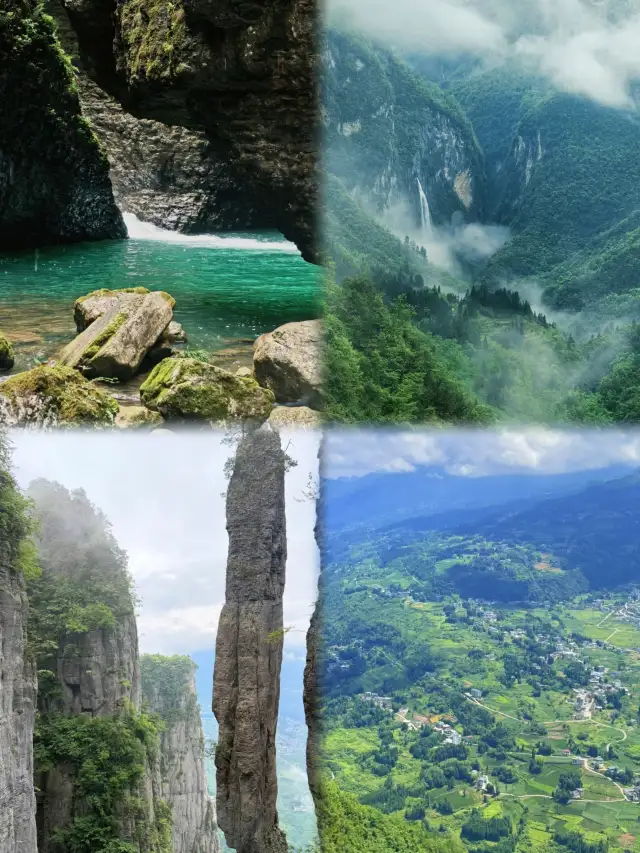 Enshi is beautiful. I sincerely recommend visiting in summer to escape into a natural 22℃ air-conditioned roomWhile the whole country is in “barbecue mode” 🔥 I was sleeping under a light blanket in Enshi until I woke up naturally! No air conditioner noise, just mountain breezes passing through the forest. Enshi is like a jade embraced by mountains, with over 85% forest coverage. Every breath is a gift of negative oxygen ions. In summer 2026, major scenic spots will be fully upgraded, precisely solving the four major issues of “tiredness, congestion, heat, and crowds.” This guide covers location, food, accommodation, routes, photo spots, and pitfalls—just follow it like homework 📝 · 📍 About location Enshi is hidden in the Wuling Mountains in southwest Hubei, a summer retreat on the 30° north latitude line. Major attractions are scattered among mountain folds. It takes about 1.5–2 hours from the city to Enshi Grand Canyon and about 2.5–3 hours to Pingshan Canyon. Although the journey takes some time, the scenery along the way is so beautiful you won’t want to blink. The switch from heat to coolness is truly refreshing! · 🍜 Food recommendations (so good they’ll make you cry) Enshi has so many delicious foods! Here’s a must-eat list treasured by locals: 🥔 Enshi baked potatoes: selenium-rich small potatoes are boiled then pan-fried. The skin is golden, crispy, and chewy, while the inside is soft. Dip in spicy sauce and you won’t want to stop eating. Night market stalls are everywhere, cheap and tasty! 🫕 Zhangguan hezha: Enshi’s most iconic home-style dish. Soybean slurry is ground but not filtered, mixed with vegetable leaves and minced meat broth, then a raw egg is stirred in and served over rice. Absolutely amazing! Around 30 yuan per person to eat until full. 🥓 Smoked pork hock hot pot: smoked and air-dried pork hock slow-cooked with selenium-rich potatoes. The broth is rich and savory, with a strong smoky flavor. The potatoes are soft and sticky, perfect with rice! 🐟 Xuan’en grilled live fish: fresh fish from Qingjiang River is “grilled then pan-fried,” crispy outside and tender inside, served with pickled radish. The fish is fresh and the broth rich. 🌮 Enshi fried dough + bean curd sheets: a breakfast must! The fried dough is golden and crispy; bean curd sheets can be stir-fried, served in soup, or mixed dry, with great elasticity. Enshi food tends to be spicy. If you can’t eat spicy, be sure to mention it in advance! · 🏠 Accommodation guide (choose as needed) 🏙️ City accommodation: recommended to stay near Wuyangba or the train station for convenient transport and concentrated food options. Single or double rooms cost about 100–150 yuan per person per night. Homestays near the train station have full smart controls and giant screens for a super comfortable movie experience. 🏔️ Scenic area accommodation: to experience mountain views, stay at homestays in Mufu ancient town near the Grand Canyon. You can see the mountains from your window and walk to the attractions easily. Prices range from 120–200 yuan per night. For Pingshan Canyon, it’s best to stay in Hefeng county the night before to get an extra half hour of sleep the next day. 🌊 “Seaside homestays”: Enshi has no sea, but cliff cloud seas, Qingjiang waterfront, and canyon water-edge homestays are in high demand. If your budget allows, choose cave hot spring homestays for a full experience; for cost-effectiveness, pick panoramic cliff homestays. · 🗺️ Route planning (classic 3 days 2 nights) Day 1: city culture + night market vibes 🏯 After arriving in Enshi, visit Tusi City (50 yuan ticket) to see the Jiujintang stilted buildings. In the evening, go to the free Tujia Daughter City to watch the hand-waving dance, drink smashed bowl wine, and try all the food on the street. On weekends, there are free folk performances! Day 2: full-day hike in Enshi Grand Canyon ⛰️ Start at 6:30 AM! The park is divided into two main areas: Qixingzhai (mountain peaks and forests) and Yunlong Rift (canyon waterfalls). Enter and explore Yunlong Rift first, then climb Qixingzhai for better energy management. The whole trip takes 5–6 hours, about 20,000 steps! The new free parallel elevator saves a lot of leg strength. Day 3: Pingshan Canyon — “China’s Semporna” 🛶 Get up early and head straight to Pingshan Canyon to catch the best light for photos of the floating boats! Spend 2–3 hours here. Taking a boat into the canyon’s depths is the best experience. Return in the afternoon. 💡 If you have extra time, add a day 4: choose between Sobuya Stone Forest (460 million-year-old underwater stone forest, great for photos) and Tenglong Cave (Asia’s largest karst cave, constant temperature 14–18℃). · 📸 Photo spots (every shot is a masterpiece) ✨ Pingshan Canyon: the absolute star! “China’s Semporna” lives up to its name. Small boats float on Tiffany blue glass lakes. Best time: 9–11 AM when sunlight penetrates the water. Outfit: light-colored dresses or shirts in white, light blue, and turquoise match the water best. Photo spot: near the Ada waterside platform for floating boats. ✨ Enshi Grand Canyon: best light around 10 AM; side shots at cliff walkway corners capture stunning layered mountains; after rain, you can see “earth core rainbows” in Yunlong Rift. ✨ Tusi City: Jiujintang stilted buildings look most majestic when shot at a 45-degree upward angle. ✨ Sobuya Stone Forest: in the narrow gaps of Lotus Village, Tyndall light beams create magical effects. Red dresses make every shot a masterpiece. ✨ Daughter City: liveliest at dusk, with night views and Tujia architecture creating a strong atmosphere. · ⚠️ Pitfall guide (lessons learned the hard way) 1️⃣ Booking is the biggest trap: all popular scenic spots require booking 3–7 days in advance! In peak season, the Grand Canyon limits daily visitors to 25,000 and Pingshan to 12,000. Buying tickets on-site is likely to be sold out. 2️⃣ Bring the right gear: non-slip sports shoes are essential! The canyon is very slippery. Bring strong mosquito repellent. A light jacket is a must—the canyon is cool, and Tenglong Cave stays 14–18℃. Raincoats are more convenient than umbrellas. 3️⃣ Weather affects experience: after heavy rain, Pingshan Canyon’s water turns murky, and the “glass sea” becomes “mud soup.” Check the weather before you go. Foggy days at the Grand Canyon are a waste. 4️⃣ Don’t trust roadside touts: those claiming to get you cheaper entry are scams. Don’t trust “guides” or “ticket-evading shortcuts.” Unexplored mountain areas have no signal and are easy to get lost in. 5️⃣ Beware of shopping traps: don’t trust merchant claims or verbal promises. Avoid buying expensive items you don’t understand just because others do. 6️⃣ Safety first during flood season: avoid wild streams! Enshi has banned unauthorized entry into undeveloped areas. 7️⃣ Graduate benefits: 2026 middle and high school exam takers can enter over 30 scenic spots for free with exam admission ticket and ID! Don’t miss this chance 🐑 · Enshi’s summer is 22℃ breezes, jade-colored water, and endless Tujia delicacies. This summer, add Enshi to your itinerary—you won’t regret it 💚EffervescentEthlZephyr

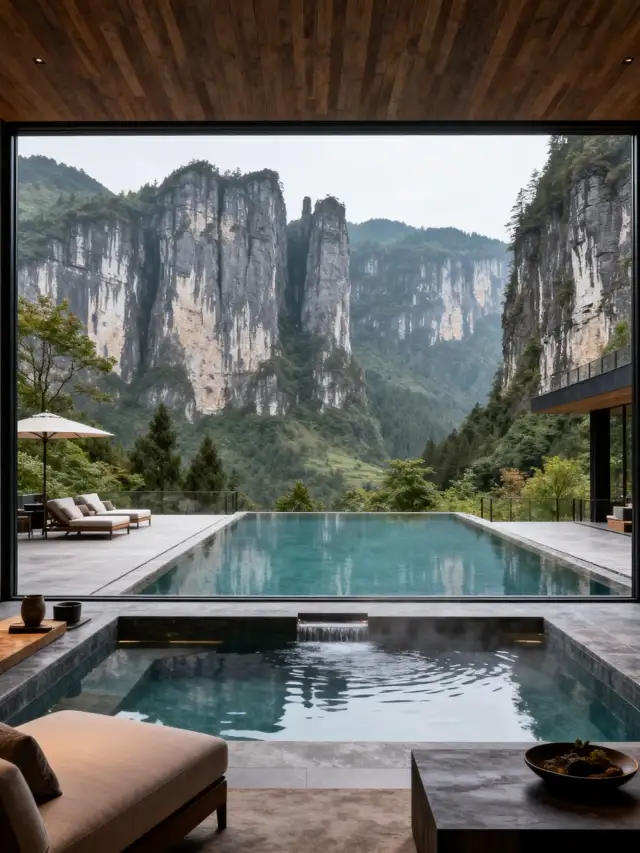 22℃ Canyon Hubei Summer Cooling Ultimate Guide💎 Foreword While the city suffers from stifling heat of 30-40℃, here it stays a constant 22℃ all year round! A natural deep mountain oxygen bar, cool and comfortable, no need for air conditioning at all. After personally testing for three days, this is definitely the best summer cooling destination in Central China, perfect for families, besties, and couples. Once you visit, you’ll never forget it. 🌡️ Why this place is the ultimate summer cooling spot ✅ The average temperature inside the canyon is 5-8℃ lower than the city, with the hottest noon only reaching 26℃ ✅ Over 95% vegetation coverage, walking entirely in the shade, almost no sun exposure ✅ Waterfalls and streams everywhere, cool off by stepping into the water when hot ✅ Negative oxygen ion content is 100 times that of the city, a natural lung cleanse ✅ Few people and beautiful scenery, no crowds, excellent experience 🗺️ Classic two-day one-night itinerary, easy and fun Day 1: Arrival and city rest Morning: Arrive at Enshi Station / Xujia Ping Airport, rent a car to go Afternoon: Visit Tusi City to learn about Tujia culture, eat and shop in the city Evening: See the night view at Daughter City, experience Tujia customs Night: Stay at a guesthouse near the Grand Canyon to recharge for the next day Day 2: Full-day deep tour of the Grand Canyon 07:00 Early start! Avoid crowds and heat (important) 07:30 Arrive at the visitor center, exchange tickets and take the shuttle 08:00-12:00 Qixingzhai Scenic Area (comfortable morning temperature) 12:00-13:30 Lunch and rest on the mountaintop 13:30-16:30 Yunlong Rift (the coolest place!) 17:00 Return trip, end a perfect day 📍 Two core scenic spots tested guide [Qixingzhai: Walking in the Clouds]⭐⭐⭐⭐⭐ The essence of karst landforms, hiking above the clouds 💡 Effort-saving route (personally tested, not tiring): Visitor Center → Ground Cable Car → Uphill Cableway → Cliff Walkway → Incense Burner Peak → Twin Towers → Welcoming Pine → Escalator down ✅ Mostly downhill, saving 70% energy ✅ Must buy the cableway ticket! Climbing takes 3 hours, too tiring to enjoy ✅ Must take the escalator! Saves 2,000 steps downhill ✅ Total hiking about 4 hours, slow pace is not tiring [Yunlong Rift: Summer Cooling Core]⭐⭐⭐⭐⭐ The coolest place in the entire scenic area, bar none! 💡 Must experience: ・The entire rift is surrounded by mountains and dense forest, no sun exposure ・Waterfalls everywhere, mist in the air, more comfortable than air conditioning ・Constant 20℃ at the valley bottom, can feel a bit cold after a while ・Rainbow Waterfall is a must-see! Double rainbows appear on sunny days ・Stepping and playing in the water, the happiest thing in summer ⚠️ Pre-trip gear checklist, nothing can be missed 👟 Shoes: Non-slip hiking shoes! Moss in the rift is very slippery, flip-flops and sandals will cause falls 🧥 Clothing: Quick-dry clothes + light jacket, it’s really cold at the valley bottom 🦯 Trekking poles: 2 yuan each in the scenic area, a knee-saving miracle 🌂 Rain gear: Thin raincoat is more practical than umbrella, mountain rain comes suddenly 🧴 Sunscreen: Hat + sunglasses + sunscreen, strong UV on the mountaintop 💧 Others: Thermos (drinking water available in the park), mosquito repellent, knee protectors 🎫 How to buy tickets for the best value Recommended to buy the 370 yuan full package, including: ・Qixingzhai ticket 105 yuan ・Yunlong Rift ticket 50 yuan ・Ground cable car 30 yuan ・Scenic shuttle 20 yuan ・Uphill cableway 105 yuan ・Downhill escalator 30 yuan ・Vertical elevator 30 yuan 💡 Looks expensive but really saves energy, the most important thing is to enjoy without fatigue! Buying separately is more expensive. ⏰ Best time to visit • Months: June to August, best for summer cooling, waterfalls at their fullest ・Days: Weekdays > weekends, fewer people, better experience ・Time: Enter between 7:00-8:00 to avoid tour groups ・Weather: Best after light rain! High chance of sea of clouds, spectacular waterfalls ⚠️ Pitfall guide, learned from painful experience 1️⃣ Don’t join tour groups! The schedule is rushed, can’t enjoy properly 2️⃣ Don’t enter after 10 AM! Tour groups arrive, 2-hour lines 3️⃣ Don’t wear flip-flops! Moss is slippery enough to make you doubt life 4️⃣ Don’t eat at the scenic entrance! Expensive and bad food, bring your own snacks 5️⃣ Don’t trust roadside touts! They lie about shortcuts 6️⃣ Don’t climb at noon in summer! Although cool, the mountaintop is still sunny 💫 Final thoughts This is truly the most comfortable place I’ve been to in summer. No air conditioning needed, no sun exposure, walking in the canyon with a 22℃ mountain breeze, listening to waterfalls, all worries disappear. If you want to escape the city heat, come here—you won’t be disappointed. --- Accommodation 🏨 Yunshanban VillaSIERRA Guesthouse (Enshi Grand Canyon Branch) Nestled between the canyon’s cloud peak cliffs, a cloud-top secret realm "sleeping with the mountains, dancing with the clouds," blending the grandeur of the Wuling Mountains with Tujia and Miao culture, 270° panoramic floor-to-ceiling windows with mountain views. 🏨 Yunyin·Yia Cliffside Guesthouse (Enshi Grand Canyon Luyuanping Branch) A secret guesthouse on the cliff of Niujiaowan Village, outdoor infinity pool with river view rooms, pet-friendly, private shuttle service, watch the sea of clouds rolling from your bed. 🏨 Shanhe·Jiyue Wild Luxury Guesthouse (Xuan’en Chunmuying Branch) A wild luxury secret realm on the high mountains of Chunmuying, panoramic floor-to-ceiling windows framing the four seasons of mountain scenery, average altitude 1600 meters, summer average temperature 20℃, a true summer paradise. 🏨 Enshi Yunyin Tea Mountain Dialogue Hot Spring Villa Guesthouse Located in the tea gardens of Yangjiashan, Tunpu Township, surrounded by tea mountains with hot springs entering the house, excellent location and rich facilities, an ideal resting place to explore the beauty of Enshi. ---CharlotteFraser421


Other visitors' reviews of Enshi Tusi City
Show More ReviewsSeniors aged 60-69 get half-price tickets. The Jiujintang (Nine-Tiered Hall) is built against the mountain, gradually ascending in height with many steps. The city wall also follows the contours of the mountain, with numerous steps. Seniors should proceed with caution. The park has a pleasant environment with abundant greenery. Traditional Tujia dance performances are available for an additional fee. Many areas within the park are quite dilapidated and are currently undergoing maintenance and improvement.