Sha Mian
沙面 Based on 1,984 review
 No. 17 of Night Attractions in Guangdong
Opening hours of Sha Mian
Sha Mian attraction highlights
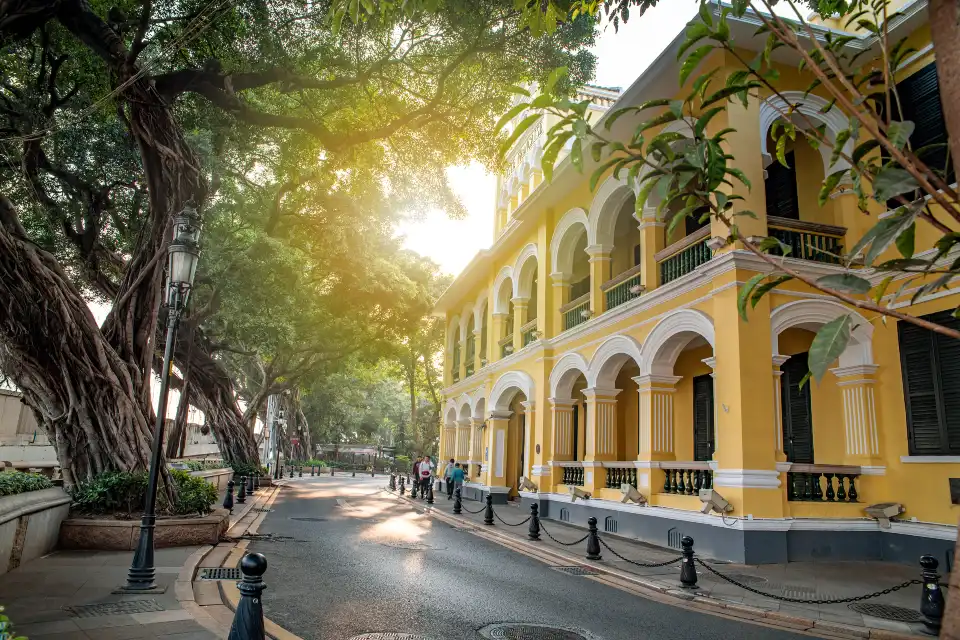
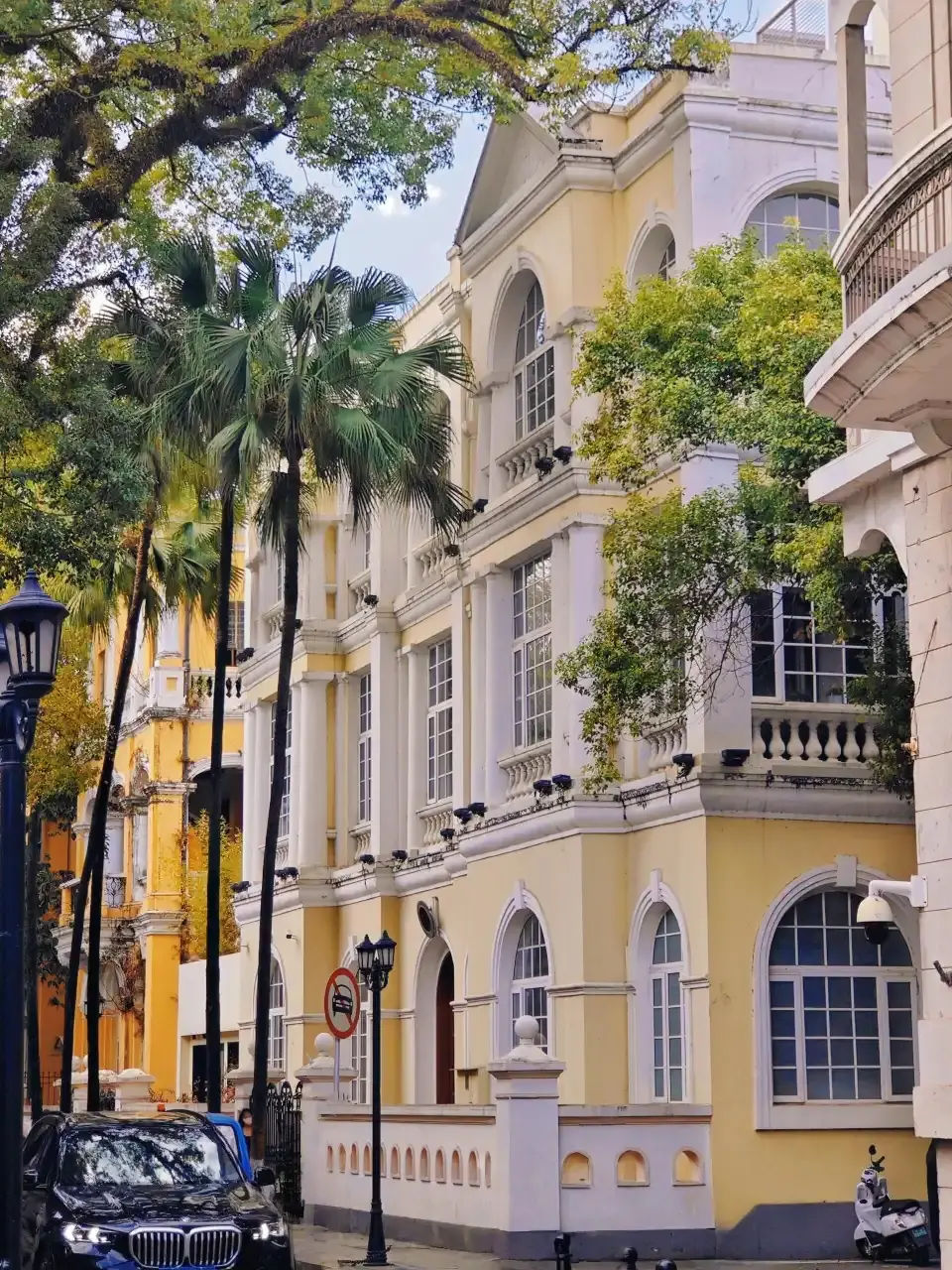
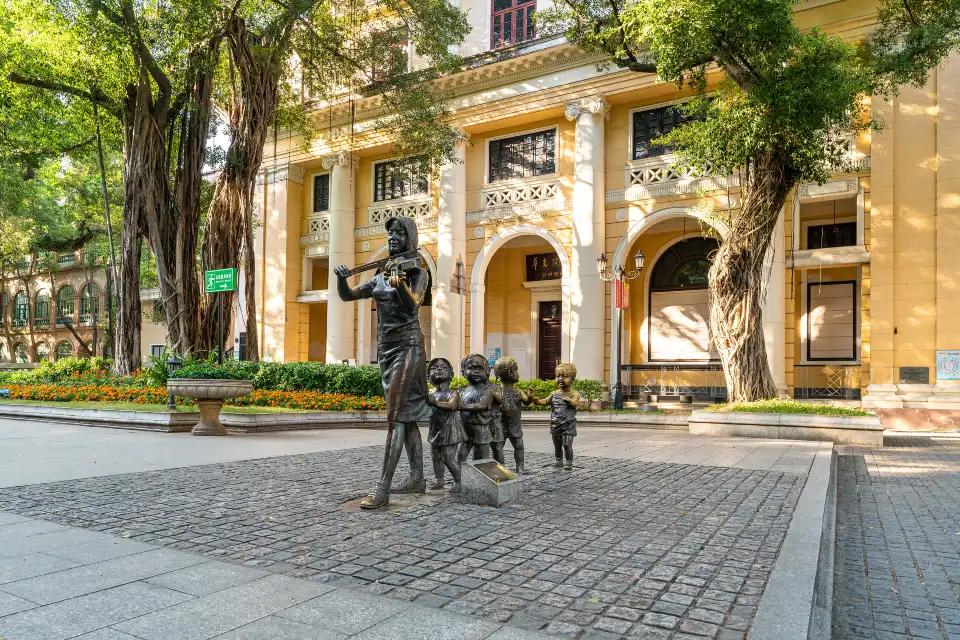
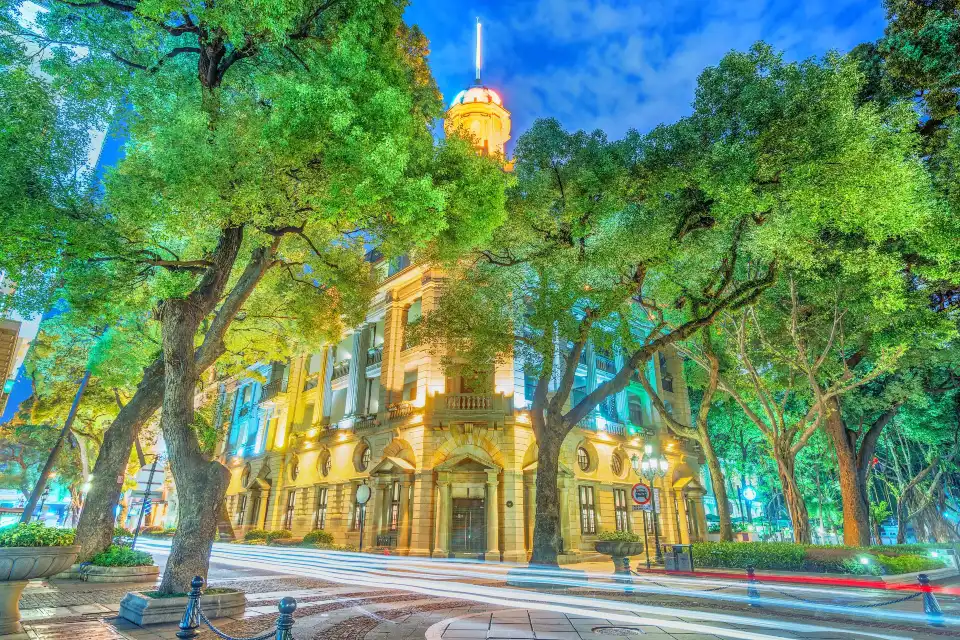
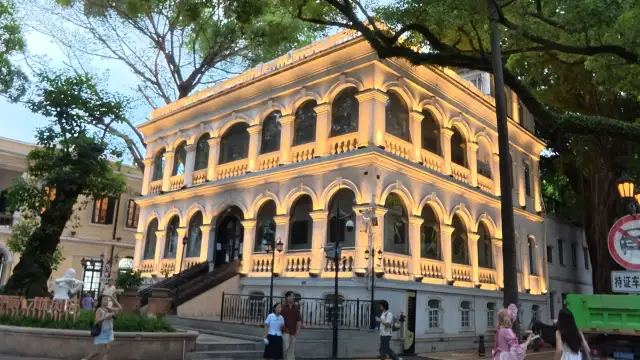
Sha Mian is a small island formed by alluvial deposits on the banks of the Pearl River's White Goose Pool. Formerly known as Shicui Zhou, it became home to clusters of European-style buildings left by consulates, banks, and foreign firms since the mid-19th century. Today, it stands as Guangzhou's exotic open-air architectural museum. The compact island is easily explored on foot, with Western street elements like statues, pavilions, flower beds, wooden benches, and fountains scattered throughout its lanes. Combined with the shade of century-old trees, every step feels like stepping into a vintage European streetscape painting.
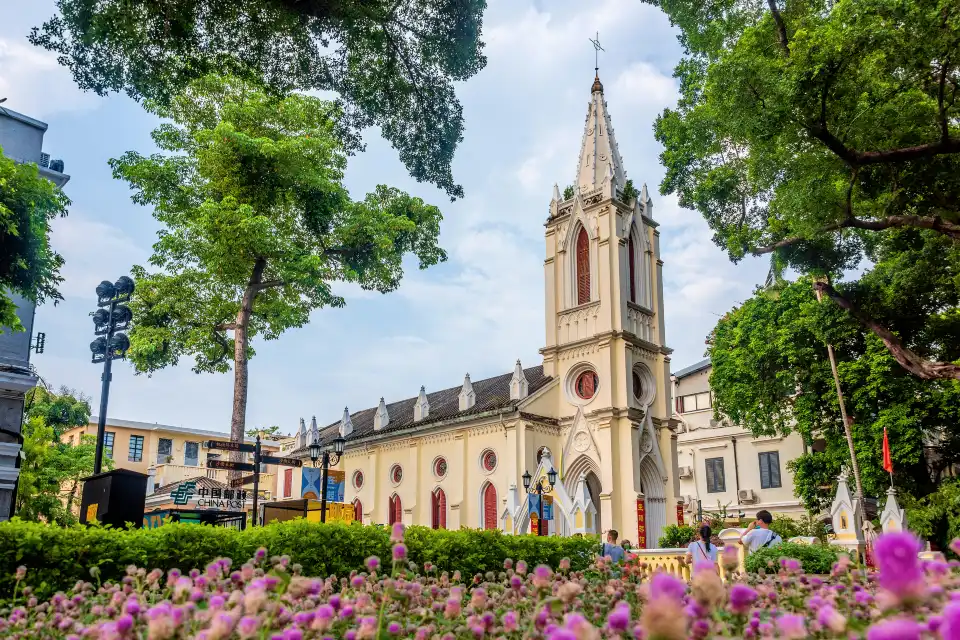
The island's highlights begin with its architecture: along the streets stand over 150 European-style buildings, including dozens of distinctive structures in Neo-Baroque, Gothic Revival, arcade-style, Neoclassical, and Sino-Western fusion styles. The red building at No. 2-6 Sha Mian Avenue was originally the Customs Officers' Club, built with red bricks and standing three stories tall, featuring pointed attic roofs on its north and south facades in imitation of 19th-century British Romanticism. No. 54 Sha Mian Avenue, formerly the HSBC Bank, is a four-story building with continuous exterior columns on the second floor extending to the third-floor roof, topped by a striking dome pavilion on its southwest corner. No. 48 Sha Mian Avenue exemplifies arcade-style architecture, with arched corridors on all sides and walls finished with washed pebble dash. The modestly scaled and simply structured Our Lady of Lourdes Chapel at No. 14 Sha Mian Avenue features a photogenic small Gothic Revival entrance porch. Sha Mian South Street's Christian Sha Mian Church houses elegant stained-glass windows, making it a dedicated stop for many visitors.
With picturesque scenes everywhere, newlyweds taking wedding photos are often seen on the island, and artistic travelers also love to capture its views. We recommend strolling slowly along Sha Mian Street, then turning onto the riverside promenade on South Street, where the century-old banyan tree faces the expansive river view of White Goose Pool—especially beautiful in the evening light. As the city lights up, settle into a café housed in a historic Western-style building, gazing at the river through the window for a unique ambiance.
Sha Mian Reviews: Insider Insights and Visitor Experiences
Sha Mian Photos: Trip Moments

- guangzhoutravel
- รีวิวกว่างโจว
- เกาะซามิน
- shamianisland
- starbucksharrypotter
- เที่ยวจีน
- กว่างโจว2026
- guangzhouhiddengem
Unlocking Shamian Island: European Colonial Chic in the Heart of Guangzhou.Who says a trip to China is all about modern skyscrapers and ancient temples? Drop a pin and follow me! Today, I’m taking you on a leisurely stroll to check in at "Shamian Island". This former concession zone is packed with classic Western-style architecture, lush towering trees, and epic photo spots that will make any content creator scream. Do not go home until your camera roll is totally maxed out! 📸✨ 📌 Check-in Points: Must-visit photo highlights on the island: ⛪ The Dreamy Pastel Cream Christian Church This eye-catching soft-colored church features stunning Western architecture with gorgeous spires and multi-layered arched doorways. The chic twist? It's flanked by red fabric banners with gold Chinese characters right at the entrance—the absolute perfect blend of East meets West vibes! 🏛️ Ancient Stone Buildings & Historic Streets · Traditional European stone buildings contrasting with bright red flower bushes out front, complete with balconies and grid glass windows. It literally feels like you're wandering through an old town in France! · A long walkway stretching alongside classic white colonial buildings, alternating with the dappled shade of giant trees. The fluttering Chinese flags add a deep, international-yet-authentic Chinese travel mood. · Dark raw concrete buildings in Italian Neo-Classical style, standing out with orderly arched windows and doorways against the lush green canopy. It gives off the ultimate vintage, retro aesthetic. 🧙♂️ The Ultimate Landmark: Harry Potter x Starbucks Collab! Let me tell you, this is easily one of the most beautiful Starbucks in China! Set inside an old colonial mansion painted in mint green and white, the grand entrance and second-floor balcony are absolutely breathtaking. And now that it’s decked out in a Harry Potter theme, the aesthetic is just off the charts! · A golden Gryffindor crest light-up sign sits right next to the iconic green Siren logo on the facade. · Giant checkered canvas banners—Gryffindor red and Slytherin green—drape down from the second-floor balcony, flanking the circular Starbucks sign. · Step inside, and you’re greeted by hundreds of Hogwarts acceptance letters hanging from the iron-grid ceiling, floating above a massive world map on the wall. The magical vibes are so real—Potterheads, you will literally faint from joy! 📷 Cool Street Art with the Uncle Photographer Wrap up your tour at this highly popular photo spot featuring a bronze statue of an uncle holding a giant telephoto lens camera aimed at the street. It’s surrounded by the lush banyan roots hanging from the massive trees in the area. 🗺️ Location & How to Get There: · Location: Shamian Island (沙面岛), Guangzhou City, Guangdong Province, China · Transportation: Take Guangzhou Metro Line 1 or Line 6, get off at Huangsha Station, and take Exit F. From there, just walk across the pedestrian bridge to enter the island. Super easy and convenient! 💡 Influencer Trick: I highly recommend coming in the late afternoon. The dappled sunlight filtering through the leaves onto the old buildings creates the softest, most flattering glow for portraits. It definitely gives off that expensive, "old-money vacationing abroad" aesthetic! 👑✨เที่ยวกับ Bunny7
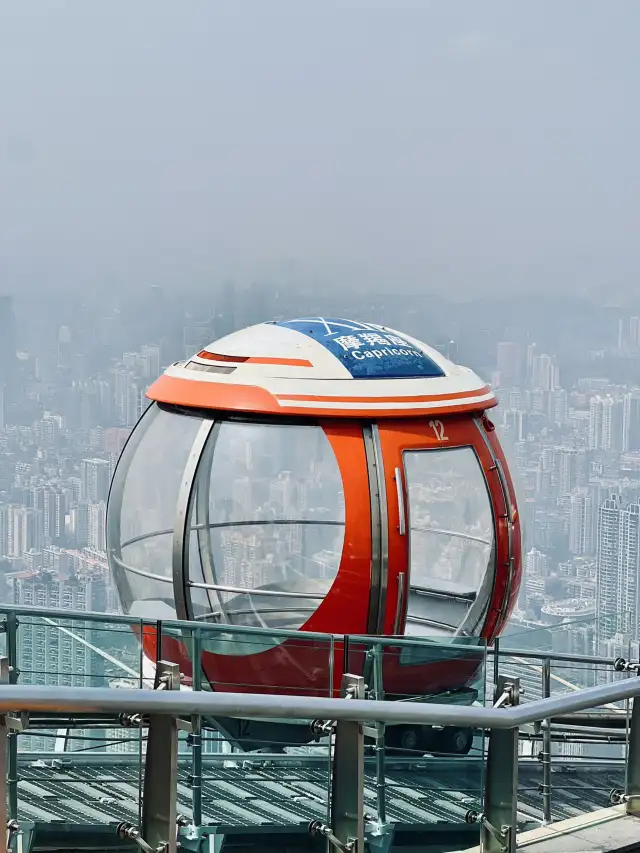 10 Must-Visit Places in Guangzhou for First-Time Visitors 🇨🇳Planning your first trip to Guangzhou? Here are 10 places you shouldn't miss. Most of these attractions are easily accessible by Guangzhou Metro, making them perfect for a 2–3 day itinerary. 1. Canton Tower ⭐⭐⭐⭐⭐ The most iconic landmark in Guangzhou. Don't just admire it from the ground—make sure to ride the Bubble Tram! This glass tram circles the top of the tower and offers breathtaking 360° views of the city skyline. Visit around sunset and stay until night to enjoy the city's spectacular lights. 2. Huacheng Square A vibrant public square surrounded by Guangzhou's modern skyline. It's one of the best places to admire Canton Tower, especially in the evening when the city lights come alive. 3. Haixinsha Island Located beside the Pearl River, this peaceful park offers beautiful waterfront views and is perfect for a relaxing stroll or taking photos of Guangzhou's skyline. 4. Beijing Road Pedestrian Street One of Guangzhou's most famous shopping streets, packed with local restaurants, souvenir shops, and international brands. Don't miss the ancient road ruins preserved beneath transparent glass. 5. Dongshankou One of Guangzhou's trendiest neighborhoods, known for its historic villas, stylish cafés, boutique shops, and photogenic streets. It's the perfect place to slow down and experience the city's creative side. 6. Shamian Island A charming historic district featuring elegant European-style buildings, quiet tree-lined streets, and plenty of beautiful photo opportunities. 7. Yongqing Fang A beautifully restored cultural district where traditional Lingnan architecture meets trendy cafés, local boutiques, and creative art spaces. 8. Lychee Bay Take a relaxing walk along the canals or enjoy a traditional boat ride while exploring one of Guangzhou's most picturesque historic neighborhoods. 9. Tianhuan Plaza One of the city's most popular shopping destinations, featuring international fashion brands, excellent restaurants, cafés, and a modern atmosphere that's loved by both locals and visitors. 10. Chen Clan Ancestral Hall A masterpiece of traditional Cantonese architecture, famous for its intricate wood, brick, and stone carvings. It's one of the best places to learn about Guangzhou's rich cultural heritage. Travel Tip 💡 Most of these attractions are located within the city center and are connected by Guangzhou Metro, so you can comfortably explore them in just 2–3 days without needing a car.Lens by Sheilla200


- guangzhou
- chinatravel
- shamianisland
- canton
- pursuitofjade
Local Life Unseen🤍 GUANGZHOUIn the middle of one of China’s biggest cities… this exists 🌿🇨🇳 Shamian Island feels like wandering through a dream. One street feels like London, the next like the south of France. Over 150 colonial buildings perfectly preserved in the heart of China 🏛️ But the real magic? The locals 🤍 Elderly ladies dancing with fans under the trees. A group of seniors gathered around card games or singing traditional songs together in the open air. This island doesn’t belong to tourists. It belongs to them, and for a few hours, they let us in with joy and smile🎋 📍 Shamian Island — Liwan District, Guangzhou 🚇 Metro Line 1 — Huangsha Station, Exit F 💰 Free entry — open 24h Save this for your Guangzhou trip 🔖 #guangzhou #chinatravel #shamianisland #canton #pursuitofjade shamian island guangzhou canton fair friendship gardenOff with Sam3

- travel2026
- travel
- couplestrip
- staycation
- thingstodo
- familytravel
- myitinerary
- citydaytours
- china
- 1
- 2
Before you visit Guangzhou, know these 9 things that locals rarely mention.Guangzhou rewards travellers who slow down. It's a city where centuries-old temples stand beside futuristic skyscrapers, where neighbourhoods still wake to the sound of morning dim sum, and where some of the best meals you'll eat are hidden behind the plainest shopfronts. Many first-time visitors focus only on the famous landmarks, but the real pleasure lies in understanding how the city moves. A little local knowledge will make your visit far smoother—and far more memorable. ☀️ Best time to visit The most comfortable seasons are autumn (October to early December) and spring (March to April). Autumn is particularly enjoyable because the humidity eases, skies are often clearer, and walking through older neighbourhoods becomes much more pleasant than during the long, hot summer. Outdoor attractions, riverside promenades and evening markets are all at their best when temperatures are moderate. Although dim sum is now enjoyed around the world, Guangzhou remains one of the finest places to experience it as locals do. Rather than treating it as brunch, think of it as a leisurely meal shared over tea, with dishes arriving gradually. Instead of ordering only familiar favourites, include one or two seasonal specials alongside classics such as shrimp dumplings and steamed barbecue pork buns. Many restaurants prepare certain dishes fresh throughout the morning, which is one reason locals often arrive early. 📸 Best photo location - Walk along the Pearl River around sunset. The skyline gradually lights up as daylight fades, creating one of Guangzhou's most recognisable views. You'll see modern towers reflected in the water while sightseeing boats begin their evening cruises, giving the river a lively but elegant atmosphere. Rather than photographing from the busiest viewing points, stroll a little farther along the riverside promenade. A slightly different angle often captures both the river and skyline without the largest crowds appearing in your frame. 💰 Smart money-saving tip Use Guangzhou's Metro whenever possible. The network is extensive, reliable and reaches most places visitors are likely to explore, including shopping districts, historical areas and transport hubs. It's almost always cheaper—and frequently faster—than taking taxis through city traffic. If you're planning several journeys in one day, relying on the Metro can save both money and considerable time, particularly during morning and evening rush hours. ⭐ Hidden gem Spend time on Shamian Island instead of rushing through it. Many visitors stop briefly for photographs before moving on, but the island is best appreciated slowly. Its tree-lined streets, historic European-style buildings and peaceful cafés offer a completely different atmosphere from the surrounding city. Arrive early in the morning when local residents are out walking and the streets remain wonderfully quiet. The softer light also makes the architecture particularly attractive for photography. 👀 Another hidden gThe Savvy Traveler16
- travelersvoice
- chinatravelcircle
- slowtravel
The Day I Dared to Wing It in Guangzhou 🇨🇳🥟Everyone told me I had to meticulously schedule every minute through an overwhelming maze of futuristic skyscrapers, chaotic mega-malls, and rushing Cantonese crowds or risk getting completely lost in southern China's industrial giant. But the moment I ripped up my itinerary, stepped off the subway on a total whim into the labyrinthine, arcade-shaded alleyways of the historic Xiguan district at dawn, and let my instincts guide me past old brick courtyards without a map or a destination, the true, deeply human and fragrant soul of the city hit me instantly. Sitting alone in a bustling morning teahouse amid steam-filled bamboo baskets and clinking porcelain, guided by pure spontaneity rather than a tourist schedule, proved that the best adventures happen when you completely let go and wing it. 🥟✨ . 📅 What I experienced · Winging the Historic Alleys: Wandering without a map through the ancient, preserved Qilou arcade streets of Liwan, discovering quiet herbal tea shops far from the glass towers. · Chasing Sunrise on the Pearl River: Deciding on the spot to walk the misty riverside promenade at first light, watching local morning tai chi practitioners move in absolute silence. · Exploring Shamian Island: Drifting aimlessly across the old colonial footbridges lined with moss-draped banyan trees and pastel European facades as the morning fog lifted. . 🏨 Where I stayed · I grabbed a charming, last-minute boutique room tucked away in a restored historic courtyard building in the old quarter, waking up to the gentle chatter of local neighbors and brewing tea. 🛏️🍵 . 🍴 My culinary highlights · I followed a sudden craving into a packed, steamy neighborhood morning eatery and savored traditional *dim sum*—delicate, freshly steamed shrimp *ha gao* and pork *siu mai*—paired with hot pots of floral jasmine tea. 🥢🌿 . 📌 My tips for visiting · Embrace "Plan It to Wing It": Ditch the rigid hour-by-hour schedules and leave your mornings open to whatever hidden alley or local market catches your eye. · Download an Offline Map App: Guangzhou's historic neighborhoods form an intricate maze where spontaneous turns lead to magic, so keep your navigation tools handy for finding your way back. · Pack Lightweight Breathable Layers: Southern China's sub-tropical climate brings intense humidity, so wearing loose, cool fabrics makes spontaneous walking effortless. 📸🎒 #travelersvoice #chinatravelcircleEddyG128
- chinatrip
广州热门打卡点:沙面岛Shamian Island is one of the most charming and photogenic spots in Guangzhou, offering a completely different atmosphere from the city’s modern skyline. Tucked along the Pearl River, this small, tree-lined island feels like a quiet European enclave in the busy city of Guangzhou. Once a foreign concession during the 19th century, Shamian Island is filled with beautifully preserved colonial-era architecture. Elegant mansions, churches, and consulates in Baroque, Gothic styles line the streets, painted in soft pastel tones and shaded by towering banyan trees. Walking here feels like stepping into another era, where every corner tells a story of Guangzhou’s past. The island is perfect for a slow, relaxing stroll. Wide pedestrian paths, peaceful gardens, and riverside views make it especially enjoyable for families, couples, or anyone looking to escape the city’s hustle. You’ll often see locals walking their dogs, artists sketching, and visitors pausing to admire the intricate details of the old buildings. #chinatripMyLittleTraveller8
 Shamian Island in Guangzhou is so beautiful, perfect for photos on sunny daysHere’s a guide to checking in at Guangzhou’s Western-style architecture on a sunny day! Sunshine is the best filter, and these two spots will give you amazing shots with just a casual snap📸 💒 Shamian Island The most European-style area in Guangzhou, like an open-air architectural museum. The century-old Western-style buildings glow with a soft yellow light under the sun, making every photo look cinematic. The two most recommended check-in spots: 1️⃣ Shamian Church White Clock Tower This neo-Gothic church’s spire pierces the blue sky. On sunny days, you can capture stunning compositions of the clock tower and white clouds. It’s best to visit before 10 AM or after 3 PM when the light is gentler. 2️⃣ Mint Green Starbucks A trendy café converted from colonial-era architecture. The terrace on the second floor offers views of cobblestone streets shaded by green trees. 🏨 Kyriad Hotel (Foshan New City Lecong Branch) Although not in Guangzhou, it’s definitely worth a detour! The pure white modern building complex looks like a work of art. Two amazing photo spots are recommended: ✔️ Hotel Main Entrance Fountain Plaza The geometric lines of the building facade paired with the reflective pool create a “sky mirror” effect on sunny days. ✔️ Top-floor Executive Lounge Panoramic floor-to-ceiling windows face the Foshan New City skyline. The best light is during afternoon tea time (remember to reserve a window seat in advance). 📸 Photo Tips 1. Wear solid colors for better photos, white or khaki are recommended. 2. Visit Shamian Island on weekday mornings to avoid crowds. 3. Bring a wide-angle lens to capture the full architecture panorama. 4. On sunny days, don’t forget sunscreen and a reflector. 🚗 Transportation Guide Shamian: Exit E at Cultural Park Station on Metro Lines 6/8, then a 10-minute walk. Kyriad: A 10-minute taxi ride from Xincheng East Station on the Guangfo Line; free parking available if driving.Benjamin Smith8 Stillness2


- mytraveldiary
- shamianarchitecture
- colonialhistory
- europeanstyle
- guangzhouheritage
- photowalk
- mytraveldiary
Vlog | Shamian Colonial Architecture: European Elegance 🏛️📸#mytraveldiary Stroll through Shamian Island’s historic district, where 19th-century European-style buildings—former consulates and trading houses. They are all painted in pastel hues create an open-air museum of colonial history. 📍Shamian Island 🎥Photo tips: Morning light, vintage outfits #ShamianArchitecture #ColonialHistory #EuropeanStyle #GuangzhouHeritage #PhotoWalkkkkkkgsu18
 The Perfect 3D2N Guangzhou Itinerary (First Timer’s Guide)If you’re visiting Guangzhou for the first time, this 3-day itinerary covers the city’s best mix of modern landmarks, historic neighborhoods, trendy cafés, and local culture. Most attractions are easily accessible by metro, making it perfect for independent travelers. ⸻ Day 1 – Modern Guangzhou & Skyline Views 3. 00 PM – Arrive in Guangzhou & hotel check-in 4. 30 PM – Huacheng Square Walk through Guangzhou’s modern CBD surrounded by impressive skyscrapers. 5. 30 PM – Canton Tower Arrive before sunset to enjoy both daytime and nighttime views. 6. 30 PM – Bubble Tram (Cable Car) Ride the famous Bubble Tram around Canton Tower during golden hour for the most spectacular views over the Pearl River. 7. 30 PM – Pearl River Night View Enjoy the illuminated skyline and riverside promenade. 8. 30 PM – Dinner nearby before returning to the hotel. ⸻ Day 2 – Explore the Historic Side of Guangzhou 8. 00 AM – Breakfast 9. 00 AM – Shamian Island Stroll through peaceful European-style streets filled with colonial architecture and beautiful cafés. 10. 30 AM – White Swan Hotel Promenade 11. 00 AM – Lychee Bay Scenic Area Walk along traditional canals lined with old Lingnan-style buildings. 12. 00 PM – Yongqing Fang One of Guangzhou’s most charming heritage districts, combining restored historic buildings with trendy cafés, boutiques, and local snacks. 1. 30 PM – Lunch 2. 30 PM – Chen Clan Ancestral Hall Admire one of China’s finest examples of traditional Cantonese architecture. 4:30 PM – Liwan Lake Park Relax beside the lake and enjoy a quieter side of the city. 6. 30 PM – Beijing Road Pedestrian Street Explore Guangzhou’s most famous shopping street while sampling local street food. 7. 30 PM – Dafo Temple Visit after dark when the temple is beautifully illuminated. ⸻ Day 3 – Trendy Neighborhoods Before Departure 8. 30 AM – Breakfast 9. 30 AM – Dongshankou Discover Guangzhou’s trendiest neighborhood filled with independent cafés, vintage shops, and historic villas. 11:30 AM – Café hopping & photo spots 1. 00 PM – Lunch 2. 00 PM – Last-minute shopping or relax before heading to the airport or railway station. ⸻ Bonus Travel Tips · Visit Canton Tower around 5:30 PM to experience both sunset and the city lights. · Bubble Tram is most beautiful during golden hour or after dark. · Explore Shamian Island early in the morning for fewer crowds. · Visit Dafo Temple after sunset when it’s illuminated. · Wear comfortable walking shoes—this itinerary covers around 15,000–20,000 steps per day. · Use the Guangzhou Metro to save both time and money.Lens by Sheilla430
 Next to Beijing Road in Guangzhou! The duplex by the Pearl River is perfect for family tripsVisiting Beijing Road in Guangzhou, staying at this apartment by the Pearl River is so comfortable and offers great value for money! ✅ Walking distance to Pearl River and Beijing Road ✅ Spacious, perfect for the whole family ✅ High cost performance ✨ Amazing location: Just minutes to the Pearl River, close to Beijing Road pedestrian street, convenient for going to Shangxiajiu and Shamian, perfect for shopping and dining🛍️ ✨ Super spacious: Duplex with two bedrooms, fits five people comfortably, with a kitchen, fridge, and washing machine, very convenient for a few days’ stay, no crowding for the whole family🍴 ✨ Comfortable shopping and dining: After dinner, take a walk by the Pearl River to enjoy the night view; during the day, explore the old town attractions nearby, full of authentic old Guangzhou vibes🌃Harper@890 Foster24


- yuexiupark
- guangzhoutrip
- guangzhou
- guangzhouguide
- guangzhoulife
Sha Mian Island 沙面岛A little piece of European charm in the heart of Guangzhou! Stepping onto Shamian Island feels like taking a quiet detour into history. With its tree-lined avenues and charming European-style architecture, it’s such a peaceful oasis right in the middle of Guangzhou. The slow pace, shaded walkways, and vintage pastel buildings make every corner so photogenic! #yuexiupark #guangzhoutrip #guangzhou #guangzhouguide #guangzhoulifelaicheryl17
- china
- guangzhou
- shamianisland
- travel2026
- travel
- familytravel
- architecturalbeauty
- architecturetravel
📸Shamian Island, An European Architectural🏛 Heritage, Guangzhou City✨Shamian Island, a captivating Guangzhou destination, showcases the city’s colonial history through preserved architectural heritage. A serene escape from modern Guangzhou’s skyscrapers and bustling streets, it features tree-lined boulevards with ancient banyan and kapok trees📸, and European-style buildings with arched doorways, red-tiled roofs, and intricate ironwork, each reflecting a bygone era. The riverside promenade overlooks the Pearl River, once witness to Chinese junks and European steamships, symbolizing the island’s cultural fusion. Here, locals stroll, artists sketch, and café-goers linger, immersed in a blend of Chinese traditions and Western colonial influences. Also romanized as Shameen or Shamin, from Cantonese (Sāmiàn, “sandy surface”), the island lies in Guangzhou’s Liwan District a low-lying Pearl River sandbank formed by centuries of sediment deposits. Spanning just 0.3 square kilometers, it is called an “outdoor museum of colonial architecture and culture” due to its dense historic buildings and layered history. Every cobblestone, brick, and window frame holds past stories, making it a treasure for history and architecture enthusiasts. The true significance of Shamian Island began to take shape in the 19th century, a period of profound upheaval in China’s history. Following the Opium Wars (1839–1842 and 1856–1860), the Qing Dynasty, weakened by military defeat and internal strife, was forced to sign a series of unequal treaties with Western powers. As part of these agreements, Shamian was ceded to France and Britain, marking the start of its transformation into a colonial enclave. From 1859 until 1943, the island was split into two distinct concessions: the British Concession to the east and the French Concession to the west. Each colonial power set about constructing its own administrative, commercial, and residential quarters, leaving an indelible mark on the island’s landscape. The British built banks, trading firms, and elegant mansions. 📍Adress : 14 Shamian Dajie, Shamian Island, Liwan District, Guangzhou City. 📌Easy Access via Metro : 🚉 Get in Line 1, Get of Huangsha Station. Evening is the best time to visit, especially when the light are turned on. #china #guangzhou #shamianisland #travel2026 #travel #familytravel #architecturalbeautyAlone Maybe Better3

Other visitors' reviews of Sha Mian
Show More ReviewsIn 1859, during the reign of Emperor Xianfeng of the Qing Dynasty, British official Burke proposed setting up a concession in Shamian. The Governor-General of Guangdong and Guangxi, Lao Chongguang, readily agreed, promising that the Chinese side would first excavate a 30-meter-wide, 1200-meter-long canal (today's Shaji Canal) north of Shamian to separate it from the mainland. Two bridges would be built across the canal, one connecting to the west embankment and the other to Shaji Road. Shamian boasts over 160 years of history, and the Shamian West Bridge, the stone steps, the iron cannons, and numerous Western-style buildings are the best testament to this.