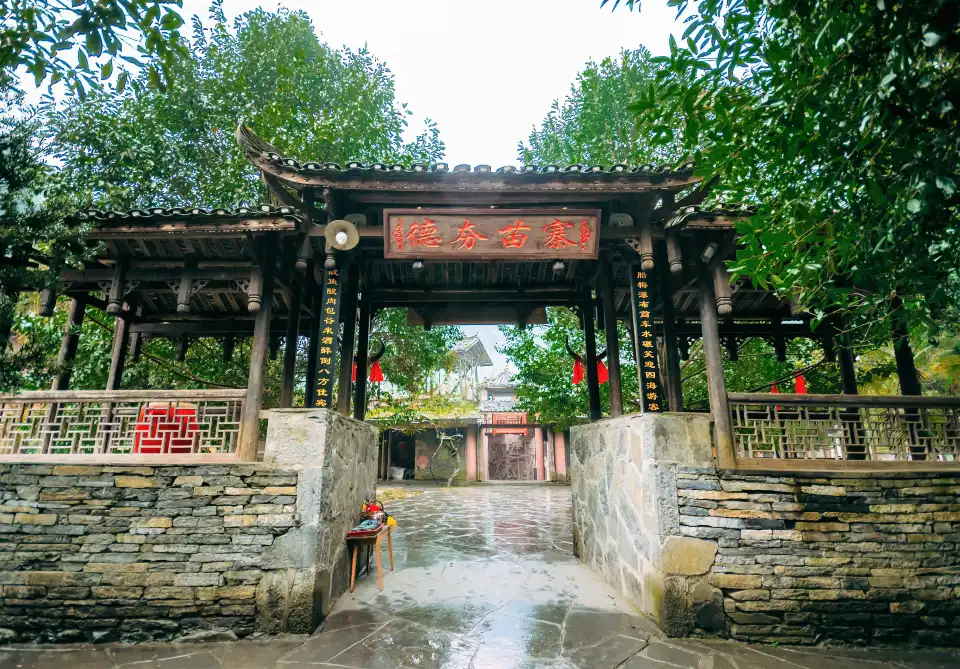
Dehang Miao Village
德夯苗寨 No. 5 of Fall Viewing Attractions in Xiangxi Prefecture
Opening hours of Dehang Miao Village
Dehang Miao Village attraction highlights
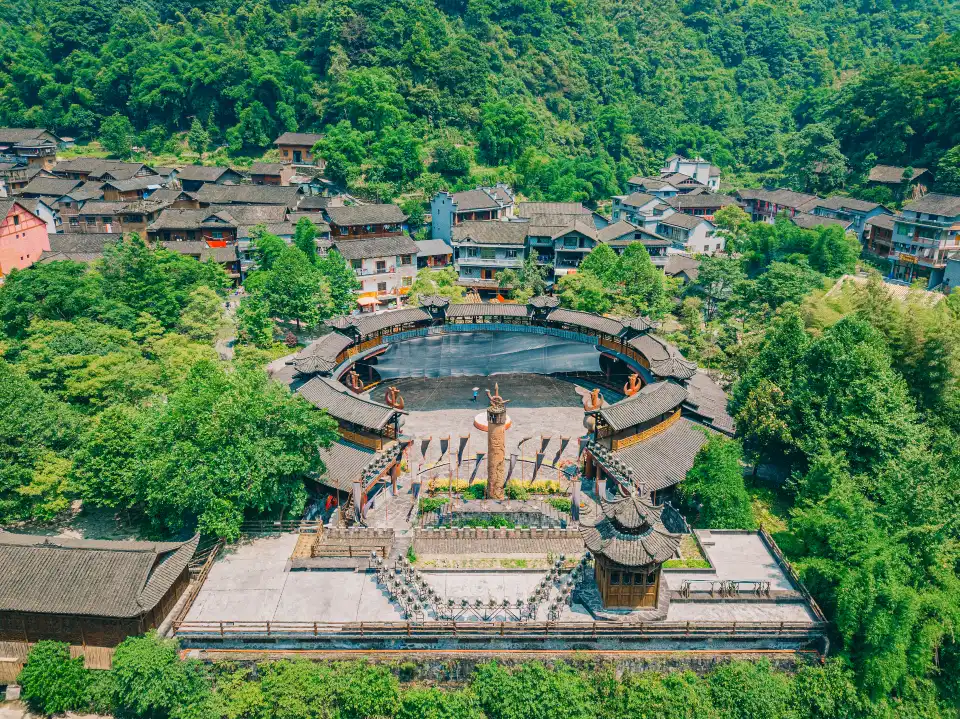
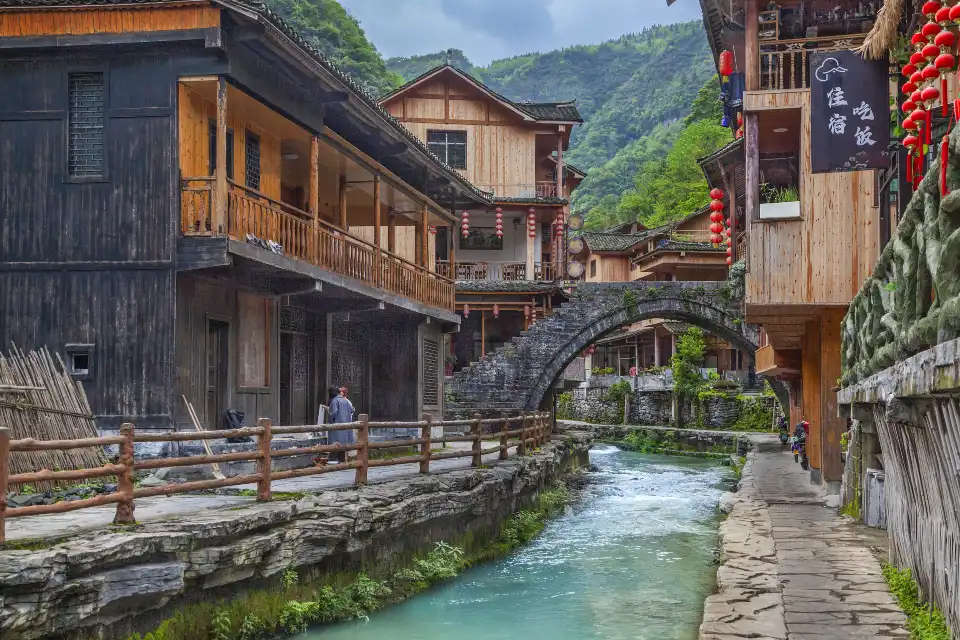
Dehang Miao Village is nestled deep in a canyon. "Dehang" means "beautiful canyon" in the Miao language. The Jiulong Creek flows through the village, and over 100 Miao households have built their homes along the creek and against the mountains. They still use the Miao language for daily conversation, and women enjoy wearing silver ornaments and collarless embroidered clothing, making it a vivid example of the Miao village customs in western Hunan. The village is surrounded by rugged mountains and sheer cliffs, with precipices, stone walls, waterfalls, and primitive secondary forests unfolding in layers. The Liusha Waterfall at the end of Jiulong Creek has a drop of over 200 m. The water cascades down from the sheer cliff like a veil brushing against the face, hence the name "Liusha" (meaning "flowing gauze"). Crossing the stone arch bridge in the village, you can climb Pangu Peak. The top of the peak is covered with tangled primitive forests between the large and small peaks, and it is surrounded by cliffs on all sides. Reaching the summit offers a panoramic view of the canyon village. The Three Sisters Peaks on the ridge of the new village are smaller at the top and larger at the bottom, resembling three Miao girls in skirts when viewed from afar.
Stilt houses with blue tiles and stone foundations wind along the creek, their upturned eaves and carved lattice windows half-hidden among green trees and cooking smoke. The waterwheels and stone mills by the creek creak as they turn, powered by the water, exuding an idyllic, old-world charm. In the village, you can encounter Miao customs such as singing songs to block the gate and offering toasts to welcome guests, watch a Miao drum dance with resonant beats, or try your hand at making ciba (glutinous rice cakes), weaving Miao brocade, or learning to sing Miao songs. During traditional festivals like the Miao New Year or the Eighth Day of the Fourth Lunar Month, the whole village dresses up in silver ornaments, with singing and dancing continuing endlessly. When visiting, you might want to walk from the Miao village along the Jiulong Creek trail deep into the canyon to find the Liusha Waterfall at the end. The waterfall's scenery changes significantly with the water volume. You can appreciate its grandeur during the wet season and the ethereal "flowing gauze" effect during the dry season, each with its own unique charm.
Dehang Miao Village Reviews: Insider Insights and Visitor Experiences
Dehang Miao Village Photos: Trip Moments
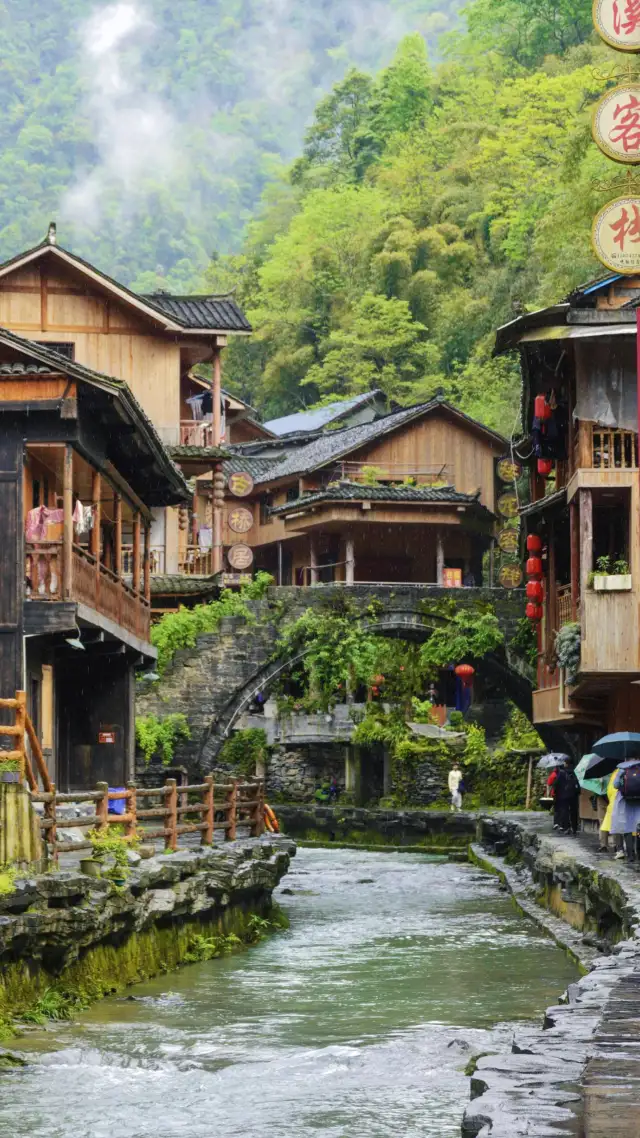 Such a hidden ancient village|Really worried about it🚌Attraction guide: ✅ Opening hours: 9:00 AM–5:30 PM (last entry at 5:30 PM) ✅ Ticket price: 80.0 ✅ Recommended visit time: 3–4 hours 🏞️Must-see spots: 💡The Miao village is filled with towering ancient trees and stilted buildings built along the mountain. The entire village follows the terrain, with stilted houses grouped in threes or fives or standing alone, arranged in clear layers and a pleasing pattern. Every household has a stone path leading to the village streets, running from the foot of the mountain to the top. The winding stone paths, shaped like “earthworms,” connect the village and the fields as one. 💡Dehang Grand Canyon is surrounded by peaks, with a stream flowing through the valley. A waterfall plunges from a height, roaring as it falls. The Danxia landform inside the canyon is also worth seeing. 💡There is a bridge inside Dehang Grand Canyon Scenic Area. Below the bridge is a river, and the scenery on both banks is beautiful. From the bridge, you can see the views of Dehang Grand Canyon. 🔍Travel tips: 💡Best time to visit: Dehang Grand Canyon has distinct seasons. Spring is for flower viewing, summer and autumn are great for escaping the heat, and winter offers snowy scenery. The most popular seasons are spring and autumn. 💡Transportation: Dehang Grand Canyon is 24 km northeast of Jishou City. You can take a bus or charter a car from Jishou. It takes about 1 hour from the city center. 💡Ticket price: 80.0 yuan per person (includes sightseeing bus fee)WanderlustWanderer56

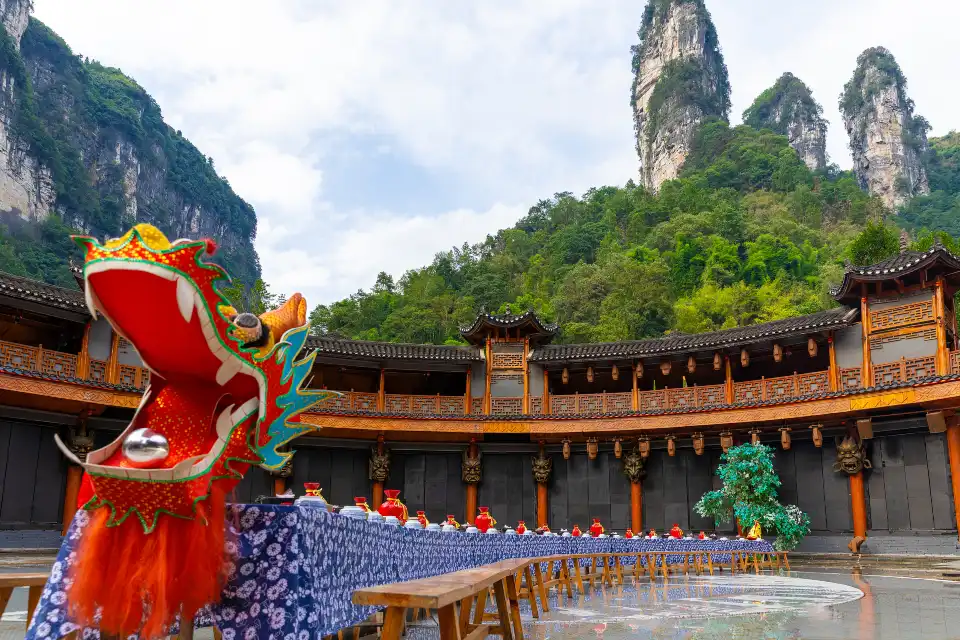
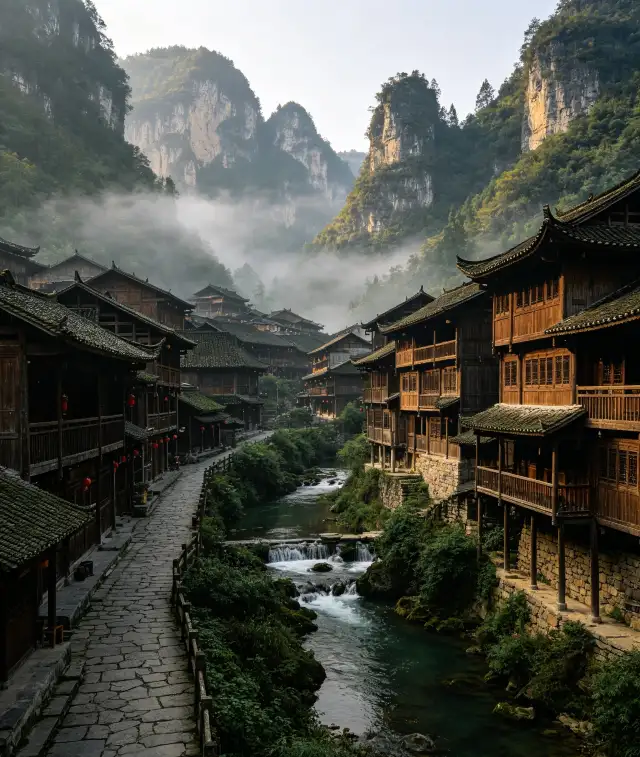 Explore Dehang Miao VillageDehang Miao Village is an authentic Miao ethnic village in Western Hunan, nestled within the Dehang Grand Canyon. It is renowned for its unique canyon scenery, waterfalls, and rich Miao culture. Compared to more popular tourist spots, this village offers a quieter and more rustic experience. Key Highlights · Blocking-the-door wine and Miao drum performance: Upon entering the village gate, warm-hearted Miao girls will offer you welcome wine. Don't miss the free Miao drum and wedding custom performances at Drum King Square, held daily at 10:00 AM and 3:00 PM. · Liusha Waterfall: One of the tallest waterfalls in China, with a drop of 216 meters. When the water volume is high, the waterfall cascades down like white silk, creating a spectacular sight. · Tianwentai (Heavenly Question Terrace): Located on a cliff, this is an excellent viewing platform for overlooking the entire Dehang Grand Canyon and getting a distant view of the Aizhai Bridge. It is a perfect spot for photography. · Stilted buildings and ancient alleys: Stroll through the bluestone alleys and wander among century-old wooden stilted buildings. You can rent a set of Miao ethnic clothing (approx. 20–30 yuan/hour) for photos, which is very culturally immersive. · Aizhai Bridge: Although not inside the Miao village, it is nearby. This suspension bridge spanning the canyon is a world-class engineering marvel and worth a dedicated visit. Practical Information 📍 Address: Dehang Village, Aizhai Town, Jishou City, Xiangxi Prefecture, Hunan Province ⏰ Opening hours: Typically 8:00 AM – 5:30 PM. It is recommended to plan ahead to avoid missing the performances. 🎫 Ticket reference: · Single ticket: Adult tickets are about 80 yuan; booking online in advance may offer discounts. Students and seniors aged 60–64 can enjoy half-price tickets. · Combo ticket: If you plan to visit both the Miao village and Aizhai Bridge, purchasing a "Dehang Miao Village + Aizhai Bridge" combo ticket (from approx. 168 yuan) is more cost-effective and valid for two days. · Sightseeing bus: The round-trip sightseeing bus from the village to Liusha Waterfall is about 25 yuan/person. Those with good stamina can also choose to hike. Itinerary One-day trip (Classic route) After arriving in the morning, experience the blocking-the-door wine, then watch the 10:00 AM Miao drum performance. Have lunch in the village to taste Miao cuisine. In the afternoon, take the sightseeing bus to Liusha Waterfall, then hike up to Tianwentai. You can return in the evening or visit the Aizhai Bridge. Two-day trip (In-depth experience) · Day 1: Arrive in the village in the afternoon, wander through the ancient alleys, and experience folk customs like making sticky rice cakes. Stay in a stilted building in the village overnight and join the bonfire party (usually on Wednesday, Friday, and Saturday nights). · Day 2: Go to Tianwentai early in the morning to see the sea of clouds and sunrise, then hike the canyon trail. Head to the Aizhai Bridge in the afternoon, then conclude your trip or head to your next destination (such as Fenghuang Ancient Town). Transportation Guide · Arriving in Jishou: You can fly into Zhangjiajie Hehua Airport or Tongren Fenghuang Airport, then transfer by bus. Taking a high-speed train or regular train is the recommended way, as you can go directly to Jishou East Station (high-speed rail station) or Jishou Railway Station. · Jishou → Dehang: · From Jishou Railway Station: Take the tourist bus (e.g., Route 11), ticket price is about 5.5 yuan, travel time is about 40–60 minutes. · From Jishou East Station: Take the direct tourist shuttle, about 20 yuan/person, 40 minutes direct. If traveling with a group, ride-hailing is also an option and can be more cost-effective per person. · Self-driving: Navigate to "Dehang Miao Village Tourist Center"; there is a parking lot at the scenic area. Accommodation Suggestions · Stilted building homestays in the village: The most recommended choice for an immersive experience of Miao village life, with mountain views right outside your window. Prices are about 150–400 yuan/night. · Aizhai Town hotels: About a 10-minute drive from the scenic area, with better facilities, suitable for those driving or with higher accommodation requirements. · Jishou city hotels: More choices and high cost-performance, suitable for one-day trip visitors. Food Recommendations · Local snacks: Artemisia cakes (haozi baba), Miao-style rice tofu, and sweet rice wine can be bought at small stalls in the village at affordable prices. · Must-try meals: Sour soup fish (made with fermented rice water, unique flavor), fern root starch stir-fried with cured meat, and blood rice duck are classic dishes of Western Hunan. It is recommended to choose farmhouses at the village entrance or in Aizhai Town for more authentic prices. Tips · Book in advance: It is recommended to book tickets in advance on official platforms or travel websites, as there are sometimes discounts. · Check the time: Miao drum performances and bonfire parties have fixed times. It is best to confirm before you go to avoid disappointment. · Wear comfortable clothing: The village has many stone paths and requires some climbing, so wearing comfortable shoes is recommended. · Rational consumption: When buying local specialties like silver jewelry or cured meat, compare prices or choose to buy them in Jishou city for better value.Evangeline_every2

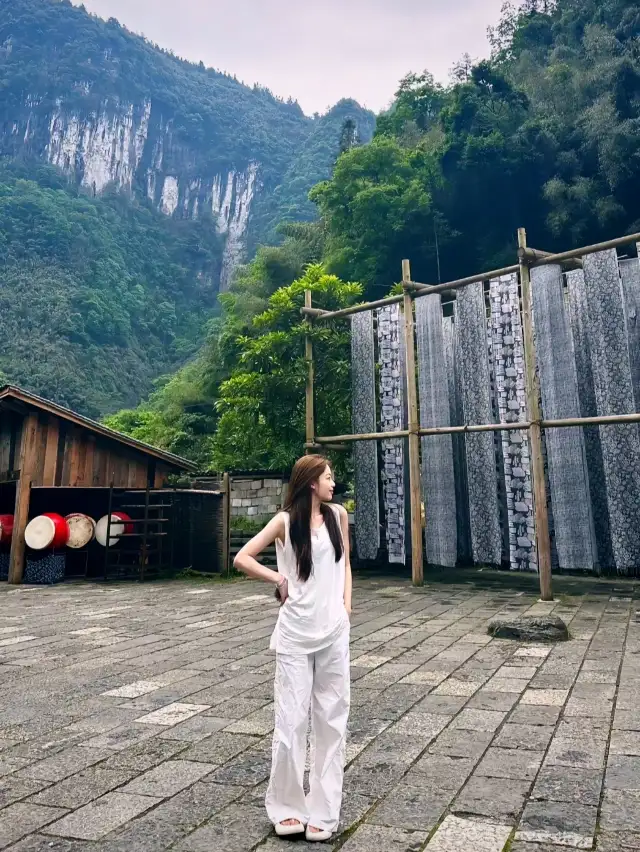 Step into the charm of a thousand-year-old Miao villageDehang Miao Village is truly a quiet getaway perfect for couples. Unlike the bustling Phoenix Ancient Town, here you’ll find stilted houses embraced by the canyon and gentle waterfalls—a place to slow down and enjoy time together. 🚗 How to get there? Transportation guide · High-speed train + taxi (recommended): Take the high-speed train to "Jishou East Station," then a 30–40 minute taxi ride to the village. · Bus: Take bus No. 11 from Jishou Train Station (about 15 yuan, 1–1.5 hours). · Self-drive: Navigate to "Dehang Miao Village No. 1 Parking Lot," parking costs about 10 yuan/day. After exiting the highway, there’s a winding mountain road at Aizhai with good conditions but many curves, so drive carefully. 🏡 Where to stay? Recommended couple-friendly guesthouses · Dehang Shuangyue Villa: Popular cream-style decor, with views of streams and mountains from the window, featuring a unique "roof tile lifting" photo spot. · Shanshuijian · Dehang Elegant House: Nestled by the stream with a courtyard tea area, each room has its own charm. · Guichun Guesthouse: Located under the "Peacock spreading its tail" peak, with a balcony offering close-up views. The owner is friendly and offers pick-up and drop-off. · Aya Inn: Next to the central square, cozy and quiet rooms, with great restaurants downstairs. 🏞️ What to do? A romantic two-day, one-night itinerary · Day 1 morning: After arrival, try the door-blocking wine ritual, explore Dehang Miao Village, and take traditional-style photos at Jielong Bridge. · Day 1 afternoon: Hike the Yuquan Creek Canyon to see the "Peacock spreading its tail" and other unique peaks, or go stream trekking in Dehang Grand Canyon to catch crabs. For the adventurous, challenge Tianwentai to see the sea of clouds. · Day 1 evening: Watch the immersive 5D show "Dehang Illusion" (a combined performance, feast, and drama experience; tickets must be booked in advance), then join the bonfire party. · Day 2 morning: Walk or take an electric cart to see the 216-meter-high Liusha Waterfall, where you can walk behind the falls for photos. · Day 2 afternoon: On the way, visit Aizhai Bridge for high-altitude activities like bungee jumping and cloud walking. 🍜 What to eat? Miao specialty dishes · Signature dishes: sour soup fish, Miao cured meat, clay pot duck, peach blossom worms. · Snacks and drinks: rice tofu, fried small crabs, wormwood cakes, plus the village’s only coffee shop, "Mountain Stream Sweet Shop." · Recommended restaurants: Miao King Banquet Restaurant (great value), Dehang Native Chicken Restaurant. 💡 Practical tips · Tickets: Dehang Miao Village scenic area costs 80 yuan per person. Student ID gets half price. · Quiet atmosphere: Visit during the off-season or on non-holidays for very peaceful nights. The village is very original and not overly commercialized. · Travel photography: You can rent Miao costumes for about 50 yuan/day to take your own photos or hire a travel photography studio for about 299 yuan with 8 retouched photos. · Notes: Wear non-slip shoes for hiking; book guesthouses and "Dehang Illusion" tickets in advance during peak season; some guesthouses don’t offer breakfast, so confirm ahead. Overall, this place fulfills all your dreams of a quiet, healing couple’s trip with Miao culture. If you have a few more days, consider adding Furong Town or Chadong (Border Town), also in western Hunan. Wishing you an unforgettable peaceful time in Dehang! If you have specific plans for trip length or budget, feel free to ask me anytime—I’m here to help you plan in detail~SHAWN GEORGE2

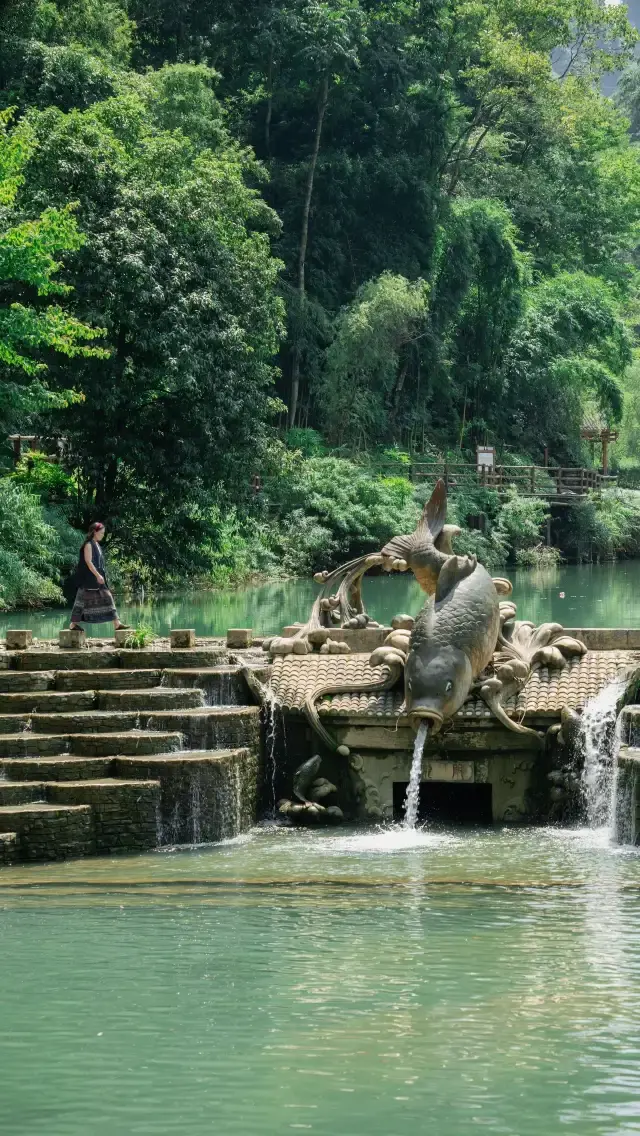 Dehang Miao Village | A hidden fairyland, a treasure of a Miao village tucked away in the canyonHey everyone! Hunan has more to offer than just Fenghuang Ancient Town! This Dehang Miao Village, hidden deep in the mountains, is truly the ultimate niche travel destination 😭✨ I was blown away the moment I arrived! Deep in the canyon, clouds and mist swirl, streams babble, and mountain waterfalls cascade down 🌊. A fish statue lies quietly by the waterfall, as if guarding this paradise~ Every shot looks like a magazine cover 📸 🏔️ [Attraction features] 📍 Address: Dehang Miao Village, Jishou City, Xiangxi Tujia and Miao Autonomous Prefecture, Hunan Province It preserves the most pristine Miao culture, with stilt houses built along the mountains and winding bluestone paths, each corner exuding a rustic charm~ ✨ [Must-visit attractions] ✅ Waterfall group: The most photogenic spot! The waterfall amidst the swirling mist is simply ethereal 🧚♀️ ✅ Miao village: Pristine Miao architecture, full of cultural charm everywhere ✅ Canyon scenery: Green mountains and clear waters, a natural oxygen bar, a paradise for hiking enthusiasts! 🎫 [Travel guide] Opening hours: Recommended to visit during the day for the best light and stunning photos ☀️ Tickets: Please refer to the prices announced by the scenic area on the day of your visit~ 🍜 [Must-eat nearby] How can you miss the local food when coming to Xiangxi! Miao-style sour fish soup, stir-fried bacon with sticky rice cakes, blood duck... Every dish is unforgettable 🤤 [Recommended nearby attractions] After exploring Dehang, you can also stop by the Aizhai Bridge and Aizhai Wonder Scenic Area on the way. It's a great value to visit them all in one trip! 💡 [Travel tips] ✅ Wear comfortable shoes, as there are many mountain paths ✅ Bring a light jacket, as the temperature in the canyon is lower ✅ Get your camera ready, there are too many beautiful sights to capture! Honestly, compared to the crowded Fenghuang Ancient Town, I prefer the quiet and tranquility here~ Get here before it becomes too popular! 🏃♀️BeachBumExtra

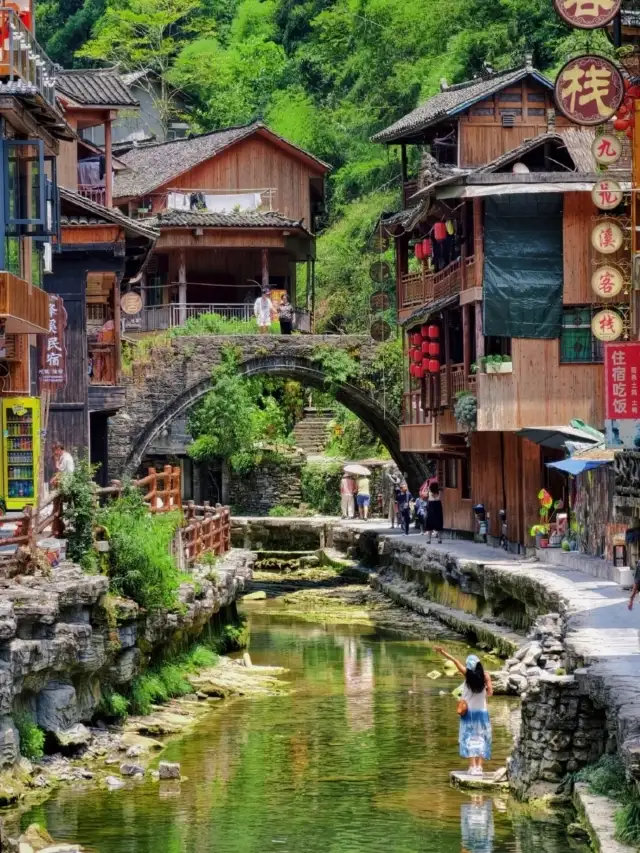 Secret Vibes in Xiangxi: Dehang Miao Village – Your Next Underrated Getaway!I'd take a wild guess that the place you're talking about is—Dehang Miao Village in Xiangxi! If not, it might be Shangbao Ancient Kingdom in Suining or Chang'an Camp in Chengbu. But honestly, the one that perfectly fits the labels of "Direct High-Speed Rail," "Millennium Miao Village," and "Massively Underrated" is undoubtedly Dehang! (Just hop off at Jishou East Station and it's a breezy 30-minute ride—no hassle at all.) So, just how underrated is Dehang? Compared to the touristy Fenghuang Ancient Town, you won't find ridiculous ticket prices ripping you off or tacky photo-shoot shops crowding every corner. It's also not like Xijiang Qianhu Miao Village with its over-the-top, blinged-out homestay light shows. What Dehang preserves is the most authentic, breathing slice of Miao life. In the mornings, you'll see grannies humming folk tunes while washing clothes by the stream. By dusk, the aroma of chimney smoke mixed with sour fish and smoked cured meat will literally make your mouth water. And at night? The Milky Way is genuinely visible to the naked eye—every casual snap looks straight out of a wallpaper! ✨ 🚄 The HSR Itinerary is Super Simple: Day 1: Arrive at Jishou East Station, take a 30-minute ride to Dehang Miao Village, and check straight into a riverside stilt house. At night, you absolutely can't miss the breathtaking live performance, *Mountain Wind and Drum Rhythm*. Day 2: Challenge the Liusha Waterfall (a 216-meter drop, making it one of the highest in the country!). In the afternoon, hike up to Wentian Platform for jaw-dropping cliff views—it's the exact spot that inspired Qu Yuan’s famous poem *Heavenly Questions*. It's unreal! Day 3: Take a workshop to learn traditional Miao silver-smithing or batik dyeing to experience authentic ethnic crafts. Finally, stuff yourself with some delicious sour soup fish, pack your bags, and head home. 🌟 TOP 3 Reasons to Go ASAP: 1. Unbeatable Value — Tickets are less than half the price of Fenghuang, and you can score a room with a killer view for just over 100 RMB per person. The cost-performance is insane. 2. Truly Peaceful — Even during the summer holidays, you won't be rubbing shoulders with crowds in the main scenic area. The tranquility will honestly make you question reality. 3. Super Accessible — Jishou East Station has dozens of high-speed trains running daily. It's only 1.5 hours from Changsha and just 4 hours from Guangzhou. So convenient! 📸 Photo Spot Tips: A wide-angle full-body shot at Liusha Waterfall, the water reflections of the stilt houses, and the vibrant night lights of the *Mountain Wind and Drum Rhythm* show. Every casual snap will easily blow up your feed! 🕓 Dehang Miao Village Opening Hours: 8:00 AM - 6:00 PM (Year-round) 📍 Address: Dehang Miao Village, Jishou City, Xiangxi Tujia and Miao Autonomous Prefecture Budget Reference: Tickets: ~60 RMB/person Accommodation: 100-200 RMB/night/person Live Performance: *Mountain Wind and Drum Rhythm* from 120 RMB/person Food: ~50 RMB/person is enough for an epic feast To sum it up, if Dehang is what you had in mind, it's a huge "GO FOR IT!" If not, drop the exact name in the comments, and I'll whip up a new guide ASAP! ~ A niche Miao village, insane value for money, stress-free transport, and a real-life "Xanadu"—Dehang is seriously flying under the radar. Girls, pack your bags and go! 🌿💚Kashmir181

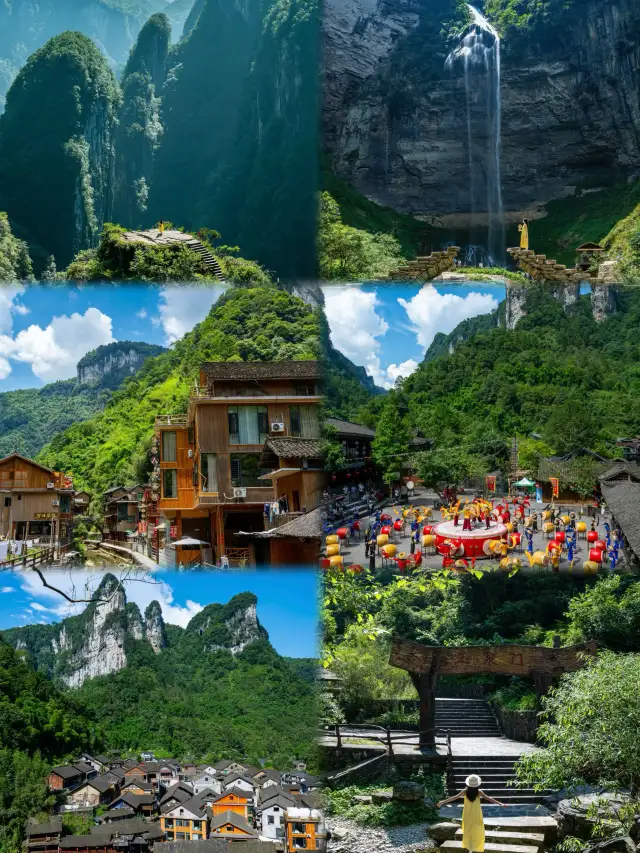 A hidden, off-the-beaten-path thousand-year-old Miao village in Hunan! High-speed rail direct access to avoid crowdsLocated in Hunan, this pristine thousand-year-old Miao village is free from commercial noise. The rustic stilted houses are built along the mountainside, surrounded by lush greenery, making it perfect for a weekend getaway to cool off and relax. Traveling by high-speed rail is very convenient. ✨ One-day itinerary Morning: Arrive at the Miao village, stroll along the ancient stone-paved streets, visit century-old stilted houses, check out the village’s intangible cultural heritage handicraft workshops, and experience Miao ethnic customs. Noon: Taste local Miao specialties like sour soup fish, cured meat, and sticky rice cakes to enjoy authentic farmhouse flavors. Afternoon: Wander along mountain trails, admire terraced fields and forest scenery, try on Miao costumes for photos, and watch the peaceful mountain sunset over the village. Evening: Optionally watch folk songs and dances to soak in the unique nighttime atmosphere of the village. 💡 Travel tips ✅ Transportation: Take high-speed rail to nearby stations, then transfer to a short-distance bus to the village ✅ What to wear: Light-colored long dresses and ethnic-style clothing for photos, plus bring sunscreen and insect repellent ✅ Activity advice: Slow down your pace, avoid holidays to skip crowds, and fully immerse yourself in the authentic village life ✅ Accommodation: The village offers unique guesthouses. For a deeper experience, consider staying overnight to enjoy the night viewIsaac Ward Leo-64

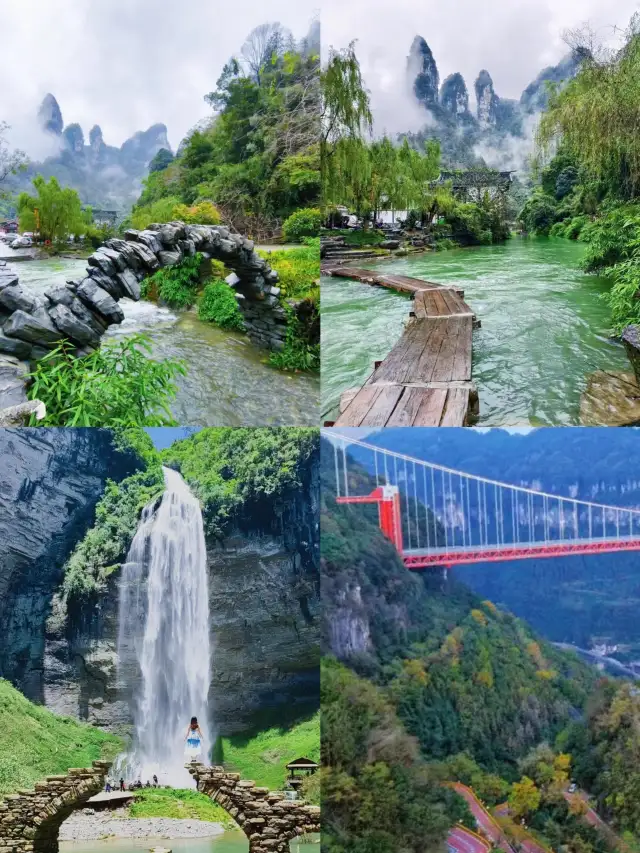 Stumbled into fairyland! This hidden canyon in Xiangxi is etherealStumbled into fairyland! An underrated hidden valley in Hunan🍃 ⛰️ Deep in the mountains of Xiangxi lies a severely underrated canyon secret. After the rain clears, clouds and mist drift over the ridges, winding between thousand-foot cliffs. It’s ethereal, with mountain shadows appearing and disappearing, as if you’ve stepped into a flowing ink wash painting🌿 There are no crowds here, just deep forests, mountain streams, waterfalls, and cool breezes in the valley. It’s the perfect summer getaway to escape the crowds! 🥹 Seriously, this ethereal scenery rivals Zhangjiajie! 📍Address: Aizhai · Dehang Grand Canyon Scenic Area, Xiangxi 🚅Transport: Take the high-speed train to Jishou East Station. Upon exiting, take the No. 18 tourist bus (approx. 70 mins, ticket CNY 10) directly to Aizhai Bridge Scenic Area ✨ Essential one-day tour (efficient route, no backtracking) ✅Morning: Aizhai Bridge Observation Deck ➠ Jidou Miao Village ➠ Tianwentai 1️⃣Aizhai Bridge🌁 A suspension bridge over 300 meters high in the clouds—a world-class engineering marvel! Standing on the observation deck, looking down into the depths of the canyon, it’s breathtakingly magnificent! The shock factor is off the charts🔥 2️⃣Jidou Miao Village🏡 An original, untouched Miao village hidden on a cliff, with almost zero tourists! Looking out over the depths of the canyon from the Eagle Observation Deck, the scenery is beautiful and uncrowded—it’s truly moving😭 3️⃣Tianwentai🪨 A high cliff platform with three sides open to the air, said to be where Qu Yuan asked heaven. The view is incredible! The atmosphere is perfect; standing there, you really get a sense of the vastness of the world✨ 🚶🏻♀️ Descend the stone steps from Tianwentai, winding through the western cliffs of Dehang Grand Canyon. It’s all downhill, accompanied by streams and shaded by dense forests—a perfect hike to Dehang Miao Village! ✅Afternoon: Dehang Grand Canyon ➠ Dehang Miao Village ➠ Liusha Waterfall 4️⃣Dehang Grand Canyon🏞️ Karst cliff scenery, off-the-charts magnificence! A paradise for light hikers—you won't be able to stop taking photos as you walk📸 5️⃣Dehang Miao Village🛖 A thousand-year-old village hidden in the valley bottom, with bluestone alleys, ancient bridges, and flowing water—full of the local flavor of Xiangxi~ Must-try: Xiangxi smoked meat🥓, rice tofu, and blood curd duck! There’s a bonfire party in the evening🔥. Stay at a riverside guesthouse and fall asleep to the sound of the stream—five-star healing rating⭐ 6️⃣Liusha Waterfall🌊 A 216-meter hanging waterfall, with water falling like light gauze, surrounded by dreamy mist~ The viral "broken bridge" photo spot is amazing! The refreshing mist instantly cools you down—it's incredible!💦 🚎 You can take the scenic electric shuttle to Liusha Waterfall (6 km round trip, CNY 18/person) to save effort and time~ 🧘 Relaxed, slow-paced version (split into two days for a full vacation vibe) 🔸Day 1 (half day): Visit Aizhai Bridge, Jidou Miao Village, and Tianwentai, then head down the mountain to check into Dehang Miao Village 🔸Day 2 (half day): Wander around the village, go stream trekking and play in the water in the canyon, catch little crabs at the bottom of the stream, and enjoy the healing, slow-paced time🍃 ⚠️ What to do if you go the wrong way: If you accidentally arrive at Dehang Miao Village at the bottom of the mountain first, don't force yourself to climb! Take the shuttle bus at the scenic area entrance (CNY 25 round trip) directly to the Jidou Miao Village stop, enter from the west entrance of Dehang Grand Canyon, and quickly reach Tianwentai. It saves effort and time! Save this❗️ 💡Travel Tips ❶ The waterfall and plank road sections are slippery, so we recommend wearing non-slip sneakers ❷ Mountain weather is changeable; carry a light jacket and rain gear. The scenery is even more ethereal after the rain! Don't miss it ❸ There are many mosquitoes in the canyon, so bring mosquito repellent. The stream water is cool; bring a pair of water shoes to fully enjoy playing in the water ❹ The No. 18 tourist bus from Jishou East Station has limited departures; we recommend checking the schedule in advance to avoid long waitsEmmaBakke

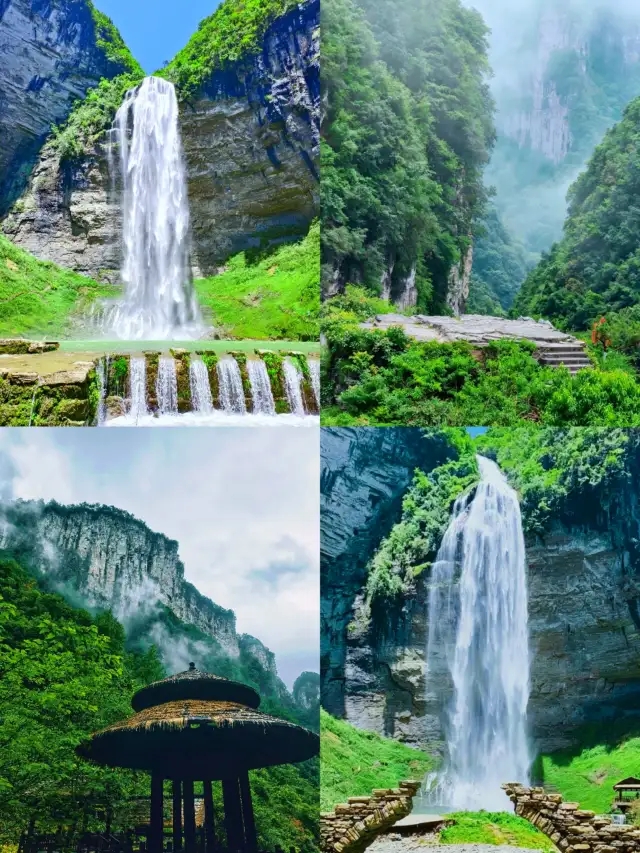 Secret of Xiangxi | Dehang Grand Canyon: A hidden paradise in the mountains📍Address: Aizhai, Xiangxi · Dehang Grand Canyon Scenic Area 🚅Transportation: Take the high-speed train to Jishou East Station. Upon exiting, take the No. 18 tourist bus (approx. 70 mins, ticket CNY 10) directly to Aizhai Bridge Scenic Area ✨ Essential one-day tour (efficient route, no backtracking) ✅Morning: Aizhai Bridge Observation Deck ➠ Jidou Miao Village ➠ Tianwentai (Sky Questioning Platform) 1⃣️Aizhai Bridge🌁 A suspension bridge over 300 meters high in the clouds, a world-class engineering marvel. Standing on the observation deck, looking down into the depths of the canyon, the grandeur is breathtaking! 2⃣️Jidou Miao Village🏡 "Take the No. 18 bus for 2 stops to Aizhai Wonder Scenic Area" An original, untouched village built on a cliff with almost no tourists! From the Eagle Observation Deck, you can overlook the depths of the canyon and Dehang Miao Village🔭 3⃣️Tianwentai🪨 A high cliff platform surrounded by air on three sides, said to be where Qu Yuan asked heaven. The view is expansive, and the atmosphere is soul-stirring! 🚶🏻♀️From Tianwentai, follow the stone steps down, passing through the western cliffs of Dehang Grand Canyon. Accompanied by streams and shaded by dense forests, it's an all-downhill, easy hike to Dehang Miao Village! ✅Afternoon: Dehang Grand Canyon ➠ Dehang Miao Village ➠ Liusha Waterfall 4⃣️Dehang Grand Canyon🏞️ Karst cliff scenery, as magnificent as Zhangjiajie, perfect for light hiking and slow travel 5⃣️Dehang Miao Village🛖 A thousand-year-old village hidden at the bottom of the valley, with bluestone alleys, ancient bridges, and flowing water, full of the local life of Xiangxi~ Taste Xiangxi smoked meat🥓, rice tofu, and blood rice duck. In the evening, watch the bonfire party, stay in a riverside homestay, and sleep to the sound of the stream~ 6⃣️Liusha Waterfall🌊 A 216-meter hanging waterfall, with water falling like light gauze, and mist creating a dreamlike atmosphere. The popular "broken bridge" photo spot is perfect for pictures, and the refreshing mist instantly cools you down! 🚎To get to Liusha Waterfall, you can take the scenic battery car (6 km round trip, CNY 18/person), saving you a long walk 🧘 Relaxed, slow-paced version (split into two days for a full vacation feel) 🔸Day 1 (half day): Visit Aizhai Bridge, Jidou Miao Village, and Tianwentai, then head down the mountain to check into Dehang Miao Village 🔸Day 2 (half day): Wander around the village, go stream trekking in the canyon, catch small crabs at the bottom of the stream, and enjoy a healing, slow-paced time ⚠️ Solution if you take the wrong route: If you arrive at Dehang Miao Village at the bottom of the mountain first, don't force yourself to climb! Take the shuttle bus (CNY 25 round trip) at the scenic area entrance directly to the Jidou Miao Village stop, enter from the west entrance of Dehang Grand Canyon, and quickly reach Tianwentai, saving effort and timevivienneblackwood87

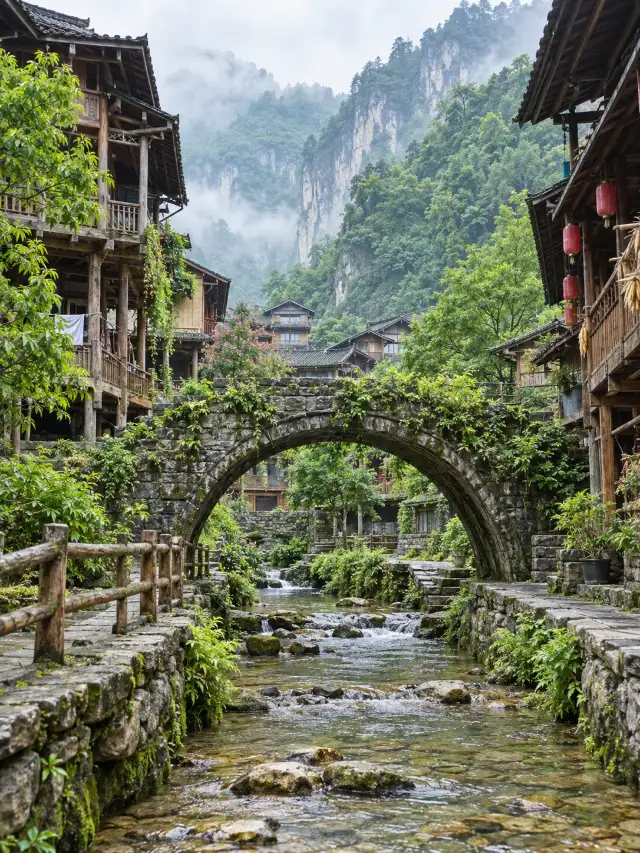 (Hunan) Recommending an absolute hidden gem, I'm so afraid it'll get popular...📍Location: Jishou | Dehang Grand Canyon (Dehang Miao Village) A severely underrated thousand-year-old Miao village‼️ You have to visit mysterious Western Hunan at least once! My friends and I headed straight to Dehang Miao Village from Changsha for a weekend trip🛖 I regret not coming sooner😭 How can such a beautiful place be so uncrowded! If you want to avoid the crowds at Fenghuang and Zhangjiajie and are looking for an unspoiled Western Hunan secret spot, you definitely shouldn't miss this place. I really love this kind of wild, unspoiled atmosphere🥹‼️ 📸Recommended photo spots 1️⃣Dehang Miao Village The village is surrounded by mountains on all sides! Look up and you're embraced by peaks—it's visually stunning. The village retains its authentic Miao lifestyle, and you can experience stream trekking, water play, and catching loaches. It's full of fun, rustic activities. 2️⃣Jielong Bridge A must-pass spot on the way to Liusha Waterfall. With babbling brooks, an ancient bridge nestled in the mountains, and a backdrop of rolling peaks, every photo looks like the idyllic mountain life you've been dreaming of. 3️⃣Dehang Grand Canyon A perfect summer spot for stream trekking🦀 The canyon stream is long, and you can find little crabs everywhere if you lift up the stones. The high mountains on both sides block the sun, keeping the canyon cool—it's great for playing in the water or bringing kids along. 4️⃣Liusha Waterfall A massive waterfall cascading from the cliffs—it's truly spectacular. The pool below is a serene, emerald green, and the mist hits your face. It's so refreshing for a summer getaway. ✅Practical tips 🎫Tickets: The Dehang Grand Canyon package includes the Miao Village + Liusha Waterfall, offering great value 🚗Transportation: About a 3.5h drive from Changsha; or take the high-speed train to Jishou West Station and then take a taxi ⏰Duration: We recommend 1–2 days to explore slowly and enjoy the Miao Village at night ⚠️Tips: There's a large temperature difference between day and night in the mountains. If you plan on playing in the water, bring a change of clothes and wear non-slip shoes. I truly hope this place stays quiet and preserves this unique, primitive mountain atmosphere of Western Hunan🌿Grateful_567_Hayes3

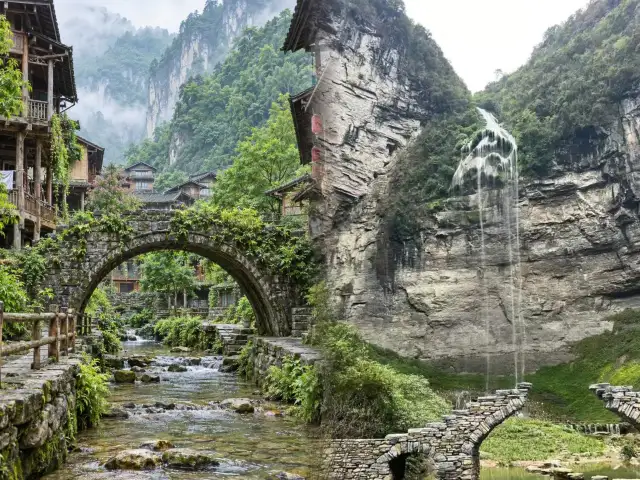 The underrated thousand-year-old Miao village in Western Hunan(A hidden gem in Hunan | I really hope it doesn't go viral🔥) 📍Jishou | Dehang Miao Village (Dehang Grand Canyon) A severely underrated thousand-year-old Miao village‼️ If you don't want to squeeze into Fenghuang or deal with the crowds in Zhangjiajie, you must come to this secret spot in Western Hunan hidden in the canyon. Grab some friends on the weekend and head straight to Dehang from Changsha. You'll only understand what authentic, wild Western Hunan is like once you've been here. It's not overly commercialized, surrounded by mountains, where daily life coexists with the wilderness. The sense of relaxation is off the charts🥹 📸Must-visit spots 1️⃣ Dehang Miao Village Stilted houses are scattered along the mountains, surrounded by green hills on all sides. Look up and you'll see rolling mountain views. It retains the daily life of the locals. You can go stream trekking, play in the water, move stones to catch small crabs, and enjoy fun, simple wilderness games. 2️⃣ Jielong Bridge A must-pass spot on the way to Liusha Waterfall. An ancient stone bridge lies over a clear stream, with babbling water and rolling mountains in the background. Every photo you take looks like a pastoral masterpiece. 3️⃣ Dehang Grand Canyon A treasure for summer stream trekking🦀 The canyon stream is long, shaded by high mountains on both banks, and it feels cool inside. It's perfect for playing in the water, taking kids out, or light hiking. 4️⃣ Liusha Waterfall Cascading from the cliffs, it has a huge drop, and the mist hits your face. The pool is emerald green and serene. During the wet season, you might even encounter a rainbow. It's a great place to escape the heat. ✅Practical tips 🎫Admission ticket: The combo ticket includes the Miao village + Liusha Waterfall, which is great value 🚗Transportation: About 3.5 hours by car from Changsha; take a high-speed train to Jishou West Station and then take a taxi ⏰Duration: 1–2 days recommended to slowly enjoy the quiet night in the Miao village ⚠️Tips: There is a large temperature difference between day and night in the mountains. Be sure to bring a change of clothes for water activities and wear non-slip shoes. I truly hope this place can stay quiet and preserve this primitive, wild atmosphere that belongs only to Western Hunan🌿 Hunan's hidden gems | Please don't go viral✨ 📍Jishou · Dehang Miao Village If you're tired of the crowds in Fenghuang, come here. A thousand-year-old Miao village surrounded by mountains, with very little commercialization, full of primitive, wild atmosphere. ✅Must-do ▪️Stroll through the ancient Miao village and experience authentic local life ▪️Take photos of the stream and ancient bridge at Jielong Bridge for pastoral scenes ▪️Go stream trekking in the canyon, catch fish and crabs, and stay cool in summer ▪️Visit Liusha Waterfall to see the mist from the cascading waterfall on the cliffs May this wild corner of Western Hunan remain peaceful for a long time🌿NomadicWonderer

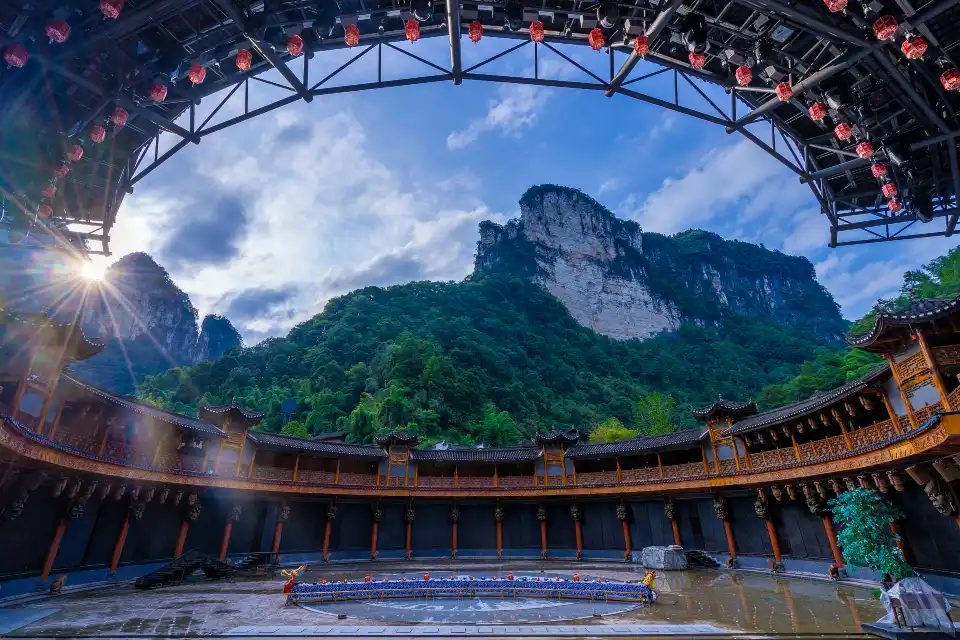
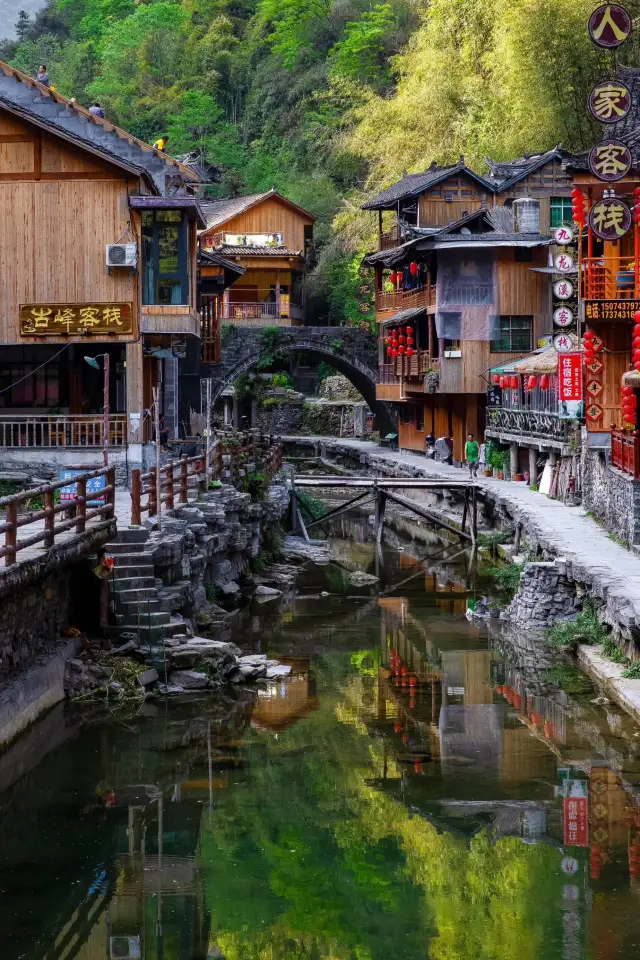 Hidden gems in Hunan|Reluctant to share for fear of crowds…Secret millennium-old Miao village tucked away in western Hunan, long underestimated‼️ You must visit this hidden gem in western Hunan at least once in your life! Plan a 2-day self-driving trip from Changsha with friends to Dehang Miao Village🛖 Arriving late means missing out. The peaceful mountains and waters have few visitors, completely avoiding the crowds! If you’re still deciding on a summer travel destination, be sure to add this place to your list. Ancient Miao village, hanging silk waterfall, immersive natural scenery—every step reveals untouched mountain charm 🥹‼️ Recommended six top photo spots📍: 1️⃣ Dehang Miao Village The entire village is embraced by layers of green mountains. Looking up reveals endless majestic peaks that take your breath away! The exclusive “Crab Encounter at Dehang” activity is open all day: crab DIY crafts, creek water play with watermelon, catching loaches in the river, and many parent-child games. Both adults and kids will have a blast😄 2️⃣ Jielong Stone Arch Bridge The iconic photo spot on the cover and the must-pass trail to the silk waterfall. Clear streams, moss-covered ancient stone bridge, and misty green mountains come together, perfectly recreating the healing rural landscape from storybooks. 3️⃣ Dehang Grand Canyon A natural summer retreat. Catching crabs in the creek is a must🦀 The long, gentle, and clear stream is perfect for family water play. Small crabs can be seen under the stones everywhere. Tall mountains on both sides block harsh sunlight, and cool breezes flow through the canyon, making it refreshingly comfortable. 4️⃣ Silk Waterfall A natural wonder that captivates at first sight. The thousand-foot waterfall hangs steeply on the cliff, with a crystal-clear emerald pool at the base. The mountain and water scenery create atmospheric photos effortlessly. 5️⃣ Aizhai Suspension Bridge A world-famous canyon-spanning bridge. Standing on the bridge offers a breathtaking view of the deep canyon and vast mountains. It’s thrilling and awe-inspiring‼️ The bridge also offers bungee jumping and cloud-walking high-altitude activities. Don’t miss it if you love excitement. 6️⃣ Dehang Illusion live show One of the top immersive mountain and water theaters in recent years! The unique walk-and-watch, watch-and-dine experience in a circular open-air theater surrounded by mountains is stunning. The stage lighting and folk performances are visually beautiful. Highly recommended to check it out❗️ Travel guide🚗 1️⃣ Self-driving: Navigate directly to “Dehang Miao Village parking lot” from Changsha 2️⃣ High-speed rail: Take the high-speed train from Changsha to Jishou East Station, then a 30-minute taxi ride to the villageTranscontinentalWanderlust

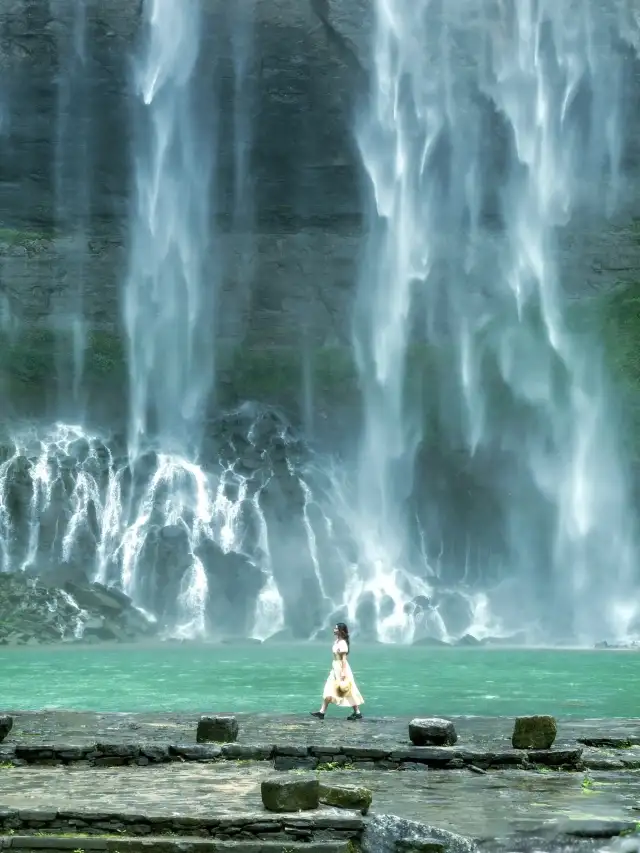 Dehang Miao Village - A Picturesque Summer RetreatI can't rave enough about these Miao villages! 🔥 Absolutely the ultimate summer escape in western Hunan. Dehang Miao Village, this hidden gem, is breathtakingly beautiful! 💦 Summer Retreat Experience: 1️⃣ The Liusha Waterfall is absolutely stunning! Like flowing silk in the breeze 2️⃣ Crystal-clear streams in the valley perfect for barefoot wading 3️⃣ The Miao architecture is incredibly photogenic - every shot looks professional 📸 Must-Do Tips: ✓ Don't miss the waterfall viewing platform ✓ Wear ethnic-style clothing for better photos ✓ Bring a jacket for morning/evening temperature drops ✓ Most blissful activity: sipping tea by the stream 📍 Location: Dehang Miao Village, Jishou City, Xiangxi Tujia and Miao Autonomous Prefecture, Hunan 🚗 Transportation: ✓ Drive: Navigate to "Dehang Miao Village" ✓ Take direct bus from Jishou East Station ✓ Recommended stay: 1-2 nights to fully experience 🍃 Experience: Stroll ancient stone paths by day to the sound of babbling brooks; watch sunsets from stilt houses at dusk; dance around bonfires at night... This is what summer should be! 💡 Pro Tips: ✓ Bring sun protection ✓ Try Miao costume photo shoots ✓ Don't miss authentic Miao cuisine654Leo~Miller*2


Other visitors' reviews of Dehang Miao Village
Show More ReviewsDehang, meaning "beautiful canyon" in the Miao language, is nestled amidst mountains. Stilted houses stand along the stream, and winding cobblestone paths meander through the village. Its tranquil atmosphere, free from commercialization, preserves the original charm of a Miao village. At the village gate, guests are welcomed with a welcoming drink. The Miao drum dance at the Drum King Square is magnificent, its silver ornaments jingling, and the songs echoing through the valley. A leisurely stroll through the canyon allows you to enjoy the babbling brook and distant views of the Aizhai Bridge and the Liusha Waterfall. Away from the hustle and bustle, you can experience Miao embroidery and folk performances up close, where nature and culture blend seamlessly. Compared to bustling ancient towns, it offers a more secluded and tranquil atmosphere, perfect for calmly immersing yourself in the unique ethnic customs of western Hunan.