Pinacoteca di Brera
 Based on 5,794 reviews
 No. 6 of Best Things to Do in Milan
Opening hours of Pinacoteca di Brera
Pinacoteca di Brera attraction highlights
The Brera Art Gallery was officially established in 1809, but as early as 1776, it had already housed a diverse collection of artworks, which continued to expand in the following years. These works, along with the Academy of Fine Arts founded by Austria's Maria Theresa, were used for educational purposes. The collection aimed to gather exemplary works for students to study.
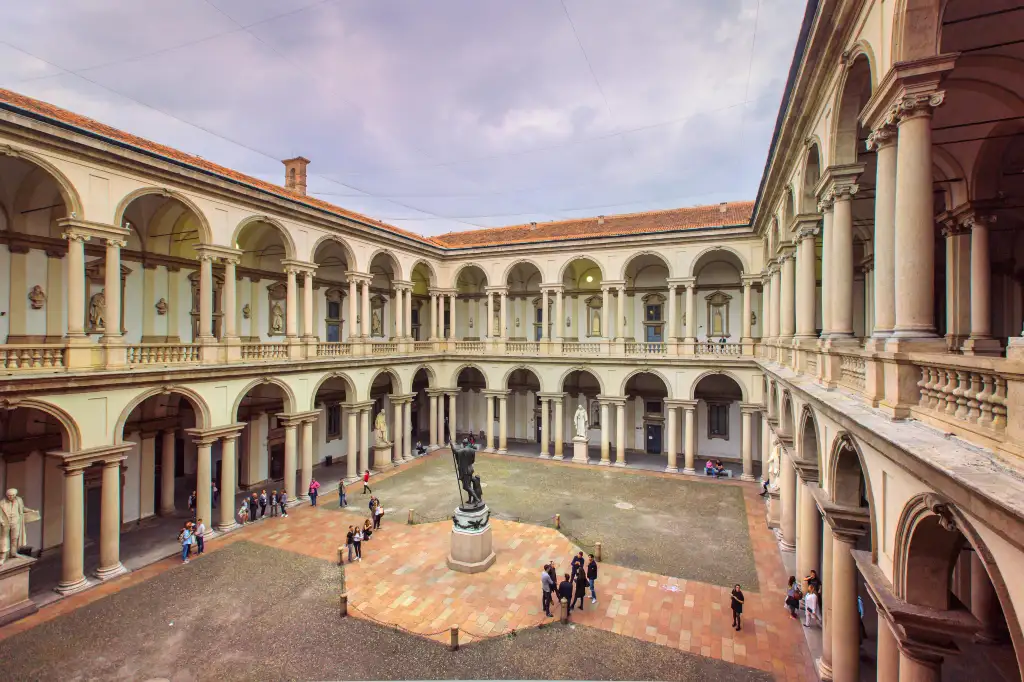
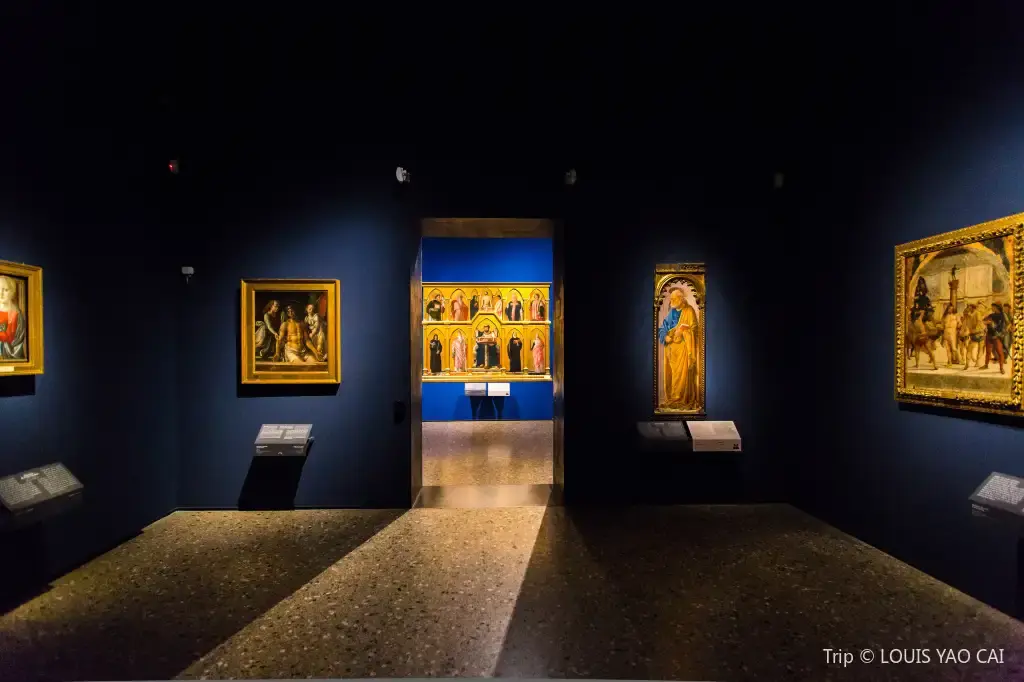
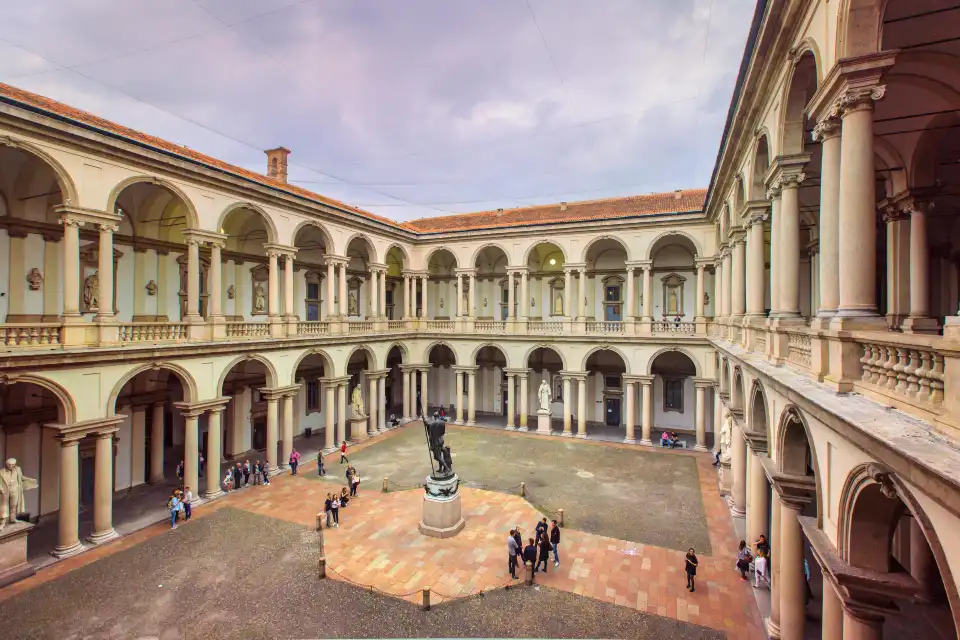
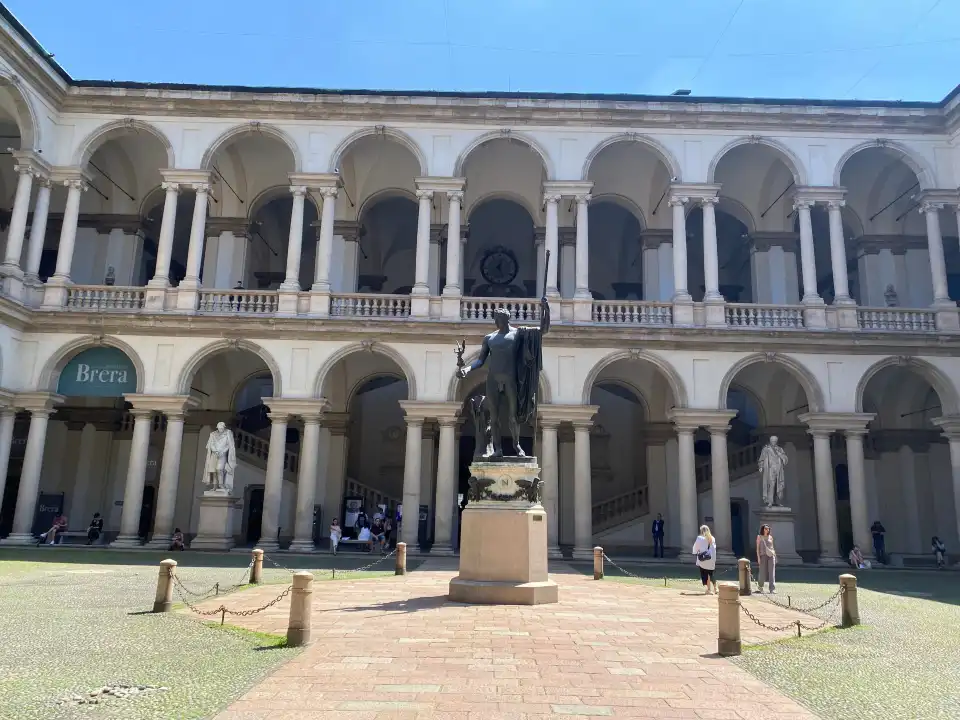
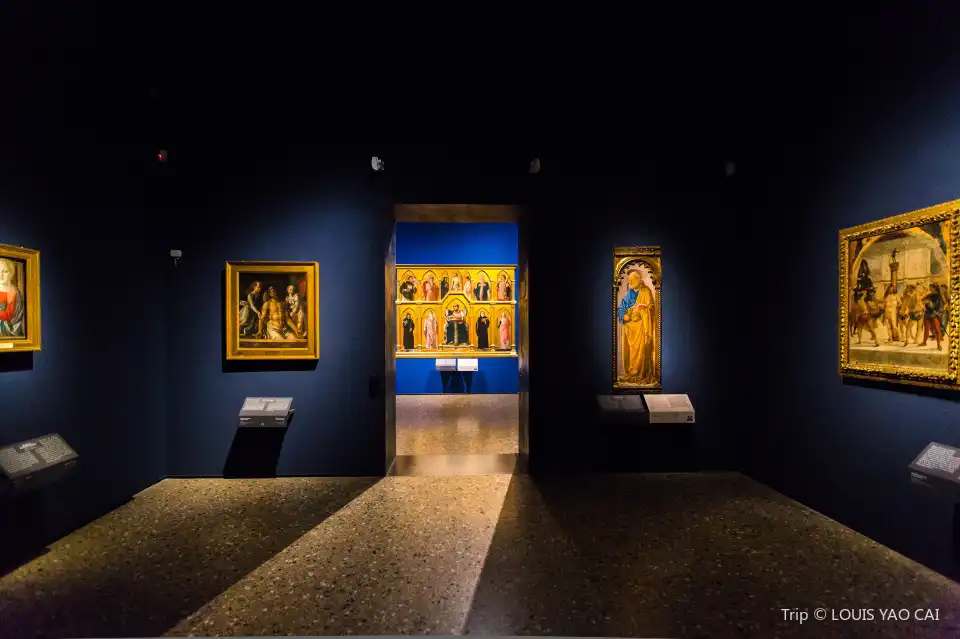
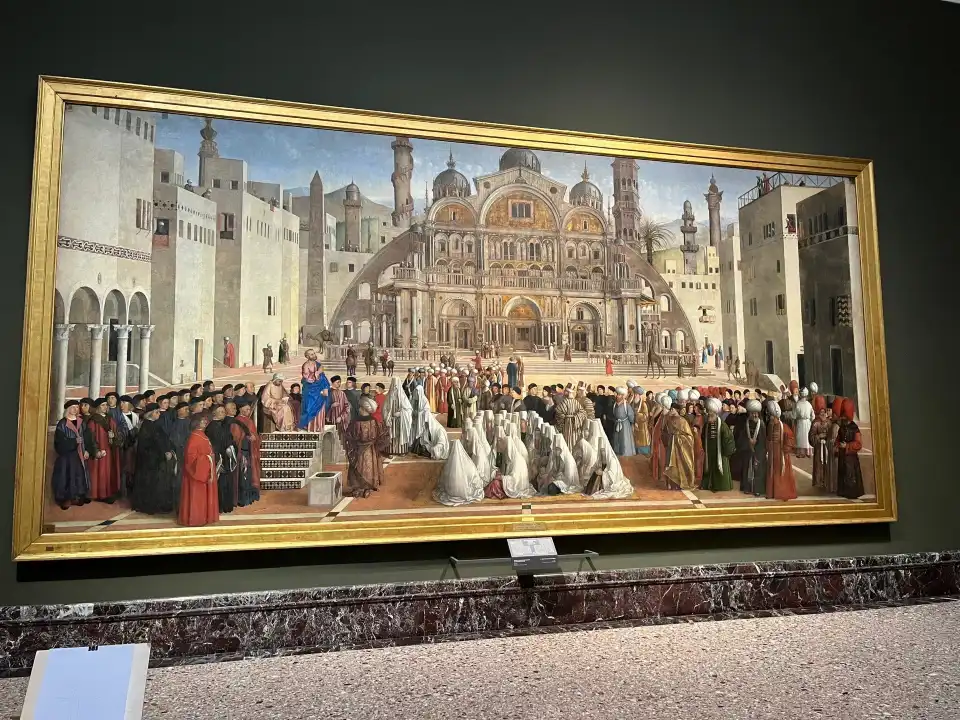
This art gallery is one of the important repositories of Italian paintings and a representative painting museum in Milan, primarily housing works from the 15th to 18th centuries by the Lombard and Venetian schools. The Pinacoteca di Brera was founded in 1809 by Napoleon I. Initially displaying renowned paintings from the collection of the Milan Academy of Fine Arts, the exhibits gradually expanded, focusing mainly on Renaissance paintings, along with some works by Dutch artists. The gallery is housed in the Brera Palace, built in the second half of the 15th century, which was converted into an academy of fine arts in the late 18th century, becoming a gallery for students to study masterpieces. The collection includes many classic works by masters, such as Raphael's "The Marriage of the Virgin," Mantegna's "The Lamentation of Christ," Piero della Francesca's "Montefeltro Altarpiece," and Hayez's "The Kiss." Here, one can experience the outstanding artistic achievements of the Italian Renaissance in the north.
By 1813, the art gallery had collected nearly 900 works, and the collection saw little change until the end of the 19th century. In the early 20th century, the collection began to grow significantly again due to generous donations from various parties, such asCaravaggio's "Supper at Emmaus" was acquired during this period, which also marked the beginning of a focus on 19th-century paintings, with numerous works being purchased successively.