Qingchuan Pavilion(Qingchuan Building)
晴川阁 Based on 49 reviews
 No. 4 of Best Things to Do in Hubei
Opening hours of Qingchuan Pavilion
Qingchuan Pavilion attraction highlights
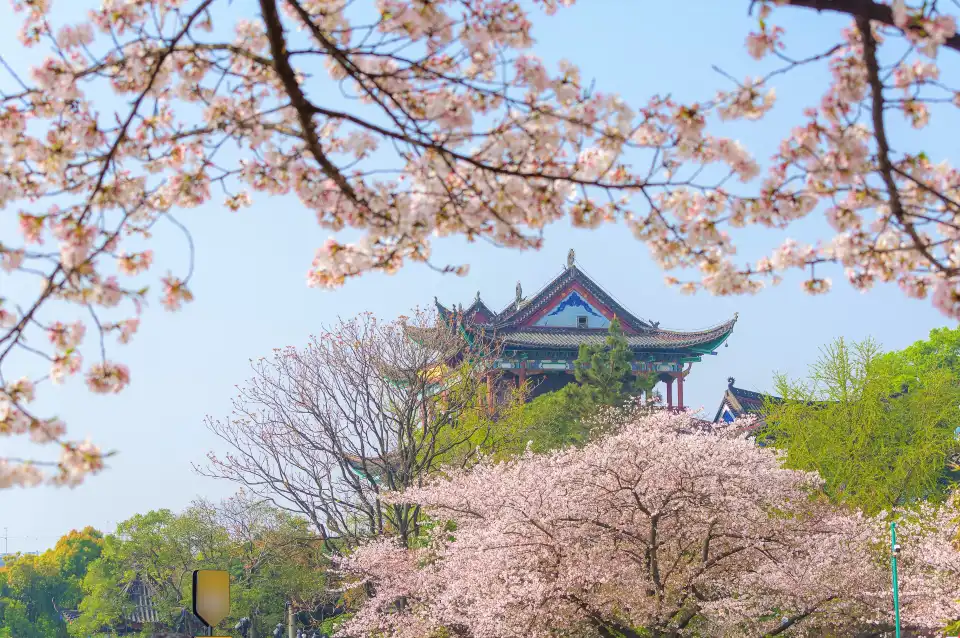
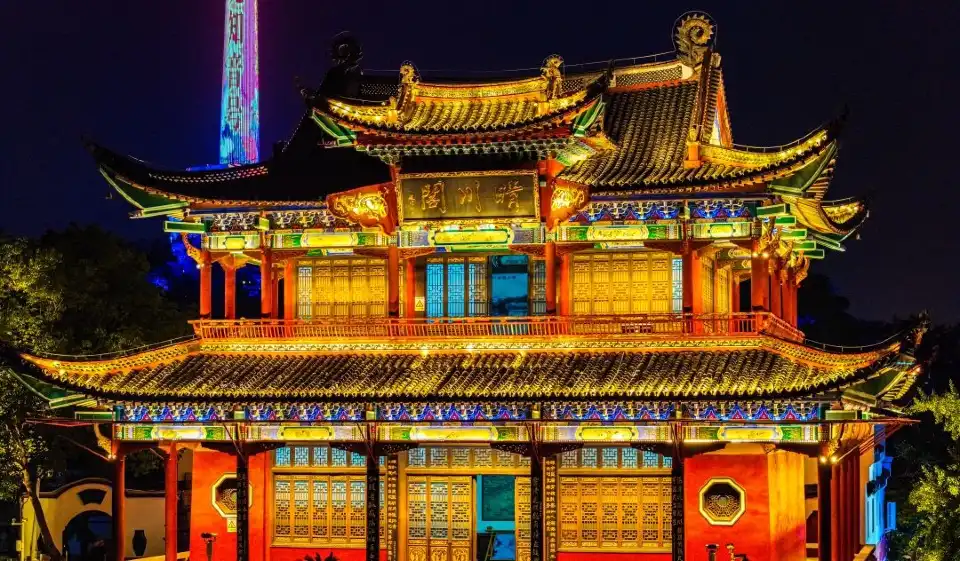
Qingchuan Pavilion stands on Yugong Rock at the eastern foot of Tortoise Hill in Hanyang, facing the Han River to the north and the Yangtze River to the east, gazing across the river at Yellow Crane Tower in Wuchang on the opposite bank. The pavilion's name is taken from the line "the clear river reflects the trees of Hanyang" by the Tang dynasty poet Cui Hao, and it was initiated for construction by Fan Zhizhen, the Ming dynasty prefect of Hanyang. First built during the Jiajing era of the Ming dynasty, it has a history of more than four hundred years. Throughout history, Qingchuan Pavilion was destroyed and rebuilt as many as six or seven times, the last destruction caused by a windstorm; the existing structure was rebuilt in the 1980s following the style of the Guangxu era of the Qing dynasty. Long known as one of the "finest sights of the Three Chu regions" and a "grand vista through the ages," Qingchuan Pavilion echoes Yellow Crane Tower across the river and stands out distinctly along the banks of the Yangtze.
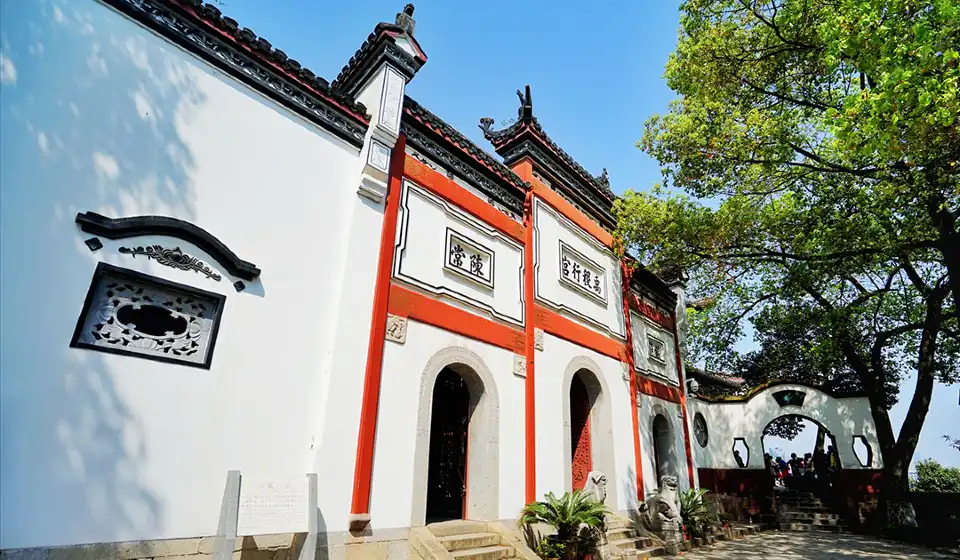
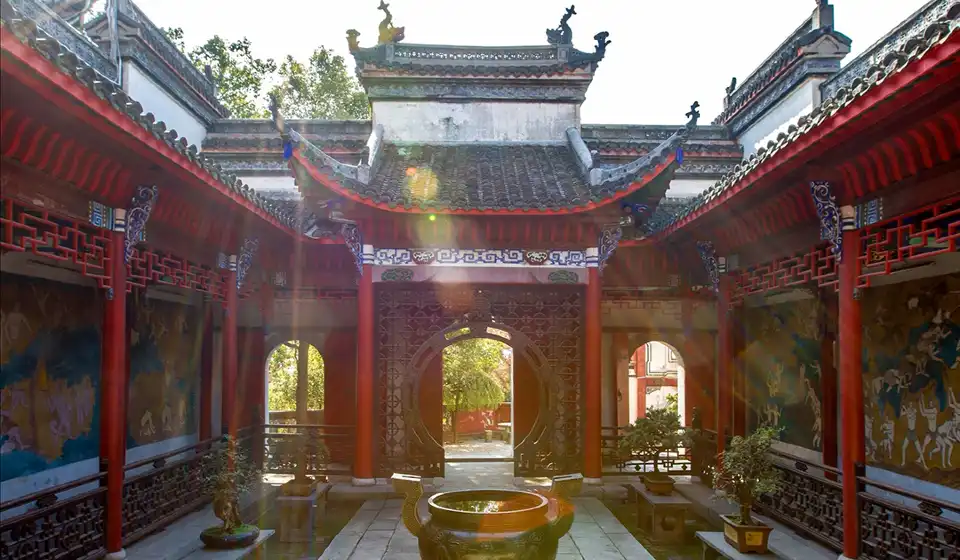
The attraction is composed of three main structures—Qingchuan Pavilion, Yuji Xinggong (Yu and Ji Ancestral Hall), and Tiemen Pass—along with auxiliary structures such as the ancient archway, Chubo Pavilion, Chaozong Pavilion, Yu Stele Pavilion, Jingchu Heroic Spirit Stele, and the poetry stele corridor, forming a complex of ancient and pseudo-classical buildings standing by the river. Among them, Yuji Xinggong was first built during the Shaoxing era of the Southern Song dynasty under the original name Yu Wang Temple; during the Tianqi era of the Ming dynasty, it was renamed "Yuji Xinggong" after its worship was changed to Houji and other former sages, and it has been an important site in Wuhan for successive generations to pay homage to Yu the Great. Tiemen Pass was first built during the Three Kingdoms period and has been a strategic location contested by military strategists since ancient times; it was restored in the 1990s.
Ascending Qingchuan Pavilion offers a panoramic view of the expansive river scenery where the Yangtze River and the Han River converge. Inside the pavilion, permanent exhibitions such as "Traces of Yu Across the Nine Provinces" and "Historical Paintings of Qingchuan" present Yu the Great culture and the historical heritage of Qingchuan Pavilion from multiple perspectives, ranging from water-control culture to poetry and couplets. The attraction nestles between the hills and the river, with pavilions and terraces scattered in graceful arrangement. The poetry stele corridor preserves inscribed stones bearing verses by literati and poets of successive dynasties, and strolling through it allows visitors to feel the rich historical and cultural atmosphere.
Qingchuan Pavilion Reviews: Insider Insights and Visitor Experiences
Qingchuan Pavilion Photos: Trip Moments
- wuhan
- qingchuanpavilion
- culturetrip
- yangtzeriver
- historicchina
Step into Ancient Elegance at Qingchuan Pavilion 🌸🏯 Get ready to time travel at Qingchuan Pavilion, a charming riverside gem that blends centuries-old architecture with peaceful gardens and panoramic city views. Perfect for culture lovers, history buffs, and anyone in search of serene photo ops along Wuhan’s iconic Yangtze River! 🗺️ Suggested Route: Enter through the main gate at No. 86, Xima Chang Street, and stroll along the stone path under shady trees, heading straight to the towering Qingchuan Pavilion. Explore every level—each has unique vantage points over both the Yangtze and Wuhan’s skyline. 🌟 Must-Do Experiences: · Climb to the pavilion’s top floor for sweeping river and city vistas. · Visit the poetic inscriptions and old-school calligraphy inside. · Wander the tranquil gardens—especially delightful around sunset. 📸 Top Photo Spots: · Capture the pavilion’s classic silhouette framed by willow trees from the riverside path. · On the top floor, snap a wide angle contrasting the ancient rooftops with Wuhan’s modern background—absolutely “insta-worthy" at golden hour. ⚡ Visiting Tips: · Closed on Mondays. Go in the late afternoon to catch the city lights flicker on as you exit. · Tickets available till 21:00; last entry 21:00—no rush if you’re planning an evening stroll! · The area is mostly shaded and breezy—great for hot days, but bring a light jacket for river winds after dark. ⚠️ Precautions: · Some stone steps can get slippery, especially after rain—wear comfortable shoes with grip. · The park is well-lit, but stay mindful of your belongings during busier hours. #Wuhan #QingchuanPavilion #CultureTrip #YangtzeRiver #HistoricChinaNERMINE OUCHIA13
- sunrisescenes
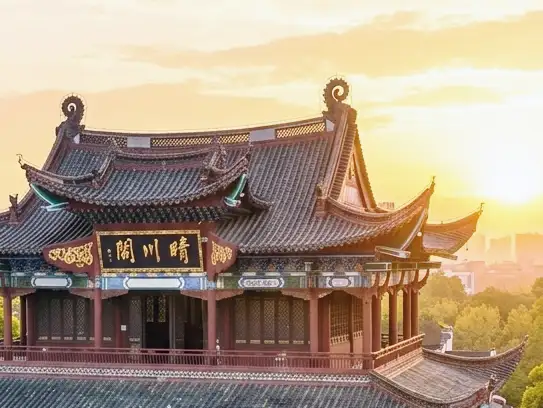
🐻❄️ Beautiful Pavilion of Morning Dawn#sunrisescenes Standing quietly on the historic riverbanks of Wuhan just as dawn began to break, I watched the first pale, golden rays of morning wash over the crimson pillars and sweeping black-tiled roofs of the legendary Qingchuan Pavilion. Overlooking the mighty Yangtze River directly across from the iconic Yellow Crane Tower, this architectural masterpiece from the Ming Dynasty offered an astonishingly peaceful sanctuary before the city fully woke. As the sun crested the horizon at 6 AM, its warm light caught the intricate timber brackets and turned the choppy surface of the river into a shimmering expanse of amber and rose, framing the distant Wuhan Yangtze River Bridge in a breathtaking display of industrial and classical harmony. It was the best sunrise I experience so far. Arrive around 5:00 AM to walk the sweeping stone promenades along the Yangtze bank, where I can capture unobstructed photographs of the pavilion against the waking river skyline. Known alongside the Yellow Crane Tower and Yueyang Tower as one of the three famous historic structures of the region, Qingchuan Pavilion commemorates Dayu, the legendary ancient hero who tamed the great floods. I took Wuhan Metro Line 4 to Hanyang Station and enjoy a short, scenic taxi ride or walk toward the riverfront park gates just as daylight begins to break. Once the sun fully cleared the skyline, I treated myself to a refreshing morning walk along the shaded paths winding through Yuetai Garden surrounding the pavilion. The morning air was crisp and revitalizing, carrying a cool, river breeze mixed with the clean, earthy scent of damp stone, lush willows, and blooming flowers. Local residents jogged quietly along the riverside paths, while neighborhood elders practiced gentle stretching exercises and traditional fan dances beneath the ancient trees. This peaceful stroll offered an authentic glimpse into the calm, unhurried rhythm of local Wuhan life, far removed from the bustling commercial districts. Experiencing Qingchuan Pavilion at sunrise is a mixture of timeless architectural heritage with the tranquil awakening of the great river. With sunrise, it transformed a historic landmark into an unforgettable personal retreat.T-Rex Pro2
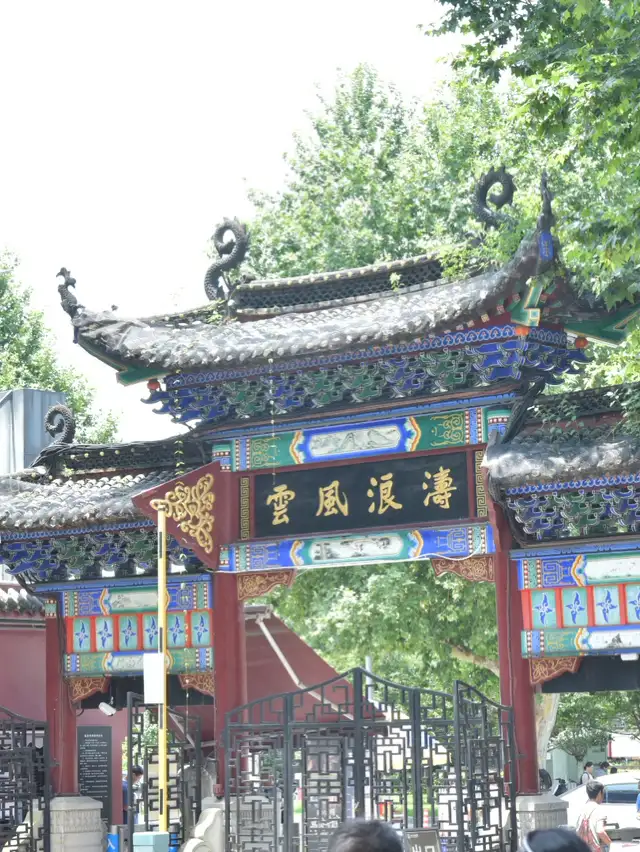 A Historic Oasis Amidst the Hustle and Bustle"The trees of Hanyang are crystal clear by the sunlit river." Qingchuan Pavilion, one of Wuhan's top three famous scenic spots, is located at No. 7 Qingchuan Street, Hanyang District, Wuhan! 🌊 Bordered by the Han River to the north and the Yangtze River to the east, it sits just across the water from the world-famous Yellow Crane Tower. The two iconic landmarks face each other from afar, offering absolutely breathtaking views! 😍 If you're a history buff, you simply can't miss this spot! It's brimming with ancient charm. Stepping into Qingchuan Pavilion, you can soak in the super chill river vibes and the rich traces of time! 👣 Whether you're looking to snap some Insta-worthy shots, take a relaxing stroll to chill out, or dive into Wuhan's history, Qingchuan Pavilion is an excellent choice! Highly recommend checking out this historic gem packed with incredible stories~ 🏯 Basic Info: Address: No. 7 Qingchuan Street, Hanyang District, Wuhan Hours: Daily 9:00 AM – 5:00 PM Transportation: Just a 10-minute walk from Gongji Road Station on Metro Line 4—super convenient to get around! Start planning your trip now, and bring your friends along to experience the unique charm of Wuhan, where modern prosperity and ancient history perfectly coexist! 🎬AgnesKong

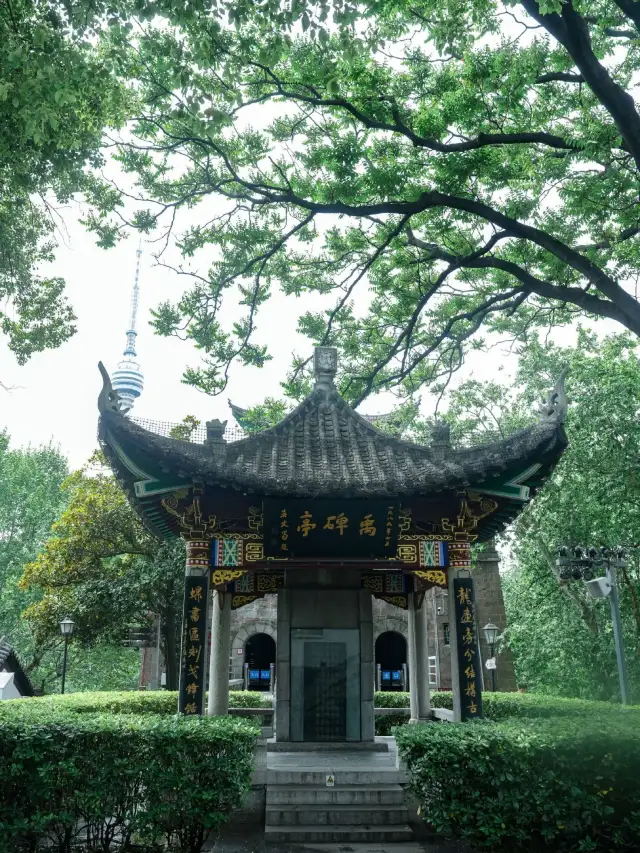
- cityscenes
Across the River from Yellow Crane Tower — Qingchuan Pavilion 🌊🏯Some places are beautiful because of what stands there. Others are beautiful because of what they allow you to see. At Qingchuan Pavilion in Wuhan, the view is the real attraction. Perched on the side of Tortoise Mountain, the pavilion looks out toward the Han River and across the water toward the legendary Yellow Crane Tower. Two historic landmarks. One river between them. And a landscape that has inspired poets for centuries. Standing here, it is hard not to think of the famous lines by Tang dynasty poet Cui Hao: “The trees of Hanyang stand clear in the distance, the fragrant grasses flourish on Parrot Island.” The poem is more than a thousand years old, but its imagery still feels remarkably relevant. The trees remain. The river still flows. Parrot Island still lies somewhere within Wuhan's vast riverscape. And the city has simply grown around the ancient landscape. What fascinated me most was the sense of layers. Ancient poetry in the background. Historic pavilions on the mountainside. The Han River flowing below. And beyond it all, the modern skyline of Wuhan. It is not a perfectly preserved ancient scene — nor does it need to be. Instead, past and present exist together in one enormous panorama. 🌊 Watch the boats moving along the river. 🏯 Look across toward Yellow Crane Tower. 🌿 Notice the greenery around Tortoise Mountain. ☁️ And then simply wait for the light to change. The same view can look completely different in sunshine, beneath clouds, or just before sunset. Perhaps this is why rivers have always appeared so often in Chinese poetry. They don't belong to one particular moment. They keep moving while everything around them changes. Standing beside the Han River, I felt that connection particularly strongly. The poet's Wuhan and today's Wuhan may look very different — but the river is still here. And perhaps that is enough to make an ancient poem feel alive again. 📍 Qingchuan Pavilion, Wuhan, Hubei 🌊 Han River waterfront 🏯 View toward Yellow Crane Tower A thousand years later, still looking across the river. 🌿Emily1011
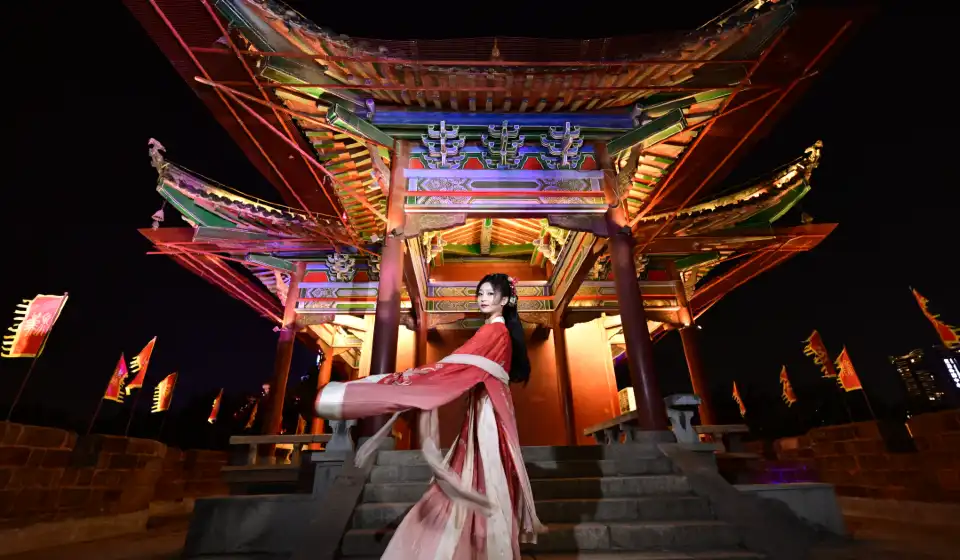
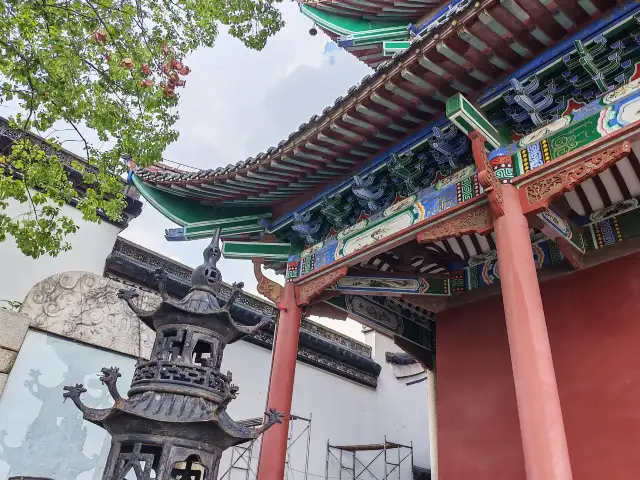 Qingchuan Pavilion guide📍Address: 86 Xima Changjie, Hanyang District, Wuhan (east foot of Guishan Mountain, across the river from Yellow Crane Tower) 🎫Admission: Free for daytime entry. Real-name reservation required via the "Wuhan Qingchuan Pavilion Dayu Culture Museum" WeChat official account. Nighttime entry is a paid activity featuring a live light show. ⏰Daytime hours: Tue–Sun 9:00 AM–5:00 PM (last entry at 4:30 PM). Closed on Mondays (except for public holidays). 1.5–2 hours is sufficient for a visit. 🚗Transportation Subway: Take Line 4 to Zhongjiacun Station, Exit E1, then walk for 15 mins; or take it to Lanjiang Road Station and walk for 10–12 mins. Bus: Take bus 30, 531, 532, 535, or others to the Qingchuan Pavilion stop on Qingchuan Avenue. Ferry✨: Take a ferry from Wuchang Zhonghua Road Pier to Qingchuan Pier, then walk 300m. The river crossing experience is great. Driving: Park at the Guishan East Gate parking lot. Parking is limited, so driving on public holidays is not recommended. 🕒Recommended route (no backtracking) Entrance archway > Tiemen Pass > Yuji Palace > Qingchuan Pavilion main building (go up!) > Chubo Pavilion > Chaozong Pavilion > Poetry Stele Gallery > Dayu Myth Park > Exit 🏯Must-see highlights Qingchuan Pavilion main building | The core landmark, named after Cui Hao's poem "The clear river reflects the trees of Hanyang." Go up to the observation deck for a perfect shot of the Yellow Crane Tower + Yangtze River Bridge + Yangtze River all in one frame. The river breeze and views are expansive. Yuji Palace | A national cultural heritage site featuring old Qing Dynasty wooden architecture, red walls, grey tiles, and corridors. It's perfect for photos in Hanfu or modern Chinese-style outfits. The Dayu Culture Exhibition Hall is located here. Tiemen Pass | An ancient pass from the Three Kingdoms period. Climb the city wall to watch the traffic on the Yangtze River Bridge—a great spot for photos blending the ancient and modern with a strong atmosphere. Poetry Stele Gallery | Stone tablets inscribed with poems by writers throughout history. Read and appreciate poems about the river city. Dayu Myth Park | A riverside walkway perfect for strolling, watching the confluence of the two rivers, and enjoying the sunset. 📸Top photo spots ✅Qingchuan Pavilion second-floor corridor: Frame the Yellow Crane Tower and the Yangtze River Bridge for a classic shot. ✅Yuji Palace red wall corridor: Great for traditional-style portraits. ✅Tiemen Pass city wall: Look up to capture the gate tower and the bridge. ✅Riverside walkway: Shoot the pavilion and river against the sunset backlight. The lighting is best in the evening. 💡Travel tips Best time to visit: Mornings are less crowded and quiet; after 4:00 PM is perfect for watching the sunset and the stunning river views. Outfit: Light colors, Hanfu, or modern Chinese-style dresses look best in photos. The scenic area is not large, so you don't need a whole day. You can combine it with other Hanyang attractions: Qingchuan Pavilion > Guishan Park > Guqin Terrace > Hanyang Zao Art Zone for a half-day or one-day Hanyang tour. After your visit, you can take a ferry from Qingchuan Pier back to Wuchang. It's affordable and offers great night views of both riverbanks. There is a Dayu Culture Exhibition Hall inside where you can learn about the history of flood control. Pets are not allowed. Please do not touch the exhibits in the exhibition halls.EetuLaine

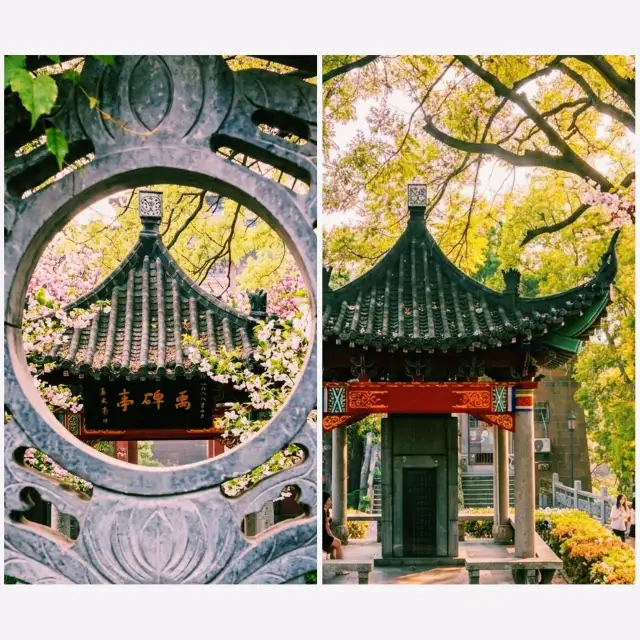
- myfootballnight
- wuhantrip
- qingchuanpavilion
- travelchina
Wuhan in A Day, with My Football Night Out! 🌆⚽First stop — Qingchuan Pavilion Park (No. 86, Xima Chang Street, Hanyang District, Wuhan). This scenic spot is totally free—open 9am till 9:30pm (closed on Mondays but I went on a game night!). Don’t miss wandering through the ancient pavilions and lush gardens; the views of the Yangtze River are epic for selfies and chill moments. Pro tip: Go in the late afternoon to catch that golden hour light spilling over the river (total vibe for photos!). Insider tip: There are steps, but it’s not super strenuous if you take your time. I brought my own water and snacks, but there are also a couple of stalls near the entrance for a quick refuel. This spot is great for a slower pace if you want to soak in history and escape Wuhan’s busy roads for a bit. How did I wrap up the day? My football night by grabbed street eats at a local stand (try Wuhan’s hot dry noodles “reganmian”) and found a chill spot with a TV showing the football match—watch parties are everywhere during the season. Tip: Get your snacks from roadside vendors before kick-off to avoid queues. Getting around: The Wuhan Metro is your best bet—nearest stop is Hanyangmen, about a 15-min walk to the park. Bring cash for ticket machines. Weather hack: Summer is humid, so dress cool and pack your phone charger for those river views! #myfootballnight #wuhantrip #qingchuanpavilion #travelchinaSunshine Daisy5
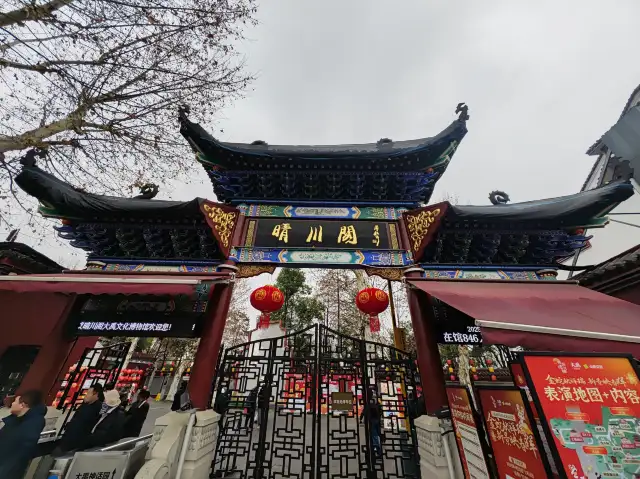 See Wuhan’s thousand-year charm at Qingchuan Pavilion | A stunning ancient architecture guideFrom Qingchuan Pavilion, you can gaze far across where the Yangtze and Han rivers meet, with the famous Yellow Crane Tower 🏯 right across the water! This iconic view is surprisingly easy to capture in Wuhan~ 🌟 A well-deserved spot on the list: I love the dual charm here! It’s both a perfect photo spot to wow your social feed and a place rich with millennia of culture. The pavilion’s flying eaves are full of life, and every snap feels like a classic ancient-style masterpiece 📸 💡 My exclusive tips for visiting: 1️⃣ Qingchuan Pavilion is right by the main riverside road, with a bus stop at the entrance 🚌, making it super convenient to get to 2️⃣ Right across the street is the entrance to Guishan Park. I recommend visiting it together with Guqin Terrace to unlock three major historical landmarks in one trip 3️⃣ The pavilion is full of hidden historical secrets. Do some research beforehand 📚 and you’ll find a story behind every carved detail 4️⃣ The best photo spot is the third-floor viewing platform, where you can frame both the Yangtze River and Yellow Crane Tower in one shot 🌟 A magical moment: Standing on the pavilion’s roof overlooking the river confluence, I suddenly understood the meaning of “Qingchuan’s clear waters and Hanyang’s trees.” History and the present overlap in this moment 💫 No need to pick a perfect time—sunny or rainy days each have their own charm. My favorite is at dusk, watching the sunset glow on the ancient flying eaves, feeling as if Wuhan’s thousand-year cultural heritage is within reach...brianna_likes_acetylcholine

- wuhan
- qingchuanpavilion
- nightview
- chinesearchitecture
- cityscape
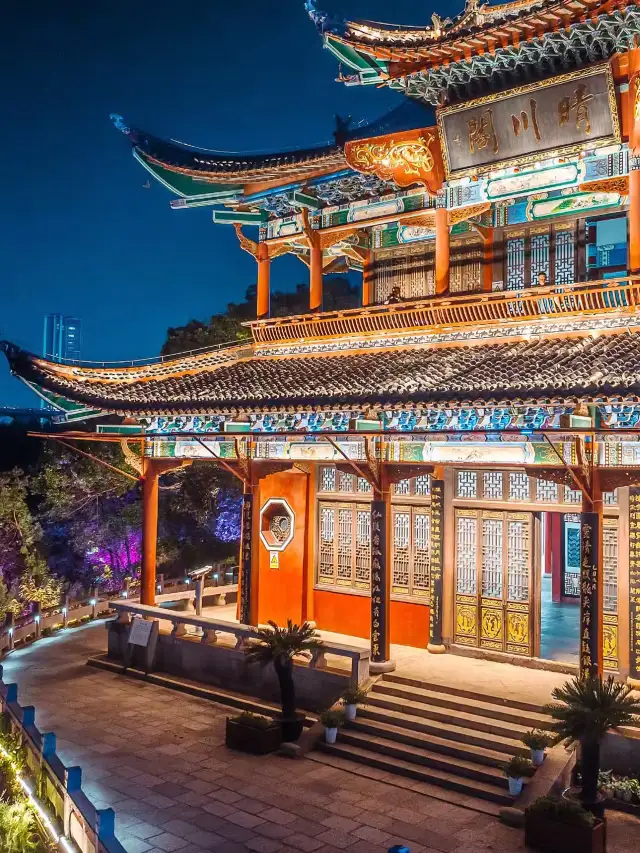
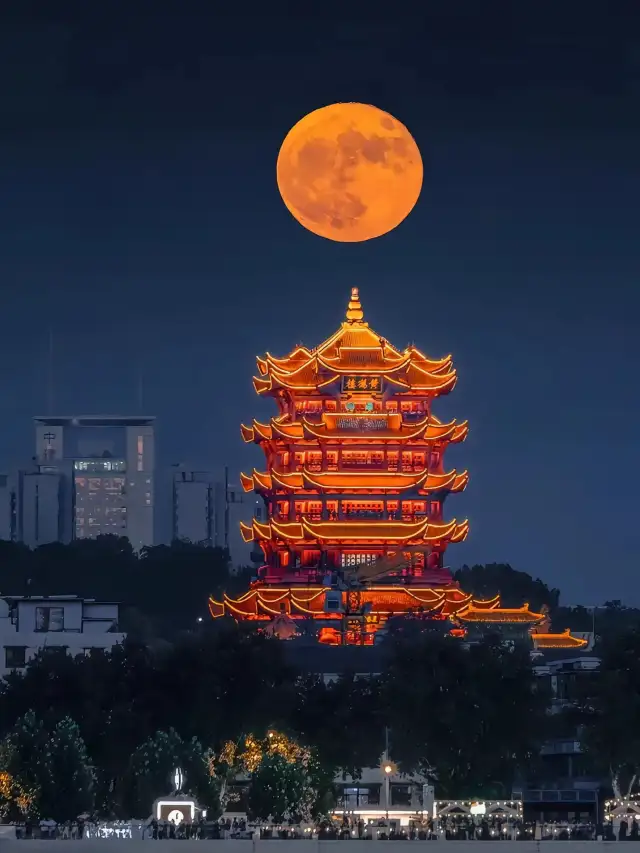
A Nighttime Stroll at Wuhan's Qingchuan Pavilion 🌃🏮 Planning your Chuzhou-to-Wuhan adventure? Don't miss the breathtaking night views at Qingchuan Pavilion—this iconic riverside spot blends historic Chinese architecture with a glowing city skyline, making it a must-see for culture lovers and photo enthusiasts! 🧭 Recommended Route: Head straight to Qingchuan Pavilion after dusk for a magical transition from sunset to twinkling city lights. Stroll along the Yangtze River’s nearby walkways—autumn trees and layered rooftops create the perfect frame for architecture and city vistas. 📸 Must-do Experiences & Photo Spots: Climb up to the Pavilion's upper decks for panoramic city views—capture the contrast between ancient wooden eaves and Wuhan's glimmering skyscrapers (try wide shots during golden hour and close-ups when the city lights up!). The riverside promenade is especially charming during autumn, when colored leaves complement both the Pavilion and the modern skyline. 💡 Visiting Tips: Arrive just before dusk to catch both sunrise hues and nighttime illumination. It gets crowded on weekends, so weekday evenings offer a calmer vibe. A light jacket is handy—evenings by the river can get chilly! ⚠️ Precautions: Watch your step on older, uneven stone paths—especially if you’re moving between photo spots after dark. Keep your belongings secure; busy tourist areas can attract pickpockets. #Wuhan #QingchuanPavilion #NightView #ChineseArchitecture #CityscapeNERMINE OUCHIA4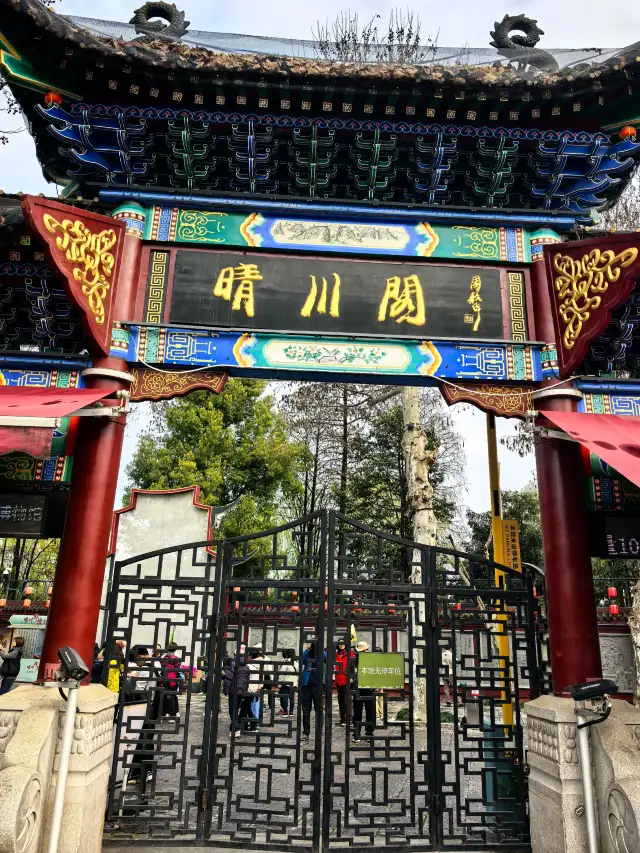 Climb Qingchuan Pavilion to enjoy the stunning Yangtze River view—this is the best way to experience Wuhan!The crowds at Yellow Crane Tower can be overwhelming, so come to Qingchuan Pavilion on the opposite bank to enjoy the breathtaking river scenery in peace! This hidden gem in Hanyang District definitely deserves a 5-star recommendation✨ The most amazing moment is when you reach the main tower—the Yangtze and Han rivers passionately converge here, the golden roof of Yellow Crane Tower shines brilliantly across the river, and the skyline of Wuhan’s three towns unfolds before your eyes! Every photo you take is a masterpiece for your social feed📸 🔍Tips for your visit: 1. The best time is in the afternoon⏰, when the light is soft and perfect for photos, plus you can catch a beautiful sunset 2. Be sure to climb the main tower! It’s the only official VIP viewing platform in Wuhan where you can see the confluence of two rivers, Yellow Crane Tower, and the entire cityscape all at once 3. Use the address 86 Xima Street, Hanyang District for accurate navigation—no worries about getting lost It’s surprising to find such a place in the city center where you can feel the rich history and enjoy natural beauty at the same time. Highly recommend it to everyone visiting Wuhan!Price Avery 671

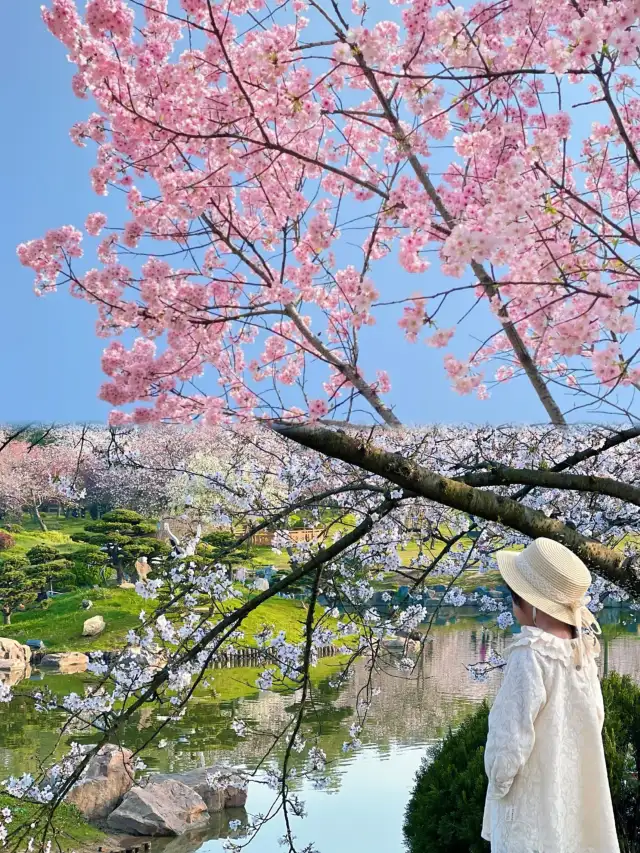 Wuhan Cherry Blossom Season Nanny-Level Guide! Avoid the Crowds and Capture Stunning PhotosFriends! Wuhan's cherry blossom season is finally here! Mid-March to early April is the best time to view them; miss it, and you'll have to wait another year! Save these hidden gems👇 1️⃣ Wuhan University Cherry Blossom Avenue (Free, reservation required) 🌸 A classic top attraction! The century-old campus + cherry blossom rain creates an amazing atmosphere! Remember to book 3 days in advance on Wuhan University's official WeChat account. Entering through the [Main Gate] or [Chagang Gate] is the most convenient. It's recommended to go before 8am when there are fewer people and the light is soft. Wearing JK or Hanfu will make your photos even better! 2️⃣ East Lake Cherry Blossom Garden (60r) ✨ The ultimate night cherry blossom experience! Over 50,000 cherry blossom trees + ancient pavilions and terraces. After 6pm, when the lights come on, you'll feel like you've traveled back to the Tang Dynasty! Take Metro Line 8 to Liyuan Station, then a 15-minute bike ride will get you there. It's suggested to enter the park at 4pm to enjoy both daytime and nighttime views! 3️⃣ Holiday Inn Express Wuhan-Qingchuan Back Garden (Free) 💫 A hidden gem! A secret cherry blossom paradise by the Yangtze River, with fewer crowds, beautiful scenery, and photo ops with Qingchuan Pavilion! Take Metro Line 6 to Zhongjia Station, enter directly through the hotel's back door, order a cup of coffee, and enjoy the entire sea of flowers~ 🚌Transportation Tips: Avoid weekends! Choose a working day morning for taxis, and the subway is the most reliable option. The area around Wuhan University is extremely congested, so shared bikes are the best! 📸Outfit Guide: Light-colored dresses + straw bags! Bring a reflector or wear white innerwear to capture a translucent feel even on cloudy days~ Remember to wear comfortable shoes, as 20,000 steps a day is not a dream! Qingchuan Pavilion East Lake Cherry Blossom Garden Wuhan University - Cherry Blossom CastleAaroKuosmanen2

- traveldiaries
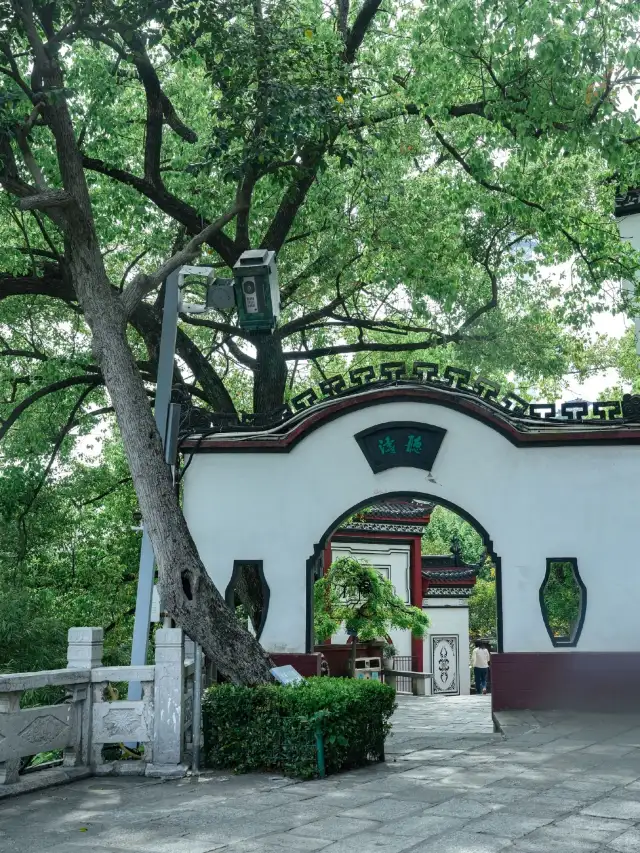
Qingchuan Pavilion — Where the Poem Meets the River 🌊🏯“The trees of Hanyang stand clear in the distance, the fragrant grasses flourish on Parrot Island.” More than a thousand years after Cui Hao wrote these famous lines, the landscape of Wuhan still carries the same poetic atmosphere. Standing at Qingchuan Pavilion, I could finally understand why this corner of the city has inspired so many writers and travellers. Built against Tortoise Mountain and facing the Han River, Qingchuan Pavilion occupies a remarkably beautiful position. Across the water stands the Yellow Crane Tower, creating a rare view where two of Wuhan's most iconic historic landmarks face each other from opposite sides of the river. The river flows between them. Boats pass quietly below. The city stretches along the banks. And beyond the modern skyline, fragments of the landscape described in ancient poetry still seem to linger. There is something special about standing here with Cui Hao's poem in mind. The words are centuries old, yet the scene still invites the same instinct — to look across the river, notice the trees and islands, and simply stand there for a while. 🌿 Qingchuan Pavilion is sometimes overshadowed by the more famous Yellow Crane Tower, but that is part of its charm. The atmosphere feels quieter. The relationship between mountain, river and architecture is particularly beautiful. And from here, looking across the water toward Yellow Crane Tower, Wuhan's landscape seems to unfold almost like a traditional Chinese painting. Ancient poetry. Historic architecture. A great river. And a modern city continuing its life around them. Perhaps that is what makes Wuhan so fascinating. You don't have to travel far to move between centuries. Sometimes all you need to do is stand beside the river and look across. 📍 Qingchuan Pavilion, Wuhan, Hubei 🏯 Set against Tortoise Mountain and overlooking the Han River 🌊 Yellow Crane Tower can be seen across the river The poem has travelled through a thousand years. The river is still flowing. And the view is still worth stopping for. 🌿Emily1011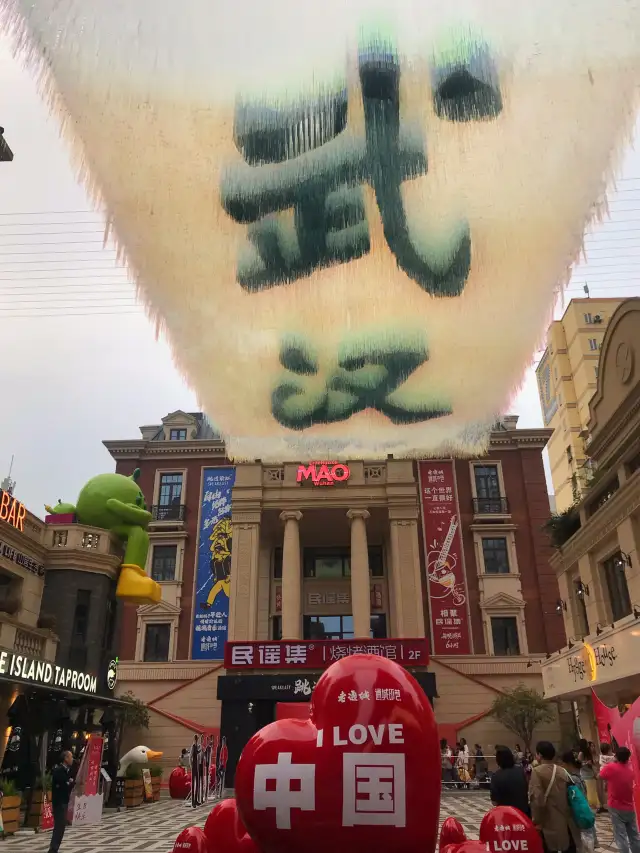 The transportation hub of nine provinces—WuhanWuhan's three towns refer to the areas of Wuchang, Hankou, and Hanyang, located at the confluence of the Yangtze River and Han River. These areas serve as significant water and land transportation hubs. In 1927, the Nationalist Government temporarily moved from Guangzhou to Wuhan, officially integrating Wuchang, Hankou, and Hanyang into what is now known as Wuhan City. Urban planning began at that time, including a plan for a bridge across the Yangtze River, to be located at the site of the old Yellow Crane Tower. The bridge was designed with two levels: trains on the lower level and a roadway on the upper level. However, the outbreak of war interrupted these plans. Finally, in 1953, the first bridge spanning the Yangtze River was completed, named the unique "Yangtze River Bridge." Wuhan is a city full of stories and a great place to explore. We stayed in the historical and cultural district of Hanjiang Road. This area was one of the last concession zones opened during the late Qing Dynasty around 1860. Located along the Yangtze River, it features the most modern European-style buildings of the time, constructed by countries like Russia, Germany, Britain, and Japan. Today, it has become a leisurely area for Wuhan locals to enjoy food and strolls. We spent two weeks in Wuhan, coinciding with the rainy and chilly early autumn. We took advantage of breaks in the rain to visit Wuchang's Yellow Crane Tower, Hankou's Jianghan Street, and Hanyang's Qingchuan Pavilion, exploring these landmarks at a leisurely pace. When hungry, we tried local delicacies like hot dry noodles, three-delicacy tofu skin, pork rib and lotus root soup, and sweet rice wine dumplings. Every dish was delicious, and we never had a bad meal. Wuhan is truly a city suitable for a long stay. Bonus tip: When in Wuhan, don't forget to visit the area near Lanling Street (where prices are more affordable) and get yourself a talking "Garlic Bird." When you hear it say, "Garlic Bird, Garlic Bird, it's not easy~~," you'll genuinely feel a sense of empathy. Its amusing chatter can help release a lot of negative energy, bringing a unique sense of relaxation that Wuhan offers. This is one of the reasons I fell in love with this city.Jillhsu


Other visitors' reviews of Qingchuan Pavilion
Show More ReviewsThe scenic area is filled with the fragrance of osmanthus blossoms. From the top, you can enjoy panoramic views of the Yangtze River Bridge and the Yellow Crane Tower. At the very top, watching the ships on the Yangtze and the cars and trains on the bridge, with the breeze blowing, is very pleasant, and it's not too crowded. The scenic area isn't large; a leisurely hour is about right to appreciate the scenery. Qingchuan Pavilion and Guishan Scenic Area are directly connected by the Iron Gate Pass, which leads to the West Gate of Guishan. Climbing the mountain and enjoying the breeze and osmanthus fragrance is a wonderful experience.