
Shaanxi History Museum(Shaanxi Bo)
陕西历史博物馆 Based on 1,633 review
 2026 Asia 100 - Family-friendly Attractions
Open Opening hours of Shaanxi History Museum
Shaanxi History Museum attraction highlights
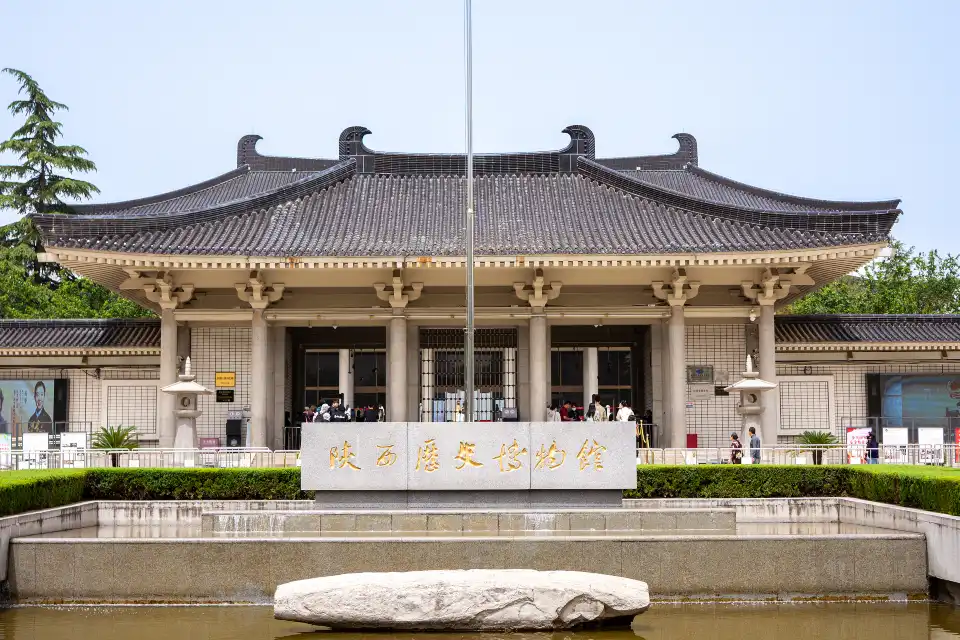
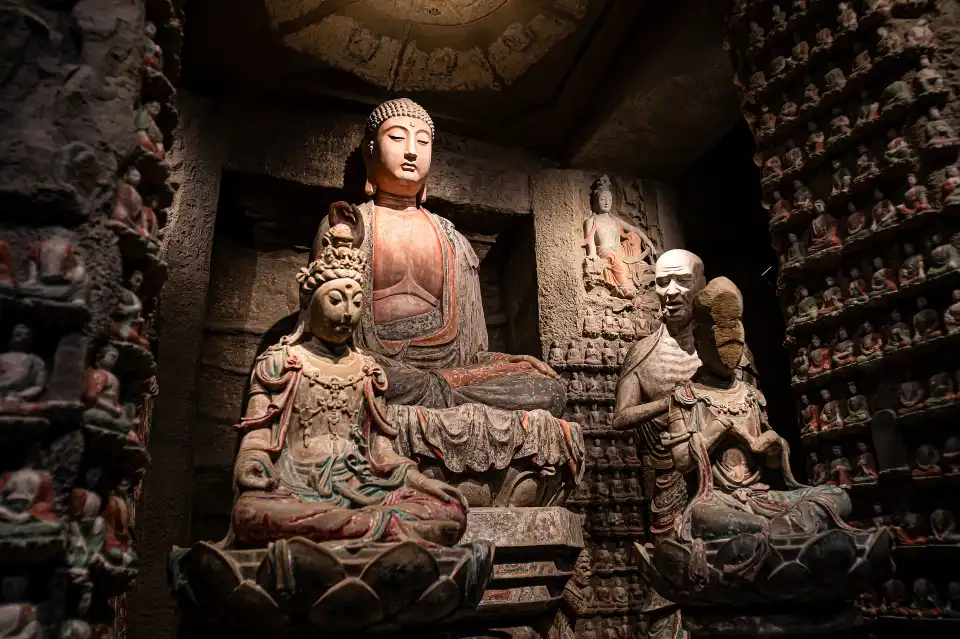
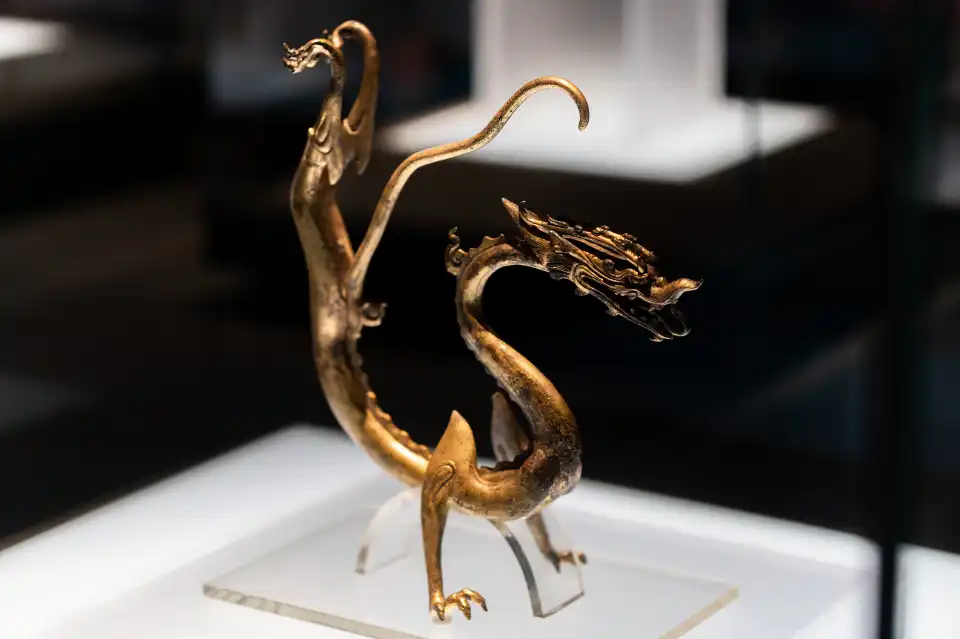
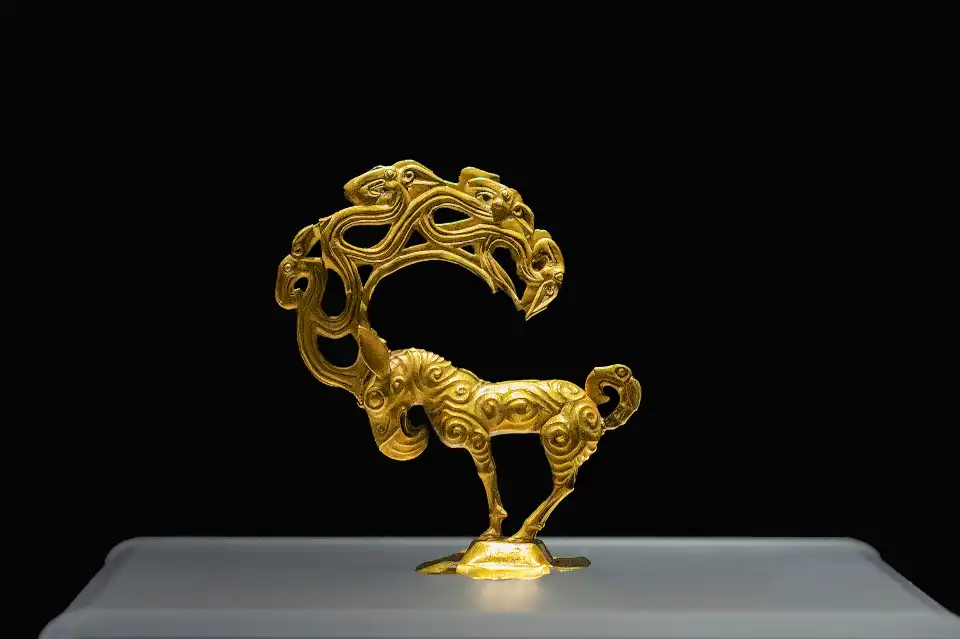
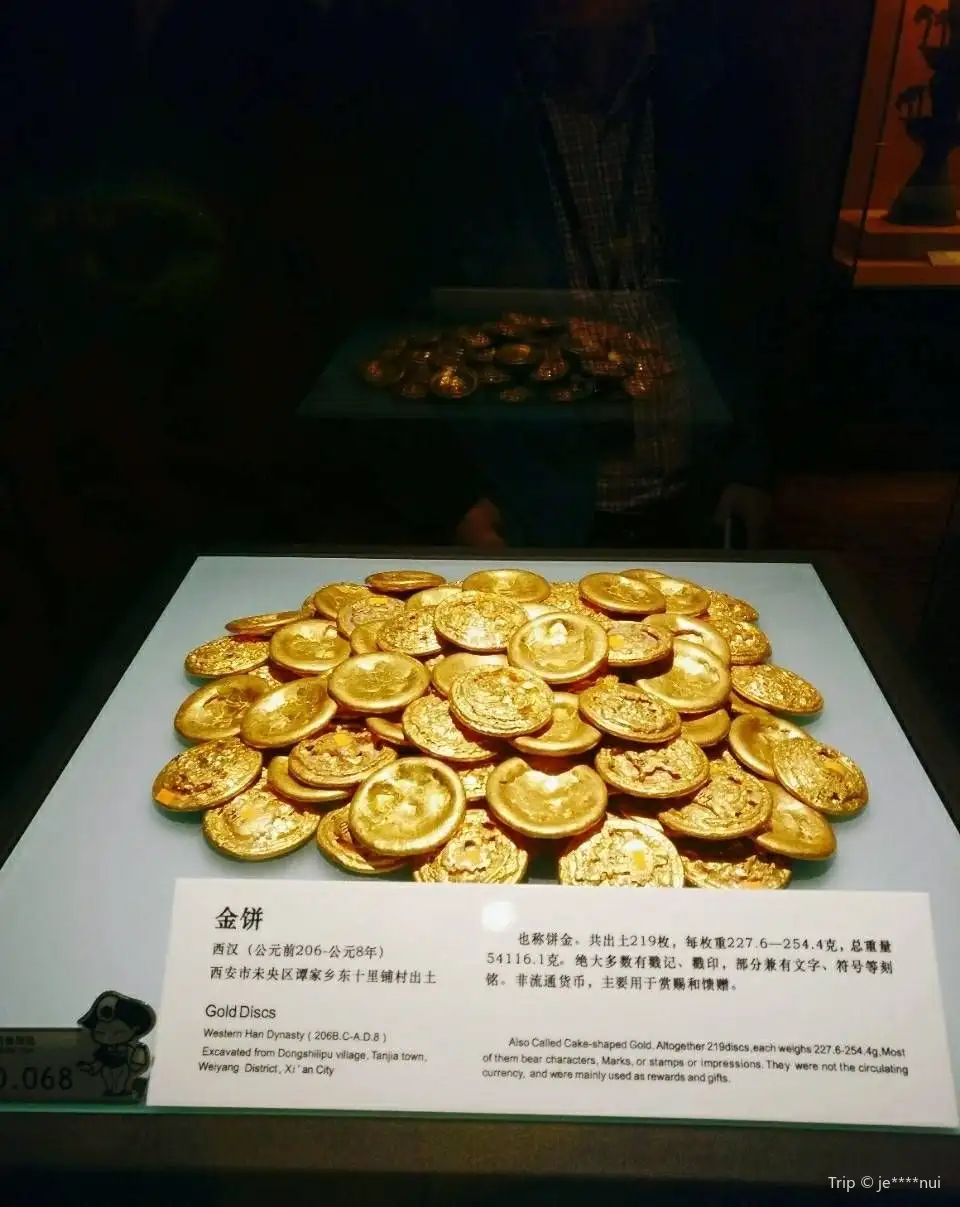
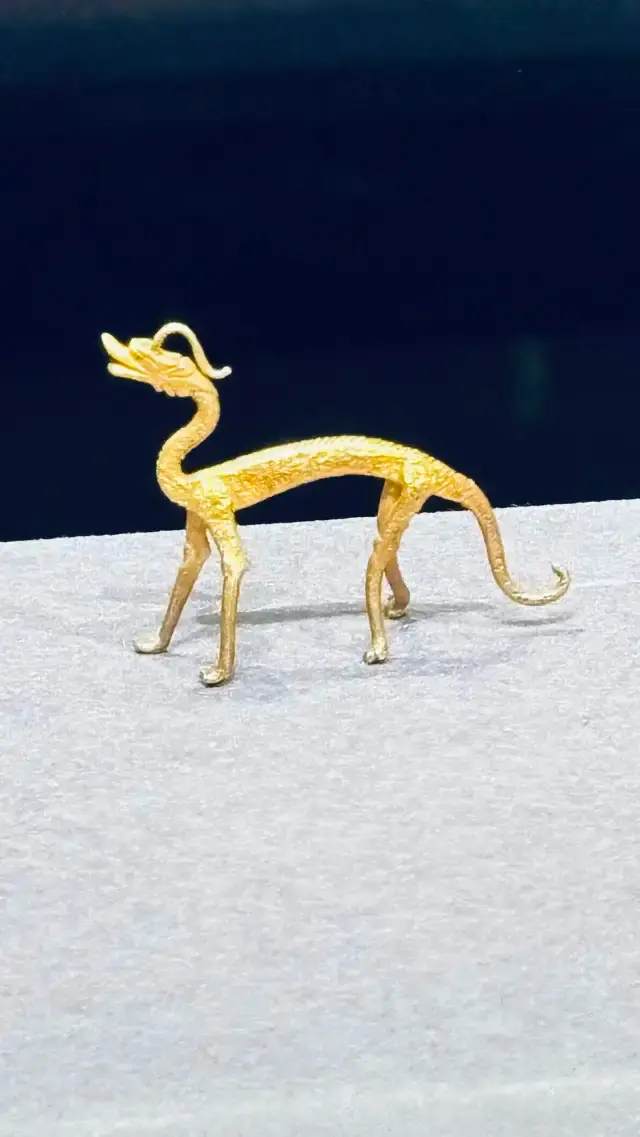
Shaanxi History Museum is a large modern museum built after China's reform and opening up and officially opened in 1991. The building was designed by architect Zhang Jinqiu and adopts a Tang-style architectural layout of "central hall and four corner towers," with a symmetrical central axis and a clear hierarchy of primary and secondary structures; in 2016 it was included in the first batch of the "Chinese Architectural Heritage of the 20th Century" list. Shaanxi was once the political center of dynasties such as the Zhou, Qin, Han, and Tang, and the museum's collection spans a million years of history, covering categories such as Shang and Zhou bronzes, pottery figurines of successive dynasties, Han and Tang gold and silver wares, and Tang tomb murals, with a total of over one million items. The permanent exhibition "Ancient Civilization of Shaanxi" follows a chronological main line and presents the historical process from prehistoric Lantian Man to the eve of the Opium War across three galleries, with the Zhou, Qin, Han, and Tang periods as the focus. The east and west sides of the central hall each host a thematic exhibition: on the west side, "Treasures of the Great Tang: Hejiacun Hoard Unearthed Artifacts Exhibition" concentrates on fine gold and silver wares of the High Tang, while on the east side, the "Tang Dynasty Mural Treasures Gallery" displays authentic murals removed from Tang tombs, with subjects covering figures, architecture, ceremonial guards, and more, making it a uniquely distinctive category of the museum's collection. Among the many artifacts in the museum, several are particularly notable. The agate cup with gold-inlaid beast head, from the Hejiacun hoard, is carved from a single piece of banded agate into the form of a curved-horn beast head, resembling Central Asian rhyton cups, and is one of the first batch of cultural relics prohibited from being exhibited abroad. The tri-color glazed camel carrying musicians figurine vividly recreates the lively scene of musicians playing and singers performing on a camel's back, with bright glaze colors and figures with distinct expressions. The Empress's Seal is made of Western Han Hetian mutton-fat jade and carved with a chi-tiger knob, and is the only known actual jade seal of a Han dynasty empress discovered to date. In addition, the gilt silver flask with a dancing horse holding a cup design, the celadon ewer with an overhead handle and bottom-filling design, and the black-glazed oil-spot bowl each have their own distinctive features. The gold and silver wares unearthed from the Hejiacun hoard are concentrated in the thematic gallery and are a highlight of any visit; visitors are advised to allow time to examine them closely.

Shaanxi History Museum Reviews: Insider Insights and Visitor Experiences
Shaanxi History Museum Photos: Trip Moments
 There’s no such thing as an "off-season" at the Shaanxi History Museum—only busy, very busy, and peak seasons. That’s what my guide told me.True to their word, the moment I stepped inside, the sheer density of the crowd felt overwhelming. You might think there would be a lull once one group clears out, but you’d be wrong—the next wave hits you almost instantly. Still, it was a great experience. Getting to see artifacts that are over a thousand years old, including many national treasures, is incredible. My personal favorites were the Tang Dynasty silver incense burner with grape, flower, and bird motifs, and the painted bronze goose-and-fish lamp. Most importantly: hire a guide. Otherwise, you’ll just end up skimming the surface without truly appreciating what you're seeing.Ang Eng Tat

 Must-Visit in Xi'an: Xi'an MuseumDon't just crowd into the Shaanxi History Museum when you're in Xi'an—many people can't even get a reservation! The Xi'an Museum is a true hidden gem: it's free, less crowded, no need to fight for tickets, and packed with national treasures. After visiting, you'll be in awe! ✨ Basic Information: Address: No. 72, West Youyi Road, Beilin District, Xi'an (inside the Small Wild Goose Pagoda Scenic Area) Tickets: Free! But reservations are required in advance. Opening Hours: 8:30 AM - 6:00 PM (last entry at 5:00 PM), closed on Tuesdays. Transportation: Take Metro Line 2/5 to "Nanshaomen Station," Exit F, and walk 5-8 minutes to the North Gate. Reservation Tips ⚠️ Key Points: Follow the official WeChat account "Xi'an Museum" → Services → Ticket Reservation. Tickets are released daily at 6:00 PM and can be reserved up to 5 days in advance. Each ID card can only book one ticket per day. During holidays, make sure to book as soon as tickets are released, as there are no tickets available on-site! 🏆 Museum Highlights: Each treasure is more stunning than the last 🐴 Tri-Color Glazed Flying Horse (A Must-See!) Discovered in 1966 in a Tang Dynasty tomb in Xi'an, this is the only tri-color glazed horse in China with all four hooves off the ground. The boy on the horse's back is wearing a blue robe—a rare "tri-color cobalt blue" made from imported cobalt material from Persia. The saying "Tri-color with cobalt blue, priceless indeed" perfectly describes this artifact. 🏺 Yong Yu (Bronze Vessel) A significant bronze artifact from the Western Zhou Dynasty. Though it appears modest, the bottom is inscribed with 123 characters, detailing the Zhou king's grant of land to the noble "Yong." It's essentially a 3,000-year-old "land contract" engraved on bronze, with immense historical value. 💎 Jade Cup with Cloud Patterns Unearthed from the Epang Palace ruins, this Qin Dynasty jade artifact stands 14.5 cm tall and is the largest jade cup from the Warring States to Han Dynasty period discovered so far. 🗼 Small Wild Goose Pagoda: The Museum's Largest "Artifact" The Small Wild Goose Pagoda is actually the largest "artifact" in the Xi'an Museum! Officially named the "Jianfu Temple Pagoda," it was built during the Jinglong era of the Tang Dynasty (707 AD) to house Buddhist scriptures brought back from India by the monk Yijing. Despite surviving numerous earthquakes over a millennium, it still stands tall. It is also one of the "Eight Scenic Spots of Guanzhong," known as "Morning Bell of the Wild Goose Pagoda." Surrounded by ancient trees, pavilions, and water features, it's a perfect spot for photography. 📸 🚶♀️ Recommended Tour Route (Approx. 3 Hours): Enter through the North Gate → Small Wild Goose Pagoda → Jianfu Temple Ruins → Main Museum Building → Garden Area In the main museum building, start from the basement level, where the "Ancient Capital Xi'an" exhibition is organized chronologically from the Zhou, Qin, Han, and Tang dynasties. Don't miss the Sui and Tang Chang'an City model. The first floor features Buddhist statues, while the second floor hosts the "Imperial Capital Panorama" exhibition. The basement level has the most exquisite artifacts—don't skip it! 💡 Practical Tips: · Guided Tours: Live guides are available for 100 RMB per session, while self-guided audio devices cost 20-30 RMB. Free audio guides are available on the official WeChat account. · Avoid Shaanxi History Museum Crowds: The Xi'an Museum is much less crowded and offers better value, especially with the Small Wild Goose Pagoda included. · Souvenirs: The gift shop at the exit offers tri-color-themed merchandise. In a nutshell: One museum, half the history of Chang'an. Free entry, national treasures, a thousand-year-old Tang pagoda, and beautiful gardens—just go for it!PINK6668

 Amazing Guided Tour at Shaanxi History Museum via Trip.com!I recently booked my Shaanxi History Museum tickets through Trip.com and joined a tour led by Guide Jin. The entire experience was absolutely incredible! Guide Jin was incredibly well-prepared, and her storytelling was so engaging and lively. She wove together the history and details of the national treasures in such a fascinating way that it never felt dull. The two-plus hours flew by, and nobody felt tired—the whole group stayed together the entire time, which really speaks to her expertise and charisma. If you're visiting the Shaanxi History Museum, I highly recommend booking a guided tour like this. It makes exploring the artifacts so much more insightful and fun! 👍 Travel Tip: Booking your tour in advance will make your museum visit much more fulfilling!_TI***y4

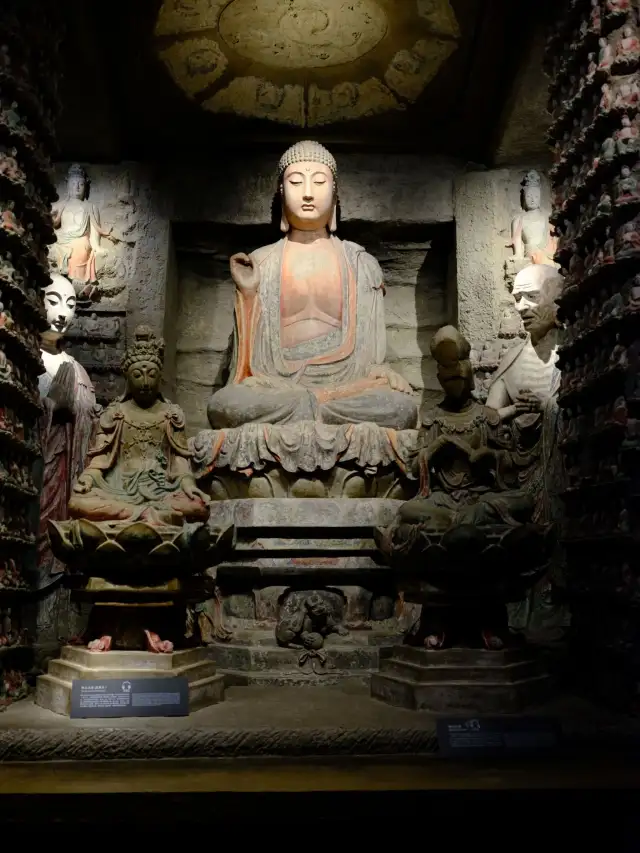 🏛️ Shaanxi History Museum | Where Xi’an’s Past Comes AliveThe Qinling Mountains are more than a natural landmark. They have shaped the geography, history and cultural identity of the region for centuries. To understand the civilisation that developed around them, the Shaanxi History Museum is an essential stop. Its collections bring together treasures from different periods of Shaanxi's long history, offering a remarkable journey through ancient China. Bronze vessels, pottery figures, ceramics, gold and silver objects, murals and other archaeological discoveries reveal the changing artistic styles and cultural traditions of the region. Among the most fascinating aspects is the diversity of the objects themselves. Some are grand and ceremonial, while others offer glimpses into everyday life. Together, they show how technology, craftsmanship, religion, trade and cultural exchange evolved across different eras. Xi’an’s position makes the story even more compelling. As an ancient capital and an important centre along the routes connecting China with the wider Eurasian world, the city absorbed influences from far beyond its immediate surroundings. 📍 Shaanxi History Museum, Xi’an, Shaanxi, China 🇨🇳 📸 Photography Tip: Look for contrasts between monumental objects and tiny details — the expression of a pottery figure, the pattern on a bronze vessel or the texture of an ancient ceramic surface can tell a story of its own. ✨ Signature Feeling: Thousands of years of civilisation gathered under one roof, with the Qinling Mountains quietly standing behind the history of it all. To walk through Xi’an is to walk through history; to enter its museum is to see that history come alive through objects.Emily1011

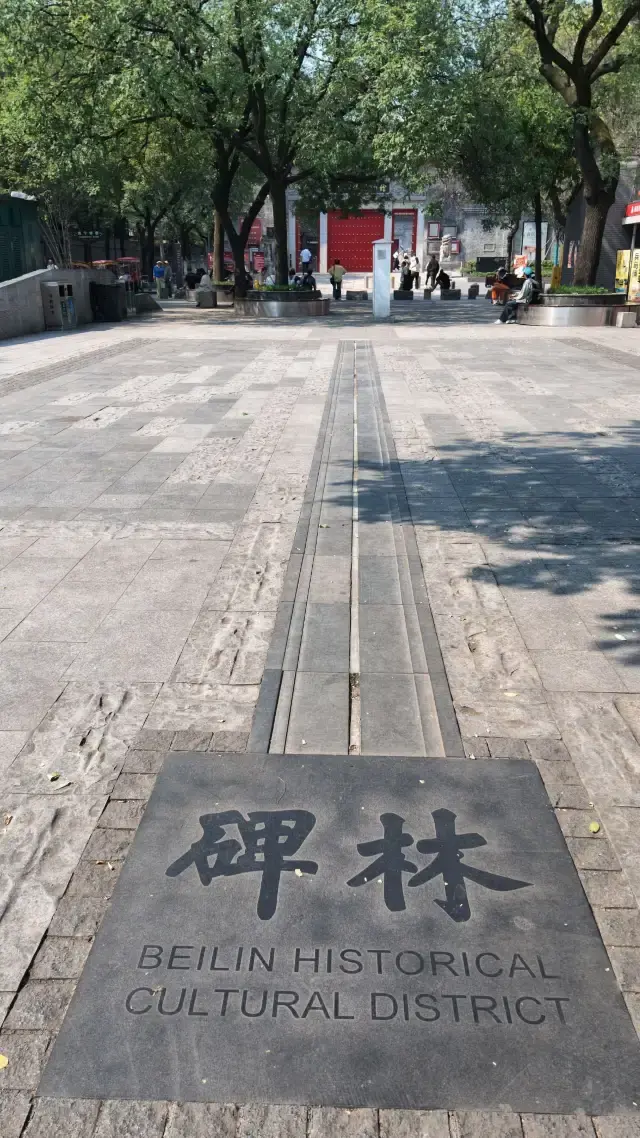 A Fulfilling Day at Xi'an's Beilin Museum with Trip.com!The Xi'an Beilin Museum is absolutely worth a visit! Booking my tickets through Trip.com was seamless and made entry a breeze, allowing me to focus entirely on the experience. I spent half a day exploring and still hadn't seen everything by nightfall. The collection is incredibly rich—the ancient steles and original calligraphy works are truly immersive. As a must-see destination in Xi'an, alongside the popular Shaanxi History Museum, I highly recommend adding the Beilin Museum to your itinerary. You won't be disappointed! Travel Tip: Make sure to set aside plenty of time. The exhibition halls are packed with content! If you're a history and calligraphy enthusiast, you'll definitely find yourself lost in the beauty of it all!pearl Chen_5688

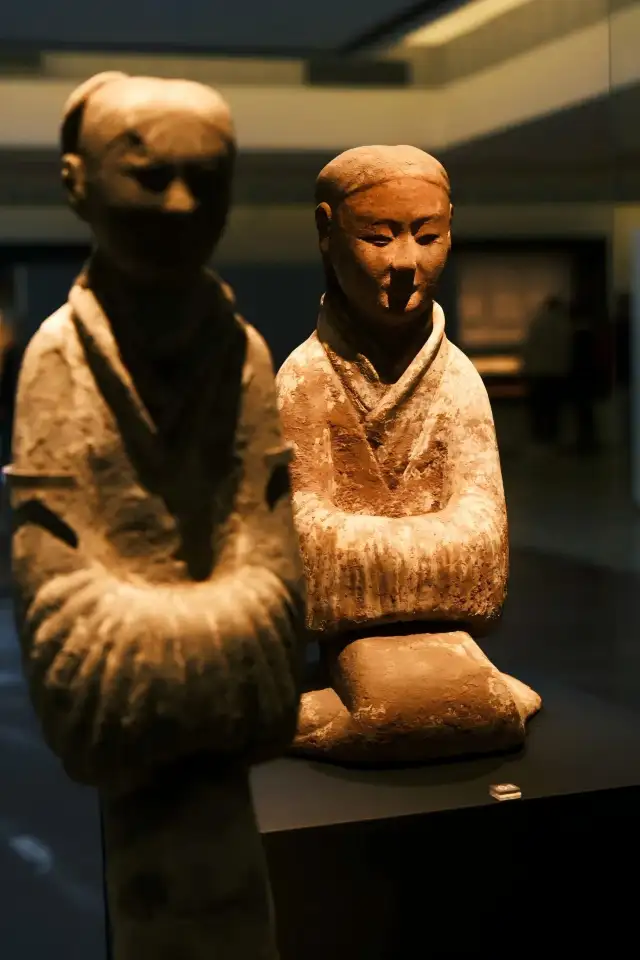 Xi'an|Ultimate Guide to the Shaanxi History Museum Qin and Han Gallery!Xi'an|Ultimate Guide to the Shaanxi History Museum Qin and Han Gallery! Easy to book with fewer crowds, highly recommended! Still stressed about not being able to get tickets to the main Shaanxi History Museum? 😭 Don’t compete so hard! Check out this seriously underrated gem—the Shaanxi History Museum Qin and Han Gallery! Not only are tickets easy to get here, but the collection is impressive, taking you straight back to the glorious era of swords and horses! ✨ Book Now! Easy to get tickets with fewer crowds! Booking channel: Search for the "Shaanxi History Museum" official WeChat account, click "Visit Reservation," and be sure to select the "Qin and Han Gallery"! Ticket release time: 3 days in advance on weekdays, 15 days in advance on holidays. Tickets are released at 10:00, 11:00, 18:00, and 19:00 sharp every day. Ticket tips: Compared to the main museum, tickets for the Qin and Han Gallery are much easier to get! On weekdays, you can basically book anytime, and booking one day in advance on holidays is totally fine. Entry method: Use your original ID card to enter directly; children need to bring their household registration book or original social security card. Transportation Guide Metro (preferred): Take Metro Line 14 to "Qin Palace Station," exit from Exit A, then walk about 10-15 minutes to the South Gate. The Qin-style street lamps along the way are very atmospheric and great for photos! Driving: Navigate to "Shaanxi History Museum Qin and Han Gallery South Gate Parking Lot," plenty of parking spaces available; arrive early on holidays. Must-See Route Recommendation (3-hour highlights tour) Rush in at opening (9:30): Head straight to the basement level "One World, One People—Qin and Han Civilization Theme Exhibition," the core of the entire gallery, with the fewest people, perfect for quiet appreciation. Core Exhibits (Basement): Tiger Tally: The Warring States Qin’s “military command tool,” with inlaid gold inscriptions still clearly visible. The two halves must be joined to deploy troops—ancient military wisdom is truly amazing! Kneeling Archer Figurine: The "sister version" of the Qin Terracotta Warriors, well-preserved with vivid details. First Floor Highlights (10:30): Empress’s Seal: The exclusive jade seal of Empress Lü! Made of Hetian jade, with a lively carved chi tiger knob, it is the only known Han dynasty empress jade seal discovered so far. Painted Goose and Fish Bronze Lamp: The Western Han’s “eco-friendly black technology”! When lit, smoke dissolves into water inside the lamp through the goose’s neck—super stylish design. Gilded Bronze Silkworm: A witness to the Silk Road, vividly reflecting the prosperity of sericulture in the Han dynasty. Second Floor Exploration (11:30): "Skill and Beauty" Exhibition Hall: Home to the gilded silver bamboo segment incense burner, praised as the “best furnace in the world,” exquisitely crafted and said to be a palace item gifted by Emperor Wu of Han to his sister. "City and Tomb" Exhibition Hall: Learn about the site selection concepts of Qin and Han capitals and tomb planning through archaeological findings. Avoid Pitfalls Closed days: Closed every Tuesday (except national public holidays), don’t show up on a closed day! Opening hours: Open daily from 9:30 to 17:00, last entry at 16:00. Guided services: The museum offers manual guided tours and electronic guide rentals (30 RMB/device). It’s recommended to rent one, or you’ll miss many stories behind the artifacts. Facilities: Rest areas are limited, so bring some water and snacks. The café inside is a bit pricey. Photography and Souvenirs Photo spots: The building itself is modeled after the Qin Xianyang Palace style, grand and majestic. Taking photos in the outdoor plaza is very impressive. The interior lighting is dim, so adjust your camera settings accordingly. Souvenir shop: The shop at the exit is worth a visit, offering unique souvenirs like “Tiger Tally puzzles” and “Empress’s Seal” fridge magnets. Nearby Activities After visiting the Qin and Han Gallery, if you have time, you can stroll around the nearby Qin Civilization Square or take a taxi to the Han Jingdi Yangling Museum to experience a more complete Qin and Han culture. Final Reminder The Qin and Han Gallery and the main museum are two completely different locations, about 40 kilometers apart. Don’t mix them up when booking and visiting! Wishing everyone a cultural journey through millennia at the Qin and Han Gallery, experiencing the unique charm of the “Qin and Han grandeur”!陕西凡越国旅4

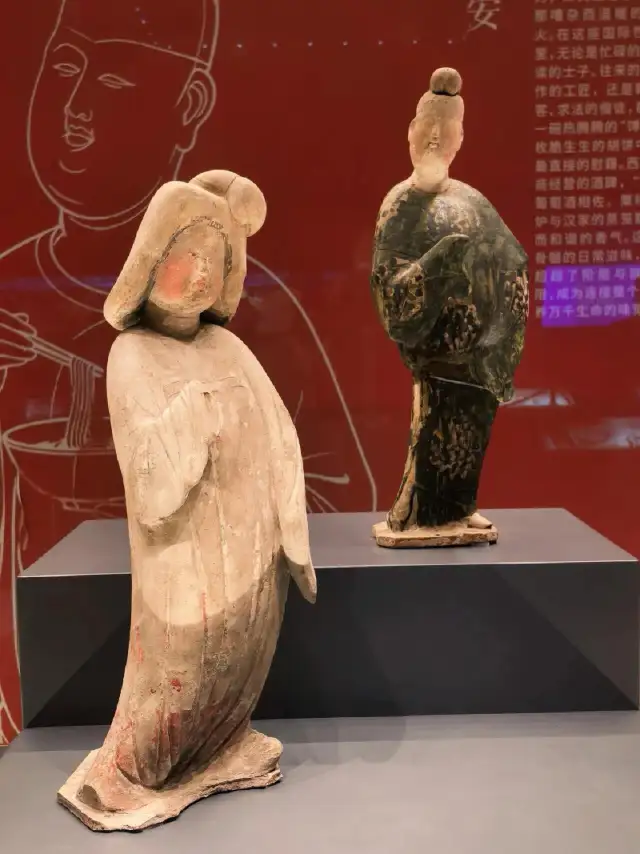 Xi'an, 🌖 a brand new experience on our second trip with the kids!Day 1: Arrived and headed straight to "Jiu Jiu Da Qin." The stage and set design were stunning. My child was glued to it the whole time—totally worth it! The storyline was simple, connecting small characters to a grand theme. The ending was so moving it made me want to cry; I'm having withdrawal symptoms. (Just my personal opinion; reviews are mixed.) In the afternoon, I managed to book a ticket to the Shaanxi History Museum, which is notoriously hard to get into. It truly lives up to its reputation as the ancient capital of 13 dynasties; every artifact on display is impressive. Day 3: City walk—enter the City Wall at Yongning Gate and exit at Heping Gate. Heading home. Food: I had wanted to try Liangliang Steamed Shrimp in Wuhan, but I managed to have it in Xi'an. If you love spicy food, you must order the all-flavor crab🦀!_TI***dg

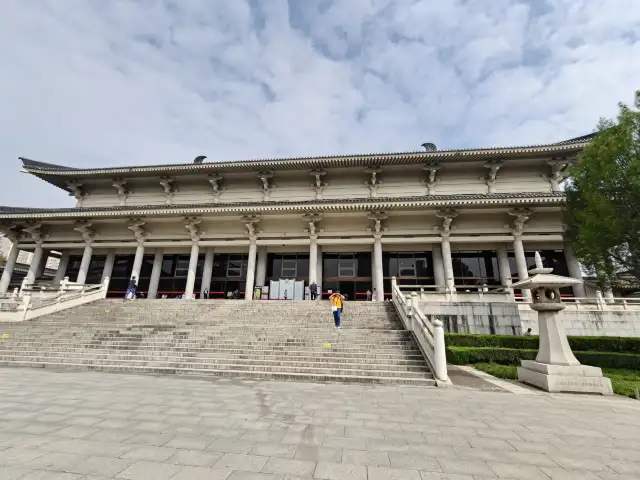 Enriching Visit to Shaanxi History Museum with Seamless EntryPurchased tickets to Shaanxi History Museum on Trip.com and enjoyed a smooth and convenient entry—just a quick passport scan at the entrance, with no hassle. Even though I visited during what is considered the off-peak season, the museum was still quite crowded, so be prepared for a bustling atmosphere. The real highlight of my trip was our tour guide, Zhang Yen (張燕). Her explanations were both fascinating and full of insightful details, making the history truly come alive. I especially appreciated her dedication; she spent extra time sharing more stories and answering questions, allowing everyone to get the most out of the tour. All in all, my experience at the museum was very positive. If you’re planning a visit, I recommend arriving early to navigate the crowds more comfortably and, if possible, joining a guided tour to get the fullest appreciation of the museum’s rich history. #realreviewChoo Chen Ching

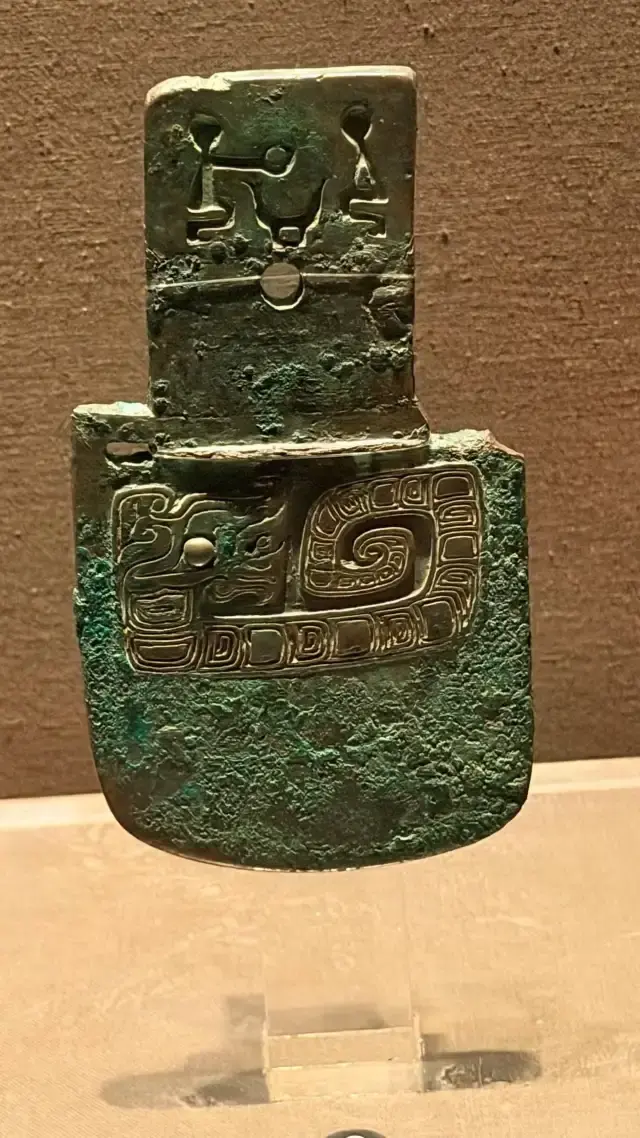 The ultimate guide to Shaanxi History Museum, all in one post. Save this for later!To everyone traveling to Xi'an, the Shaanxi History Museum is absolutely worth a visit! 🔥 As China's first large-scale, modern, national-level museum, it's like a living history of Chinese civilization. 📖 I stayed up late to put together this comprehensive guide. It covers everything you need to know, so be sure to save it! 👇 🏛️ **About Shaanxi History Museum** Located at No. 91 Xiaozhai East Road, Yanta District, Xi'an. With over 370,000 artifacts in its collection, spanning more than a million years—from simple prehistoric stone tools to various objects from modern social life—you really can't see it all in one day! 👀 📸 **Must-see galleries & visitor experience** - **Gallery 1**: Western Zhou bronzes and Qin dynasty artifacts. Seeing the things from your textbooks in person is truly breathtaking! The treasures unearthed from the Hejiacun hoard are even more dazzling. 💎 - **Gallery 2**: Han dynasty artifacts, including various pottery figurines and gold and silver wares. It's full of history. ~ - **Gallery 3**: Tang dynasty artifacts, Tang tri-colored glazed pottery, and murals. The prosperity of the Tang dynasty feels like it's right before your eyes. 🏮 - **Special Exhibitions**: The Tang Dynasty Treasures exhibition and the Tang Dynasty Mural Treasures Hall. Make sure to set aside enough time to explore them slowly! ⚠️ **Visitor tips (hard-earned advice)** ✅ Be sure to book in advance! Especially during peak season—spots go fast! 🆘 ✅ I recommend hiring a guide or renting an audio guide, otherwise you might just be skimming the surface and missing out. ✅ There are floor plans in the museum. Check the layout and plan your route before you start to make your visit more efficient. 🧭 ✅ Wear comfortable shoes. It takes 2–3 hours to walk through, and your feet will be tired, but it's worth it! 👟 ✅ There's a gift shop inside. The museum-themed ice cream and blind boxes are super fun and make great souvenirs. ~ 🍦 In short, the Shaanxi History Museum is an absolute must-visit in Xi'an! You really have to be there in person to feel the profound weight and impact of Chinese history and culture. 🥹✨LunaLuminance_456

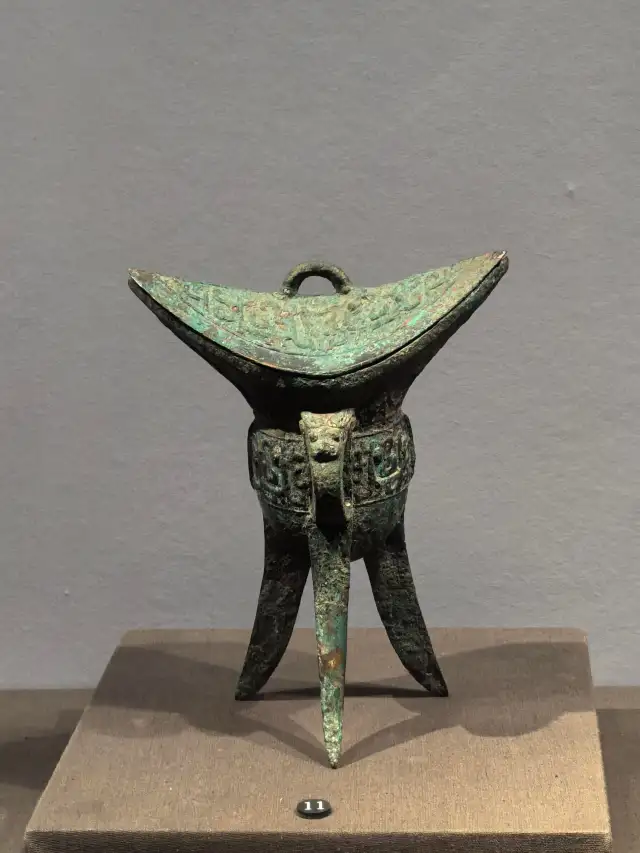 If you haven’t been to Shaanxi History Museum, you haven’t really been to Xi’anFrom the moment I stepped into Shaanxi History Museum, I knew I had found a treasure✨ 📍Location: 91 Xiaozhai East Road, Yanta District, Xi’an 🕒 Opening hours: March 15–November 14 (8:30 AM–7:00 PM) This is one of China’s four major museums! 1.7 million artifacts spanning over a million years of history🌌 Every piece is a national first-class cultural relic👑 💫Must-see collections: ➡️ “Headstand figurine”: the museum’s treasure! A uniquely shaped Tang dynasty tri-colored glazed pottery ➡️ “King Zhao’s sword”: one of only 3 surviving legendary swords from the Warring States period ➡️ “Bronze figurine”: the original model for the Qin Terracotta Warriors Tips for visiting: ✅ Remember to book through the official WeChat account 7 days in advance (daily limit of 6,000 visitors) ✅ It’s recommended to hire a guide or rent an audio guide ✅ Weekends get extremely crowded💥 so try to visit during off-peak times P.S. Don’t forget to check out the Terracotta Warriors branch museum Those lifelike clay figures are truly breathtaking😱ScienceGeekExtraordinaire

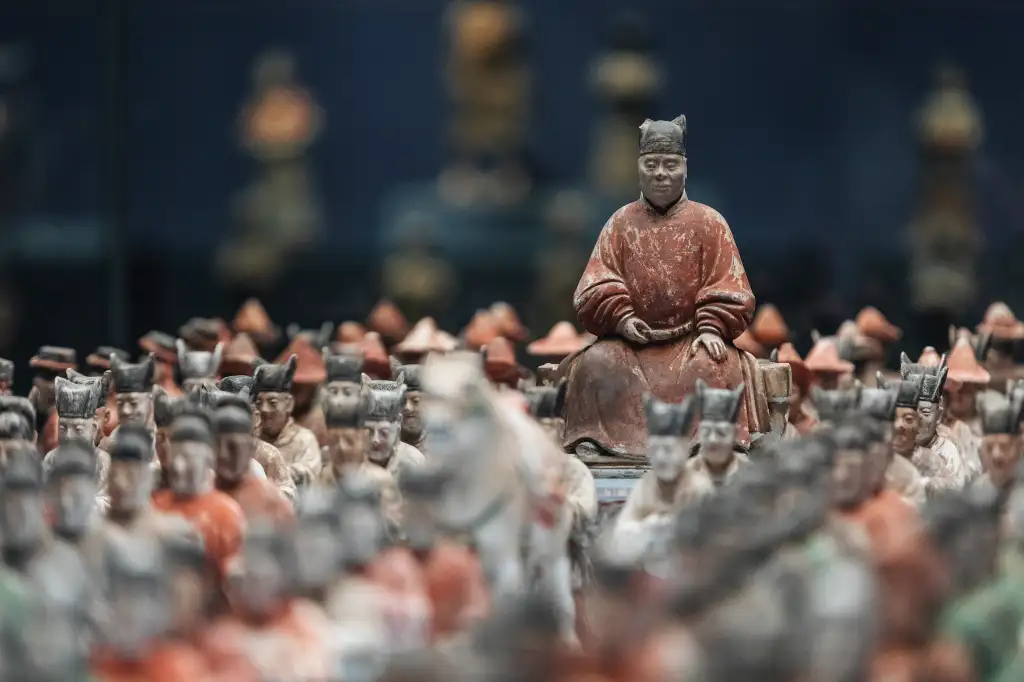
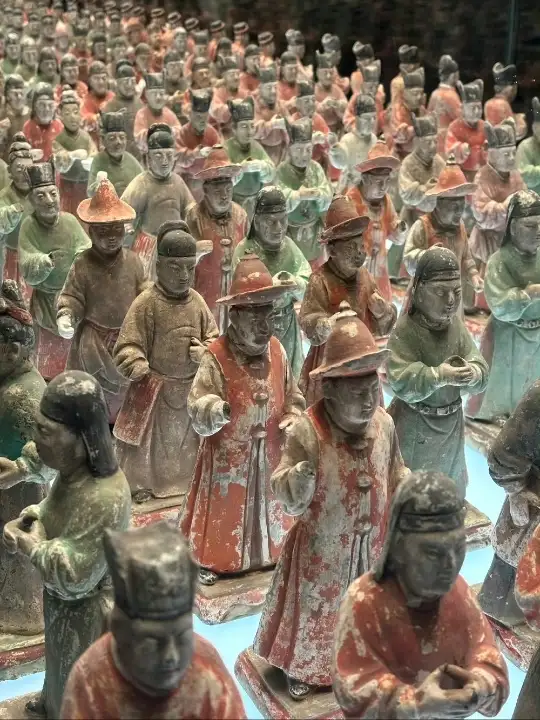 🏺 When Clay Remembers the Ming DynastyAt first glance, they're just rows of pottery figurines. Look a little closer, and the Ming Dynasty painted ceremonial figurines inside the Shaanxi History Museum begin to speak. The folds of a round-collared robe, the layered armour, the rare cross-collared bijia—every garment is a page from six hundred years ago. The faded pigments are no longer merely colours; they're echoes of ceremonies, imperial processions, and lives once lived beneath the walls of the Ming court. History here isn't trapped behind glass. It stands quietly before you, dressed exactly as it did centuries ago. 📍 Location: Shaanxi History Museum, Xi'an, Shaanxi Province, China 🏺 Highlight: Exceptionally preserved painted Ming Dynasty ceremonial figurines ✨ Feature: Authentic Ming clothing, painted pottery, ceremonial attendants, military attire, and intricate historical craftsmanship 🍃 Atmosphere: Timeless, immersive, and thought-provoking 📸 Best for: Museum photography, costume enthusiasts, history lovers, and cultural discovery 💡 Travel Tip: Don't rush past the display—zoom in on the clothing details, and you'll discover how much history is hidden in every stitch carved into clay. ✨ Signature feeling: Realising that these silent figures have been waiting centuries to tell their story. Long after voices faded, the clay kept remembering. 🏺⏳✨Emily1014
 Xi'an 2 days 1 night family trip | Autumn off-peak with kids, expect a 10℃ day–night temperature swing📅 Recommended travel: Sep 28–Oct 7🍁 My honest take: In previous years I worried about crowds in Xi'an during the National Day holiday. This time we deliberately traveled off-peak in the mornings and evenings and picked gentler routes, and the overall experience was very comfortable. Xi'an in autumn is dry and pleasant, and the ancient architecture with yellow autumn leaves feels atmospheric. The itinerary isn't rushed or road-heavy — we planned only 2–3 main sights a day, told stories to the kids as we walked, which was far more intuitive than reading books. Adults relaxed and kids learned a lot. 🚗 arrival guide for long-distance visitors 1️⃣ Prioritize high-speed rail to Xi'an North station. Metro Lines 2 and 4 go directly to the city center, and you can store luggage at the station. If driving, book a hotel along the metro line — city attractions restrict traffic and parking is costly, so driving into sights with kids is not recommended. 2️⃣ For getting around the city, choose the metro plus ride-hailing first. During peak season, areas around attractions can get congested, so the metro is more punctual and reliable. 3️⃣ Store large luggage at the hotel first and travel light to reduce the fatigue of carrying things with kids. 💸 per person cost breakdown | long-distance trip for 2 adults and 1 child ✅ Budget per person: CNY 650 City chain hotel + local simple meals, focus on free parks and museums, buy attraction tickets as needed ✅ Comfort per person: CNY 1,080 Quality hotel near Qujiang, dine at local specialty restaurants, includes city wall and Daming Palace admission and shuttle, relaxed itinerary ✅ Premium per person: CNY 1,520 Boutique homestay near the old city, dine at specialty restaurants, includes core attraction tickets and guide, best off-peak experience 📍 8 must-see spots 1️⃣ 📍 Shaanxi History Museum 🏺 ⏰ Hours: Tue–Sun 9:00 AM–5:30 PM, last entry 4:00 PM, closed Mon 🎫 Admission: main exhibition free, must real-name register on the official WeChat account 3 days in advance 🚶 Visit duration: 2 hours 💡 Tip: The collection is varied; the Hejiacun gold ware and Tang sancai are very appealing to kids. Floors are smooth and stroller-friendly. Book a guided tour to keep children engaged. The indoor AC runs cool, so bring a light jacket for the kids. 2️⃣ Big Wild Goose Pagoda · Daci'en Temple 🗼 ⏰ Hours: 8:30 AM–5:00 PM, park cleared by 6:00 PM 🎫 Admission: Daci'en Temple CNY 10, tower climb CNY 25; north square free 🚶 Visit duration: 1.5 hours 💡 Tip: The music fountain at the north square is highly entertaining for kids. The temple pathways are gentle and not tiring. The tower steps are moderate, and the top offers views of Qujiang. The lit-up evening scene is beautiful for photos. 3️⃣ Xi'an Museum (Small Wild Goose Pagoda) 🌳 ⏰ Hours: Tue–Sun 9:00 AM–6:00 PM, last entry 5:00 PM, closed Mon 🎫 Admission: free, reservation required 🚶 Visit duration: 1.5 hours 💡 Tip: Fewer visitors than the Shaanxi History Museum, so a more relaxed pace. The Small Wild Goose Pagoda is full of ancient charm, and the park lawn is spacious for kids to run. Exhibits are easy to understand, great for young kids' history introduction, and the mix of indoor and outdoor activities avoids overtiredness. 4️⃣ Qujiangchi Ruins Park 🌊 ⏰ Hours: open all day 🎫 Admission: free 🚶 Visit duration: 1.5 hours 💡 Tip: Lakeside paths are wide and smooth, fully stroller-accessible. Reed beds turn yellow in autumn and the lake views are refreshing. There is a fish-feeding area kids love. Evenings are quieter, perfect for a post-meal stroll. 5️⃣ 📍 Xi'an city wall 🏯 ⏰ Hours: 8:00 AM–10:00 PM 🎫 Admission: adult CNY 54, children under 1.2 m free 🚶 Visit duration: 2 hours 💡 Tip: The wall surface is wide and even. With kids you can take the sightseeing shuttle or rent a family bike. An autumn walk with the breeze is pleasant and offers a bird's-eye view of the old city's streets. Visit before evening to avoid sun and enjoy sunset and night lights. 6️⃣ 📍 Yongxingfang food street 🍜 ⏰ Hours: 10:00 AM–10:00 PM 🎫 Admission: free 🚶 Visit duration: 1 hour 💡 Tip: A concentration of Xi'an specialty snacks with many non-spicy options. Smooth paths make strollers convenient. Great for sampling with kids; prices are moderate and value is good. 7️⃣ 📍 Daming Palace National Heritage Park 🏛️ ⏰ Hours: 8:30 AM–7:00 PM 🎫 Admission: adult CNY 60, children half price; sightseeing shuttle CNY 30 per person 🚶 Visit duration: 2 hours 💡 Tip: The park is spacious and has a children's play area where kids can run freely. Riding the sightseeing shuttle is recommended, as walking the whole site is tiring. The miniature palace model is intuitive and excellent for history education. 8️⃣ 📍 Xingqinggong Park 🌿 ⏰ Hours: open all day 🎫 Admission: free 🚶 Visit duration: 1 hour 💡 Tip: A local favorite leisure park with affordable small rides. Plenty of lakeside shade makes autumn visits cool and comfortable. Good place to rest and let kids play freely. 🏨 accommodation experience | Chain hotel in Qujiang New District We stayed in a twin room at the metro entrance. The space was roomy and the hotel had an elevator, so bringing the stroller in and out was very convenient. The hotel breakfast selection was light, with porridge, steamed buns, and fried dough, suitable for kids' tastes so you don't need to go out early to find food. A 5-minute walk to the metro station, with supermarkets and convenience stores nearby, convenient for buying supplies and taking rides. ⚠️ Drawback: rooms facing the street have slight traffic noise, so light sleepers or babies should choose a room facing the courtyard. 📅 2 days 1 night relaxed family itinerary Day 1 | Deep history and museum tour ☀️ Morning: arrive in Xi'an, check in, then head to the Shaanxi History Museum ▪ Single-site tip: book a morning session first for fewer people and a better experience. No eating inside the museum; give snacks to kids after leaving. ☀️ Noon: have a simple Shaanxi meal at a nearby mall, return to the hotel for a 1-hour nap to avoid midday heat and sun 🌇 Evening: visit the Big Wild Goose Pagoda north square fountain and Daci'en Temple, wait for the lights and enjoy the night view Day 2 | Old city and ruins leisurely tour ☀️ Morning: stroll along the Xi'an city wall, take the sightseeing shuttle to enjoy autumn views ▪ Single-site tip: prioritize wall visits in the evening for sun protection and scenery. To save effort with kids, choose a family bike; the South Gate has the best views and you don't need to walk the whole wall. ☀️ Noon: taste specialties at Yongxingfang, take breaks as needed 🌇 Afternoon: walk and relax at Qujiangchi Ruins Park, then end the trip and head home 🍜 local food | time-of-day recommendations for kids ☀️ Breakfast 🥣 Shredded beef in a flat bun (la niu rou jia mo) | beef tender, bun soft and flaky, savory and mild, choose the lean option Recommended: a local everyday breakfast that's easy to hold and kid-friendly ⚠️ Note: fresh from the pan it can be hot, let it cool before giving to kids Meatball spicy soup (rou wan hu la tang) | chewy meatballs and soft vegetables, can be made less spicy, a warm autumn breakfast Recommended: pairs well with a bun, mild flavor suits children ☀️ Main meals 🍲 Gourd chicken (hulu ji) | crispy skin, tender deboned chicken, savory and light Recommended: a Xi'an home-style specialty with easy-to-chew meat, unlikely to choke, very suitable for kids Shaozi noodles (saozi mian) | springy noodles and fragrant broth, can be served as clear soup with less spice, refreshing and appetizing Recommended: moderate portions and mild flavors suit children, goes well with side dishes Tip: Shaanxi dishes tend toward salty and spicy, tell staff in advance to make less salt and less spice 🌙 Late-night snack 🍡 Persimmon cake | slightly charred outside, soft and sweet inside with pure persimmon flavor and moderate sweetness Recommended: a local dessert that's soft and good as an after-meal snack ⚠️ Note: freshly fried items are hot, let cool before serving to avoid burns ✨ easy tips to save energy and avoid pitfalls when traveling with kids 📝 ✅ Travel off-peak: the 3 days before National Day are busy; enter museums and the city wall in the morning to avoid midday crowds ✅ Ticket tips: free museums require advance reservation and are closed on Mon; buying city wall and Daming Palace tickets online is often cheaper ✅ Rest and supplies: seating is available at attractions but convenience stores are limited, so bring water and snacks; autumn is dry, keep kids hydrated and moisturized ✅ Parking and transport: parking near city attractions is difficult and expensive, prioritize public transport; suburban parks have ample official parking 🅿️ ✅ Where to stay: prefer hotels along the metro for convenience; old city homestays are pricier and some lack elevators, so choose carefully with kids 🏨 ✅ Family travel: visitor centers at attractions have rest areas, some sections of the wall have many steps, use the main routes for strollers and bring baby supplies 📋 ▪ Travel tip: Xi'an has UV in autumn, so apply basic sun protection even on cloudy days; day–night temperature swings are large, carry a light jacket ☀️ ▪ Spending tip: sightseeing shuttles and guided tours are optional paid services, check fees in advance and plan your budget reasonably 🎠grace GGGGG


Other visitors' reviews of Shaanxi History Museum
Show More ReviewsThe tour guide from Jiusi was excellent; the full three hours were packed with valuable information and highly recommended. The museum was extremely crowded, and parking was very limited. We spent over an hour queuing to get into the parking lot, and then another hour queuing to enter the museum.