Pujindu Site
蒲津渡与蒲州故城遗址博物馆 Based on 3 reviews
Opening hours of Pujindu Site
Pujindu Site attraction highlights
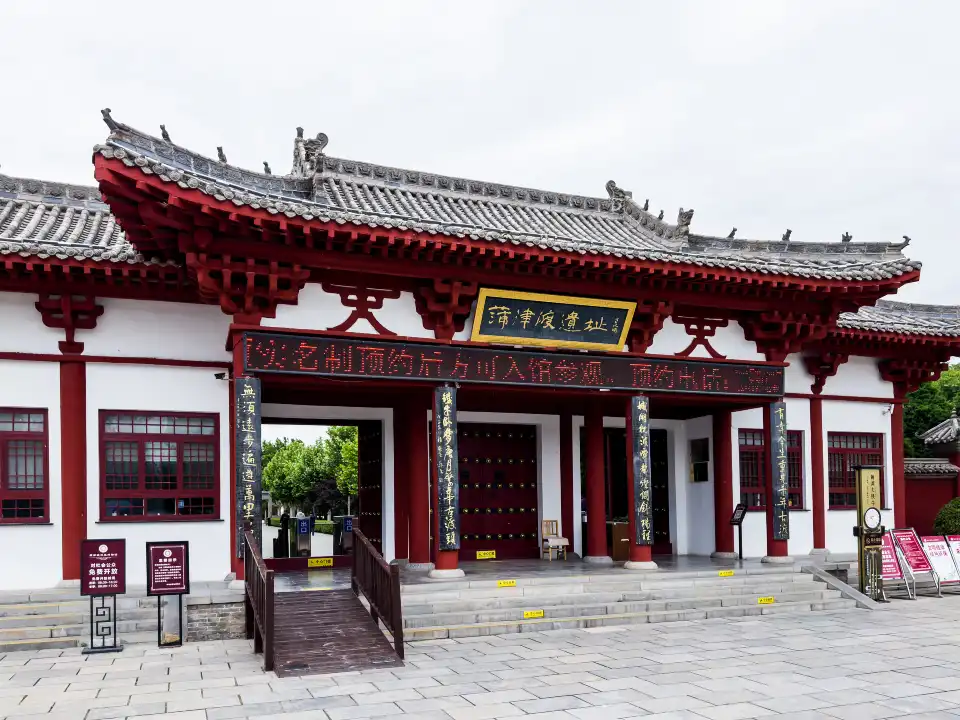
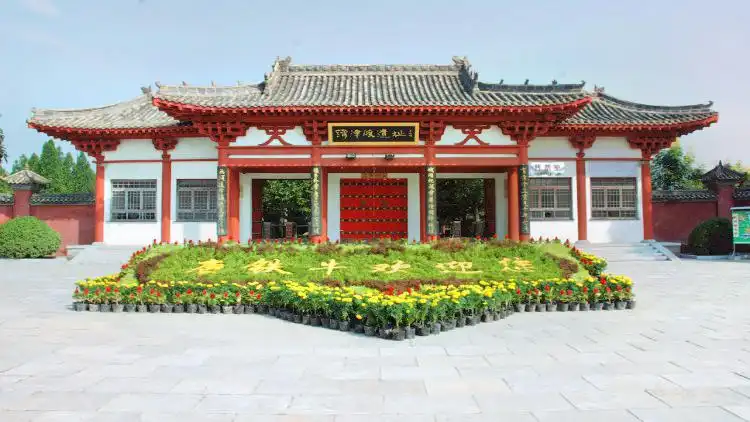
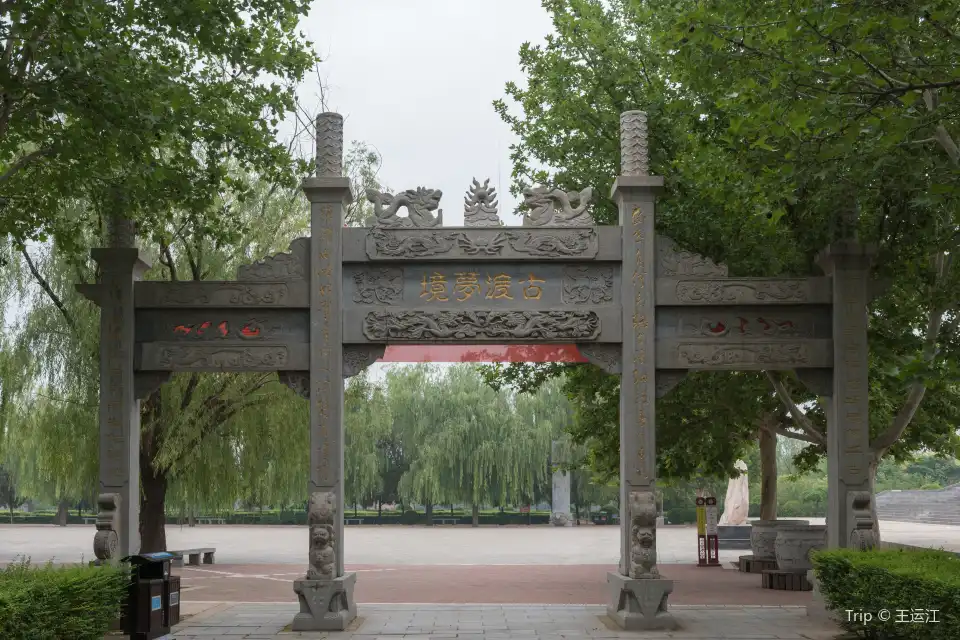
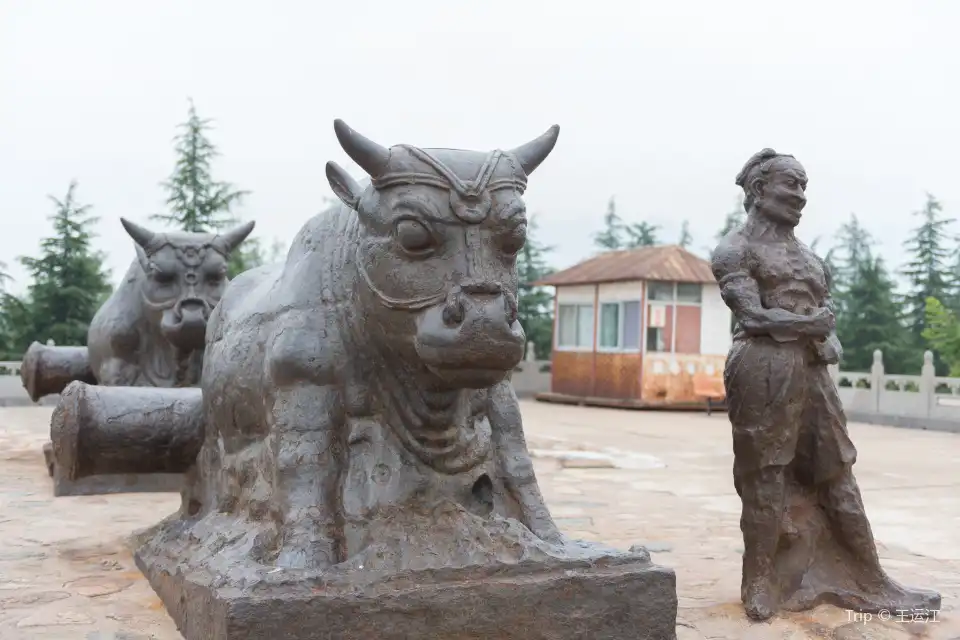
Pujindu Site is located outside the west gate of the 蒲州故城遗址, 18 km west of the urban area of Yongji, Shanxi Province, on the east bank of the Yellow River. It is adjacent to Pujiu Temple·Romance of the Western Chamber, the setting of the story "Romance of the West Chamber," to the east, and faces Guanque Tower, the first of the four famous towers in China, to the west, situated on a golden tourist route.
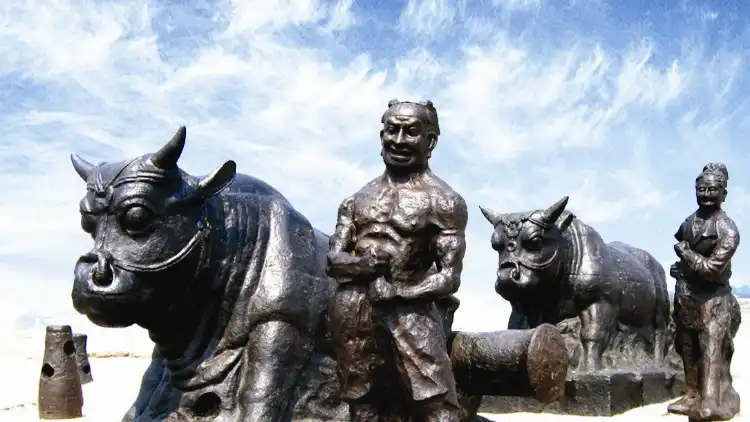
Pujindu Site was discovered in 1989, when iron oxen and other relics were unearthed. In 1991, a joint archaeological excavation team conducted a comprehensive and scientific cleaning and excavation of the site, fully unearthing 4 iron oxen, 4 iron figures, 2 iron mountains, 4 iron mooring pillars, and a set of 7-star iron pillars, all cast in the 12th year of the Kaiyuan era of the Tang Dynasty (724), as well as over 70 meters of Ming Dynasty stone embankment and a commemorative stele from the 16th year of the Zhengde era of the Ming Dynasty (1521).
Pujindu Site Reviews: Insider Insights and Visitor Experiences
Pujindu Site Photos: Trip Moments
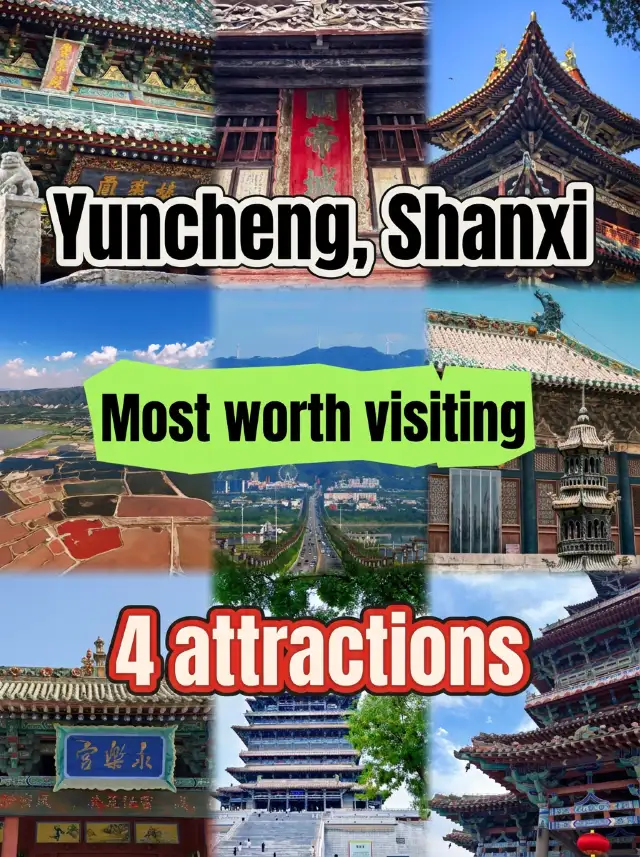 Yuncheng, Shanxi – The 4 must-visit attractions!!Yuncheng is truly underrated. It's not one of those cities that only looks good with social media filters; it's an ancient Hedong city where you can "step into Tang poetry and catch a glimpse of thousand-year-old murals." I picked the 4 places I didn't regret at all: Xiezhou Guandi Temple, Colorful Salt Lake, Yongle Palace, and Guanque Tower. It’s got everything—ancient architecture, the Yellow River, and the salt lake. A 3-day, 2-night trip is just right.🚗 ------ 📍 4 Must-Visit Attractions (No-brainer picks) 1️⃣ Xiezhou Guandi Temple – The "Ancestor of Martial Temples," hometown of Guan Gong Red walls, yellow tiles, and thousand-year-old cypress trees. Looking at the Chunqiu Tower, Chongning Hall, and Yushu Tower, you'll immediately understand the "aura of loyalty and righteousness."⚔️ 🎫 Approx. 60 yuan ⏰ Recommended time: 8:00–10:00 AM. The light is soft, there are fewer crowds, and wearing light-colored or modern Chinese-style clothing makes for great photos. 💡 Don't buy overpriced prayer items at the entrance. Just quietly admiring the wood and stone carvings is worth the ticket price. 2️⃣ Yuncheng Salt Lake (Colorful Salt Lake) – The Shanxi version of the "Mirror of the Sky" Pink and blue salt fields, golden sunset light, black mud + floating experience. The colors are most intense after summer rain.🌈 🎫 Viewing the lake is free; tickets for floating/black mud are sold separately. ⏰ 16:30–18:30 is the best time. Don't go at noon, or you'll get sunburned to the point of questioning your life choices. ⚠️ Don't step on wild salt flats! The salt crystals are sharper than glass shards. Wear flip-flops or water shoes; don't wear silver jewelry in the water. 3️⃣ Yongle Palace – The ceiling of Yuan Dynasty murals The "Chaoyuan Tu" (Procession of the Gods) features 286 deities with incredible clothing lines. You'll be speechless after seeing it.🧚 🎫 Approx. 60 yuan (a combo ticket with Guangrenwang Temple is a better deal) 📍 Ruicheng, a bit far from the city center. Driving or carpooling is the most comfortable way to get there. 🚫 Photography and flash are strictly prohibited inside the halls. Don't be an influencer; be a student. Hiring a guide makes the trip worthwhile. 4️⃣ Guanque Tower – "To see a thousand miles further" brought to life The Yellow River flows below, and the tower stands in the sunset. Suddenly, the scene from your Chinese textbook comes to life.🌅 🎫 Approx. 54 yuan ⏰ Climb the tower in the evening! The Yellow River sunset + the breeze—it's mesmerizing. Also worth checking out along the way: Pujiu Temple (Romance of the West Chamber), Pujindu Yellow River Iron Oxen. The Yongji route is definitely worth it. ------ 🗺️ 3-Day, 2-Night Itinerary (Feel free to copy) Day 1 | Salt Lake + Guan Gong Xiezhou Guandi Temple (morning) → Eat mutton paomo in Xiezhou → Return to city for a nap → Chishen Temple → Colorful Salt Lake sunset → Gujie Night Market🌃 Day 2 | Ruicheng Mural Day Depart from Yuncheng → Yongle Palace (take your time, 2.5h) → Guangrenwang Temple (Tang Dynasty wooden structure, stunning and uncrowded) → Eat braised meat/sesame crisps on Ruicheng Old Street → Stay in Ruicheng or return to the city Day 3 | Yongji Yellow River Poetry Guanque Tower (arrive before sunset) → Pujiu Temple → Yellow River Iron Oxen → Finish with Yongji beef dumplings → Return to Yuncheng North Station🚄 Yuncheng attractions span the Salt Lake, Ruicheng, and Yongji. Driving or carpooling with 2–4 people is the best way; public transport is possible but exhausting. ------ 🍜 Eating in Yuncheng is a carb-lover's paradise • Xiezhou Mutton Paomo: Mutton bone broth served with crescent-shaped flatbread. Locals swear by old shops like Wang Jian🌟 • Beixiang Mutton Hubu: Shredded pancakes soaked in mutton soup. A bowl in the morning warms you to your toes. • Yongji Beef Dumplings: Thin skin, juicy filling. Dipping them in aged vinegar is divine. • Yuncheng Dapanji (Big Plate Chicken): Served with wide hand-pulled noodles in the sauce; the potatoes are melt-in-your-mouth soft. • Jishan Twisted Dough Sticks / Wenxi Fried Cake: Don't buy souvenirs at tourist spots; they're half the price at supermarkets/old streets. • Gujie, Fenghuang South Road Night Market: Mo jiacai (flatbread sandwich), liangfen heluo (cold jelly noodles), stir-fried chicken, jiangfan (porridge). You can eat your fill for 15–30 yuan. ------ ⚠️ Hard-learned tips (Save to your phone) 1. September–October is the most comfortable time. Don't visit open-air ancient architecture at noon in summer. Bring full sun protection: sunscreen, cooling sleeves, and a hat. 2. I'm not kidding about the "no photos" rule at Yongle Palace; staff will stop you. 3. Don't enter undeveloped areas of the Salt Lake. Rinse your hands and feet after playing; don't let salt crystals stay on your skin. 4. Attractions in the counties are far apart. Fill up your gas tank and download offline maps; signal may disappear in mountainous areas.📵 5. Don't climb, touch, or break off window carvings on ancient buildings. These Hedong national treasures can't handle the wear and tear. 6. For accommodation, choose the area around Nanfeng Square/Gujie in the Yanhu District for convenient dining and taxis. ------ Yuncheng isn't a "check-in" type of city. It's the kind of place where you drink mutton soup in the morning, see Yuan Dynasty deities in the afternoon, recite "climb another story higher" by the Yellow River at sunset, and snack on twisted dough sticks at the night market in the evening—a place where you're embraced by the depth and slow pace of Shanxi.🌾ATV. Gus 2684

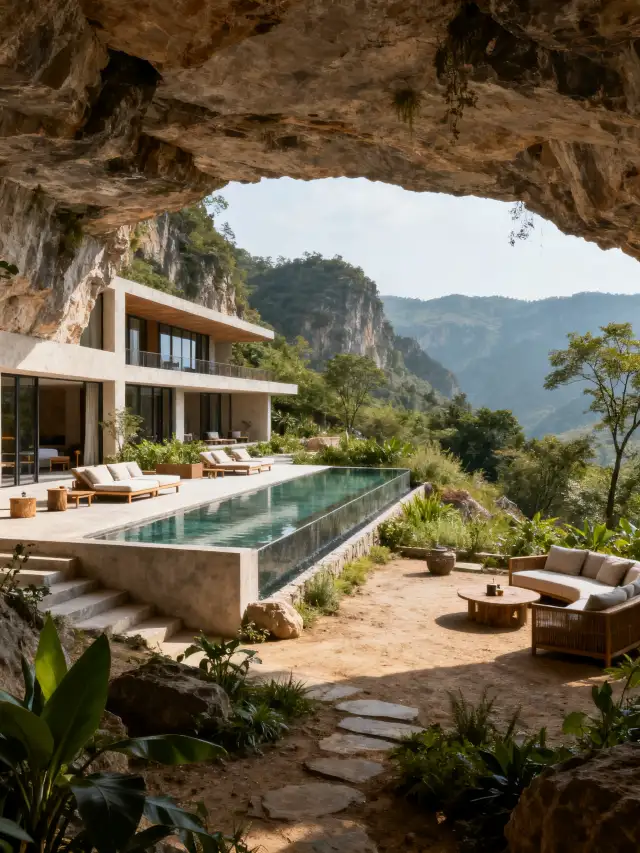 Staying at Life Hotel in Yongji was an unforgettable experience with lasting impactTaking children to travel thousands of miles is better than reading thousands of books! You must visit the birthplace of this Tang poem 🌿 "The sun sets behind the mountains, the Yellow River flows into the sea; to enjoy a grander sight, climb one more floor." Yongji, Yuncheng, Shanxi — the location of Guanque Tower, a hidden gem city by the Yellow River, with few people, beautiful scenery, and rich culture. One-day family tour guide to learn ancient poetry with kids on-site 📍Yongji City, Yuncheng, Shanxi 🚗 Transportation: 1 hour direct high-speed train from Xi’an, 1 hour drive from Yuncheng 🎫 Tickets: Separate tickets for each attraction, very cost-effective Yongji family one-day tour route 🗺️ Morning: Wangu Temple → Pujiao Temple - Wangu Temple: Ancient temple from the Northern Wei dynasty, architectural marvel with a beamless hall, a strange tree on the pagoda top, teaching kids about ancient architectural wisdom - Pujiao Temple: The setting of the story "Romance of the Western Chamber," with the amazing echo phenomenon in Yingying Tower, teaching kids about classical literature Afternoon: Pujindu Site → Guanque Tower - Pujindu Site: Tang Dynasty’s giant iron ox by the Yellow River, free to visit, teaching kids about the grand bridge engineering of the Tang Dynasty - Guanque Tower: Climb the tower to view the Yellow River, learn the poem "Ascending Guanque Tower" on-site, most beautiful at sunset In-depth family interpretation of the four major attractions 📚 🏯 Guanque Tower: One of the Four Great Towers of China - Magnificent Tang-style architecture, each floor has a different themed exhibition - Climb the tower to overlook the Yellow River, most beautiful at sunset, letting kids personally experience the imagery of "The sun sets behind the mountains, the Yellow River flows into the sea" - Filming location for the black myth Wukong, a topic that interests children 🐂 Pujindu Site: National treasure-level cultural relic - Four 30-ton Tang Dynasty iron oxen, historical witnesses anchoring the Yellow River floating bridge - Free admission, only 2 km from Guanque Tower, easy to visit on the way - Teach kids about ancient engineering technology and the power of the prosperous Tang Dynasty 💘 Pujiao Temple: Love sanctuary - The setting of the story of Zhang Sheng and Cui Yingying in "Romance of the Western Chamber" - The echo phenomenon in Yingying Tower, clapping hands produces frog-like echoes, fascinating for kids - Classical literature enlightenment, understanding Yuan dynasty drama culture ⛩️ Wangu Temple: Thousand-year-old ancient temple - Built in the Northern Wei dynasty, built on a mountain, overlooking the Yellow River - Beamless Hall: One of China’s four famous Ming Dynasty beamless halls, all brick structure without a single piece of wood - Many Treasure Pagoda: Natural wonder with pomegranate and cypress trees growing on the pagoda top Family tour highlights 🌟 🎓 High cultural value: Multi-dimensional learning of ancient poetry, literature, history, and architecture 🌅 Stunning scenery: Yellow River sunset, famous towers and ancient temples, rich visual experience 👨👩👧 Highly interactive: Echo tower, climbing tower to look far, strong participation for kids 🚶 Easy itinerary: Four attractions close to each other, a full day without fatigue 💰 High cost performance: Cheap tickets, Pujindu is free Travel tips 💡 1. It’s recommended to visit Guanque Tower later in the afternoon for the best sunset 2. Wear comfortable shoes, climbing the tower requires walking 3. You can tell kids the stories of "Ascending Guanque Tower" and "Romance of the Western Chamber" in advance 4. Yongji food recommendations: beef dumplings, hand-pulled noodles, fried cakes Accommodation 🏨Hilton Garden Inn Yongji International brand chain, complete facilities and service standards, convenient location and transportation, quality choice for families 🏨Lanou Hotel Yongji Stylish design and excellent service, prime location with convenient travel, suitable for business and vacation, high cost performance 🏨Fuhuali Homestay Hotel Yongji High-quality homestay hotel in Yongji, new facilities and good service, comfortable environment, ideal for family vacations 🏨Xixiangjian Homestay Yongji "Romance of the Western Chamber" cultural theme homestay, distinctive design with strong cultural atmosphere, unique experience, top choice for literary familiesTheodore Livingston611

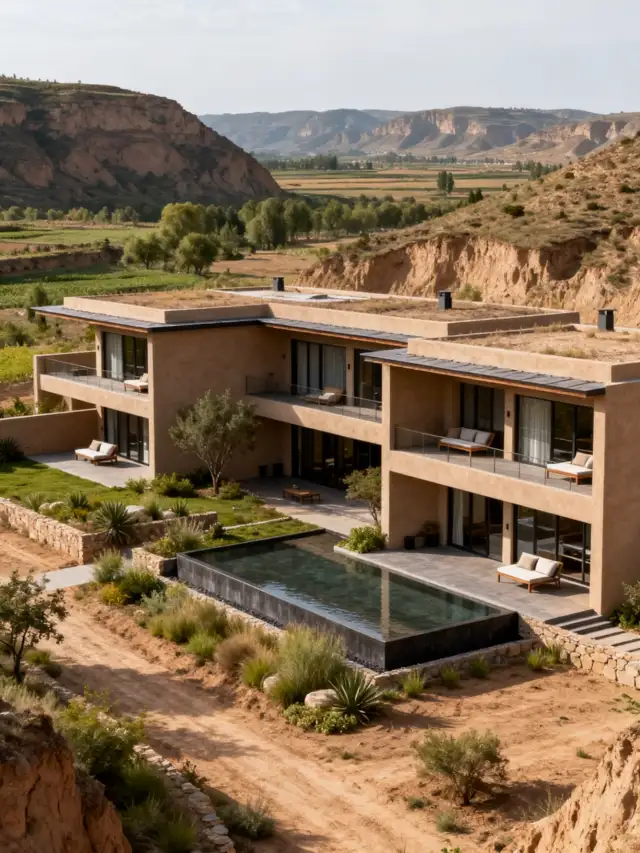 Yuncheng|3 Days 2 Nights Cultural Journey! Travel Through the Millennia of Hedong Land🏛️ Introduction Yuncheng, historically known as "Hedong," is one of the important birthplaces of Chinese civilization. Here lies the eternal loyalty of Guan Gong, the ceaseless flow of the Yellow River, the astonishing murals of the Yuan Dynasty, and the colorful Salt Lake. In 3 days, we will take you through a thousand years to experience the profoundness and romance of Hedong land. 🗓️ Day 1 Salt Lake Illusion + Guan Gong Culture Morning 08:30-12:00 In-depth Tour of the Colorful Salt Lake - Go early to avoid crowds and get the best light; start at the viewing platform for panoramic shots - Rent an electric scooter to leisurely visit all the check-in spots - Experience floating in the Dead Sea and the black mud bath, about 1.5 hours - Around 11 AM, the sunlight is best and the salt lake colors are most vivid, perfect for photos Noon 12:30-13:30 Farmhouse Meal Near the Salt Lake - Salt Lake Family Restaurant is a good choice, close to the scenic area with large portions - Recommended dishes: Yellow River big carp, wild vegetable platter, corn porridge - Around 40 RMB per person, very cost-effective and filling Afternoon 14:30-17:30 Jiezhou Guandi Temple - 20 minutes by car, be sure to allow enough time to explore slowly - Start from the Front Gate, walk along the central axis: Front Gate → Zhimen Gate → Noon Gate → Chongning Hall → Chunqiu Tower - Carefully admire each hall; the architecture and carvings are exquisite - Don’t miss the Imperial Garden, with towering ancient cypresses and a peaceful atmosphere Evening 18:30-20:00 Guan Gong’s Hometown Cultural Tourism Area - Live performance "Recreating Guan Gong" is held 3 times daily Tuesday to Friday, 4 times on weekends - Immersive show with actors performing right beside you, very impressive - Try "Playing the Big Saber in Front of Guan Gong’s Gate," taught by inheritors, very fun - The evening light show is also beautiful, don’t miss it 🗓️ Day 2 Yellow River Civilization + Tang Dynasty Architecture Morning 08:00-12:00 Ruicheng Yongle Palace - 1 hour drive, recommend an early start to avoid the heat - First see the "Chaoyuan Tu" in the Sanqing Hall, the highlight, be sure to hire a guide - Then visit the murals in Chunyang Hall and Chongyang Hall, each with its own story - The mural museum shows how the murals were relocated, a very difficult process Noon 12:30-13:30 Lunch in Ruicheng County - Must try Ruicheng’s full fish feast, made with Yellow River fish, very fresh - Ruicheng sesame crisps are a local specialty, good as souvenirs - Meals in the county are cheap, about 30 RMB per person for a good meal Afternoon 14:00-16:00 Guangrenwang Temple + Dayu Ferry - 10 minutes drive from Yongle Palace to Guangrenwang Temple - One of only four existing Tang Dynasty wooden structures in China, small but precious - Then 20 minutes drive to Dayu Ferry to see the Yellow River - You can take a boat tour on the Yellow River to feel the grandeur of the Mother River Evening 17:30-19:00 Sunset at Shengtian Lake - Shengtian Lake is especially beautiful in summer, lotus flowers in bloom - At sunset, the sun shines on the Yellow River, sparkling golden - Known as the "Swan Homeland," many swans in winter, summer is also lovely - Many farmhouses by the lake where you can eat Yellow River fish and watch the sunset, very relaxing 🗓️ Day 3 Yongji Famous Tower + Return Morning 08:30-11:30 Guanque Tower + Pujiao Temple - 1 hour drive from the city center to Yongji - First visit Guanque Tower, climb to feel the heroic spirit of "To exhaust one’s sight over a thousand miles, climb one more floor" - Recommended to climb an hour before sunset to see the Yellow River sunset, the view is amazing - Then visit Pujiao Temple, the setting of "Romance of the Western Chamber," a love sanctuary - Try the echo of the "frog croak" at Yingying Tower, very magical Noon 12:00-13:00 Specialty Lunch in Yongji - Must try Yongji rice noodle chicken, tender chicken and smooth noodles, very appetizing - Also try Yongji hand-pulled noodles, chewy noodles with fragrant sauce Afternoon 13:30-15:30 Pujindu Ruins + Wulao Peak - Don’t miss the Tang Dynasty iron oxen at Pujindu Ruins, each weighing dozens of tons, very impressive - If time allows, visit Wulao Peak National Forest Park, very cool in summer - Hiking takes about 3 hours; if you don’t want to hike, you can take the cable car 🎁 Recommended Souvenirs from Yuncheng 1. Jishan Mahua (fried dough twists): crispy and tasty, long shelf life, great for gifts or personal use 2. Wenxi Boiled Cake: one of Shanxi’s eight famous snacks, sweet but not greasy 3. Ruicheng Sesame Crisps: thin, crispy, sweet with strong sesame flavor 4. Guan Gong Cultural Products: bookmarks, keychains, fridge magnets, very meaningful souvenirs 5. Salt Lake Black Mud Skincare Products: local specialty with great skincare effects 💡 Cultural Tour Tips 1. It’s recommended to hire guides at cultural sites to understand the stories behind them 2. No photography or touching the murals at Yongle Palace 3. Dress modestly at Guandi Temple to show respect 4. It’s windy by the Yellow River, bring a jacket 5. Yuncheng’s attractions are quite spread out; self-driving or chartering a car is recommended as public transport is inconvenient --- Accommodation 🏨 Yuncheng Yellow River Grand Hotel (Nanfeng Square Train Station Branch) Located in the city center, close to Salt Lake, Drum Tower, and Old Street, with many dining options nearby, convenient transportation, and great value 🏨 Guoguo Holiday Hotel (Yuncheng Station Salt Lake Branch) Newly opened in 2024, modern facilities, located on Hongqi East Street near Nanfeng Department Store, convenient for shopping and dining 🏨 Yuncheng Salt Lake Homestay Inside the Salt Lake Tourist Resort, with salt lake views from the window, strong design sense, offers exclusive Salt Lake travel guides, a hidden gem 🏨 Yongji Guanque Tower Hotel Next to Guanque Tower scenic area, Yellow River view rooms, window views of the Yellow River and Zhongtiao Mountains, ideal for a day trip stay in YongjiSLOAN MORAN

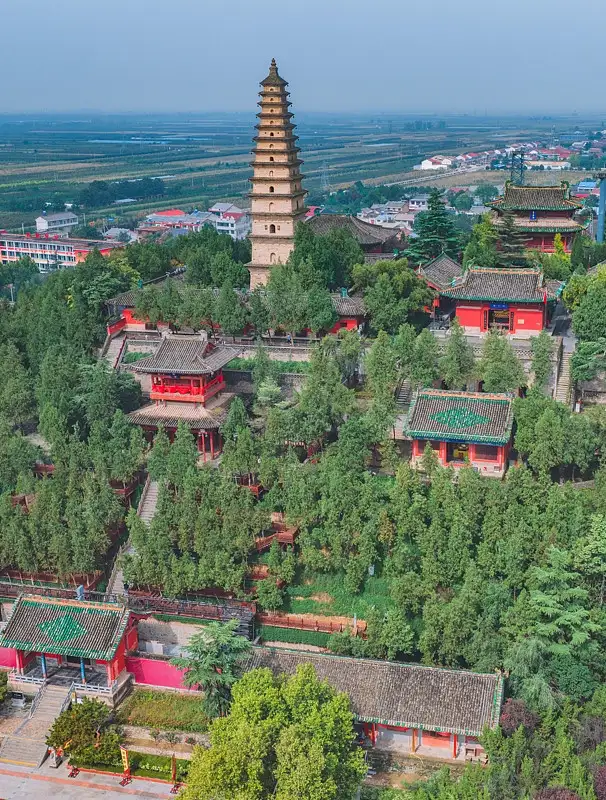 Yongji One-Day Tour Guide is here! Self-driving is recommended~ Want to take great photos without getting too tired? This itinerary is definitely for you!📸🌅 First Stop: Pujiu Temple 📍The birthplace of "The Story of the Western Chamber" is the GOAT! 🕒Recommended visiting time: 1.5 hours 🌧️Rainy/overcast days add to the ancient charm of the temple 🔊Must-do: Climb Yingying Pagoda and tap the stone to hear the frog croak 📸The red walls and ancient courtyards are super photogenic! 🐂 Second Stop: Pujin Ferry Crossing Site 📍China's largest group of Tang Dynasty iron oxen 🕒Recommended visiting time: 1 hour 🌤️Easier to take photos on sunny days ⚙️The thousand-year-old cast iron craftsmanship is awe-inspiring! 🎭Instantly transport yourself to a prosperous Tang Dynasty ferry crossing 🍽️ Lunch Recommendation: Yongji Beef Dumplings ➕ Crispy Fried Cakes Highly recommended by locals! 🌄 Afternoon Must-Visit: Guanque Tower 📍One of the Four Great Towers of China, Tang-style architecture 🕒Recommended visiting time: 2 hours ☁️ClimbIirisLaineME

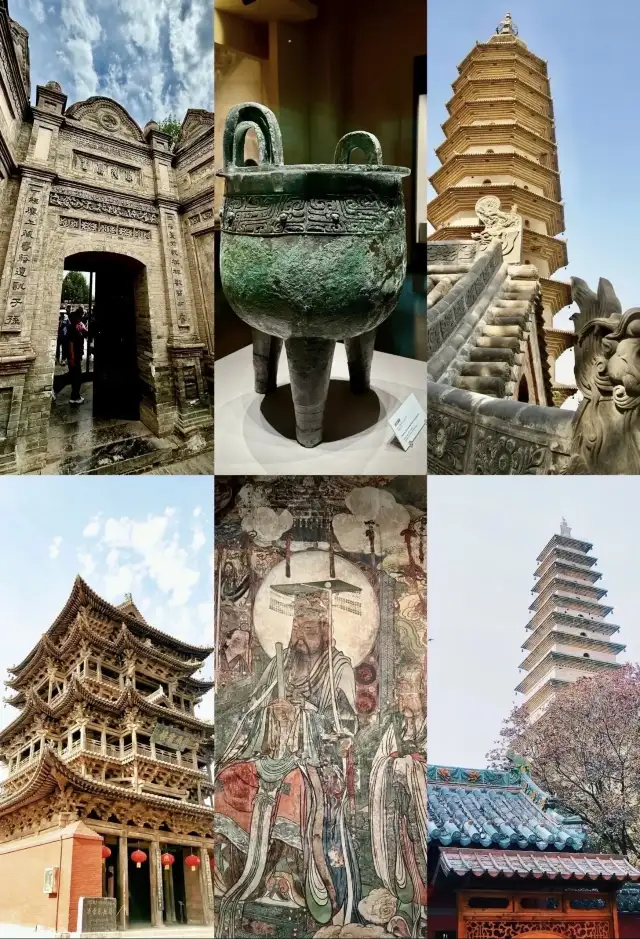 Explore Yuncheng: Ancient architecture and art, famous towers of Southern Shanxi – a one-stop experience.Yuncheng is a renowned city in southern Shanxi Province and a representative hub of Southern Shanxi culture. The Yuncheng area not only boasts profound history and culture, and various significant ancient buildings, but also beautiful natural scenery and unique local delicacies, making it a delightful tourist city for both body and mind. Yuncheng's tourism resources are incredibly rich, especially the exquisite ancient architecture and painted sculptures and murals that have been preserved. Their sheer number and diverse range are absolutely breathtaking. [Cute] Yuncheng panoramic tour guide – As an important birthplace of Chinese civilization, Yuncheng integrates Yellow River culture, the loyal and righteous spirit of Guan Gong, and the spectacular Salt Lake. [Core attractions] Jiezhou Guandi Temple The world's largest Guandi Temple, where red walls, glazed tiles, and ancient cypress trees create a solemn atmosphere. You can deeply experience Guan Gong's "loyalty and righteousness culture." Colorful Salt Lake In summer, the lake water displays a multi-color gradient of pink, blue, and yellow. The aerial photography effect is excellent, and the street light at Salt Lake Avenue No. 006 is a popular photo spot. You can experience black mud baths (be careful to avoid contact with your face) and saltwater floating. Yongle Palace The pinnacle of Yuan Dynasty mural art, with 286 celestial beings in flowing robes in the "Chaoyuan Tu" mural. Photography is prohibited, but the visual impact is stunning. Guangque Tower Ascend the tower to overlook the magnificent Yellow River scenery and experience the poetic sentiment of "to see a thousand miles further." It is especially spectacular when the forests are ablaze with color in autumn. [Coke] [Other representative attractions] Xihoudu Site Ruicheng Guangrenwang Temple Pujindu Site Pujiu Temple Wulao Peak Wanrong Houtu Temple Wanrong Qiufeng Tower Wanrong Dongyue Temple – Feiyun Tower Xinjiang Catholic Church Li Family Courtyard Yuncheng Museum [Happy] [Featured itinerary planning] Cultural exploration route: Guandi Temple > Yongle Palace > Li Family Courtyard (Jin merchant costume experience) > Xihoudu Site (human use of fire site) Natural wonders route: Colorful Salt Lake > Yellow River Grand Ladder Cliff (cliff plank road + glass observation deck) > Shengtian Lake Wetland Foodie check-in route: Donghu Farmers' Market (lamb paomo, Wenxi zubing) > Yongji beef dumplings > Wanrong liangfen hele 🚗 [Practical tips] Transportation: A taxi from Yuncheng city center to the Salt Lake takes about 15 minutes. Guandi Temple requires self-driving or a chartered car (approximately 1 hour). Seasonal activities: Autumn (September–November): Lishan red leaves, ascending Guangque Tower. Winter (December–February): Salt Lake hot springs, bird watching at Pinglu Swan Lake.Renew_Amelia_36

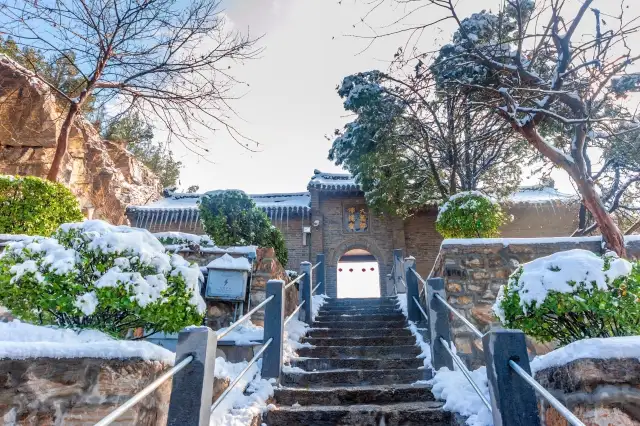 Yuncheng Travel GuideYuncheng, historically known as Hedong, is an important birthplace of Chinese civilization and is known as the "Number One City of National Treasures". Below is a 3-day itinerary you can follow directly, including transportation, attractions, food, and accommodation to help you efficiently explore Yuncheng. Best Travel Time Spring and autumn (April-May, September-October) offer comfortable weather. In spring, the salt lake’s rapeseed flowers bloom, and autumn is ideal for hiking and enjoying distant views; summer allows you to experience floating in the salt lake, and winter features special events like the Guanque Tower Ice Lantern Exhibition. Transportation • High-speed rail: Yuncheng North Station is the main hub, connecting Xi’an, Zhengzhou, and Taiyuan, reachable within 2 hours. After exiting, take a taxi or bus to the city center and various attractions. • Self-driving: Attractions are scattered, so renting a car upon arrival is more convenient, with daily rental fees around 200-300 RMB. You can reach Yuncheng directly via the Lianhuo Expressway and Daxi Expressway. • Within the city: Buses cover the city and some attractions. Taxi starting fare is about 6 RMB, convenient for short trips. 3-Day Classic Itinerary • Day 1: Guan Gong Culture + Salt Lake Wonders In the morning, visit the Xiezhou Guan Di Temple, the world’s foremost Guan Di temple, known as the "Ancestor of Guan Temples and Crown of Martial Temples." Focus on the Chongning Hall and Spring-Autumn Tower to experience the culture of loyalty and righteousness. In the afternoon, head to Yuncheng Salt Lake to float in the "Chinese Dead Sea," check out the colorful salt pools and glass viewing platform, and visit the Salt Lake Museum to learn about salt culture. In the evening, stroll through the Salt Lake Night Market, tasting snacks like Jishan Mahua and Wenxi boiled cakes. Stay overnight at a lake-view hotel in the Salt Lake area, recommended are the Colorful Salt Lake Tingtaoge Hotel or Vienna International Hotel (Salt Lake branch). • Day 2: Yellow River Poetry + Love Legend In the morning, climb Guanque Tower to overlook the Yellow River Jinshan Grand Canyon and recite "To broaden one’s view a thousand miles, one must climb one more floor." On the way, visit the Pujindu Ruins to see the Tang Dynasty Kaiyuan Iron Ox and marvel at ancient bridge engineering. In the afternoon, explore Pujiao Temple, the setting of the story "Romance of the Western Chamber." Climb Yingying Tower to hear the echo phenomenon of the "Pujiao Toad’s Voice," and stroll through the pear blossom courtyard to feel the culture of love. Stay overnight in Yongji City, sampling local dishes like Jiangshui noodles and stir-fried cold noodles. Choose from budget hotels or distinctive homestays in Yongji city center. • Day 3: Taoist Art + Jin Merchants’ Elegance In the morning, visit Yongle Palace to admire the world-class Yuan Dynasty mural "Chaoyuan Tu," covering over 400 square meters with vivid figures and magnificent colors, a pinnacle of mural art. In the afternoon, tour the Li Family Courtyard to appreciate the grandeur of the richest family in southern Shanxi, learn about the cultural philosophy of "Li Family’s Benevolence," and experience the heritage of Jin merchants’ spirit. After the trip, take the high-speed train back from Yuncheng North Station. Authentic Food Recommendations • Staple foods: Xiezhou lamb paomo (recommended Wang Jian Lamb Paomo, Dongguo Wanchangqing Lamb Restaurant), Yuncheng fried knife-cut noodles, Yongji beef dumplings, Xinjiang stir-fried noodles. • Snacks: Jishan Mahua, Wenxi boiled cakes, Ruicheng mahpian, cold noodles with fried bread, honey-glazed wind gourd. • Specialty dishes: Xinjiang copper hotpot, Yuncheng big plate chicken (Jinyun Huzi big plate chicken, Lao Wu fried chicken), Ruicheng braised meat. • Food hubs: Salt Lake Night Market, Yu Street Night Market, Yudu Night Market, where you can sample a variety of foods in one stop. Accommodation Suggestions • Salt Lake Area: Yuncheng Hotel, Xinghewan Hotel, with complete facilities and convenient transportation; Colorful Salt Lake Tingtaoge Hotel offers panoramic salt lake views. • Yongji City: Budget hotels like Hanting and All Seasons, cost-effective and convenient for visiting Guanque Tower and Pujiao Temple. • Ruicheng County: Huiyang International Hot Spring Club, Yongle Palace Homestay, where you can immerse yourself in nature and culture. Travel Tips • Book tickets in advance on official attraction platforms to avoid queues. • Most Yuncheng attractions are ancient buildings and murals; follow site rules, and do not touch or climb on cultural relics. • Autumn has large temperature differences between morning and evening, so dress accordingly; summer has strong UV rays at the salt lake, so take sun protection measures. • Plan your self-driving routes in advance; some attraction parking lots have limited capacity, so visit during off-peak times.Midnight@Sorcerer^4441

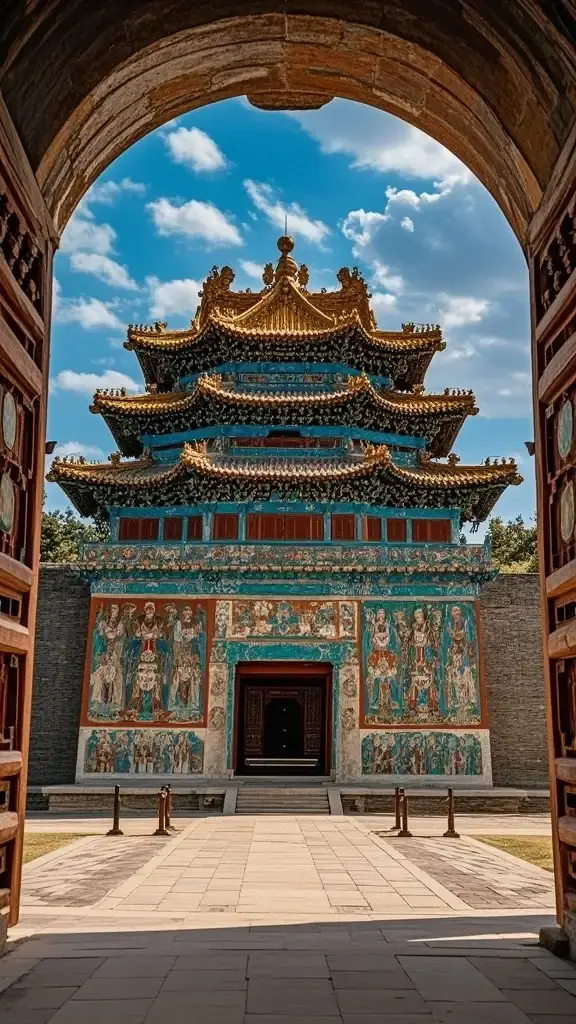 Yuncheng 3 Days 2 Nights Chinese Heritage Tour (3800 RMB Budget)🚄 Day1: First Encounter with Yuncheng · Guan Gong Pilgrimage 🏨 Accommodation Recommendation: Yuncheng Jianguo Hotel or Salt Lake Resort Hotel ¥800/night *2=¥1600 ✅ Privilege: Free Hanfu experience + "Dreaming Back to Hedong" show ticket 🏯 Morning Sacred Site 8:00 Xiezhou Guandi Temple 🔥 Three Must-Sees: Ming Dynasty Glazed Screen Wall / Chunqiu Tower Suspended Pillars / Emperor Kangxi's Calligraphy "Yi Bing Qian Kun" 🍜 Southern Jin Morning Delights 11:00 Hedong Family Feast 🥢 Three Must-Try Delicacies: Wenxi Zhubing ¥6 / Yongji Beef Dumplings ¥15 / Jishan Mahua ¥5 🌊 Afternoon Spectacle 14:00 Yuncheng Salt Lake 📸 Popular Activities: Floating experience ¥80 + Colorful Salt Lake aerial photography 🌃 Evening Feast & Intangible Cultural Heritage 19:30 Lanshan Gen · Yuncheng Impression 🍢 Must-Order Combo: Lamb Hubo ¥18 / Wanrong Liangfen Heluo ¥10 / Jiangzhou Hotpot ¥88 🏯 Day2: Exploring the Roots of Huaxia 🚗 Chartered Car Day Trip (¥900/includes admission and guide) 🌅 Morning Epic 7:00 Yongle Palace 🎨 Three Stunning Masterpieces: Yuan Dynasty Mural "Chaoyuan Tu" / Glazed Chiwen / Thousand-year-old Ginkgo 🍲 Taoist Vegetarian Feast 12:00 Ruicheng Intangible Cultural Heritage Restaurant 🥗 Specialty Delicacies: Yongle Vegetarian Meal ¥68 / Ruicheng Pickled Vegetable Platter ¥15 🏛️ Afternoon Time Travel 14:00 Xihoudu Site 🔥 Cradle of Human Fire: See traces of human fire use from 1.8 million years ago + Check in at the Sacred Fire Platform ✨ Starry Sky Salt Lake 20:00 Salt Lake Light Show 🌌 Limited Experience: Night view of the "Fluorescent Salt Field" spectacle (Summer exclusive) 🛕 Day3: Yellow River Civilization Tour 🚌 Cultural Special Line (¥200/person including boat ticket) 🌊 Morning Grand Song 8:00 Yellow River Grand Iron Ox 🐂 Glorious Tang Dynasty Memory: Touch the Kaiyuan Iron Ox + Listen to the story of Pujin Ferry ☕ Intangible Cultural Heritage Handicraft 11:00 Xinjiang Chengni Inkstone Workshop 🖌️ Experience Course: Make your own inkstone ¥80 (engraving available for souvenir) 🛍️ Shopping Guide 13:00 Yuncheng Specialty Center 🛒 Must-Buy Souvenirs: Wenxi Zhubing ¥25/box Jishan Jujube ¥35 Jiangzhou Chengni Inkstone ¥200 and up 🚄 Return Trip Tips 16:00 Yuncheng North Station 🧳 Packing Secret: Zhubing needs separate crush-proof packaging 💰 Budget Details Item Cost Transportation (Xi'an → Yuncheng High-speed Rail) ¥120 Accommodation 2 nights ¥1600 Dining ¥900 Admission & Experiences ¥1000 Local Transportation ¥800 Specialty Shopping ¥500 ⚠️ Travel Tips No flash photography allowed for Yongle Palace murals Bring your own swimsuit for salt lake floating Fun Fact: The bronze statue in Guandi Temple weighs 50 tons 🎪 Festival Recommendations September: Guan Gong Culture Tourism Festival June: Salt Lake Colorful Carnival Fun Fact: When Yongle Palace was relocated, its murals were cut into 341 pieces Yuncheng, a city of civilization "etched in bronze for Huaxia," where you can touch the Green Dragon Crescent Blade at Guandi Temple in the morning, enjoy Lamb Hubo while conversing with Yuan Dynasty murals at noon, and float on the Salt Lake gazing at the starry sky at night – with freshly baked Zhubing in one hand and a thousand-year-old Chengni inkstone in the other.Nova123~Hayes1

 What is Yuncheng 06| About Yongji, the imperfect final stopThis is the 36th note about our "Retracing Liang and Lin's Path" in Shanxi. It is also the last post in our detailed breakdown of this Shanxi trip. After updating for three months, we have finally reached the end, and I am actually quite reluctant to finish it 😂 The itinerary came full circle, and after wandering around, we finally returned to Yongji City, which is under the jurisdiction of Yuncheng. This is also a post that many friends have been requesting online. Actually, our impression of Yongji is complicated: on one hand, as a city that has developed alongside Chinese civilization, whether it is the capital of Emperor Shun (one of the Five Emperors) or the famous Pujin Ferry "Yellow River Iron Oxen" from elementary school textbooks, you could talk for hours about anything you pick out. Its profound heritage ranks highly across all of China. But on the other hand, the confusing "tourism development" is a bit baffling. The brand-new Stork Tower and the so-called "Love Holy Land" Puji Temple make it hard to muster much enthusiasm. 🏘 Yongji Museum The two major themes of historical culture and folk customs are located on either side of the Grand Theater. Although the museum is small, just wandering around allows you to feel the overwhelming sense of history. I was most interested in the section on Puzhou Opera. According to the staff, if the timing is right, you can also catch a Puzhou Opera performance at the Grand Theater, which is quite nice. 🏘 Wangu Temple Known as the "Number One Zen Forest of the Zhongtiao Mountains," its reputation is not as loud as the neighboring Puji Temple, but it is nice to have fewer crowds and more peace here. After a long climb up stone steps, you reach the slightly desolate and dilapidated core area of Wangu Temple. The stone pagoda in the middle is said to have stood firm during an 8.0 magnitude earthquake in the Ming Dynasty, which is a miracle. The brick caisson ceilings in the three Buddha halls of the Wuliang Hall behind the pagoda are similar to those at Yongzuo Temple in Taiyuan; both are products of Westernization during the Ming Dynasty. 🏘 Puji Temple Famous as the setting for "Romance of the Western Chamber," Puji Temple is arguably Yongji's top attraction. However, the heavy-handed tourism development, brand-new buildings, and the "love" theme plastered everywhere made it hard for me to enjoy. Tourism developers always assume, "I invested money, so I should charge admission," while ignoring the essential aspects like a good visitor experience. 🏘 Stork Tower Grand and spectacular. That was my first impression. But this newly built replica is clearly not what we were looking for on this "historical tour." Imagine how heroic and passionate the ancients must have felt climbing the tower to view the Yellow River! Now, an elevator takes you straight to the top, and the so-called Yellow River is so far away it looks like nothing more than a small stream. Other notes about Yuncheng Downtown/ruicheng/wanrong/jishan/xinjiang chapters "What is Yuncheng 01-05" I will be posting a few more summary posts, roughly as follows: 1. Detailed itinerary planning for Southwest/southeast/central/north Shanxi 2. The King of Carbs! A roundup of food across Shanxi 3. A preparatory lesson for Shanxi: How to appreciate ancient Shanxi architecture? 4. Some thoughts and insights on traveling in ShanxiBr00klyn N3ls0n

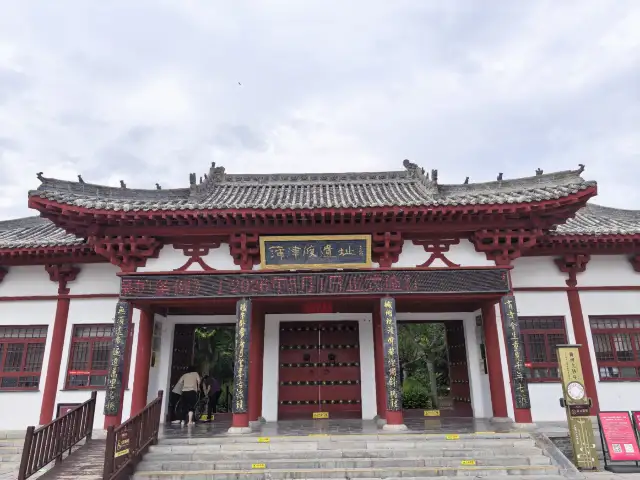 "Pujin Iron Oxen, the Key to the Tang Dynasty"The Pujin Ferry Site, hidden deep in the old Yellow River course of Yongji, Shanxi, is the "iron chain connecting boats" floating bridge key that spanned the natural barrier during the Tang Dynasty. Its awe-inspiring feature lies in the four iron oxen and iron men standing proudly on the shore, embodying the majestic image of "iron oxen calming the river," suppressing the waves and witnessing the casting and transportation wisdom of the flourishing Tang era. Unlike ordinary ancient sites, the iron men have diverse appearances, some wearing Hu-style clothing and others Han-style, symbolizing the ethnic integration along the Silk Road. Today, the site coexists with the Yellow River wetlands, the iron oxen covered in green rust, gazing over the vast river beach. At sunset, the rust and reeds are dyed golden, revealing the lingering warmth of the prosperous Tang amidst the vicissitudes of time. The Pujin Ferry Site is located about 17 kilometers southwest of Yongji City, Yuncheng, Shanxi Province, on the east bank of the Yellow River, adjacent to the ancient city of Puzhou and only 2 kilometers from Guanque Tower. Transportation: Take a train to Yongji Station or Yongji North Station (high-speed rail station), then transfer to bus routes 2 or 3 to Puzhou Town, followed by a 10-minute walk or taxi ride to the site; by car, it is about a 1-hour drive west from Yuncheng city along National Highway G521. Tickets cost about 60 yuan in peak season and 40 yuan in off-season (half price for students), subject to the official announcements of the scenic area. Tour route: Entrance → Pujin Ferry Site Museum → Tang Dynasty Iron Oxen and Iron Men Array → Iron Chain Relics Simulation Display → Yellow River Boardwalk Viewing Platform, taking about 1.5 hours in total. It is recommended to visit early morning or before dusk when there are fewer people and the lighting is ideal for photographing the iron oxen silhouettes.AdventureSeeker123

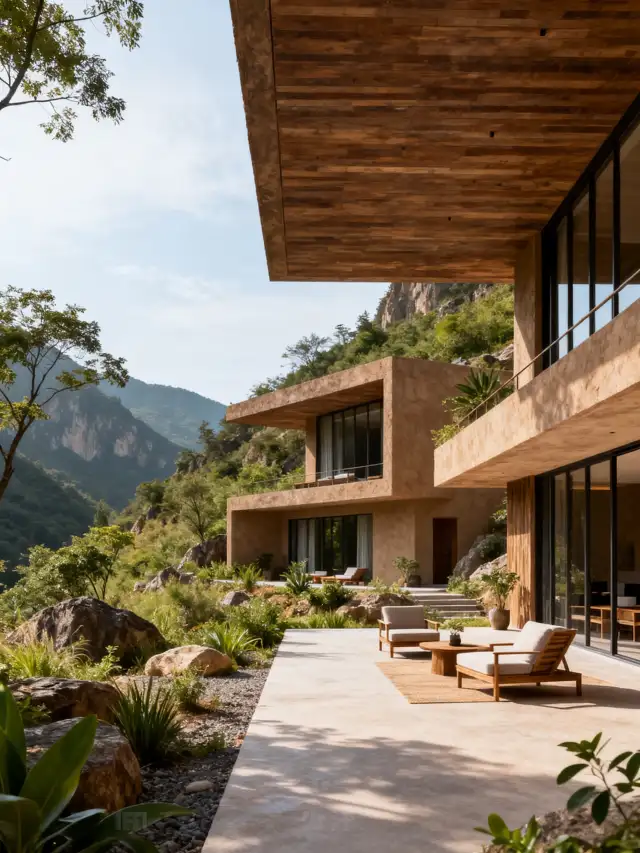 Stayed at Life Hotel in Yongji, and the aftereffects are strongThis is the most off-the-beaten-path small city in Shanxi I’ve visited this year❗️I’m really afraid it will become popular The sun sets behind the mountains, the Yellow River flows into the sea, To broaden your view a thousand miles, climb one more floor. Do you know where this line, deeply ingrained in the DNA of the Chinese people, refers to? It is the Guanque Tower in Yuncheng, Shanxi, A hidden treasure city by the Yellow River called Yongji. Of course, Yongji is not just about Guanque Tower; there are many other hidden gems to check out. Yongji One-Day Family Tour Itinerary⭐️ Wangu Temple ➡️ Pujiao Temple ➡️ Pujindu Ruins ➡️ Guanque Tower Family Highlights at Each Attraction✨ ✅ Guanque Tower This famous tower standing on the banks of the Yellow River in Yuncheng, is not only an architectural treasure but also a poetic landmark in time, harboring the most magnificent landscape paintings of Shanxi. Entering the Guanque Tower scenic area, the vermilion pillars and flying eaves of the Tang-style architecture are magnificent, as if traveling back a thousand years to the prosperous Tang Dynasty. Climbing up step by step, each floor holds surprises, especially at sunset, when the distant Yellow River and sunset truly inspire poetry and painting. This is also a filming location for the dark fantasy "Wukong." Tell children the story of Wang Zhihuan and learn ancient poetry on site. ✅ Pujindu Ruins During the Kaiyuan era of the Tang Dynasty, Emperor Xuanzong ordered four massive iron oxen weighing 30 tons each to be cast on both sides of the Yellow River. They were connected by iron pillars and chains, firmly anchoring a floating bridge across the Yellow River. Later, the Yellow River changed course several times, and the floating bridge disappeared. Today, the iron oxen no longer anchor the bridge or bear traffic; they stand as witnesses to where the Yellow River once flowed. 🎫 Free admission, about 2 km from Guanque Tower. Teach children about ancient bridge engineering and experience the grandeur of the Tang Dynasty. ✅ Pujiao Temple Famous worldwide because of the love story of Zhang Sheng and Cui Yingying described in the Yuan Dynasty playwright Wang Shifu’s "Romance of the Western Chamber," people commemorate Cui Yingying, so the Pujiao Temple Tower is commonly called the Niao Ying Tower. The most prominent ancient building remaining is the Pujiao Temple Tower, originally built in the Sui Dynasty. It was destroyed by an earthquake in the 34th year of the Ming Jiajing era and rebuilt in the 43rd year, retaining some Sui and Tang architectural styles. Tell children the story of "Romance of the Western Chamber" and introduce classical literature. ✅ Wangu Temple Founded in the Northern Wei Dynasty, built against the mountain with a broad view, you can overlook the Yellow River. Ancient cypresses and numerous steles from various dynasties showcase the temple’s grandeur and historical depth. The Duobao Pagoda is the temple’s landmark, an octagonal thirteen-story brick pagoda standing 54.6 meters tall. At the top, a pomegranate tree and cypress grow naturally, a rare sight. The Beamless Hall is one of China’s four major Ming Dynasty beamless halls, built entirely of blue bricks without a single wooden beam. The double-layered vaulted roof structure is exquisite, with superb brick carvings and dougong brackets. Teach children about ancient architectural wisdom. Travel Tips⭐️ 1️⃣ Yongji has Yongji Station and Yongji North Station (high-speed rail), about 1 hour by high-speed train from Xi’an. 2️⃣ Tourist buses run from Yongji North Station to major tourist attractions in Yongji. Accommodation 🏨Yongji Yao Wangtai・Cloud Homestay Yao Wangtai Scenic Area invested tens of millions to create a one-stop resort with horseback riding, massage, foot baths, planting and picking, animal interaction, picnics, and hiking. 🏨Yongji Yishanju Homestay A healing aesthetic space hidden in the mountains of Yongji, with modern minimalist rammed earth architecture, terraces to watch mountain sunrises and sunsets, a literary secret spot. 🏨Yongji Pushe・Nangu Li Homestay Full of fruit fragrance in Puban countryside, a charming Yongji village with beautiful scenery and concentrated delicious food, the top choice for family trips, with a relaxing and cozy atmosphere. 🏨Yongji Runi Suoyuan Homestay A quiet courtyard in Taiyukou Village, romantic and cozy with rocking chairs, clean and comfortable with a homey feel, perfect for cooking, team building, and gatherings.SerenadeGrace

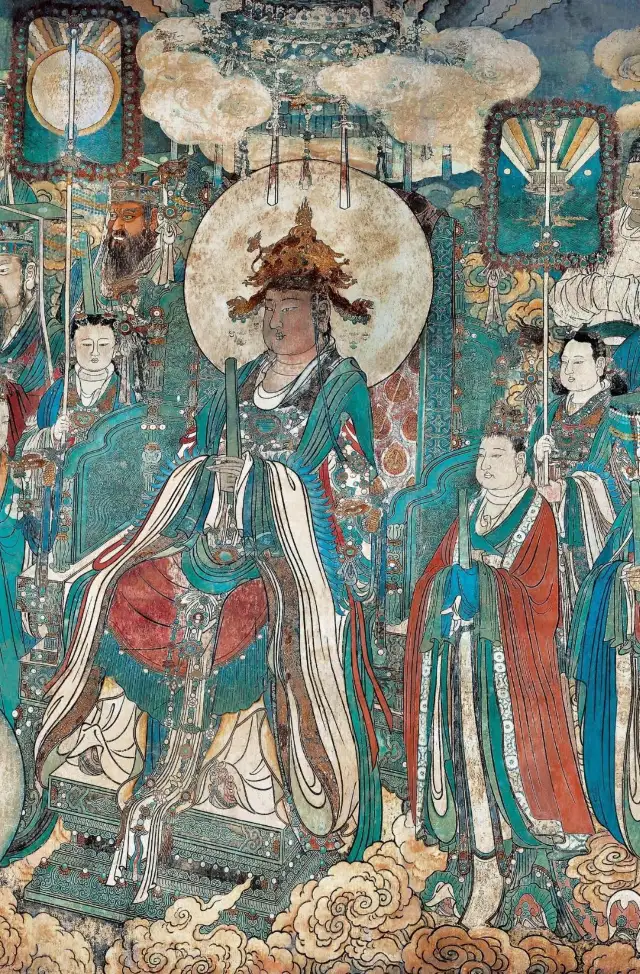 Springtime in Hedong・Yuncheng 4 Days 3 Nights Pure Leisure Small Group TourExclusive for March and April! Spring blossoms, the perfect time for off-peak travel! A classic 4-day, 3-night journey in Yuncheng to explore the romance of ancient China 🌸 —— 📅 4 Days 3 Nights Classic Itinerary・One-stop tour of Yuncheng’s highlights Day 1|From all over the country → Yuncheng 🏨 Stay at a four-star hotel Day 2|Yuncheng → Li Family Courtyard → Feiyun Tower → Houtu Temple Day 3|Yuncheng → Guan Di Temple → Pujiao Temple → Pujindu Great Iron Ox → Guanque Tower Day 4|Yuncheng → Yongle Palace → Guangrenwang Temple → Chishen Temple → Salt Lake —— This 【Yuncheng 4 Days 3 Nights Classic Tour】 is specially designed for those seeking great value and deep experiences. Whether traveling with family, friends, or as a couple, you’ll find your own “springtime slow moments” on this trip. —— ✅ Strong itinerary advantages・Worry-free and reliable 👨👩👧👦 Small exquisite groups of 2-8 people Ideal for family, friends, or couples, private and relaxed without rushing, enjoy a deep and slow travel experience 🚗 Comfortable 7/9-seat business vehicles Experienced drivers lead the way, smooth and comfortable rides, easy shuttle between attractions 🏨 Three nights in four-star hotels High-quality accommodation throughout, good rest means better enjoyment 🛡️ Pure leisure with zero shopping and no optional expenses Truly pure travel with no tricks, all your time is for scenery and companionship 🍽 No meals included Freedom to try local specialties at your own pace, fully enjoy the local atmosphere 🤝 Licensed travel agency・Strong assurance Professional service throughout, travel with peace of mind —— 💬 Authentic experience sharing More than just sightseeing, it’s about life. *At Li Family Courtyard, don’t forget to touch the century-old brick carvings; in the spring breeze, you can smell the historic wood fragrance. At Guangrenwang Temple, it’s recommended to walk around the main hall several times. It’s one of the only four half-Tang-style structures left in China, and the overwhelming Tang Dynasty aura is more stunning than any book description. By the Salt Lake, if the weather is clear, be sure to wait for the sunset and watch the evening glow turn the Dead Sea golden. —— 🌈 Spring blossoms, horses gallop in the spring breeze. Don’t hesitate any longer. While the sun is just right and the breeze gentle, bring your family and friends to Yuncheng for a springtime appointment that spans a thousand years! 📅 Departure dates: Every Tuesday and Friday (Special offer for March and April) 👨👩👧👦 Suitable for: Families, best friends, couples, photography enthusiasts 👉 Message me now to secure your spot and unlock the most beautiful spring in southern Shanxi!带您解锁山西:从云冈石窟的千年佛韵,到壶口瀑布的奔腾壮阔,每段旅程都藏着专属您的晋善晋美~

 Yuncheng is my starting point for exploring ancient sites in Shanxi, a city that satisfies.Yuncheng Unlike some popular ancient capitals that have an overwhelming "tourist vibe," its history is deeply embedded in everyday life. When you push open a creaking wooden door, it might be a nationally protected cultural relic; when you pass by an inconspicuous village, it could be hiding the lingering charm of the Tang and Song dynasties. This kind of "unexpected encounter" is precisely the greatest joy of exploring ancient sites. The ancient buildings in Yuncheng seem to especially convey a "human warmth." Whether it’s the thousand-year-old loyal incense burning in the Guan Di Temple, or the vivid expressions of immortals on the murals of Yongle Palace, or the sigh of Emperor Wu of Han gazing at the Yellow River from Qiufeng Tower... They are not cold artifacts, but the emotional and spiritual legacies of the ancients. My ancient site itinerary: ✅D1: Yongle Palace → Guangrenwang Temple → Fengling Ferry → Guanque Tower → Great Iron Ox → Pujiao Temple → Guan Di Temple ✅D2: Houtu Shrine → Wanrong Ji King Temple → Feiyun Tower → Macun Brick Carvings → Qinglong Temple → Jishan Ji King Temple → Great Buddha Temple ✅D3: Baitai Temple → Fusheng Temple → Longxing Temple → Sanguan Temple → Jiangzhou Office → Jiyi Temple山西闪电旅行


Other visitors' reviews of Pujindu Site
Show More Reviews蒲津渡遗址位于山西省运城市永济市蒲州镇西厢村西,是一处具有丰富历史遗存的重要遗址,也是我国首次发掘的大型渡口遗址。蒲津渡是黄河中游古代三大渡口之一,连接河东与关中的重要通道。据《春秋左传》记载,公元前541年,秦公子咸在此建造浮桥,开蒲津渡建桥之先河。此后,秦昭襄王、汉高祖、汉武帝、隋文帝等均在此建造过浮桥。唐开元十二年(公元724年),唐玄宗命兵部尚书张说主持改建蒲津桥,使用铁牛和铁链加固桥梁,使其更加稳固。此次改建耗铁约1100吨,占当时全国铁年产总量的4/5。金元之际,浮桥毁于战火,仅剩铁牛。明代曾多次利用铁牛重建浮桥,直至清代因黄河改道,蒲津渡逐渐废弃。1989年,蒲津渡遗址出土了唐开元铁牛四尊、铁人四尊、铁山两座、铁柱四个、七星铁柱一组及明代护岸石堤等。铁牛造型精美,重约55吨至75吨不等,分南北两组,呈八字形排列。蒲津渡遗址的考古发现对研究唐代政治、经济、军事、文化以及桥梁史、冶炼铸造工艺、黄河变迁等具有极其重要的价值。1999年至2005年,国家文物局批准并实施了蒲津渡遗址保护工程,将出土文物原位抬高12.2米,避免黄河洪水侵蚀。蒲津渡遗址现已建成遗址公园,包括景区入口区、渡口遗址区、仿唐浮桥区、文物展览区等。游客可以在此欣赏到唐代铁牛、铁人等文物,了解古代黄河渡口的历史风貌。蒲津渡遗址不仅是古代劳动人民智慧的结晶,也是研究中国古代桥梁工程、冶炼技术及黄河变迁的重要实物资料。