
Wulao Peak
五老峰 Based on 14 reviews
 No. 2 of Fall Viewing Attractions in Yuncheng
Opening hours of Wulao Peak
Wulao Peak attraction highlights
Wulao Peak in Yongji, Yuncheng, is known as "DonghuashanThe title "Taoist paradise under heaven" was bestowed upon it. Since the Tang and Song dynasties, the flourishing of religion further enriched the Taoist culture of Wulao Peak, with numerous temples and monasteries dotting the mountain, where incense smoke perpetually rises. In the 19th year of the Wanli era (1591) of the Ming Dynasty, Emperor Shenzong, drawn by its fame, visited to pay homage and participate in the mountain temple fair from the first to the fifteenth day of the seventh lunar month. Wulao Peak is also known as the "52nd blessed land of Taoism" and is celebrated as a renowned Taoist cultural mountain in northern China. Today, Wulao Peak attracts travelers more for its stunning natural scenery and pristine, fresh air, making it an ideal destination for mountain hiking and outdoor activities.
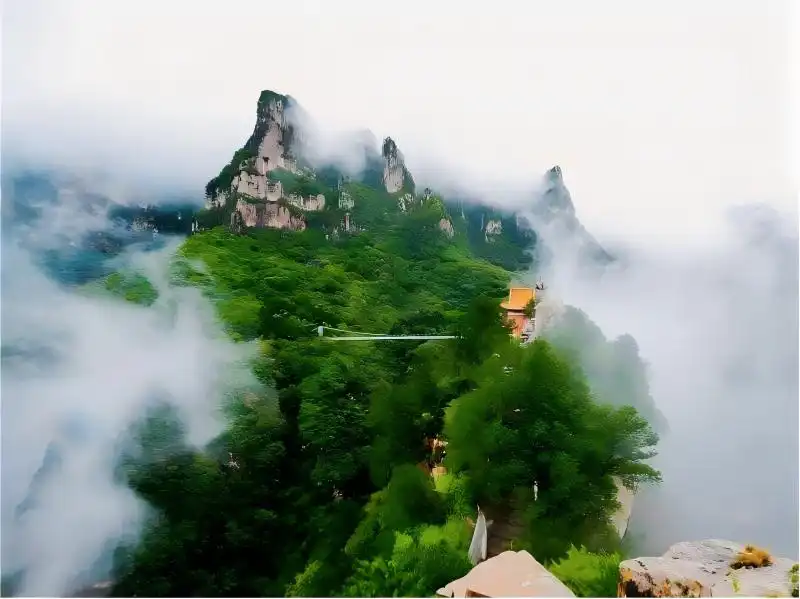
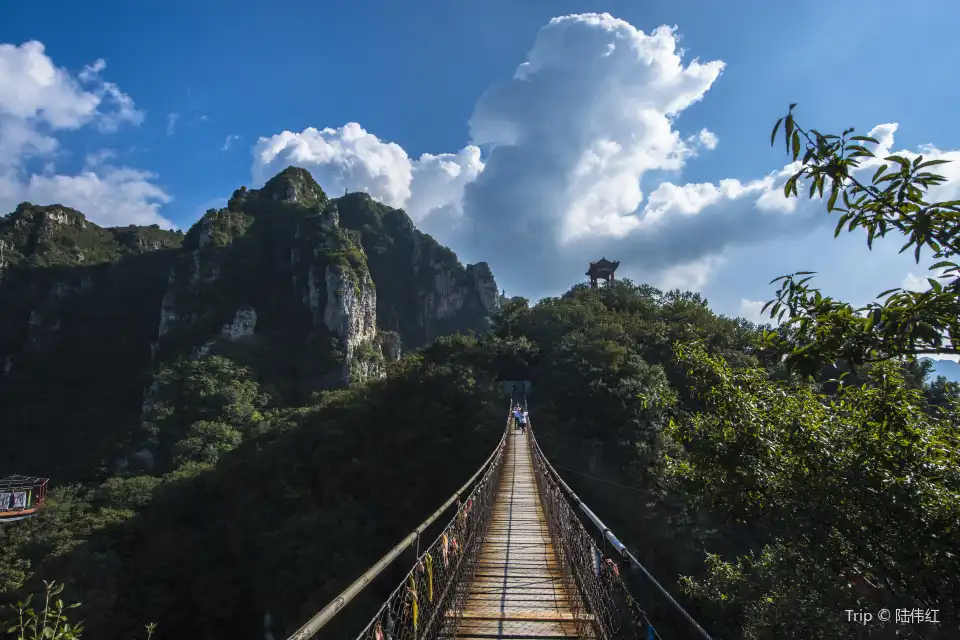
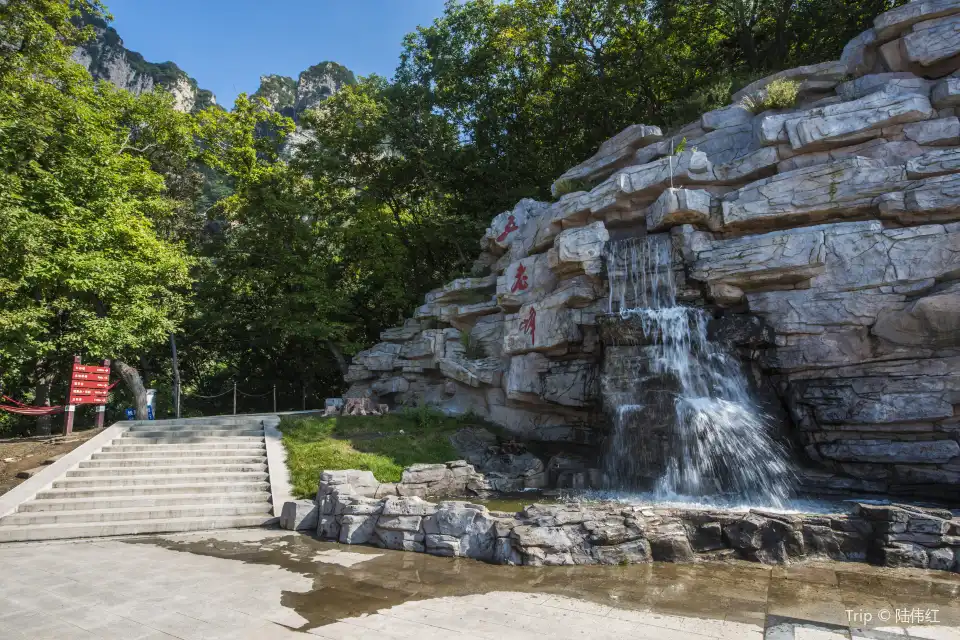
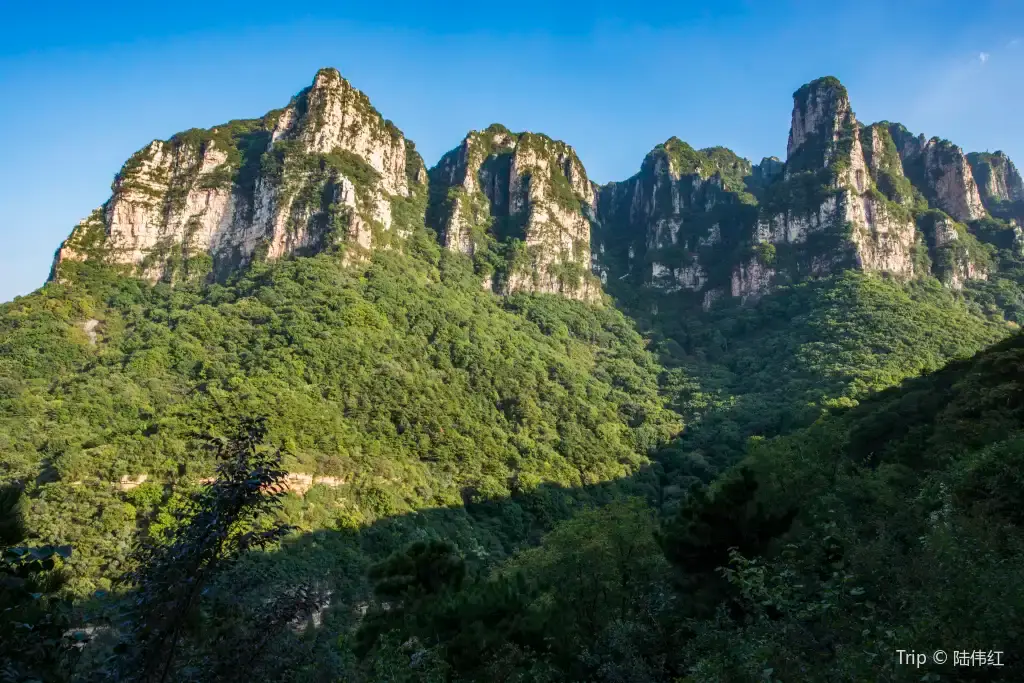
Wulao Peak is mainly composed of five peaks: Yuzhu Peak, Taiyi Peak, Qipan Peak, Dongjinping Peak, and Xijinping Peak. From a distance, they resemble five elderly figures standing majestically, hence the name Wulao Peak. The mountain is lush with vegetation, featuring steep cliffs, peculiar rocks, and numerous streams and waterfalls, making it a natural oxygen bar and an excellent destination for hiking and fitness. After entering the attraction gate, visitors need to take a sightseeing bus (ticket: CNY 30 per person, round-trip) to reach the hiking starting point. Then, they can follow the stone steps to explore the attraction, enjoying picturesque scenery along the way, though some sections have poor road conditions. When visiting Wulao Peak, visitors can also choose to take the round-trip cable car (including round-trip transportation) for CNY 100 up the mountain, which saves time and energy.
Other visitors' reviews of Wulao Peak
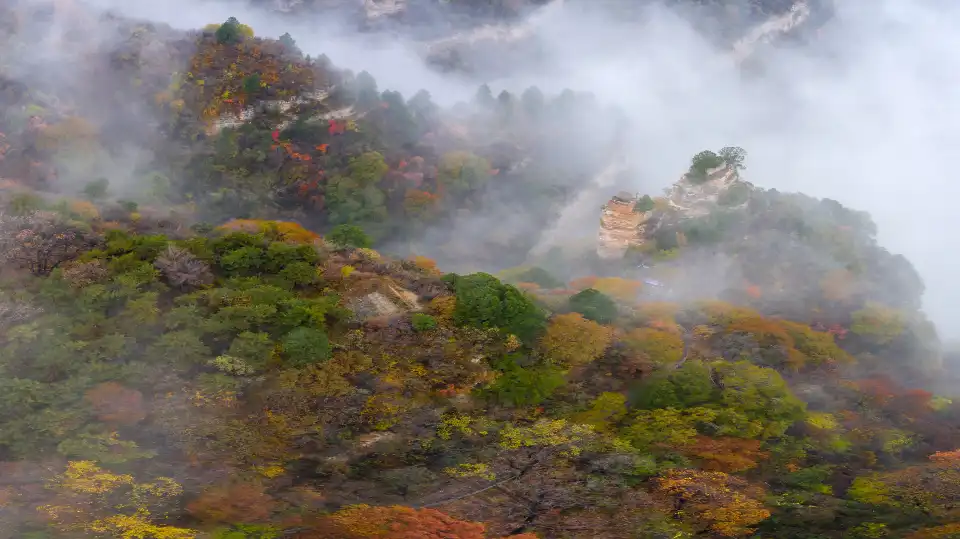
Show More ReviewsThe transition between seasons, especially between summer and autumn, is a particularly good time to climb Wulaofeng. Firstly, it's not too hot, and secondly, the scenery changes distinctly with the seasons. Therefore, it's considered a relatively less-visited mountain near Yuncheng.