Erqi Square
二七广场 Based on 3 reviews
 No. 19 of Night Attractions in Henan
Open Opening hours of Erqi Square
Erqi Square attraction highlights
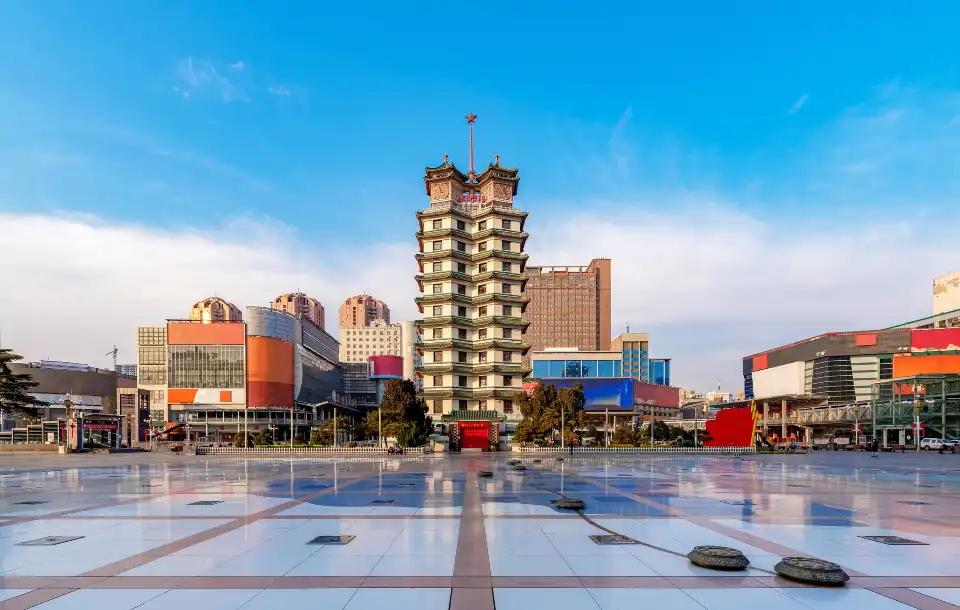
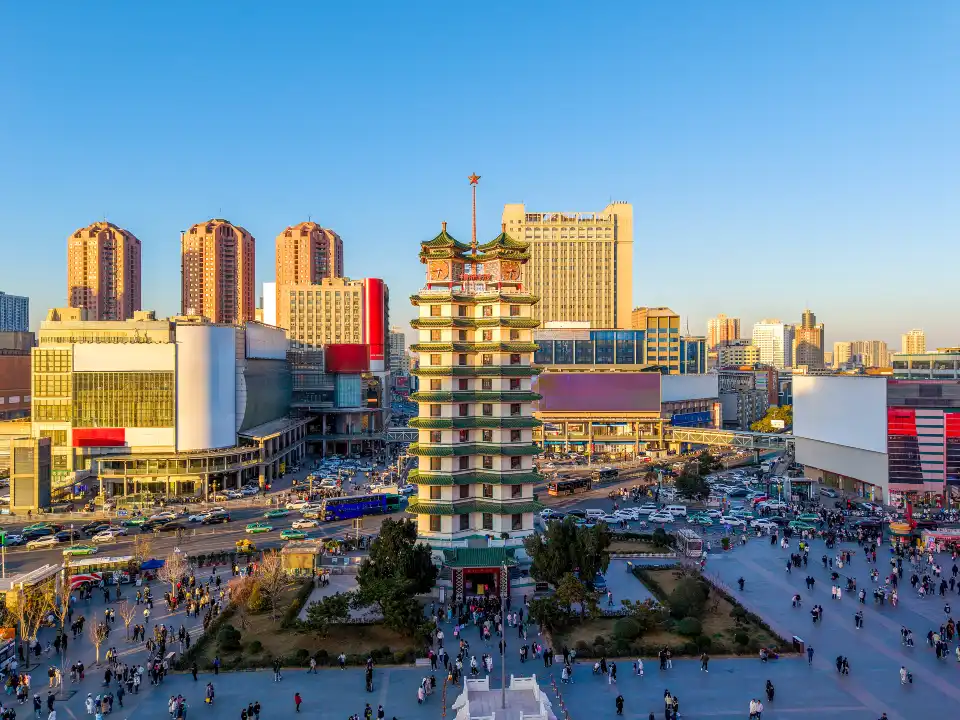
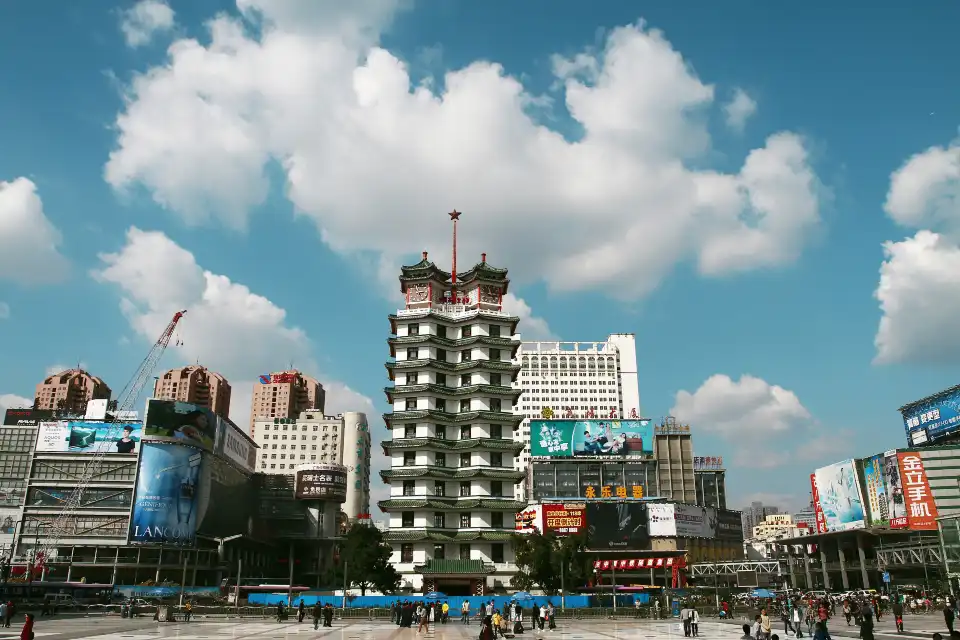
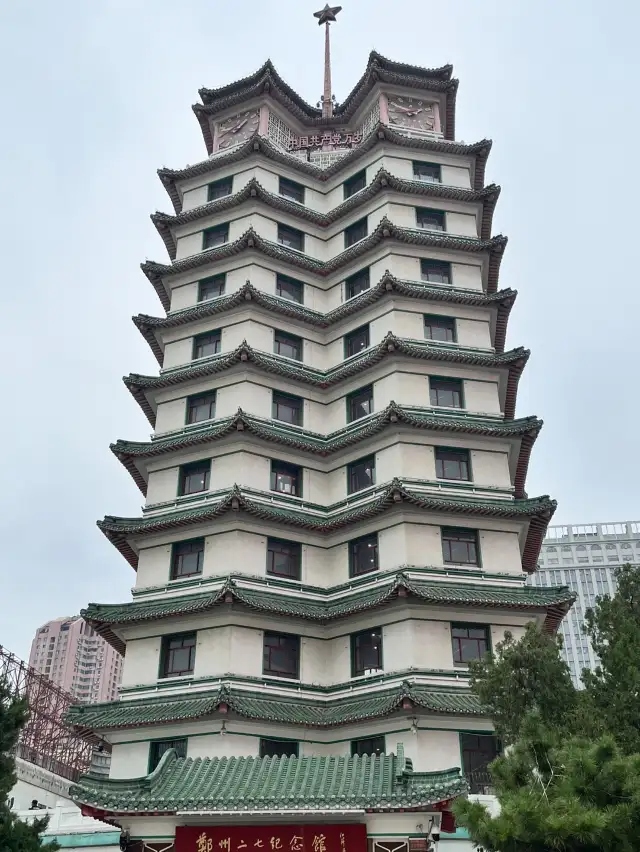
Erqi Square is located in the heart of Zhengzhou and is a highly recognizable city landmark, as well as the core of the established commercial district. The square is named after the 1923 Beijing-Hankou Railway workers' strike. When it was built in 1951, a wooden tower was erected, and in 1971, it was rebuilt on the original site into the current twin-tower structure—the Erqi Memorial Tower.
The memorial tower is 63 m tall and has 14 floors. Each floor features traditional-style upturned eaves covered with green glazed tiles. The twin-tower design is rare among commemorative buildings in China. Inside the tower is the Erqi Memorial Hall, which displays historical materials and artifacts from the strike. It is especially worth noting the clock tower at the top: every hour on the hour, the bell plays "The East Is Red," and the sound has echoed over the city center for years, serving as a familiar urban memory for many Zhengzhou residents.
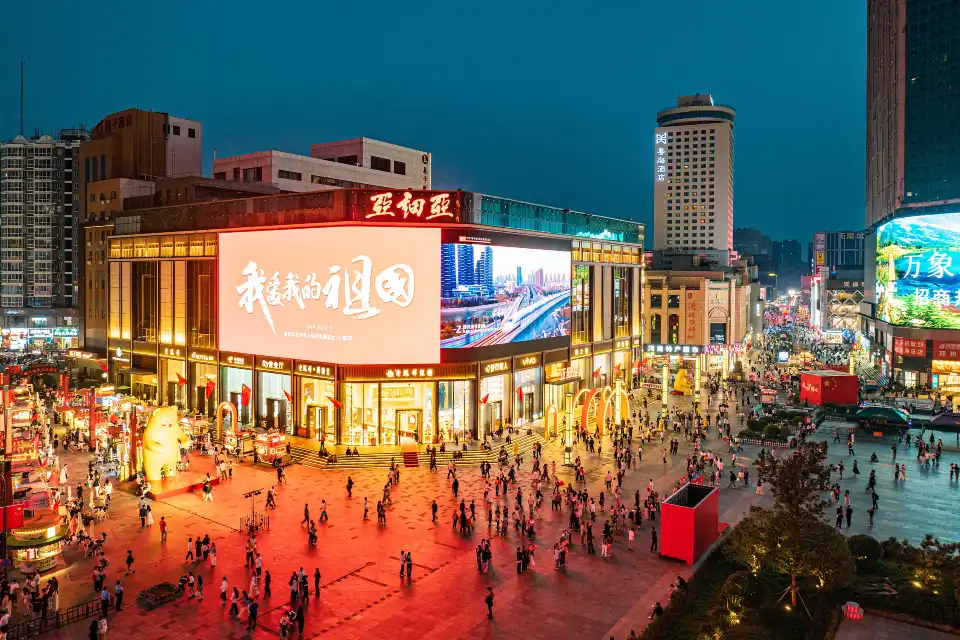
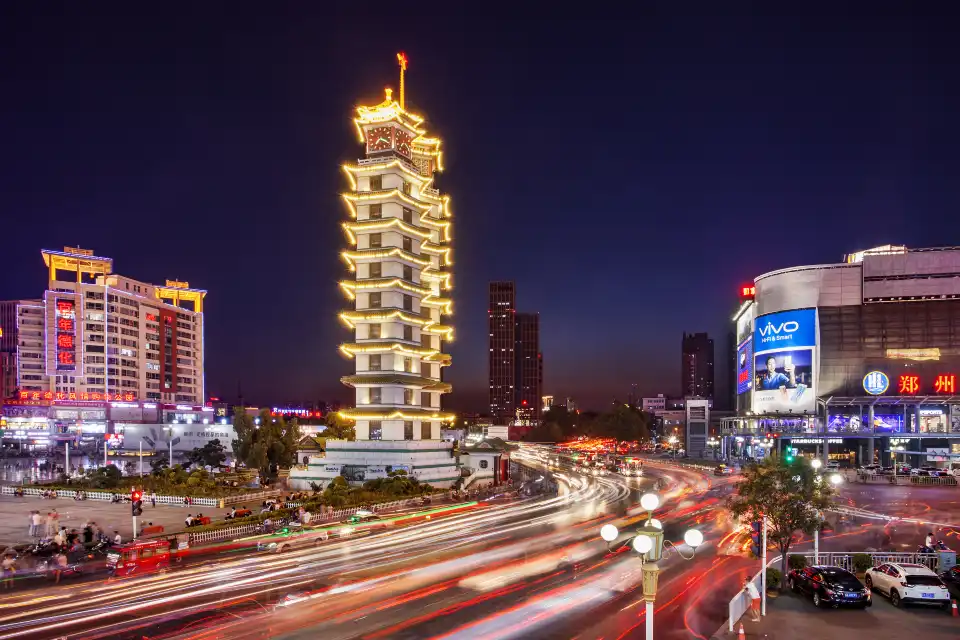
At dusk, as the lights come on, the tower and the surrounding commercial district light up together, making the square's night view perfect for photos. The adjacent Dehua Pedestrian Street is a hub for snacks and dining, so you can grab a bite after exploring. If you are visiting Zhengzhou for the first time, you can see both the city's historical character and its bustling daily life here.

Erqi Square Reviews: Insider Insights and Visitor Experiences
Erqi Square Photos: Trip Moments
 Zhengzhou is beautiful, but I won't go back, because it's just...Zhengzhou is beautiful, but I won't go back | Heartfelt tips to avoid tourist traps Let's start with the conclusion: Zhengzhou's beauty is the kind of profound beauty that leaves you speechless. But the city's travel experience will also truly leave you speechless. · -- Why do I say it's "beautiful"? When the nine major treasures of the Henan Museum are displayed, the 8,000 years of Chinese civilization are so overwhelming it takes your breath away. Mount Song, Shaolin Temple, the "Center of Heaven and Earth," and the surging Yellow River—any one of these is a coordinate origin of Chinese civilization. Standing by Ruyi Lake in the Zhengdong New District at dusk to watch the "Big Corn" building light up, the modernity of the Central Plains will also stun you. But beautiful as it is, there are plenty of traps to fall into. · -- Transportation: The subway is your best friend, taxis are your worst enemy The priority for getting around the city is simple: subway > bus > bike > ride-hailing. Do not take taxis that solicit passengers on the street near Erqi Square or the train station. Do not go to restaurants recommended by drivers—it's a kickback scheme that every local in Zhengzhou knows about. For outer attractions like the Shaolin Temple in Dengfeng or "Only Henan" in Zhongmu, it takes at least 1–1.5 hours one way. Don't believe the nonsense about "visiting three spots on the way"; the energy you waste traveling will leave you exhausted the next day. · -- Attractions: If you can't book it, you might as well not have come Tickets for the Henan Museum and Only Henan: Drama Fantasy City sell out in seconds during holidays. There are no "internal tickets" or "fast-track booking services"; anyone claiming they can get them for you is basically a scammer. Just book in advance through the official WeChat account. Another painful lesson: Never sign up for the "CNY 100 Shaolin Temple day tour" promoted everywhere at the train station and Erqi Square. Most of the time, they'll drag you to jade shops and religious trinket stores, leaving you just enough time at the Shaolin Temple to take a photo before leaving. · -- Food: Residential areas are the real deal; tourist streets are traps Remember one thing: stick to residential areas and stay away from tourist streets. The snacks on the main Dehua Pedestrian Street are highly homogenized and overpriced; you won't find authentic flavors there. The area around the train station is full of knock-off shops selling Huimian and Hulatang. The southern section of the Jiankang Road Night Market, near Jinshui Road, is a disaster zone for "internet-famous" stalls. A loaded grilled cold noodle costs CNY 22, and a CNY 15 hand-smashed lemon tea is no different from Mixue Bingcheng. The local, long-standing stalls are all in the northern section near Yusheng North Road, where lamb skewers are CNY 3 and stir-fried jelly noodles are CNY 10. With the same budget, you'll go hungry in the south but be stuffed in the north. For authentic Huimian, look for the old, established flagship stores in the city; CNY 15 a bowl is a normal price. The "internet-famous Huimian" selling for CNY 25 or 28 is just a rip-off. · -- Accommodation: Don't stay near Erqi Square or the train station The area around Zijingshan Station and the surrounding subway stations is the best choice; it's convenient to get anywhere. Definitely do not stay near Erqi Square or the old train station. It's either noisy or chaotic, and the small hotels soliciting guests on the street have questionable conditions. The area in Jinshui District near the Henan Museum is also good; it has a strong residential vibe, with shops downstairs where locals eat, and you can hide in the mall's air conditioning when it gets hot at noon. · -- One final critical warning If you see anything online about Zhengzhou's "Dreamy Snow Village" or "Bear Ridge," with promotional photos showing thick snow and fairytale snow huts—don't go. It's made of cotton. It received 700 negative reviews in three days of opening and has already been criticized into suspension. Zhengzhou is worth visiting once. But before you go, save this article.Aiden.Campbell.876

- 鄭州
- travel2026
- 二七廣場
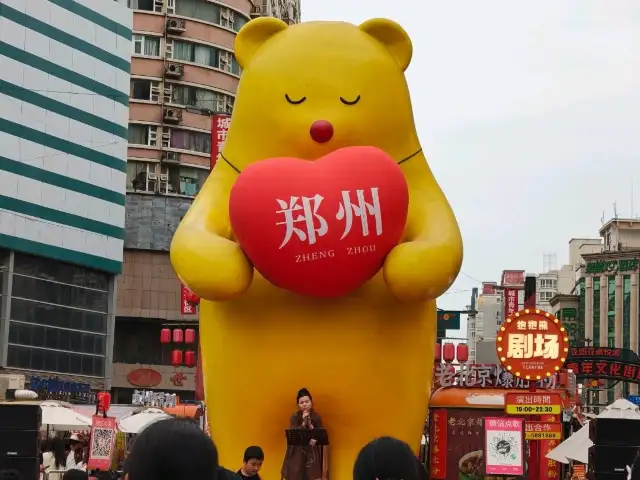
Who says there's nothing fun to do in Zhengzhou! An afternoon in the "heart of the city" is so therapeutic, I can't let you miss it.Erqi Square on a cloudy day feels more cinematic than on a sunny day😭 Visit in the afternoon for fewer crowds and a cool breeze—every casual shot looks like an indie film of old Zhengzhou. Who says you need bright sunshine! With thick clouds in the afternoon, the red walls of the Erqi Memorial Tower look exceptionally grounded in the diffused light, standing quietly in the city center like an open history book. Without glaring sunlight, the lighting is even and soft. You don't have to worry about harsh shadows when taking portraits, and the tower's silhouette stands out clearly💕 The best itinerary: · Climb the tower first (Free): Bring your ID and queue up before 4 PM (closed on Mondays). Every floor inside features historical exhibits about the Jinghan Railway Strike. Take your time exploring all the way to the top floor for a panoramic view of the old town—under an overcast sky, the gray tones of the buildings and scattered lights offer more character than on a sunny day. · Stroll down Dehua Pedestrian Street: Step out of Erqi Square and dive straight into the century-old Dehua Street. Shop around the malls on both sides (Asia Shopping Mall, David Plaza, MixC). Cloudy days are simply the best for shopping! · Rainy day backup plan: If it starts drizzling, head directly to the basement food court in the Asia Shopping Mall. With dozens of street food options, an arcade, and bubble tea shops, you can easily spend the whole afternoon there. Transport🚇: Metro Line 1 / Line 3, "Erqi Square Station" Exit D. It's right there when you walk out. Tickets: The square is free; Erqi Memorial Tower is free (ID required, closed on Mondays).boommood22
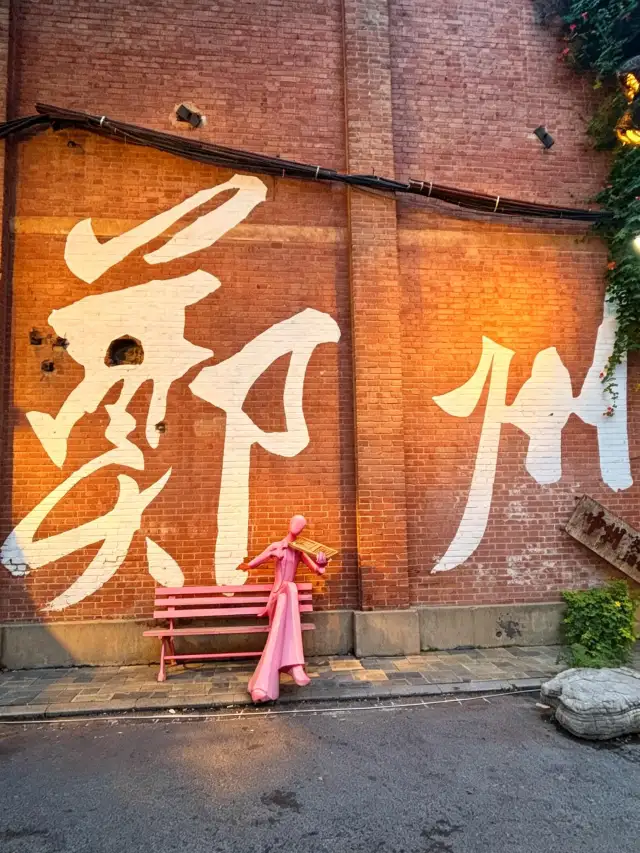 Zhengzhou 72-hour roaming|The iron flower show on a rainy night is amazing!Two days of self-driving in Zhengzhou, an easy and relaxed food and sightseeing guide is here🏃♀️ Recommended stay near Erqi Square! Super convenient transportation~ ✨Day 1 Erqi Square + Youhuachang Creative Park [Erqi Square]📍A must-visit landmark in Zhengzhou! · The connected twin towers are very unique · Free tower access (remember to bring your ID!) · A perfect view overlooking the old city of Zhengzhou · Dehua Street, a century-old retro pedestrian street, great for photos📸 · Plenty of malls to cool off anytime~ Recommended to visit [Youhuachang Creative Park] after 3:00 PM🎨 · Popular red brick walls perfect for photos · Industrial-style oil tanks + railway tracks with great vibes · The sunset in the evening is stunning! 🌃 7:30 PM wait for the Erqi Tower lighting ceremony The tower at night is breathtaking! ✨Day 2 Ersha Cultural and Creative Park + Jianye Movie Town [Ersha Cultural and Creative Park] · One hour is enough for industrial-style photos · No need to specifically check in here Highly recommend [Jianye Movie Town]‼️ · Even better if it rains! · Staff kindly remind about show adjustments · Indoor theater shows are unaffected · The stone-paved road reflects neon lights beautifully after rain · 7:00 PM iron flower performance amazes the crowd🎇 · Closes at 10:30 PM, perfect for night owls! 💎 Thoughtful tips: 1️⃣ The light between 6:00 PM and 7:00 PM in summer is best for photos 2️⃣ You need to stay until night to fully enjoy Movie Town 3️⃣ Rainy days bring unexpected beauty! 📍Recommended stay: Luoyang Ruilaiyue Hotel (418 Zhongzhou East Road, Building 1, Rooms 201–203) 🌟Within walking distance to Luoyi Ancient City 🌟Lots of nearby food options 🌟Smart voice assistant is very helpful Luoyang Ruilaiyue Hotel (Luoyi Ancient City Yingtianmen South Square branch)Eva345_Reed

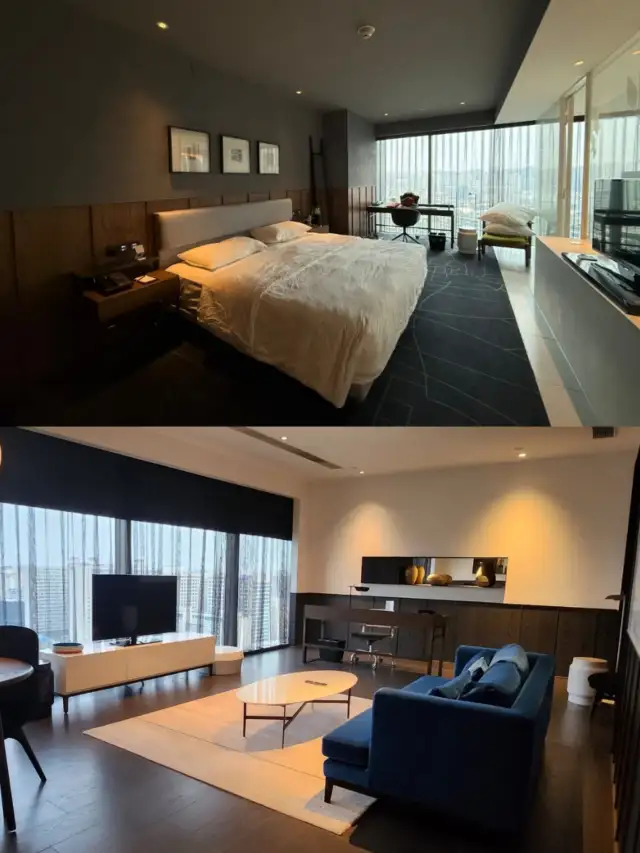 The only hotel in Zhengzhou that has let me stay three times on business trips!Legendary accommodation in Zhengzhou! Le Méridien Hotel perfectly combines quality and comfort🏨 I was completely won over by Jianye Le Méridien during my business trip to Zhengzhou!😭 I originally booked it for its central location, but after checking in, I was surprised at every turn. From the room to the dining, everything touched my heart. After staying here, it’s definitely on my must-stay list in Zhengzhou~ Opening the door instantly healed me!🤍 The room is decorated in a high-end modern minimalist style, with warm lighting and textured soft furnishings, perfect for photos. The biggest surprise was the soundproofing—outside the window is a bustling district, but once the door is closed, it’s so quiet you can only hear your own breathing. Even staying up late to finish work was completely undisturbed! The cleanliness is impeccable; the sheets and duvet covers are white and odorless, the bathroom is spotless with a dry and wet separation, the sink has no water stains, and even the corners are thoroughly cleaned, making me feel very safe staying here. The mattress is moderately firm, the pillows are just fluffy enough, and after a long day, I fell asleep instantly and woke up feeling fully refreshed. Business travelers will be very satisfied! The hotel dining completely exceeded my expectations!🍴 The breakfast variety is super rich, with Chinese steamed buns, spicy soup, fried dough sticks, and Western bread, salad, and coffee—all very fresh. The spicy soup is flavorful and pairs perfectly with the fried dough sticks. For dinner, I tried Henan cuisine at the hotel restaurant. The Yellow River big carp was crispy on the outside and tender inside, with delicious meat. The Henan Hui noodles were hearty with a rich broth, and every bite was full of flavor! The waitstaff were very attentive, proactively asking about taste preferences, making the dining experience perfect and the value unbeatable. 💡 Practical Tips! The hotel location is excellent, just a few minutes’ walk to the subway station, making travel very convenient. It’s close to Erqi Square and Zhengzhou CBD. Check-in and check-out are very efficient with no long queues. The staff are warm and professional, responding promptly to any needs. The room provides free mineral water, tea bags, and coffee, and is equipped with a humidifier—very necessary for the dry northern weather! I recommend booking in advance on Trip.com, as there are occasional promotions that offer even better value. In summary, Jianye Le Méridien Hotel in Zhengzhou is truly an excellent choice for business trips and tourism!📍 Great location, wonderful environment, attentive service, and both room comfort and dining quality are top-notch. You’ll fall in love after just one stay. I’ll choose this hotel again next time I come to Zhengzhou and have already recommended it to friends visiting the city. Go for it, everyone!JackBeaumont4821

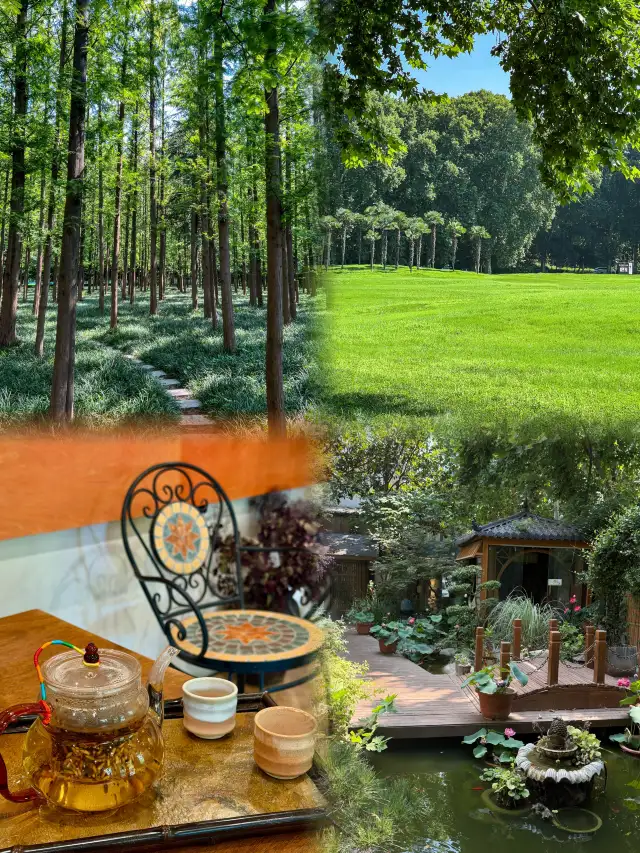 Zhengzhou is beautiful, but I wouldn't recommend visiting in September or October if you want to avoid a headache!Zhengzhou's autumn is indeed beautiful, but if you go in September or October, you'll likely find that "the scenery isn't worth the struggle." Zhengzhou at this time is stuck in the awkward transition between summer and autumn. Daytime temperatures can climb back up to 30°C, and with the lingering summer crowds, your experience will be significantly diminished. However, if you've already made your plans, this "avoid the pitfalls + practical" guide can help you have a more comfortable trip. 🌡️ Why is visiting Zhengzhou in September or October a "struggle"? · The weather is a "blind box": Daytime temperatures can suddenly jump back to 30°C, making it hot and sunny. But when a cold front hits, temperatures can plummet, creating a huge difference between morning and evening. · Sudden afternoon thunderstorms: The weather changes in an instant. Clear skies can suddenly turn into heavy rain, ruining all outdoor plans. The ground becomes slippery, and your sightseeing experience will suffer. · Crowds remain intense: Even though summer is over, popular attractions like the Henan Museum are still hard to get into. You must book at least 3–7 days in advance; if you go without a reservation, you have a 100% chance of being turned away (it is closed on Mondays). 📍 3-day, 2-night practical itinerary (heat and rain avoidance edition) Since the weather isn't very friendly, your itinerary needs to be flexible. Definitely stay indoors during the hottest part of the day. Day 1: Travel through history, escape the heat indoors · Morning (indoors): Head straight to the Henan Museum. This is the highlight of Zhengzhou, with plenty of air conditioning and legendary collections. The Jiahu bone flute and the Fu Hao owl-shaped wine vessel are must-sees. Remember: Book 3 days in advance via their official WeChat account! · Lunch: Go to Geji Menbing or Heji Huimian (Renmin Road main store) for an authentic meal, and avoid the overpriced restaurants near the tourist attractions. · Afternoon (indoors): Head to the Zhengzhou Shang Dynasty Ruins Museum to see the 3,600-year-old Shang Dynasty city wall. AR technology brings the artifacts to life. It's also free and relatively less crowded. · Evening: Go to the Erqi Memorial Tower to watch the sunset (free) and see the intersection of the Beijing-Guangzhou and Longhai railways, feeling the vibe of the "city pulled by trains." Day 2: Immersive theater and night views · All day (Zhongmu): Dedicate this to Only Henan: Drama Fantasy City. This is a cluster of theater venues. The two main shows, "Li Family Village" and "Train Station," are very moving and worth the ticket price. There are many indoor theaters, so you can avoid the sun. · Night: Return to the city center to the CBD Ruyi Lake to see the "Big Corn" (Chixi Plaza) light up. The night view is very photogenic. If you want a late-night snack, go to the Jiankang Road Night Market and try the stir-fried yogurt and grilled gluten. Day 3: Cultural check-in and departure · Morning: Go to the Zhengzhou Memory Oil Refinery Creative Park. This is a cultural and creative park renovated from an old factory. Red brick walls paired with graffiti make for great industrial-style photos. It's free and very photogenic. · Afternoon: If you still have time, you can go to the Guomian No. 4 Factory residential area to find authentic baked buns and almond tea. Following the local seniors in line is always the right move. Afterward, head back based on your schedule. 💡 Key tips (survival edition) · Accommodation: Choose a place along the subway line. The area near Zijingshan or Erqi Square is the best choice. Subway Line 1 goes directly to the core attractions, helping you avoid traffic jams and sun exposure from taking taxis. · Food: Go to the old town. Avoid the overpriced Huimian near train stations and tourist spots. For Hu-la soup, drink at Fang Zhongshan (main store), and pairing it with Youmotou is the local-approved way to eat it. · Travel essentials: A folding umbrella (for sun and rain), Huoxiang Zhengqi liquid (to prevent heatstroke), mosquito repellent (mosquitoes near the Yellow River and in parks are vicious), and non-slip sneakers (the ground is slippery after thunderstorms). Zhengzhou in September and October is like a beauty with an unstable temper. As long as you keep your itinerary flexible, hide in museums to enjoy the air conditioning during the day, and go out to see the night views in the morning and evening, you can still feel the unique heritage of this ancient Central Plains city.ZenGarden5555553

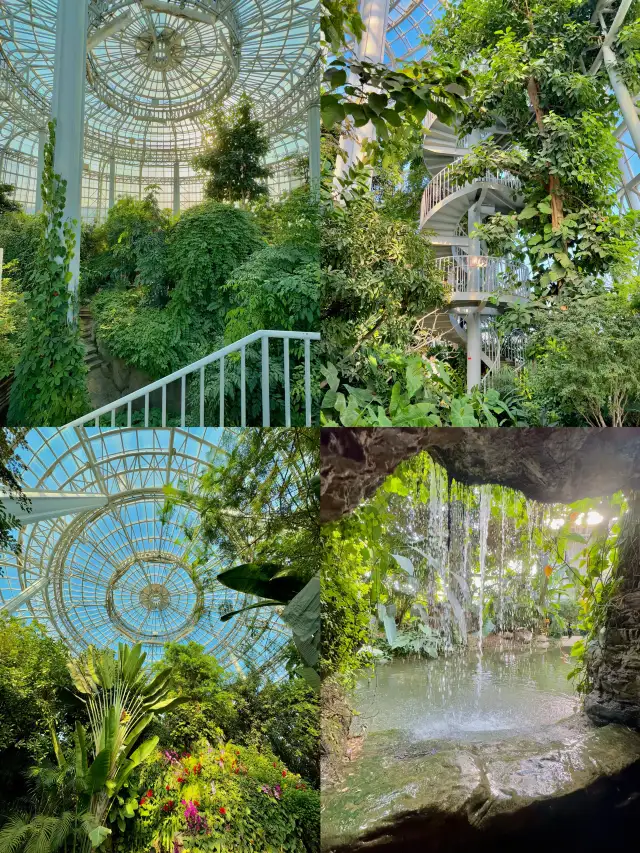 Zhengzhou is stunning and perfect for a September–October trip—you will be glad you went!In September and October, the summer heat in Zhengzhou fades, and the autumn colors are just right. The London plane trees turn golden, and the pink muhly grass is in full bloom—it is the most charming season of the year. I have put together a 4-day, 3-night in-depth travel guide for you, highlighting must-visit spots and tips to avoid tourist traps. 🍂 Highlights at a glance (exclusive to September–October) · Zhengzhou Forest Park: A natural oxygen bar in the city, where ginkgo trees turn yellow and green. Perfect for a picnic on the lawn and taking forest-style photos. · Beilonghu Wetland Park: The ultimate autumn vibe. The pink muhly grass is in full bloom, and the sunset is stunning. · Yellow River Cultural Park: Ginkgo and maple trees paint the forest in layers of color. Watch the sunset over the river in the evening. · Yellow River Guest House: The London plane tree avenue turns into a golden fairy-tale world, perfect for photos. · Ruyi Lake CBD: Take a night tour to see the "Big Corn" building's lights reflecting on the lake—a dazzling sight. 🗓️ 4-day, 3-night itinerary reference Day 1: Old city charm and dazzling night views After arrival, stay near Erqi Square or Jinshui District (convenient for the subway). In the evening, stroll around the Erqi Memorial Tower. Avoid the main Dehua Street and head to Pingdeng Street to experience the old city atmosphere. At night, head straight to the Jiankang Road Night Market for local vibes, or go to Ruyi Lake CBD for the night view. Day 2: Chinese cultural heritage and autumn wetlands In the morning, visit the Henan Museum (be sure to book in advance via their official WeChat account; closed on Mondays) to see national treasures like the Jiahu bone flute. In the afternoon, head to Beilonghu Wetland Park to check out the pink muhly grass and the sunset at Rulei Bridge. In the evening, take a walk in Zhengzhou Forest Park for some fresh air. Day 3: The majestic Yellow River and forest secrets During the day, visit the Yellow River Cultural Park (hiring a legitimate car service is recommended) to see the statues of Emperors Yan and Huang and enjoy the colorful foliage. On the way back, stop by the Yellow River Guest House to take photos on the golden London plane tree avenue. Day 4: Artistic strolls and classic flavors In the morning, head to Longzi Lake to experience a slow, artistic lifestyle and cycle around the lake. In the afternoon, explore Guancheng Street to dig into classic flavors: Song Laosan Surou (braised pork) shop, Baiji Claypot, and Jingyu Masi Hot Pot are all local favorites. 🥢 Must-eat list · Breakfast: Hu-la soup (spicy from Fang Zhongshan, mellow from Buwudu) served with fried dough fritters; the authentic way to eat it is by dipping the dough in the soup. Or try Caiji steamed dumplings (juicy and flavorful). · Main meals: Heji Huimian (rich broth and chewy noodles); Yellow River carp (braised, perfect with rice); Geji braised pancakes (a time-honored brand). · Snacks: Daokou roasted chicken (tender and great with drinks), Dengfeng sesame cakes (crispy, flaky crust). 💣 Tips to avoid tourist traps · Stay away from cheap roadside tours: The "100-yuan Shaolin Temple day tours" promoted at the train station and Erqi Square usually take you to shopping stops, resulting in a poor experience. · Beware of "unofficial" tour guides: Don't trust people selling incense or bracelets around tourist attractions; there are many fakes. · Choose ride-hailing services: Taxis near the station are prone to overcharging; it is recommended to use an app to book a ride. · Check the menu carefully: There are many knock-off shops near Dehua Pedestrian Street and the train station; be careful not to get ripped off. I hope this guide helps you have a fun and delicious time in Zhengzhou.BONNIE ZIMMERMAN2

- mytraveldiary
- chinatravel
- zhengzhou
- erqimemorialtower
- citylandmark
- nightview
- 二七纪念塔
🗼 Erqi Memorial Tower — Symbol of ZhengzhouIn the center of Zhengzhou stands the Erqi Memorial Tower (二七纪念塔), the city’s most iconic landmark. Built in 1971, it commemorates the February 7, 1923 railway workers’ strike, an important event in China’s labor movement. ✨ What to See & Do · Twin Pagoda Design — The 63-meter tower has two octagonal pagodas joined together, creating a striking silhouette in the city skyline. · Historical Exhibits — Inside, displays tell the story of the railway strike and Zhengzhou’s role in modern history. · Central Square — Around the tower is a lively plaza where locals gather, especially in the evenings. · Shopping & Food — The Erqi business district surrounding the tower is packed with shops, malls, and food streets. 🌟 Why Visit? The Erqi Memorial Tower isn’t just an architectural landmark — it’s a symbol of Zhengzhou’s spirit and resilience. By day it reflects the city’s history, but at night the tower glows with lights, making the square one of Zhengzhou’s most beautiful and atmospheric spots. 💡 Tips for Visitors · 📍 Located at Erqi Square, central Zhengzhou. · 🚇 Accessible by Metro Line 1 & 3, Erqi Square Station, Exit D. · 🆓 The square is free to visit; tower entry may vary with exhibitions. · ⏳ Allow 30–60 minutes, or longer if exploring nearby shops and eateries. · 🌆 For the best experience, visit in the evening to enjoy the night lights. #mytraveldiary #chinatravel #zhengzhou #erqimemorialtower #citylandmark #nightview #二七纪念塔NatDiscoversAsia1
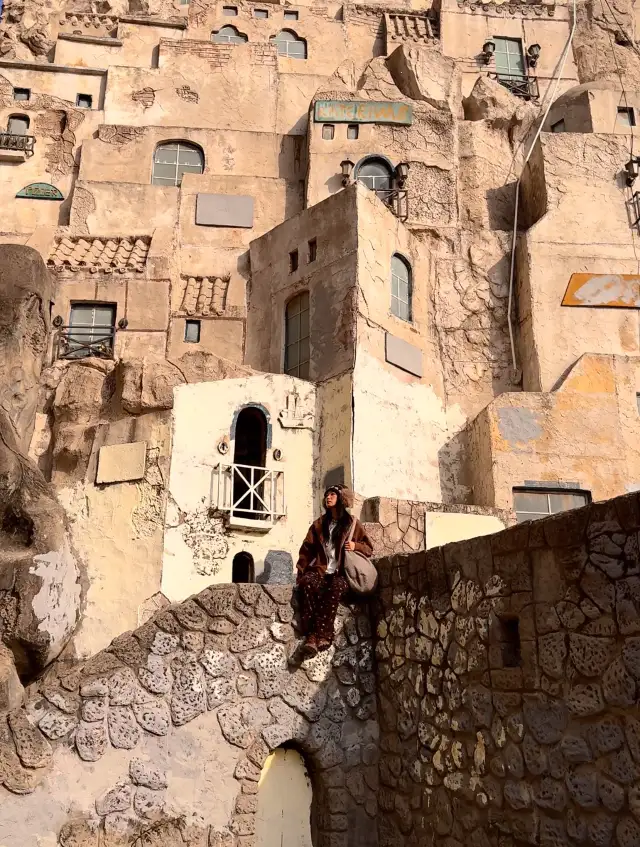 Sunny Day Check-in at Colorful BuildingsHidden Abandoned "Castle" in Zhengzhou 📸 Straight from the Phone Camera A magical corner in the city center where time seems to have stopped More like a sealed miniature amusement park A half-day adventure full of a sense of time travel 🗺️ Exact Location: Next to Erqi Square · 4F, Da Shanghai City (Two ways to get there: ① Take the indoor elevator directly to the 4th floor ② Go to the outdoor basketball court on the 2nd floor, look up to see the castle outline, then climb the side stairs) 🎫 Free Admission · Empty Scene · Free to Shoot Few visitors even on weekends All photos are straight from the original camera Tip: Keep an open mind, this is not a real European castle Lower your expectations to better capture its unique atmosphere ———————————— 📌 Suitable for: Urban explorers / Ruin photography / Seeking unconventional backgrounds 💡 Reminder: The building is old, be careful; best to visit on a sunny afternoon for better light and shadow layersAriana_Collins282

 A must-visit for a one-day tour in Zhengzhou! From historic old streets to a thousand-year-old county government office, explore nonstopNot sure how to spend your time in Zhengzhou? Here’s a walking tour guide you don’t want to miss! 🚶 📍Erqi Square Zhengzhou’s city landmark! This spot features old buildings perfect for photos and lets you experience the lively local atmosphere of Central China 🎆 🏛️ Museum (advance reservation recommended) A must-visit for history lovers! The collection is incredibly rich 📜 Feel the weight of 5,000 years of Chinese civilization 🏮 Mixian county government office A well-preserved ancient county office over a thousand years old! Instantly transports you to an ancient official’s world The red walls and black tiles are perfect for traditional-style photos 📸 🌊 Qinwei Water City Zhengzhou’s new popular spot! Blends traditional culture with modern elements The nighttime light show is breathtaking ✨ 👉 Tips for your visit: 1. Wear comfortable shoes since all attractions are within walking distance 2. Erqi Square is great to visit both during the day and at night 3. The museum is closed on Mondays, so plan accordingly 4. The best light for portraits at Mixian county government office is in the afternoon 🚌 Transportation guide: All these attractions are within the city Taking the bus or a taxi is very convenient!Forks and Footloose

 Zhengzhou Illusion Space Travel Guide【Ultimate Guide to Exploring Zhengzhou Illusion Space on a 2,000 RMB Budget】 Have you ever dreamed of finding your own "oasis for the soul" amidst a busy life? Do you long to embark on a city exploration that is both novel and full of surprises, all on a limited budget? Today, I'm going to take you on a journey with less than 2,000 RMB to delve into Zhengzhou, a city where ancient and modern blend, and discover an unforgettable "Illusion Space"—a fantastical world crafted with creativity and art, instantly transporting you to another dimension. Zhengzhou, as an important city in the Central Plains region, not only boasts a rich historical and cultural heritage but also hides many understated yet wonderful "secret gardens." And today's protagonist, the Illusion Space, is not just a popular check-in spot; it's more like a feast for the eyes and soul. It uses colors, light and shadow, and spatial design to awaken your deep-seated desire for the unknown and pursuit of beauty. So, the question is: with a budget of only 2,000 RMB, how can you make the most of this mysterious space? Don't worry, I've put together a detailed guide for you, ensuring you can enjoy yourself to the fullest without breaking the bank! Step 1: Book in Advance to Secure the Best Time Slot The Illusion Space is very popular, especially on weekends and holidays, and waiting in line might cost you valuable time. It's recommended to book tickets in advance on the official platform to avoid the hassle of queuing on-site. Ticket prices are around 80 RMB, and booking in advance can also get you some discounts. Step 2: Plan Your Transportation Wisely for Savings and Efficiency Zhengzhou's public transportation is very convenient, with well-developed subway and bus lines. It's recommended to take the subway to "Zhengzhou Railway Station" or "Erqi Square" station, then walk or take a short bus ride to the Illusion Space. A single subway ticket usually costs 2-4 RMB, saving you money while also letting you feel the pulse of the city. Step 3: Manage Your Dining Expenses and Enjoy Local Specialties Near the Illusion Space, there are many cost-effective snack shops and cafes. For example, authentic Henan braised noodles, skewers, and handmade steamed buns are all under 20 RMB. It's recommended to bring your own snacks and water, which is both convenient and budget-friendly, allowing you to fully immerse yourself in the fantastical world of the space. Step 4: Explore in Depth and Take "Stunning" Photos The greatest charm of the Illusion Space lies in its creative settings and light and shadow effects. Don't just stick to check-in photos; try capturing those heartwarming moments from different angles and with different lighting. Bring your camera or phone, activate "artist" mode, and turn every detail into a perfect backdrop for your portraits or excellent material for your social media. Step 5: Leave Room to Experience the Soul-Stirring Impact The space is not just a visual feast; it also features interactive installations and immersive experience zones. Take some time to quietly feel it, close your eyes, and imagine yourself in a dream. Perhaps you'll discover that the true illusion lies not in the space itself, but in the purity and freedom you feel when you experience it with your heart. Total Budget: Tickets: 80 RMB × 2 people = 160 RMB (enjoy discounts by booking in advance) Transportation: 20 RMB × 2 people = 40 RMB Food: 50 RMB per person × 2 = 100 RMB Contingency/Souvenirs: Approximately 200 RMB Total: Approximately 500 RMB. The remaining 1,500 RMB can be used to buy some souvenirs, bring small gifts home, or visit other attractions in Zhengzhou, truly allowing you to "have fun without exceeding your budget." Conclusion: The meaning of travel is not about how many places you've visited, but about how deeply you feel the impact each landscape brings. As long as you have a passion for exploration and a reasonable budget, Zhengzhou's Illusion Space is definitely worth discovering with your heart. With 2,000 RMB, embark on a fantastical journey that might help you find that long-lost purity and emotion. Pack your bags, bring your curiosity, and let's find our own piece of beauty in this "illusion"! If you like this guide, remember to like and share it so more people can enjoy unlimited wonders on a limited budget! What other hidden gems in cities would you like to know about? Leave a comment and let's explore more unknown beautiful corners together!TravelBeyondBorders*5

 Only Henan|The snow and wheat from that day are stamped in my heart“Are you willing to open this door with us and feel the heavy snow and hardships of that year?” ☁️ On the way back, I told Heiqiao I was feeling upset again, and Qiao said I was going through withdrawal, with “famine” flashing behind my closed eyes. 🎫: Tickets can be bought through many channels. The play consists of three main scenes plus several smaller ones, each with a limited number of seats 🚫, so you can see a lot of running 🏃 and rushing between scenes. You can scan a QR code inside the theater to see the schedule and get navigation 🧭, which is very convenient. 🚗: About a 50-minute drive from downtown (near Erqi Square), easy to get a taxi. 🍽️: There are restaurants (Henan snacks), milk tea, Luckin Coffee~ You must try Juancha! Both the taste and packaging are excellent! Especially the cup, which is not soft or flimsy at all! 📷: The venue is open and unobstructed, so it’s very windy! If you’re going soon, I suggest bringing a hat, mask, and sunglasses (smart like me), especially on the second-floor rooftop where the wind really blows 🌬️. Every photo you take will look great~ 🚻: The restrooms are very clean, plentiful, and stocked with toilet paper 🧻. As a restroom king, I’m very satisfied! The staff are professional and responsible, holding up signs that are very noticeable! Many signs urge people not to smoke 🚬, to be civilized, and to watch their kids. I sincerely hope cultural and tourism sites nationwide follow this example!! Several small shops sell cultural and creative products at reasonable prices! (I bought a fridge magnet for 25 RMB 💰) ❤️: The main play chosen was the most popular online, “Lijia Village Theater,” directed by a female director—kudos to her! The story is clear and complete, the dialogue delicate, and the stage design and BGM just right~ Of course, the actors are excellent too! I’m easily moved to tears, and except for when moving between scenes, I was crying most of the time 😭~ Watching it is inevitably quite depressing, so be mentally prepared~ (No spoilers) In the face of grand historical narratives, personal troubles do get diluted. The world 🌎 is truly wonderful; everyone, let’s all try to appreciate life well!WanderingSerenade1

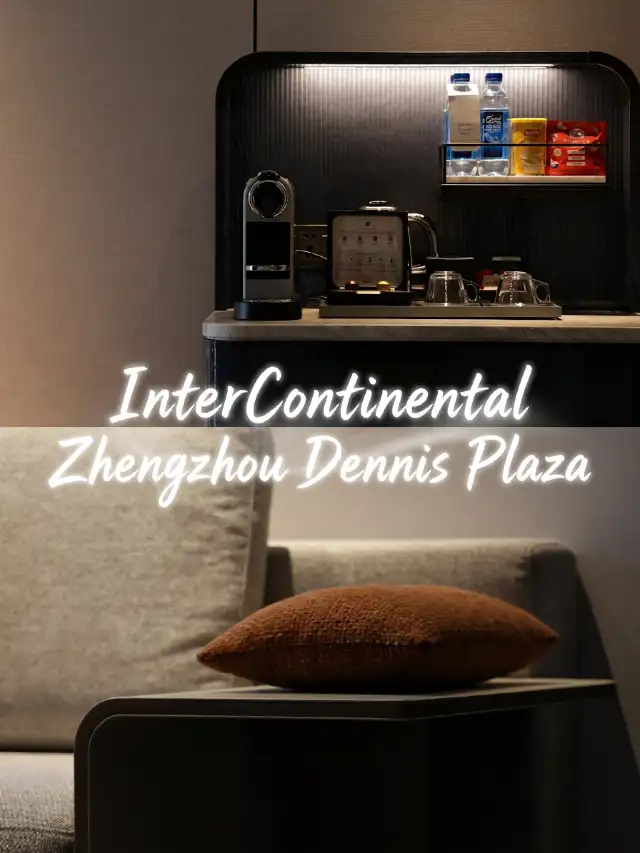 InterContinental Zhengzhou Dennis Plaza | An Oriental Aria, stay in a Zhengzhou urban oasis📍InterContinental Zhengzhou Dennis Plaza | Stay here when traveling to Zhengzhou, a luxurious choice with city-center Henan charm✨ Planning a trip to Zhengzhou and looking for a hotel that is conveniently located, aesthetically pleasing, and comfortable? I recommend this InterContinental hidden in the Erqi business district🎀. The hotel is located in the core business district of Erqi Square, on the former site of the Henan Opera Theater. It integrates Henan opera cultural elements into a modern luxury space, creating a rich cultural atmosphere💞. Its location is excellent: the first floor provides direct access to David Plaza, it is adjacent to People's Park, within walking distance of the Erqi Memorial Tower, and not far from the Henan Museum. It makes sightseeing and shopping easy, truly placing you in the heart of Zhengzhou. The hotel has 268 guest rooms, starting at 42 sqm, with the largest suite at 350 sqm. Rooms are equipped with smart curtains that open slowly with one touch, and the oversized floor-to-ceiling windows offer views of the greenery in People's Park or the city skyline. The art installations in the rooms draw inspiration from Henan opera costume patterns, showcasing Central Plains aesthetics in every detail. Features include smart entry sensors, a separate bathtub + walk-in shower, and suites additionally equipped with a separate office and reception area, making them suitable for both travel and temporary work. Leisure facilities are complete🌱. The 9th floor features a 450 sqm fitness center with professional Life Fitness equipment + a separate yoga room; a 200 sqm heated swimming pool, massage whirlpool, and sauna/steam room. You can fully relax and wash away the fatigue of your journey after a day of sightseeing. 🍽The dining experience is also worth looking forward to. The 7F Commune restaurant features an open kitchen inspired by Shangqiu temple fairs, where you can enjoy authentic Hu-la soup at the breakfast buffet to start an energetic morning. On the same floor, the LaB on7 lobby lounge replicates the style of a Northern Song Dynasty opera teahouse, perfect for afternoon tea🍵 or evening specialty cocktails🍸. The 26F InterContinental Club offers high-altitude views of People's Park, with afternoon tea and happy hour, creating an excellent atmosphere. An urban oasis in the bustling city, combining Central Plains cultural aesthetics with a relaxing vacation vibe. If you are traveling to Zhengzhou or looking for a short getaway, this is a foolproof choice.Amelia Garcia Charlotte


Other visitors' reviews of Erqi Square
Show More ReviewsI was initially puzzled when I saw the Erqi Monument Tower rising in the middle of Zhengzhou’s bustling commercial district. The twin towers did not appear as majestic as the famous Twin Towers in Kuala Lumpur. Yet the following day, when the museum inside the tower opened, I stepped in to learn its story — and came to understand that this monument was erected in 1971 to commemorate the February 7th Railway Workers’ Strike of 1923.In February 1923, more than 30,000 railway workers went on strike to protest harsh working conditions and exploitation by railway authorities, halting trains across 1,200 kilometers of track. Warlord Wu Peifu ordered troops to violently suppress the movement. Soldiers opened fire, killing 52 workers, injuring hundreds, and arresting over 1,000. The strike, organized by early Communist Party members and railway unions, ended in tragedy but became a foundational myth of China’s Communist movement.In March 1923, Chairman Mao reflected on the strike, writing that it revealed “the heroic spirit of the workers” but also proved that “without the alliance of peasants and workers, the revolution cannot succeed.” This lesson shaped the CCP’s strategy, convincing Mao that the Party must broaden its base beyond urban workers to include China’s vast peasant population.The February 7th Railway Workers’ Strike remains one of China’s earliest and most significant uprisings, linking the labor movement with the emerging Communist revolution. A visit to the museum inside the Erqi Tower offers not just a glimpse of history, but a deeper understanding of the revolutionary struggle that the monument embodies.