Things to do in Wuhai
Explore top experiences
Top 10 attractions in Wuhai


Wuhai Lake Leisure Resort Tourist Area
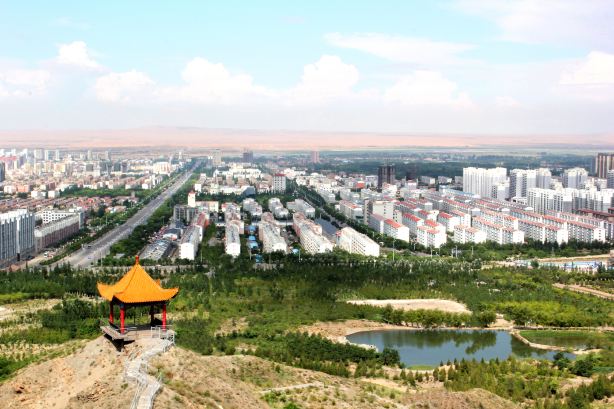
Wuhai Lake Ecological Tourism Attraction is a 118 square kilometer soothing water surface and lake area formed after the completion of the Yellow River Haibowan Water Conservancy Project. Together with the Gander Mountain Ecological Civilization Attraction, it presents a spectacular scene of water and sand complementing each other and mountains and waters connecting each other. It runs across Wuhai City from north to south, covering the Ulan Buh Desert, Ulan Nur Lake, Wuhai Lake, Poplar Island, Rabbit Island and other scenic spots. Looking from east to west, the waves are clear and the water is blue, reaching the golden sand bank. On one side is blue water and on the other side is golden sand. It is magnificent and natural, forming a beautiful picture of "the desert comes out of the flat lake. There is Jiangnan on the frontier". Wuhai Lake Ecological Tourism Area is an organic combination of six major scenic sources: desert, flat lake, reeds, flying birds, sand hills and swimming fish. It is the best choice for original ecological leisure tourism. The Attraction combines land, sea and air experience projects such as desert camps, water entertainment, and low-altitude flights. It has developed a number of green tourism routes such as "Desert Tour" and "Water Tour", including water cruise sightseeing tours, desert off-road sightseeing tours, and reed marsh special tours, bringing a new experience.Wuhai · 3.6 km from downtown

Wuhai Lake
Wuhai Lake is located in Wuhai City, Inner Mongolia Autonomous Region. It is an artificial lake formed by damming the Yellow River after the completion of the Haibowan Water Conservancy Project. The lake surface is open and calm, with a water area of over 100 square kilometers. The west bank is adjacent to the Ulan Buh Desert, while the east bank connects to the city's riverside landscape belt. In the distance, the Gander Mountains stretch out. The lake views, sea of sand, mountain silhouettes, and city skyline are framed together, presenting a picturesque scene of the northern frontier where water meets sand and mountains meet water. The deep blue lake water meets the rolling sand dunes directly—standing on the west bank's sand dunes and looking down, the vast yellow sand is reflected in the calm lake surface, blending the grandeur of the northern frontier with the gentleness of a water town. Here, you can take a boat tour or try kayaking, and once ashore, you can head into the desert for off-road driving and sandboarding. The Wuhai Lake Bridge and the road winding between the water and sand are favorite spots for self-drive and photography enthusiasts. At sunset, the lake surface is dyed gold, and the silhouettes of the sand dunes are elongated, making it a perfect place for a leisurely stroll along the shore. By the lakeside wetlands, reeds sway, and water birds occasionally skim across the surface, adding a touch of vitality to the vast lake.Wuhai · 6.6 km from downtown

Jinshawan Ecological Tourism Area
Jinshawan Eco-tourism Area is adjacent to the Yellow River in the west to the Table Mountains in the east, and is about 15 kilometers away from the urban area of Wuhai. The sand dunes here are continuous and the vegetation is rare. It looks like a desert in the bay. It is called "Jinsha Bay" because of its golden sand. Legend has it that Genghis Khan, the arrogance of a generation, once set up camp here when he expedition to the Western Xia Dynasty, and now it is a desert tourist attraction. In the scenic area, there are rare plants Sihemu, Helianthus annuus, Mongolian almond, Shabawang, holly and so on. In the central square, there is a solemn statue of Genghis Khan. The scattered yurts are unique in the scenic area, and tourists can also taste the authentic Mongolian cuisine in these yurts. In addition to the beautiful scenery, tourists can also visit the sand sea at night, watch sand sculptures, participate in bonfire parties, and watch Ordos weddings with unique charm and ethnic customs. In addition, there are sand volleyball, horseback riding, camel riding and other activities to choose from in the scenic area.Wuhai · 13.1 km from downtown

Laseng Temple
Manbala Temple is located on Tuhai Mountain in Lasengmiao Town, Hainan District, Wuhai City. It was built in 1790 (55 years of Qianlong). "Manbala" is a Tibetan language, which means "medical prescription and Ming Jingyuan". Manbala Monk Temple is a place specializing in the study of medicine and religion. The monks here first study the scriptures and then study medicine (Mongolian medicine), and double-study the medical scriptures in order to achieve higher attainments in medicine. It is said that dozens of Mongolian medicine secret recipes have been researched here, and it is a Tibetan Buddhist holy place with Mongolian medicine research as its main feature. Due to the destruction of the Manbala Temple during the Cultural Revolution, the only remaining buildings in the past are the Mahavira Hall, the Medicine Buddha Pagoda, the Dharma Protector Hall and the Karst Cave. After the government approved and determined that Manbala Monk Temple was the only place for Gelug sect (Lamaism) religious activities in Wuhai area, the fourth Xiazhonggala was born in Shade Ribudan Bini with the support of the monks and believers. , a comprehensive restoration of the temple, has now begun to take shape. Nowadays, every time the temple fair is full of people, there is also an endless stream of tourists for worship and sightseeing.Wuhai · 38.1 km from downtown

Gande'er Mountain Ecological Scenic Area
Gander Mountain Ecological Scenic Area is famous for its rolling peaks and lush vegetation, presenting unique natural landscapes in all four seasons. In spring and summer, the mountains are green and full of vitality; in autumn and winter, they present a vast and magnificent scene. There are well-designed hiking trails in the scenic area, where visitors can explore the natural scenery along the way. There are several viewing points along the trail, allowing visitors to stop and admire the vast grassland and the mountains in the distance. Mount Gander is not only famous for its stunning natural scenery, but also offers a rich cultural experience, giving visitors the opportunity to gain an in-depth understanding of the local ethnic culture and historical background. The visitor center in the scenic area provides detailed tourist information and services to ensure a comfortable and convenient travel experience. Visitors are advised to choose appropriate clothing and equipment according to the season to fully experience this beautiful place where nature and culture blend together.Wuhai · 15.8 km from downtown

Gander Mountain Ecological Scenic Area - Genghis Khan Statue
Gander Mountain Ecological Scenic Area - Genghis Khan Statue is located on the main peak of Gande'er Mountain in Wuhai City, Inner Mongolia Autonomous Region, and is an iconic cultural landmark within the Gande'er Mountain Ecological Scenic Area. Gande'er is a Mongolian word meaning "Hada," named for the mountain's winding, undulating shape that resembles a Hada. The statue sits on a peak at an altitude of approx. 1805 m, with a total height of approx. 88.95 m and a base circumference of approx. 300 m. The statue faces west-northwest, overlooking Wuhai Lake and the city below, with a solemn and majestic appearance. The exterior of the statue was forged from over 35,000 copper plates and took 8 years to complete. Standing on the viewing platform next to the statue, you can take in the panoramic views of the Yellow River, Wuhai Lake, the desert, and the city. This is a landmark of Wuhai City and an important place to learn about Mongol-Yuan culture and the urban landscape of Wuhai.Wuhai · 6.9 km from downtown

Chinggis Khaan National Museum
The museum is a comprehensive museum that displays Genghis Khan culture and Mongolian Yuan culture. There is a well-known Genghis Khan sculpture here, which is nearly 90 meters high.Wuhai · 6.9 km from downtown

Chateau Jiolis
The Gioni Grape Manor in Wuhai, Inner Mongolia, is located in the middle of the Yellow River and on the edge of the desert, by the Wuhai Lake. It has a thousand-acre grape standard demonstration garden and produces 300 tons of high-quality winery wine annually. The manor has won many honors, including the "China Winery Wine" certification and the national 3A-level tourist Attraction. With the concept of "good wine is grown", it has created an original ecological manor that integrates grape planting, wine brewing, and sightseeing tourism. Visitors can experience the fun of grape picking, red wine tasting, leisure sightseeing, etc., and feel the unique desert wine culture.Wuhai · 9.8 km from downtown

Jinsha Bay Ecotourism Area - Kan'erjing
Wuhai · 13.3 km from downtown

Wuhai Coal Museum
Wuhai Coal Museum is located in the south of Shuangyong Street in Haibowan District, in Shenhua Moyu Square in Wuhai City, with a construction area of 2305 square meters. The main building of the museum has three floors. The first and second floors are exhibition halls, and the third floor is for offices and ancillary rooms. The building is in the shape of mineral crystals. The first floor is decorated with stone curtain walls, and the second and third floors are full glass curtains. . It is currently a "National AA-level tourist attraction". The museum is a special museum that reflects the development history of Wuhai's coal industry in the past half a century, and the history of Wuhai City's construction and development of coal because of coal. Looking back at the history and carrying forward the spirit, it has become a cultural landscape with unique local characteristics in Wuhai City, and a main place to educate citizens, especially young people, on patriotism and love for my hometown.Wuhai · 3.1 km from downtown
Experiences you can't miss in Wuhai
Featured Travel photography in Wuhai
View all Travel photography
Instant confirmation
Book now for today
FromTHB 5,618.20
FromTHB 1,123.65

FromTHB 1,123.65

FromTHB 1,685.46


FromTHB 1,123.65

FromTHB 6,741.84
Free things to do in Wuhai
Wuhai Lake Leisure Resort Tourist Area
Wuhai · 3.6 km from downtownWuhai Lake
Wuhai · 6.6 km from downtownLaseng Temple
Wuhai · 38.1 km from downtownChateau Jiolis
Wuhai · 9.8 km from downtownWuhai Coal Museum
Wuhai · 3.1 km from downtown
Wuhai Museum
Wuhai · 3.6 km from downtown
Longyou Bay National Wetland Park
Wuhai · 7.7 km from downtown
What travelers say about Wuhai

nana ななOctober 11, 2026
5.0
I think it's worth a visit for those who like deserts.
I've lived in Wuhai for several years but never officially visited. But this trip was quite breathtaking. It's probably even more beautiful in summer.
Overall, the experience was alright.
Wuhai Lake Leisure Resort Tourist Area

内蒙古呼和浩特市赛罕区September 4, 2025
5.0
These attractions embody the extraordinary qualities of this small city, Wuhai. Whether it's the natural wonder of Wuhai Lake, the Danxia landforms that tell the story of Wuhai's vicissitudes, or the giant statue of Genghis Khan, a reflection of Tibetan Buddhist temples and the glorious history of the Mongols, they are all musical symphonies of life composed by humanity and nature. They are definitely worth a deeper exploration.
Wuhai Lake

滇国剑客August 31, 2020
5.0
The Wuhai Jinsha Bay Ecological Tourism Area is actually the result of some changes and transformation based on the "specialty" grassland of Inner Mongolia. It should be said that this two-in-one is very good and successful, and tourists also love it very much.
Jinshawan Ecological Tourism Area

殷都老虎October 6, 2022
4.0
La Seng Temple (Manbala Seng Temple) is located in Hainan District, Wuhai City. It is a national AAA-level scenic spot and provincial cultural relic, adjacent to Tuhaishan Tourist Area. Manbala Seng Temple is a Tibetan language, meaning "Medical Prescription and Sutra Institute". It is a hall dedicated to the study of Tibetan and Mongolian medicine and religion. In its heyday, there were more than 600 monks and lamas living in the temple. It was the earliest religious medical holy place in western Inner Mongolia at that time.
It was first built in the 21st year of Kangxi in the Qing Dynasty (1682) and destroyed during the Cultural Revolution. It was rebuilt in 2007.
According to legend, when Emperor Kangxi went west for a private visit, he stayed in La Seng Temple for several days. The architectural style of La Seng Temple not only integrates the artistic styles of Tibetan, Mongolian and Han nationalities, but also reflects the taste of local culture and art, making visitors feel like they are in heaven. There are several dragon columns in the main hall of the temple to support the beams, and the giant columns are painted with dragons flying in the mist. There are five statues of gods on the front of the main hall, and Sakyamuni sits in the middle. In front of the statue, there is an offering table and an incense burner, with smoke lingering and the Buddha lamp always on. The two walls of the lobby are painted with many scenes from Buddhist stories, which are colorful and lifelike. Especially the paintings and murals of Sakyamuni preaching to his disciples and the gods around him listening quietly, the images are lifelike and amazing.
Strategy:
Seasonal cost: June-early October. Free.
Transportation and accommodation: More than 30 kilometers away from the center of Wuhai City, with excellent roads. The desolate area around the scenic spot is basically driven by car.
Scenery: The whole tour takes about 40 minutes. The temple is located halfway up Tuhai Mountain. The parking lot is next to the gate of the scenic spot and can be walked in. The mountains in the north are more majestic and vicissitudes, with no vegetation, no water, and strong winds. You can bring some thick clothes. Many buildings basically reflect the original style, but even after the National Day, the halls are basically closed, perhaps because of the epidemic. Only the side door of the main hall is open. Unlike the temples in the Central Plains and the South, the five- or six-story-high Buddha statue in the main hall is basically the same height as the building, but there is no lobby, so you can only look up at your feet. There are stairs around, but no access is allowed.
Equipment: hiking shoes, jacket.
Laseng Temple

白驹幕府过隙August 3, 2025
3.0
On my way to Wulansuhai Lake from Yinchuan, I saw a giant statue on a hillside. Intrigued, I researched it and drove up to see it on my way back to Yinchuan.
This scenic spot is likely privately funded and not far from downtown Wuhai. The entrance fee and cable car were quite expensive, so I skipped it. I just took a few photos and left.
Gande'er Mountain Ecological Scenic Area

_TI***urOctober 21, 2026
4.0
Ticket for the cable car to the summit and return plus entry to the museum inside the statue cost 160 today. The cable car is quite good quality and felt safe. The statue is much larger than you expect when you arrive at the top. Once you’re at the top of the cable car there are still a lot of steps to climb so not suitable for people with mobility issues. Inside the statue it’s not a museum but a sort of “experience” with fun places to take photos.
Gander Mountain Ecological Scenic Area - Genghis Khan Statue

M90***83April 16, 2025
5.0
I checked in at this treasure winery with my friends on the weekend. The interior decoration is elegant and very stylish. You can see Mount Gander in the distance through the floor-to-ceiling windows. The staff is super professional and enthusiastic! Before the wine tasting, they will carefully introduce the origin, brewing process and taste characteristics of each wine, and patiently answer Xiaobai's questions throughout the process. You can also visit the wine cellar and vineyard for free. It's so beautiful to check in and take pictures🤩
Chateau Jiolis

无为海之风October 29, 2025
5.0
The components of a karez system include: vertical shafts, used for positioning, ventilation, and excavation, reaching depths of up to 35 meters, with over 170,000 existing today.
underground channels, with a total length exceeding 5,000 kilometers, prevent evaporation losses.
open channels and reservoirs, connecting the outlets of the karez to surface water channels and storage ponds, are used for irrigation and domestic water supply.
The working principle utilizes the downward slope caused by melting snow from the Tianshan Mountains to achieve gravity-fed water flow through the karez, requiring no power assistance throughout. Ancient people used a "horizontal alignment method with wooden sticks" to ensure precise excavation direction, and the spacing between vertical shafts was adjusted according to the slope.
Jinsha Bay Ecotourism Area - Kan'erjing

浮华一梦终不悔October 5, 2026
5.0
It's definitely worth going, but what if I can't find the photos?
Wuhai Coal Museum


